
For Healthcare Professionals: Practical Insights for Dentists, Doctors, Clinics & Hospitals

Picture this: a small dental practice spends years building trust with its patients, one cleaning and one kind word at a time. Then one morning, its website β€” the same one that quietly collects appointment requests and new-patient forms β€” gets flagged for serving malware. Within a week, patient records are for sale on a forum neither the dentist nor her office manager has ever heard of.

dentists meeting medical colleagues discussing teeth problems dental clinic young professional doctors studying jaw ray 62382915

This isn’t a rare horror story anymore. It’s Tuesday. For healthcare professionals, the website has quietly become one of the most exposed parts of the practice β€” and most clinics never planned for that. This post breaks down what’s actually happening, how it compares across practice types, and what you can do about it this month, not “eventually.”

Why This Is Suddenly Everyone’s Problem

Healthcare has held the unwanted title of the costliest industry for data breaches for 14 straight years, with the average incident now running $7.42 million. That number sounds like a hospital-only problem β€” it isn’t. Small practices, dental offices, and single-location clinics get swept into the same statistics because attackers don’t discriminate by practice size; they discriminate by how easy the target is.

The shift in attack methods matters just as much as the cost. Hacking and IT-related incidents now account for more than 80% of large healthcare breaches, up from roughly half that share back in 2019. Ransomware alone drives nearly half of all confirmed healthcare breaches in 2026, and for the first time in nearly two decades of tracking, exploiting unpatched software vulnerabilities has overtaken stolen passwords as the top way attackers get in. That detail matters enormously for anyone running a website on a content management system that needs regular updates.

The Comparison: Where Different Practices Are Exposed

Not every healthcare setting carries the same risk profile. Here’s a practical breakdown of where the pressure points typically sit.

Practice TypeCommon Website FunctionTypical Weak PointPriority Fix
Solo dental/medical practiceNew patient intake forms, appointment requestsOutdated CMS plugins, no BAA with hostPatch management + compliant hosting
Multi-location clinicBooking systems, provider portalsInconsistent access controls across sitesCentralized, role-based access
Specialty/therapy practiceSecure messaging, telehealth linksThird-party embeds without vendor agreementsVendor risk review + signed BAAs
Hospital systemEHR integration, patient portalBusiness associate exposure, legacy systemsThird-party monitoring + audit logging

Third-party vendors deserve special attention here. Business associates are now named in roughly one in three reported healthcare breaches, and that share has doubled in a single year. If your website hands appointment data, chat widgets, or analytics to an outside company without a signed Business Associate Agreement, that gap is treated by regulators as its own violation β€” not a minor technicality.

Key Insight #1: Your Website Platform Wasn’t Built for PHI, and That’s Fine β€” If You Know It

A huge share of clinic and practice websites run on WordPress, which is understandable: it’s flexible, familiar, and inexpensive. But it’s worth being clear-eyed about a specific point that trips up a lot of practices β€” WordPress is not HIPAA-compliant out of the box. Compliance isn’t a feature you install; it’s a property of how the whole environment β€” hosting, plugins, forms, and vendor contracts β€” is configured and maintained together.

That doesn’t mean healthcare organizations should avoid WordPress. It means treating any part of the site that touches protected health information (appointment forms, secure messaging, patient portals) differently from the marketing pages describing your services. One widely echoed piece of advice from web architects working in healthcare is refreshingly simple: don’t store sensitive patient information directly inside WordPress at all β€” route it instead to purpose-built, compliant systems designed to hold that data securely.

Key Insight #2: Hosting Is the Foundation, Not an Afterthought

If there’s one decision that quietly determines your entire security posture, it’s who hosts your site. Standard consumer hosting β€” the kind marketed on price and ease of setup β€” typically will not sign a Business Associate Agreement or meet PHI protection standards like encryption at rest and audit logging. A healthcare website deserves the digital equivalent of the physical security you already apply to paper charts in a locked filing cabinet.

Practical signs your hosting is doing its job:

  • A signed BAA is in place, in writing, not implied
  • Server-level firewalls and intrusion detection are active by default
  • Plugin and core updates happen on a predictable schedule, not “whenever someone remembers”
  • Audit logs exist so you can actually answer “who accessed what, and when”

Key Insight #3: Multi-Factor Authentication Is the Cheapest Insurance You’ll Ever Buy

Ask any security consultant working with clinics what single change stops the most incidents, and multi-factor authentication comes up almost every time β€” particularly for anything resembling a patient portal or staff login. It costs little, takes minutes to enable, and closes off the majority of credential-based attacks that once dominated the threat landscape. Given that external actors are behind roughly two-thirds of confirmed healthcare breaches, and financial motives drive the vast majority of them, making stolen credentials useless on their own is one of the highest-leverage moves a small practice can make.

Key Insight #4: The Detection Gap Is Longer Than You’d Think

Healthcare breaches take an average of 279 days to identify and contain β€” the longest of any industry tracked. Translate that into practice terms: a compromise discovered today may have been sitting quietly since roughly last spring. This is precisely why routine monitoring, logging, and even a simple quarterly review of who has admin access to your website matter more than a one-time security push. Set-and-forget security is, in practice, forget-and-regret.

What This Means for Your Practice, Starting This Month

None of this requires a hospital-sized IT budget. A realistic starting checklist looks like:

  • Confirm whether your web host will sign a BAA β€” if they won’t, that’s your answer
  • Turn on multi-factor authentication for every admin and staff login today
  • Review every plugin or embedded tool that touches patient data and confirm a vendor agreement exists
  • Move any PHI collection off general-purpose forms and into a compliant system
  • Schedule a recurring (not one-time) plugin and core software update routine

A Final Word

The trust patients place in a dental chair or an exam room extends, whether we’ve fully reckoned with it or not, to the “Book an Appointment” button on the website. Protecting that trust isn’t about becoming a cybersecurity expert overnight β€” it’s about treating your digital front door with the same seriousness as your physical one.

If this rundown raised questions about your own practice’s setup, that’s worth sitting with rather than shrugging off. Talk to your web host today about whether they’ll sign a BAA β€” and if the answer is unclear or “no,” that’s the first thing to fix this week. Feel free to share this with the office manager or IT contact who handles your website; a five-minute conversation now beats a 279-day surprise later.
Leave a Reply

Your email address will not be published. Required fields are marked *

Related Post

pZCowIMaqVrDPEb0fu6g2uEjM0QLjITEQXyfnlud

How to Choose the Right Diagnostic Equipment: A Complete Guide for Healthcare Professionals

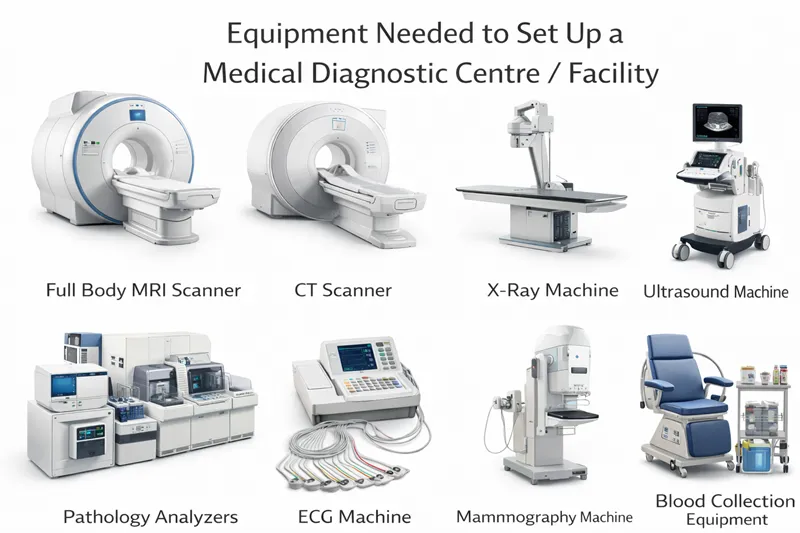
Introduction: The Best Diagnostic Equipment Is Not Always the Most Advanced A new diagnostic device can look impressive on a product brochure: sharper images, faster processing, more features, and a long list of technical specifications. But healthcare professionals know that a machine can be technologically impressive and still be the wrong choice for a particular clinic, laboratory, or hospital. The real question is not, β€œWhich Diagnostic Equipment has the most features?” It is β€œWhich equipment will reliably help us make better clinical decisions in our actual working environment?” That distinction matters. A small outpatient clinic may benefit more from a dependable, easy-to-maintain point-of-care analyser than a sophisticated system that requires specialist training. A busy hospital laboratory may prioritize throughput and automation. A rural facility may place greater value on portability, battery backup, and service availability. The World Health Organization (WHO) recommends considering medical equipment across its entire lifecycleβ€”from needs assessment and procurement to installation, training, maintenance, and eventual decommissioning. In other words, buying Diagnostic Equipment is not simply a purchasing decision. It is a clinical, operational, financial, and patient-safety decision. What Counts as Diagnostic Equipment? Diagnostic Equipment includes devices and systems used to detect, measure, monitor, or help identify disease and health conditions. Depending on the healthcare setting, this can include: IVDs are particularly important because they include reagents, instruments, and systems used to examine specimens taken from the human body for diagnostic purposes. The right choice depends heavily on what you need to diagnose, where testing occurs, who operates the equipment, and how the results will influence patient care. Step 1: Start With the Clinical Need, Not the Brand One of the most common purchasing mistakes is beginning with a product catalogue. Instead, begin with a clinical question: What diagnostic problem are we trying to solve? For example, if a primary-care clinic wants to improve cardiovascular assessment, the requirement might include ECG capability, blood pressure measurement, pulse oximetry, and reliable patient monitoring. A laboratory may instead need an analyser capable of handling a particular sample type, test menu, daily workload, and turnaround time. Ask these questions first: This needs-based approach aligns with WHO procurement guidance, which emphasizes selecting equipment appropriate for the intended setting, users, and testing requirements rather than simply choosing products based on price. Step 2: Compare Accuracy, Precision, and Clinical Performance A device may produce results quickly, but speed means little if those results are unreliable. When comparing Diagnostic Equipment, look beyond marketing claims and investigate: Accuracy How close are measurements or test results to the accepted reference value? Precision Does the equipment provide consistent results when the same sample or measurement is repeated? Sensitivity and specificity For diagnostic tests, these characteristics can be critical because they influence the likelihood of detecting a condition correctly. Reproducibility Can comparable results be achieved across operators, locations, and repeated tests? Validation evidence Look for credible clinical or performance evidence rather than relying exclusively on manufacturer claims. For laboratory and IVD equipment, performance evaluation, quality control, and regulatory requirements deserve particular attention. In India, IVDs are regulated under the Medical Devices Rules, 2017 and classified according to risk. Step 3: Check Regulatory Compliance A diagnostic device should not enter a healthcare environment simply because it is available commercially. Regulatory status matters because medical devices are subject to requirements concerning safety, performance, quality, labelling, manufacturing, and post-market monitoring. For healthcare organizations in India, the Central Drugs Standard Control Organisation (CDSCO) provides regulatory information concerning medical devices and diagnostics. India regulates medical devices under the Drugs and Cosmetics Act and the Medical Devices Rules, 2017. Check CDSCO medical-device and diagnostic guidance Healthcare buyers should verify, where applicable: For international procurement, the applicable regulatory authority will depend on the market in which the equipment is being purchased and used. The FDA, for example, regulates medical devices marketed in the United States. FDA medical-device regulatory overview Step 4: Evaluate Total Cost of Ownership The purchase price is only the beginning. Consider the total cost of ownership (TCO) over the expected working life of the device. Cost Factor What to Consider Initial purchase Device, accessories, installation Consumables Reagents, electrodes, probes, cartridges Maintenance Preventive and corrective servicing Calibration Frequency and certification costs Training Initial and refresher training Software Licences, updates, subscriptions Infrastructure Power, networking, space, ventilation Downtime Lost testing capacity and clinical delays Replacement Parts, batteries, sensors and accessories Disposal Decommissioning and end-of-life requirements This is where an apparently inexpensive device can become expensive. For example, an analyser with a low purchase price but proprietary consumables and frequent service requirements may cost considerably more over five years than a higher-priced system with predictable operating costs. WHO’s recent health technology assessment guidance emphasizes evaluating the clinical, economic, organizational, and broader implications of health technologies before adoption. Step 5: Match the Equipment to Your Workflow A technically excellent device can still fail operationally if it slows down the people using it. Consider the entire patient journey: Patient registration β†’ sample collection β†’ testing β†’ result generation β†’ interpretation β†’ reporting β†’ clinical action Ask where the proposed equipment fits into this workflow. For high-volume facilities, prioritize: For smaller clinics, prioritize: The best Diagnostic Equipment is often the device that creates the least friction between testing and clinical decision-making. Step 6: Don’t Underestimate Connectivity Modern diagnostic equipment increasingly produces digital data, making connectivity an important purchasing criterion. Before buying, determine whether the device can integrate with: Also ask about data export formats, user permissions, audit trails, software updates, and cybersecurity. This is especially important as diagnostic equipment becomes increasingly software-driven. The FDA’s current medical-device guidance includes specific attention to cybersecurity and software assurance as part of modern device quality and regulatory considerations. A machine that generates excellent results but creates manual data-entry work may introduce a new source of error. Step 7: Assess Training and Usability A diagnostic device is only as effective as the people operating it. During evaluation, involve actual usersβ€”not only procurement teams. Ask nurses, laboratory technicians, radiographers, physicians, biomedical engineers, and other relevant staff

6983515bad2f1546927f65f9 6841b655182dca1cbca49add image1 1

Essential Medical Supplies Every Clinic Should Stock: A Practical Guide for Safer, Smarter Care

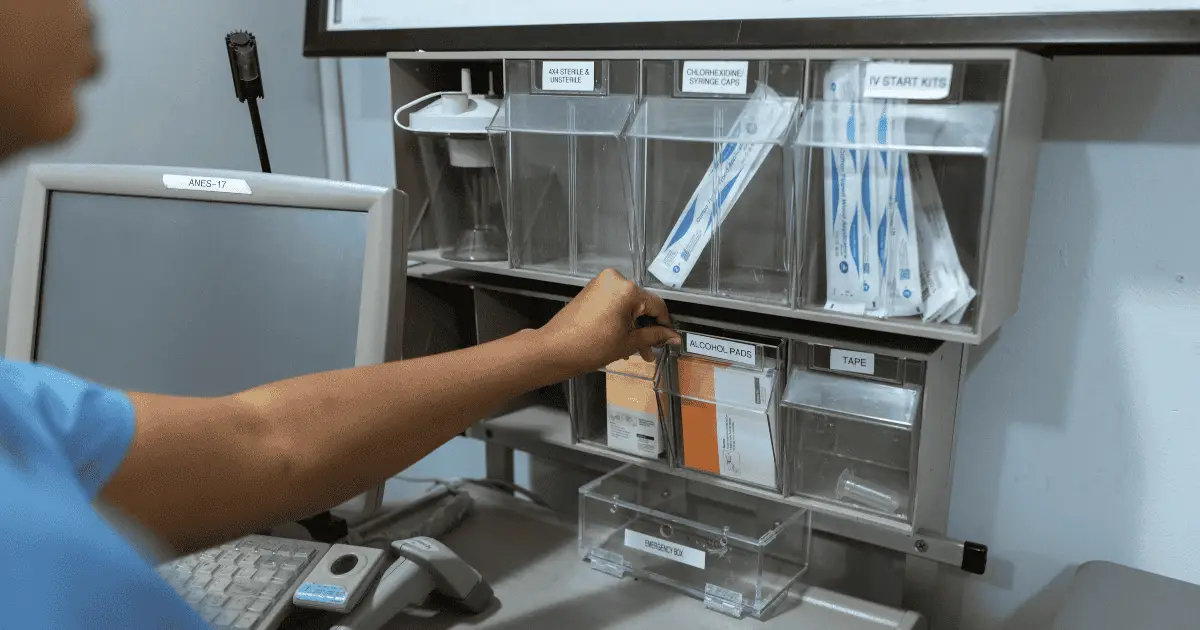
Introduction: The Right Supply Can Change the Entire Clinical Workflow Imagine a patient arrives with a minor wound. The clinician is ready, the examination room is prepared, and the diagnosis takes only a few minutes. Then someone realizes the clinic has run out of sterile gauze. It sounds like a small problem. In practice, it can interrupt treatment, delay the next appointment, create unnecessary stress, and compromise workflow. That is why essential medical supplies are not simply items stored in cupboards. They are part of a clinic’s patient-safety infrastructure. A well-stocked clinic does not necessarily have the largest inventory. It has the right products, in appropriate quantities, available when and where they are needed. The World Health Organization (WHO) notes that equipment selection should reflect the facility, available workforce, and local disease burden rather than relying on one universal list. This guide explains what most outpatient and primary-care clinics should consider stocking, how to prioritize purchases, and how to avoid the common mistake of confusing more inventory with better preparedness. What Counts as Essential Medical Supplies? The exact requirements depend on the clinic’s specialty, patient volume, procedures, and local regulations. A general outpatient clinic will have different needs from a dental practice, dermatology clinic, emergency centre, or women’s health facility. However, most clinics can organize their core inventory into several practical groups: This category-based approach is more useful than simply creating a huge shopping list. 1. Infection Prevention and PPE: The First Line of Protection If there is one category a clinic should never treat as an afterthought, it is infection-control supplies. CDC Standard Precautions apply to all patient care and include hand hygiene, appropriate PPE, environmental cleaning, injection safety, and proper handling of reusable equipment. Essential items include: Hand hygiene products deserve special attention. WHO’s “Five Moments for Hand Hygiene” framework emphasizes cleaning hands before patient contact, before aseptic procedures, after body-fluid exposure, after patient contact, and after touching the patient’s surroundings. Practical insight: Do not store sanitizer only at a central nursing station. Put hand-hygiene supplies where clinical decisions happenβ€”near examination areas, treatment rooms, and other points of care. 2. Examination and Diagnostic Supplies A diagnosis begins with good information. Even sophisticated clinical knowledge is limited when basic examination equipment is missing or unreliable. A general clinic should consider maintaining: For frequently used diagnostic equipment, having a backup can be more valuable than purchasing an expensive device that is rarely used. A simple comparison Supply Primary purpose Stock priority Key consideration BP monitor Blood-pressure assessment High Correct cuff sizes Pulse oximeter Oxygen saturation High Accuracy and battery life Thermometer Temperature High Easy cleaning Stethoscope Cardiopulmonary assessment High Durability and acoustics Glucometer Blood glucose testing Medium–High Strip compatibility Examination light Visual examination Medium Brightness and positioning Otoscope Ear examination Specialty-dependent Disposable/reusable tips The important point is that equipment availability should match the clinical services actually offered. WHO similarly emphasizes that medical-device selection should be based on local requirements rather than assuming a universal equipment package. 3. Injection and Medication-Administration Supplies Injection-related products require particularly careful inventory control because availability and infection prevention are closely connected. Common supplies include: Safety is more important than simply buying in bulk. CDC injection-safety guidance states that single-dose vials should not be used for more than one patient, and contaminated or questionable vials should be discarded. Likewise, used sharps should be placed in appropriate puncture-resistant containers rather than being handled casually after use. Inventory lesson: The cheapest syringe is not necessarily the lowest-cost option if poor packaging, inconsistent quality, or unreliable availability creates waste or clinical risk. 4. Wound-Care Supplies Cuts, abrasions, punctures, minor burns, postoperative wounds, and dressing changes are common reasons patients require basic treatment. A clinic’s wound-care stock may include: Instead of keeping one enormous assortment, clinics should analyze the wounds they actually treat. For example, a dermatology clinic may consume more small dressings and sterile swabs, while an urgent-care facility may need a broader range of trauma-related products. 5. Emergency and First-Response Supplies Even a routine outpatient clinic can encounter a medical emergency. The emergency stock should be determined by the clinic’s services, staffing, local protocols, and applicable regulations. Depending on the setting, this may include: The important principle is readiness, not decoration. An emergency trolley filled with expired products or equipment that staff have never practiced using is not a prepared emergency system. Every clinic should periodically verify: 6. Specimen Collection and Point-of-Care Testing Clinics that perform laboratory testing or collect specimens need a separate inventory category. Depending on services, this may include: One frequently overlooked item is labeling material. A test cannot be managed safely if the specimen is collected correctly but identification is incomplete or inaccurate. Therefore, labels, markers, requisition forms, and specimen bags should be treated as clinical suppliesβ€”not office stationery. 7. Cleaning, Disinfection and Medical Waste Supplies Clinical inventory does not end at the examination table. Cleaning and waste-management supplies help maintain a safe environment between patients. CDC guidance emphasizes cleaning and disinfecting patient-care environments and ensuring appropriate PPE for cleaning activities. Clinics should assess their need for: The goal is not merely to make rooms look clean. Frequently touched surfaces close to patients can become contaminated and require appropriate cleaning and disinfection. 8. How Much Should a Clinic Keep in Stock? This is where many inventory systems go wrong. Buying six months’ worth of everything may sound safe, but excessive inventory can create expired products, tied-up capital, storage problems, and hidden waste. A better approach is to divide products into three groups: Stock level Examples Suggested approach Critical Gloves, syringes, gauze, hand hygiene products Maintain safety stock Routine Dressings, tapes, examination consumables Reorder based on usage Specialty Procedure-specific products Stock according to scheduled demand A useful starting point is to calculate average monthly consumption and establish a reorder point based on supplier lead time plus a safety buffer. For example: Reorder Point = Average Daily Usage Γ— Supplier Lead Time + Safety Stock This turns inventory management from guesswork into a measurable process.

Medical Equipment

Medical Equipment Buying Guide for New Clinics: What Every Healthcare Professional Should Know

Opening a new clinic is excitingβ€”until you start building the equipment list. A blood pressure monitor seems simple. A patient monitor looks straightforward. Then you discover that every device has specifications, warranties, calibration requirements, consumables, service contracts, training needs, and regulatory considerations. That is why searching for a medical supply store near me should not be the first step in your buying journey. The better first step is understanding exactly what your clinic needs. The World Health Organization (WHO) emphasizes that medical equipment selection should consider the facility, available workforce, clinical needs, infrastructure, maintenance, and lifecycle managementβ€”not simply the purchase price. For a new clinic, the smartest equipment strategy is not β€œbuy everything.” It is buy what you can use safely, maintain reliably, and justify clinically. Why Medical Equipment Selection Matters More Than You Think Imagine opening a general practice with a limited budget. You could spend heavily on an impressive diagnostic device that gets used twice a weekβ€”or invest in dependable examination equipment, vital-sign monitors, emergency supplies, sterilization equipment, examination furniture, and basic diagnostic tools that are used throughout the day. The second approach often creates more practical value. WHO describes medical equipment as devices that may require calibration, maintenance, repair, user training, and eventual decommissioning. In other words, the purchase is only the beginning. A device that costs β‚Ή50,000 but requires expensive servicing and proprietary consumables may ultimately cost more than a β‚Ή70,000 device with dependable local service and readily available parts. Step 1: Start With Your Clinic, Not the Catalogue Before visiting a supplier or searching online, answer five questions: A general physician’s clinic, dental clinic, orthopaedic centre, diagnostic laboratory, physiotherapy clinic, and multispecialty centre will have very different equipment requirements. WHO similarly notes that there is no single universal list of β€œcore” medical equipment because requirements depend on the type of facility, workforce, infrastructure, and disease burden. A simple way to create your first equipment list Divide products into three groups: Must Have: Equipment required for routine patient care and safety. Useful: Equipment that improves efficiency or expands services. Later: Expensive or specialized equipment that can wait until patient volume justifies the investment. This simple classification can prevent a new clinic from tying up too much capital in equipment that sits unused. Essential Medical Equipment for a New General Clinic While the exact list varies by specialty, many outpatient clinics need equipment across several categories. Category Examples What to Check Examination Examination couch, stools, screens Stability, cleaning, ergonomics Vital Signs BP monitor, thermometer, pulse oximeter Accuracy, calibration, durability Diagnostic Stethoscope, otoscope, ophthalmoscope Optical quality, usability Emergency Resuscitation equipment, oxygen-related equipment Readiness, accessibility, servicing Procedure Minor procedure instruments, dressing equipment Material, sterilization compatibility Sterilization Autoclave/sterilizer where appropriate Capacity, safety features, service Furniture Medical cabinets, instrument trolley Workflow and storage Consumables Gloves, syringes, dressings, disinfectants Availability, expiry, storage IT & Records Computer, printer, UPS/network equipment Reliability and data workflow The important point is that equipment and consumables should be planned together. Buying a device without considering the accessories, probes, electrodes, batteries, filters, cartridges, or other recurring supplies can create avoidable operational problems. Step 2: Compare Specificationsβ€”Not Just Brands One of the most common purchasing mistakes is comparing products by brand name or price alone. Instead, create a specification sheet. For each product, record: WHO recommends developing appropriate technical specifications before purchasing medical devices because specifications help facilities evaluate quality, safety, implementation requirements, maintenance, and eventual decommissioning. Example: Don’t compare β€œBP monitor vs BP monitor” Instead compare: Model A Model B Now your purchasing decision becomes objective rather than promotional. Step 3: Look Beyond the Purchase Price The real price of medical equipment is its total cost of ownership. A useful formula is: Total Cost = Purchase Price + Installation + Training + Consumables + Maintenance + Calibration + Repairs + Downtime βˆ’ Residual Value For example, a diagnostic device may appear inexpensive until you discover that its proprietary consumables are costly and only one local service provider supports it. That is why asking β€œHow much does it cost?” is only half the question. Ask: β€œHow much will this equipment cost me over the next five years?” This perspective can dramatically change purchasing decisions. Step 4: Check Warranty and After-Sales Service For a new clinic, after-sales support can be more important than a slightly lower purchase price. Before ordering, ask the supplier: WHO’s medical equipment guidance treats maintenance as an integral part of equipment management, including inspection, preventive maintenance, corrective maintenance, and performance/safety checks. A useful rule Never buy equipment that nobody can reliably service. A sophisticated machine sitting unused because a replacement part takes months to arrive is not an assetβ€”it is expensive downtime. Step 5: Verify Regulatory and Quality Requirements Regulatory requirements matter, particularly for equipment used for diagnosis, monitoring, treatment, or other regulated medical purposes. For clinics in India, the Central Drugs Standard Control Organization (CDSCO) states that medical devices are regulated under the Drugs and Cosmetics Act, 1940 and the Medical Devices Rules, 2017. The rules use a risk-based classification system ranging from Class A (low risk) to Class D (high risk). Before buying a regulated device, verify the applicable requirements and documentation rather than assuming that every product sold online is automatically suitable for clinical use. The official CDSCO Medical Devices Rules resources are a useful starting point for Indian clinics. Depending on the device, also consider: Step 6: Don’t Ignore Calibration and Maintenance A device can look perfectly functional while producing unreliable measurements. This is especially important for equipment used for diagnosis, monitoring, or clinical decision-making. Create an equipment register containing: Information Example Equipment Name Digital BP Monitor Brand/Model Manufacturer model Serial Number Unique device number Purchase Date Date received Warranty Warranty period Location Consultation Room 1 Calibration Required frequency Last Service Service date Next Service Due date Responsible Person Staff member Service Provider Authorized technician WHO’s 2025 guidance specifically highlights inventory, incoming inspection, training, maintenance, and lifecycle management as parts of effective medical-device management. This is one of those administrative tasks