
Aug
14
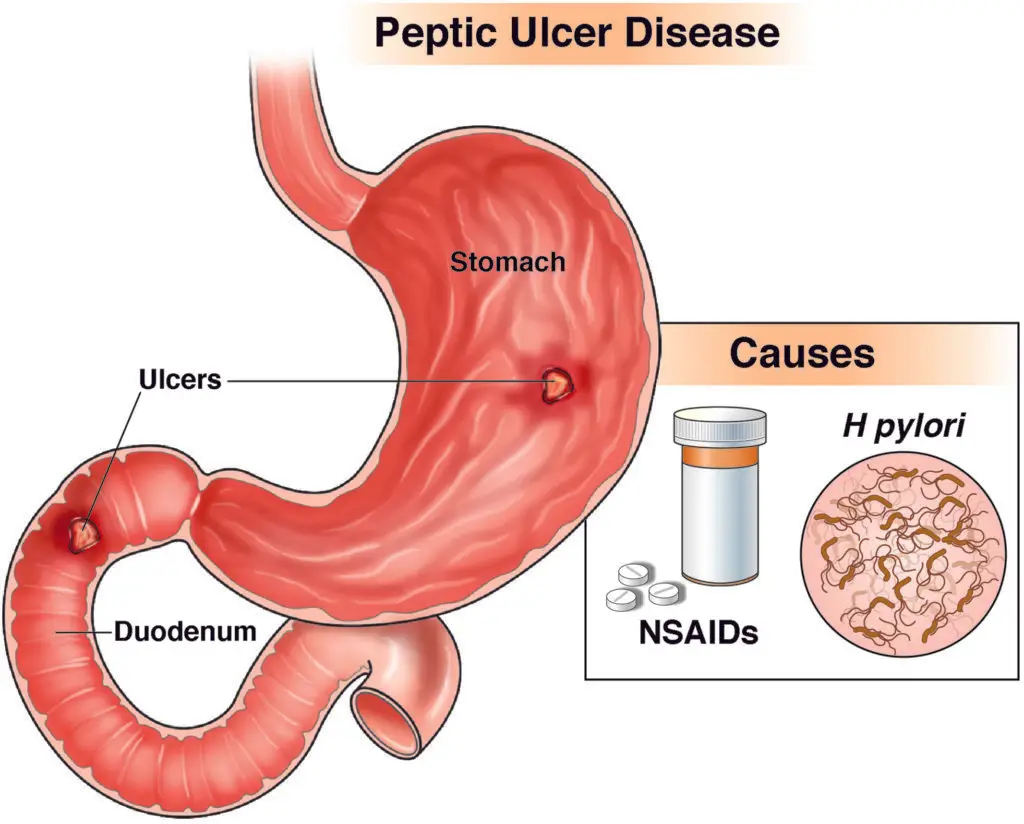
Category: Gastroenterology & Liver | Medical Specialist: Gastroenterologist/hepatologist; primary-care clinician | References: American College of Gastroenterology (ACG); American Association for the Study of Liver Diseases (AASLD); WHO; CDC Introduction: When “Just a Stomach Ache” Is More Than It Seems A burning sensation in the upper abdomen after a meal—or pain that wakes you at night—can be easy to dismiss as acidity or indigestion. But sometimes, that discomfort is your body’s way of signaling something more significant. Peptic Ulcer Disease (PUD) occurs when an open sore develops in the lining of the stomach or the first part of the small intestine, called the duodenum. Although ulcers can sound alarming, most can be successfully treated once their underlying cause is identified. The two leading causes are Helicobacter pylori (H. pylori) infection and regular use of nonsteroidal anti-inflammatory drugs (NSAIDs) such as ibuprofen, aspirin, and naproxen. The important shift in thinking is this: treating the pain alone is not the same as treating the ulcer. Effective care means finding out why the ulcer developed and addressing that cause. What Is Peptic Ulcer Disease? A peptic ulcer is essentially a break or sore in the protective lining of the stomach or duodenum. Your digestive system is designed to handle powerful stomach acid. A protective mucus barrier, blood flow, bicarbonate, and other mechanisms normally prevent that acid from damaging tissue. When these defenses are weakened—or damaging factors become too strong—an ulcer can develop. Peptic ulcers are generally classified into two main types: Type Location Common Characteristics Gastric ulcer Stomach lining Pain may become worse after eating Duodenal ulcer First part of small intestine Pain may occur when the stomach is empty or at night Importantly, symptoms don’t always follow textbook patterns. Some people with ulcers have few or no symptoms until a complication such as bleeding develops. The Two Major Causes of Peptic Ulcer Disease 1. H. pylori Infection One of the biggest discoveries in modern gastroenterology was recognizing that a bacterium—not simply “too much acid”—can cause many ulcers. H. pylori can survive in the stomach and contribute to inflammation and damage to the protective lining. Without treatment, infection can persist and increase the risk of peptic ulcers. Because H. pylori is an infection, simply taking an acid-reducing medicine may relieve symptoms without eliminating the underlying problem. That is why testing for H. pylori can be an important part of ulcer evaluation. 2. NSAID Painkillers Medicines such as ibuprofen, naproxen, and aspirin are extremely useful—but they can also increase the risk of ulcers and gastrointestinal bleeding. NSAIDs interfere with substances that help protect the stomach lining. The risk becomes greater with long-term use, higher doses, multiple NSAIDs, or combinations with other medicines that increase bleeding risk. This is particularly important because NSAIDs are often viewed as harmless simply because many are available without a prescription. A useful habit: Before regularly taking a painkiller for headaches, joint pain, dental pain, or other recurring discomfort, discuss the safest option with a healthcare professional—especially if you have previously had an ulcer. Other, Less Common Causes Not every ulcer is caused by H. pylori or NSAIDs. Less common causes and contributing conditions include: Doctors may investigate these possibilities when an ulcer does not behave as expected or returns despite appropriate treatment. Symptoms of Peptic Ulcer Disease The classic symptom is upper abdominal pain, which may feel burning, aching, or gnawing. However, the experience varies considerably from one person to another. Common symptoms include: Some people experience pain when their stomach is empty or during the night, while others may notice discomfort after eating. A symptom that deserves more attention: unexplained fatigue Persistent tiredness isn’t necessarily an ulcer symptom by itself. However, an ulcer that slowly bleeds can contribute to anemia, making fatigue, weakness, or breathlessness important symptoms to discuss with a healthcare professional. Peptic Ulcer Disease vs. Gastritis vs. Acid Reflux Stomach-related symptoms overlap considerably, which is why self-diagnosis can be misleading. Condition What is happening? Typical symptoms Peptic ulcer Open sore in stomach or duodenal lining Upper abdominal pain, nausea, possible bleeding Gastritis Inflammation or damage of stomach lining Pain, nausea, indigestion, fullness Acid reflux/GERD Stomach contents flow back into esophagus Heartburn, sour taste, chest/throat discomfort Functional dyspepsia Indigestion symptoms without an identifiable structural cause Fullness, bloating, upper abdominal discomfort The overlap is precisely why persistent or recurrent symptoms should not automatically be labeled “gas.” How Is Peptic Ulcer Disease Diagnosed? Diagnosis begins with your history. Your healthcare professional may ask about: Testing may then be used to identify the ulcer and determine its cause. H. pylori Tests Common tests include: Urea breath test: You consume a substance containing urea and then provide a breath sample. If H. pylori is present, the bacteria can produce detectable carbon dioxide. Stool antigen test: A stool sample is analyzed for evidence of H. pylori. Depending on the circumstances, other tests may also be appropriate. Upper GI Endoscopy An upper endoscopy allows a doctor to directly examine the esophagus, stomach, and duodenum using a flexible camera. It can help identify an ulcer, evaluate complications, and, when necessary, obtain tissue samples for laboratory examination. Treatment: Heal the Ulcer, Then Prevent It From Returning The best treatment strategy depends on the cause. Acid-Suppressing Medicines Doctors commonly use proton pump inhibitors (PPIs) to reduce stomach acid and give the ulcer time to heal. H2-receptor blockers and other medicines may also be used in selected situations. The goal isn’t simply to make the stomach “less acidic.” It is to create an environment in which damaged tissue can repair itself. If H. pylori Is the Cause Treatment typically involves a combination of medicines, including acid suppression and multiple antibiotics; some regimens also include bismuth. Current guidance emphasizes choosing therapy carefully because antibiotic resistance affects which regimens are appropriate. The American College of Gastroenterology’s 2024 guidance also recommends confirming that H. pylori has been eradicated after treatment, using an appropriate test of cure. Don’t stop antibiotics early simply because you feel better. Completing the prescribed treatment is