
Aug
13
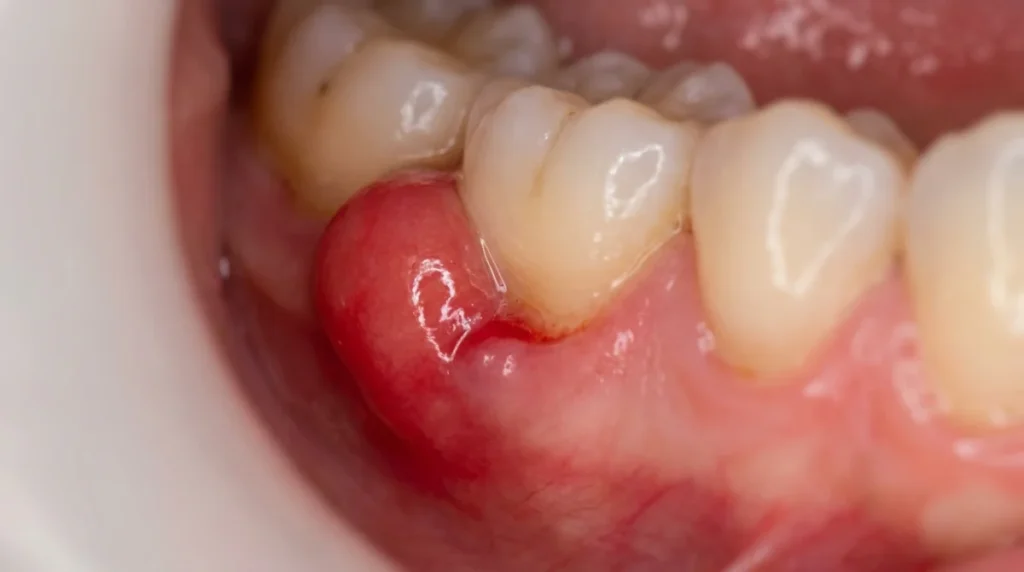
Category: Dental — Endodontics | Medical Specialist: Dentist; endodontist | References: American Association of Endodontists (AAE); ADA; NIDCR A tooth can look quiet on an X-ray and still be sitting on top of a long-standing infection. Then, almost seemingly overnight, the same tooth can become intensely painful, swollen, and extremely sensitive to biting. This sudden change is one reason dentists use the term Phoenix Abscess. A Phoenix Abscess refers to an acute exacerbation of a pre-existing chronic apical/periapical lesion. In other words, an infection that has been relatively silent becomes acutely inflamed and symptomatic. The clinical picture can resemble an acute apical abscess, but the important clue is often the evidence of an older periapical lesion on imaging. This distinction is more than terminology. It helps explain why a patient may say, “This tooth didn’t hurt yesterday,” even though disease around its root may have been developing for months or longer. Important: A Phoenix Abscess requires professional dental evaluation. Facial swelling, fever, difficulty swallowing, difficulty breathing, or rapidly spreading swelling can indicate a serious dental infection requiring urgent care. What Is a Phoenix Abscess? A Phoenix Abscess is generally described as the acute flare-up of an existing chronic apical inflammatory lesion associated with a non-vital or infected tooth. The process usually begins inside the tooth. Deep decay, trauma, cracks, or previous dental treatment can damage or kill the pulp. Once the pulp becomes necrotic, bacteria can colonize the root canal system. Bacterial products and inflammatory mediators can then move through the root tip into the surrounding tissues. The body’s immune system attempts to contain this infection around the root. Over time, a chronic periapical lesion may develop, sometimes with few or no noticeable symptoms. Then the balance can change. An increase in bacterial activity, changes in drainage, or other local factors can trigger an acute inflammatory response. Pain and swelling may suddenly appear. This acute flare-up is what is commonly called a Phoenix Abscess. Why the name “Phoenix”? The name is a memorable metaphor: a previously quiet lesion appears to “rise again” with acute symptoms. However, Phoenix Abscess is a descriptive clinical term rather than a universally used formal diagnostic category. Modern endodontic diagnosis generally focuses on specific pulpal and apical diagnoses such as pulp necrosis, symptomatic apical periodontitis, and acute apical abscess. The patient’s history and radiographic findings help clinicians understand whether an acute presentation represents an exacerbation of an older lesion. Phoenix Abscess vs Acute Apical Abscess These conditions can look remarkably similar clinically, which is why diagnosis should not rely on symptoms alone. Feature Phoenix Abscess Acute Apical Abscess Underlying disease Pre-existing chronic apical lesion May develop as a new acute infection Onset Sudden flare-up of an existing lesion Usually rapid Pain Often severe and spontaneous Often severe and spontaneous Swelling Common Common Tooth vitality Usually non-vital Usually non-vital Percussion sensitivity Common Common Periapical radiolucency Often already visible May be absent in very early disease Key diagnostic clue Evidence/history of previous chronic apical disease Acute clinical presentation without established chronic lesion A particularly useful insight is that an early acute apical infection may not immediately produce obvious bone destruction on an X-ray. Conversely, a visible periapical radiolucency suggests that the inflammatory process has existed long enough to produce detectable changes in the surrounding bone. So the radiograph is not simply a picture of “where the abscess is.” It can provide clues about how long the disease has been developing. What Causes a Phoenix Abscess? The underlying problem is usually an infected or necrotic pulp and an established periapical lesion. Common contributing causes include: 1. Untreated Dental Caries Deep tooth decay can penetrate through enamel and dentin and eventually reach the pulp. Initially, this may cause sensitivity or toothache. If the pulp becomes irreversibly inflamed and eventually dies, bacteria can establish themselves inside the root canal system. 2. Previous Dental Trauma A tooth can lose pulp vitality after an injury even when the crown looks relatively normal. This is particularly important with teeth that have experienced a previous blow, sports injury, fall, or accident. 3. Incomplete or Failed Root Canal Treatment A previously treated tooth can occasionally develop persistent or recurrent infection because of missed anatomy, inadequate disinfection, leakage, or reinfection. This does not mean every painful tooth after root canal treatment has a Phoenix Abscess. A dentist or endodontist needs to evaluate the tooth, treatment history, clinical findings, and imaging together. 4. Bacterial Re-activation of a Chronic Lesion A chronic apical lesion can remain relatively quiet before becoming acutely inflamed. Research on acute apical abscesses recognizes that acute symptoms can arise from an exacerbation of a previously chronic, often asymptomatic, periapical condition. Phoenix Abscess Symptoms The symptoms can appear suddenly and may be surprisingly intense. Typical signs and symptoms include: Acute apical infections commonly cause pain, swelling, and percussion sensitivity. More serious infections can produce fever, fatigue, lymph node enlargement, or spread into deeper facial and neck spaces. Can a Phoenix Abscess hurt after being painless? Yes. That is actually one of the most confusing features for patients. A chronic periapical lesion may produce little or no discomfort. When the inflammatory process becomes acute, the patient’s experience can change dramatically. A useful way to think about it is: Silent lesion → inflammatory flare-up → pressure and tissue inflammation → sudden pain and swelling. The absence of earlier pain therefore does not necessarily mean the tooth was healthy. How Is a Phoenix Abscess Diagnosed? Diagnosis usually combines several pieces of information rather than relying on one test. Dental history Your dentist may ask: This history can be particularly valuable when distinguishing a newly developed acute infection from an exacerbation of a pre-existing lesion. Clinical examination The dentist may examine: Pulp sensibility testing Because the affected tooth is generally associated with pulp necrosis, the dentist may perform cold or electrical pulp testing and compare the response with neighboring teeth. Dental X-rays Periapical radiographs are important because they can reveal a radiolucency around the root apex, widening of the