
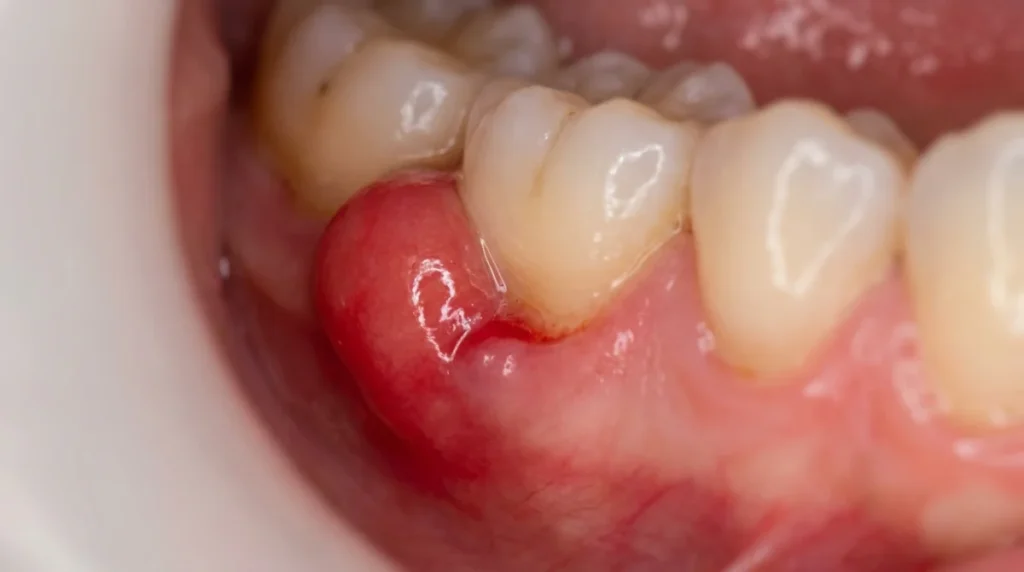
Category: Dental — Endodontics | Medical Specialist: Dentist; endodontist | References: American Association of Endodontists (AAE); ADA; NIDCR
A tooth can look quiet on an X-ray and still be sitting on top of a long-standing infection. Then, almost seemingly overnight, the same tooth can become intensely painful, swollen, and extremely sensitive to biting. This sudden change is one reason dentists use the term Phoenix Abscess.
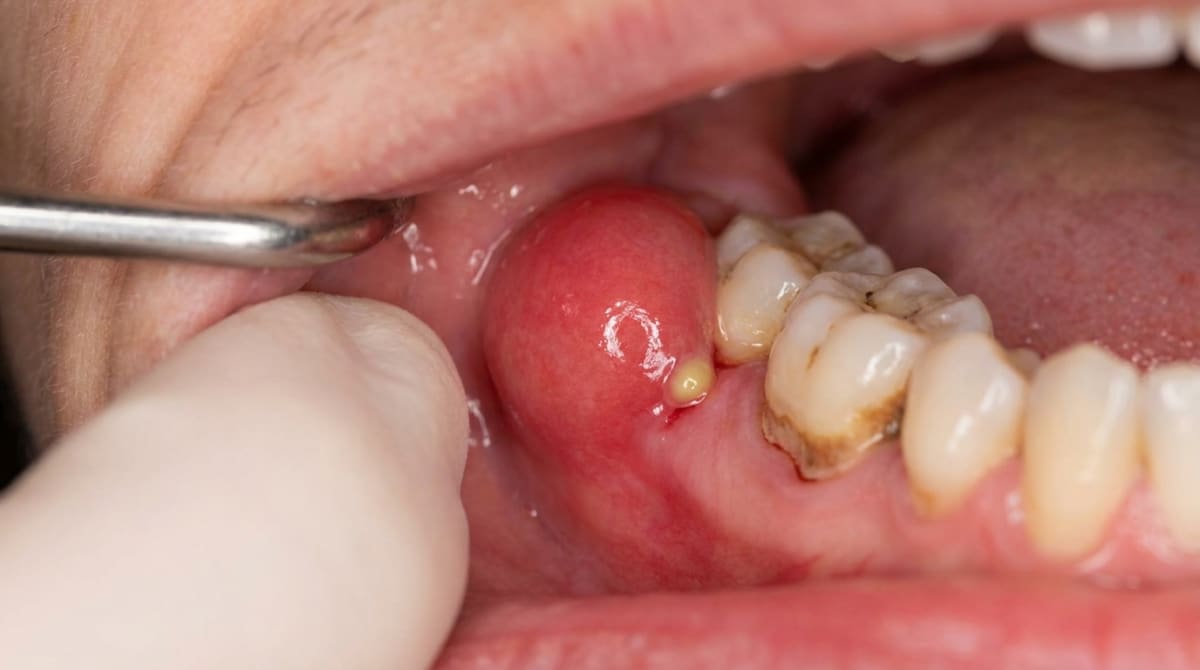
A Phoenix Abscess refers to an acute exacerbation of a pre-existing chronic apical/periapical lesion. In other words, an infection that has been relatively silent becomes acutely inflamed and symptomatic. The clinical picture can resemble an acute apical abscess, but the important clue is often the evidence of an older periapical lesion on imaging.
This distinction is more than terminology. It helps explain why a patient may say, “This tooth didn’t hurt yesterday,” even though disease around its root may have been developing for months or longer.
Important: A Phoenix Abscess requires professional dental evaluation. Facial swelling, fever, difficulty swallowing, difficulty breathing, or rapidly spreading swelling can indicate a serious dental infection requiring urgent care.
What Is a Phoenix Abscess?
A Phoenix Abscess is generally described as the acute flare-up of an existing chronic apical inflammatory lesion associated with a non-vital or infected tooth.
The process usually begins inside the tooth. Deep decay, trauma, cracks, or previous dental treatment can damage or kill the pulp. Once the pulp becomes necrotic, bacteria can colonize the root canal system. Bacterial products and inflammatory mediators can then move through the root tip into the surrounding tissues.
The body’s immune system attempts to contain this infection around the root. Over time, a chronic periapical lesion may develop, sometimes with few or no noticeable symptoms.
Then the balance can change.
An increase in bacterial activity, changes in drainage, or other local factors can trigger an acute inflammatory response. Pain and swelling may suddenly appear. This acute flare-up is what is commonly called a Phoenix Abscess.
Why the name “Phoenix”?
The name is a memorable metaphor: a previously quiet lesion appears to “rise again” with acute symptoms.
However, Phoenix Abscess is a descriptive clinical term rather than a universally used formal diagnostic category. Modern endodontic diagnosis generally focuses on specific pulpal and apical diagnoses such as pulp necrosis, symptomatic apical periodontitis, and acute apical abscess. The patient’s history and radiographic findings help clinicians understand whether an acute presentation represents an exacerbation of an older lesion.
Phoenix Abscess vs Acute Apical Abscess
These conditions can look remarkably similar clinically, which is why diagnosis should not rely on symptoms alone.
| Feature | Phoenix Abscess | Acute Apical Abscess |
|---|---|---|
| Underlying disease | Pre-existing chronic apical lesion | May develop as a new acute infection |
| Onset | Sudden flare-up of an existing lesion | Usually rapid |
| Pain | Often severe and spontaneous | Often severe and spontaneous |
| Swelling | Common | Common |
| Tooth vitality | Usually non-vital | Usually non-vital |
| Percussion sensitivity | Common | Common |
| Periapical radiolucency | Often already visible | May be absent in very early disease |
| Key diagnostic clue | Evidence/history of previous chronic apical disease | Acute clinical presentation without established chronic lesion |
A particularly useful insight is that an early acute apical infection may not immediately produce obvious bone destruction on an X-ray. Conversely, a visible periapical radiolucency suggests that the inflammatory process has existed long enough to produce detectable changes in the surrounding bone.
So the radiograph is not simply a picture of “where the abscess is.” It can provide clues about how long the disease has been developing.
What Causes a Phoenix Abscess?
The underlying problem is usually an infected or necrotic pulp and an established periapical lesion.
Common contributing causes include:
1. Untreated Dental Caries
Deep tooth decay can penetrate through enamel and dentin and eventually reach the pulp.
Initially, this may cause sensitivity or toothache. If the pulp becomes irreversibly inflamed and eventually dies, bacteria can establish themselves inside the root canal system.
2. Previous Dental Trauma
A tooth can lose pulp vitality after an injury even when the crown looks relatively normal.
This is particularly important with teeth that have experienced a previous blow, sports injury, fall, or accident.
3. Incomplete or Failed Root Canal Treatment
A previously treated tooth can occasionally develop persistent or recurrent infection because of missed anatomy, inadequate disinfection, leakage, or reinfection.
This does not mean every painful tooth after root canal treatment has a Phoenix Abscess. A dentist or endodontist needs to evaluate the tooth, treatment history, clinical findings, and imaging together.
4. Bacterial Re-activation of a Chronic Lesion
A chronic apical lesion can remain relatively quiet before becoming acutely inflamed. Research on acute apical abscesses recognizes that acute symptoms can arise from an exacerbation of a previously chronic, often asymptomatic, periapical condition.
Phoenix Abscess Symptoms
The symptoms can appear suddenly and may be surprisingly intense.
Typical signs and symptoms include:
- Severe or throbbing tooth pain
- Pain when biting or chewing
- Marked tenderness to percussion
- Swelling around the affected tooth
- Tenderness of the gum over the root
- A feeling that the tooth is “higher” than the surrounding teeth
- Pus or drainage
- Tooth mobility in some cases
- Facial swelling in more advanced infections
- Fever or malaise when infection becomes systemic
- Enlarged nearby lymph nodes
Acute apical infections commonly cause pain, swelling, and percussion sensitivity. More serious infections can produce fever, fatigue, lymph node enlargement, or spread into deeper facial and neck spaces.
Can a Phoenix Abscess hurt after being painless?
Yes.
That is actually one of the most confusing features for patients.
A chronic periapical lesion may produce little or no discomfort. When the inflammatory process becomes acute, the patient’s experience can change dramatically.
A useful way to think about it is:
Silent lesion → inflammatory flare-up → pressure and tissue inflammation → sudden pain and swelling.
The absence of earlier pain therefore does not necessarily mean the tooth was healthy.
How Is a Phoenix Abscess Diagnosed?
Diagnosis usually combines several pieces of information rather than relying on one test.
Dental history
Your dentist may ask:
- When did the pain begin?
- Has this tooth hurt previously?
- Was there an old filling or crown?
- Has the tooth had root canal treatment?
- Was there previous trauma?
- Have you noticed swelling or drainage?
This history can be particularly valuable when distinguishing a newly developed acute infection from an exacerbation of a pre-existing lesion.
Clinical examination
The dentist may examine:
- Tooth discoloration
- Gum swelling
- Sinus tract or drainage
- Tooth mobility
- Tenderness to percussion
- Tenderness to palpation
- Periodontal probing
- Bite-related pain
Pulp sensibility testing
Because the affected tooth is generally associated with pulp necrosis, the dentist may perform cold or electrical pulp testing and compare the response with neighboring teeth.
Dental X-rays
Periapical radiographs are important because they can reveal a radiolucency around the root apex, widening of the periodontal ligament space, or other changes associated with apical disease.
However, a radiograph should never be interpreted in isolation. Clinical examination, pulp testing, symptoms, history, and imaging need to be considered together.
Phoenix Abscess Treatment
The central principle of treatment is simple:
Remove the source of infection.
Painkillers may make the patient more comfortable, and antibiotics may sometimes be necessary, but neither substitutes for definitive dental treatment.
1. Root Canal Treatment
If the tooth can be saved, nonsurgical root canal treatment is usually aimed at removing infected or necrotic tissue, cleaning and disinfecting the canal system, and sealing it against further bacterial contamination.
Treatment of apical disease focuses on reducing intracanal microorganisms and preventing reinfection. Healing of the surrounding periapical lesion can then occur over time.
2. Drainage
If there is a localized collection of pus, drainage may be necessary.
Depending on the location and circumstances, drainage may occur through the root canal or through an incision performed by the dentist.
The purpose is to reduce pressure and bacterial load while addressing the underlying source.
3. Extraction
When a tooth cannot be predictably restored or successfully treated endodontically, extraction may be considered.
The goal is not simply to remove the painful tooth. It is to eliminate the source of infection.
4. Antibiotics
This is an area where patient expectations and modern evidence often differ.
Antibiotics are not automatically required for every dental abscess. The American Dental Association recommends prioritizing definitive dental treatment such as root canal treatment, pulpectomy, or drainage for many localized pulpal and periapical conditions in otherwise healthy adults. Antibiotics become more appropriate when there is systemic involvement or spreading infection, such as fever, malaise, lymph node involvement, or significant cellulitis.
In practical terms:
Antibiotics can help control certain infections, but they do not remove the infected tooth or disinfect an infected root canal.
That is why taking leftover antibiotics at home and postponing dental treatment can be a dangerous strategy.
When Is a Phoenix Abscess an Emergency?
Seek urgent dental evaluation if you develop:
- Rapidly increasing facial or jaw swelling
- Fever or significant weakness
- Difficulty swallowing
- Difficulty breathing
- Swelling extending toward the eye or neck
- Difficulty opening the mouth
- Significant swelling under the tongue or jaw
Dental infections can spread into facial and neck spaces. In severe cases, infections involving the floor of the mouth can threaten the airway.
These symptoms should not be managed by simply waiting for antibiotics or painkillers to work.
How Can You Prevent a Phoenix Abscess?
Prevention starts long before an abscess appears.
Protect the pulp
Good brushing with fluoride toothpaste, interdental cleaning, and regular dental examinations help reduce the risk of untreated decay progressing toward the pulp.
Don’t ignore a “dead” tooth
A tooth that stops hurting after a period of severe toothache is not necessarily cured. In some situations, the loss of pain can occur because the pulp has become necrotic.
Follow up after dental trauma
A traumatized tooth may require monitoring even if it initially looks normal.
Maintain quality after root canal treatment
A root canal-treated tooth still needs a durable restoration and appropriate follow-up. A properly treated and restored tooth has a much better chance of remaining functional than one left structurally compromised.
Key Insights at a Glance
| Question | Key Takeaway |
| What is a Phoenix Abscess? | An acute flare-up associated with an existing chronic apical lesion |
| Why does it happen? | Usually because infection associated with a necrotic pulp becomes acutely inflammatory |
| Is it always painful? | The chronic lesion may be quiet, but the flare-up can cause severe pain |
| Can an X-ray help? | Yes; an established periapical radiolucency can support the history of chronic disease |
| Is root canal treatment always needed? | If the tooth is restorable, endodontic treatment is commonly used to eliminate the infection |
| Are antibiotics always needed? | No; localized infections often require definitive dental treatment rather than antibiotics alone |
| Can it spread? | Yes. Severe dental infections can extend into facial and neck spaces |
| Can it be prevented? | Early treatment of decay, trauma follow-up, good oral hygiene, and appropriate dental care reduce risk |
The Bigger Lesson: Pain Is Often the Last Chapter, Not the First
One of the most important things to understand about a Phoenix Abscess is that the sudden appearance of pain does not necessarily mean the disease suddenly began.
The infection may have been developing quietly around the root for some time.
That is why a sudden swollen, painful tooth deserves more than temporary relief. The real question is not simply, “How can I make this pain disappear?”
It is:
“Why did this tooth become infected, and how can the source of that infection be eliminated?”
For a restorable tooth, timely endodontic treatment can often address the source and allow the surrounding tissues to heal. For a tooth with a poor prognosis, extraction may be the safer definitive option. Either way, professional diagnosis is essential.
Frequently Asked Questions About Phoenix Abscess
Is a Phoenix Abscess the same as a dental abscess?
Not exactly. A Phoenix Abscess traditionally describes an acute exacerbation of a pre-existing chronic apical lesion. Clinically, it can resemble an acute apical abscess, so the patient’s history and radiographic findings are important.
Can a Phoenix Abscess occur after root canal treatment?
An acute flare-up can occur in a previously treated tooth, but not every post-treatment flare-up should automatically be called a Phoenix Abscess. The dentist needs to determine whether persistent or recurrent infection, procedural factors, or another cause is responsible.
Will a Phoenix Abscess go away on its own?
Symptoms can sometimes temporarily decrease, particularly if drainage occurs, but that does not mean the underlying infection has disappeared. Definitive dental assessment is still necessary.
Does a Phoenix Abscess always require antibiotics?
No. Current ADA guidance recommends against routine systemic antibiotics for many localized pulpal and periapical conditions in otherwise healthy adults. Definitive dental treatment is usually the priority. Antibiotics may be indicated when there is systemic involvement or spreading infection.
Can the affected tooth be saved?
Often, potentially—if sufficient healthy tooth structure remains and the infection can be predictably managed. Root canal treatment and appropriate restoration may allow a restorable tooth to remain functional.
Conclusion
A Phoenix Abscess is a powerful reminder that dental disease does not always announce itself early. A chronic infection around a tooth’s root can remain relatively quiet before suddenly producing intense pain, swelling, and tenderness.
Recognizing the pattern helps explain the sudden change, but diagnosis requires a dental examination, pulp testing, and appropriate imaging.
Most importantly, don’t treat the disappearance of pain as proof that the infection is gone. The goal of treatment is to eliminate the source of infection—not simply silence the symptoms.
If you have persistent tooth pain, swelling, pus, or a previously treated tooth that has suddenly become painful, arrange a dental evaluation promptly.
Ready to take the next step?
Don’t wait for a dental infection to become an emergency. Book a dental examination, follow your dentist’s treatment plan, and explore your related dental-health resources for practical guidance on root canal treatment, dental abscesses, tooth decay, and oral infection prevention.
Suggested internal links for your website:
- Understanding Dental Abscess: Causes, Symptoms & Treatment
- Root Canal Treatment: Procedure, Benefits & Aftercare
- Dental Caries: Causes, Symptoms & Treatment
- Understanding Periodontitis: Symptoms, Stages & Treatment
- Common Dental Emergencies and When to See a Dentist
Suggested visual elements:
- Featured image: Isometric dental illustration showing an infected tooth root, periapical lesion, swelling, and a dentist examining an X-ray.
- Infographic: “How a Phoenix Abscess Develops” — Pulp infection → pulp necrosis → chronic apical lesion → acute exacerbation → pain/swelling → definitive treatment.
- Comparison graphic: Phoenix Abscess vs Acute Apical Abscess.
- Clinical illustration: Periapical X-ray showing a radiolucent lesion around the root apex.