
Aug
14
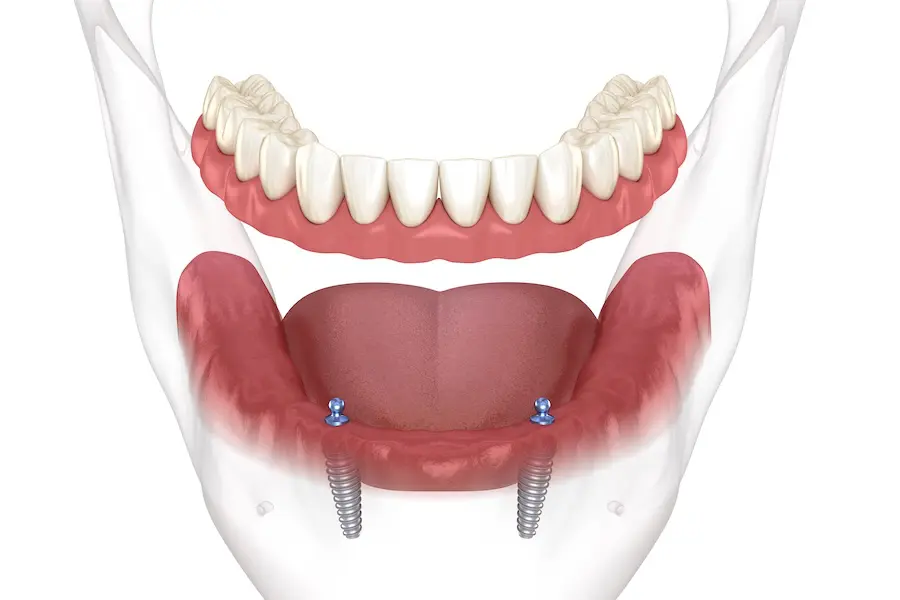
Category: Dental — Prosthodontics & Implants | Medical Specialist: Prosthodontist; implant dentist; oral and maxillofacial surgeon when indicated | References: American College of Prosthodontists (ACP); ADA; AAOMS Introduction: When “Loose Dentures” Become More Than an Annoyance A denture that moves when you chew, slips while you speak, or needs repeated adhesive can gradually change how you eat and socialize. For many people who have lost most or all of their teeth, the problem isn’t simply replacing missing teeth—it’s creating a prosthesis that feels secure enough to function naturally. That is where Overdentures can make a meaningful difference. Unlike conventional complete dentures, overdentures are designed to gain additional support or retention from remaining natural teeth, tooth roots, dental implants, or specially designed attachments. The result can be a more stable prosthesis without necessarily moving directly to a fixed implant-supported bridge. Recent research is particularly encouraging for implant-retained overdentures. A 2026 systematic review found that patients who transitioned from conventional complete dentures to implant-retained overdentures generally experienced improvements in satisfaction and oral-health-related quality of life. But are overdentures right for everyone? And how do they compare with conventional dentures? Let’s take a closer look. What Are Overdentures? An overdenture is a removable dental prosthesis that fits over and receives support from something beneath it. Depending on the patient’s oral condition, that support may come from: This makes overdentures different from conventional dentures, which depend primarily on the shape of the gums and underlying jawbone for support and retention. One of the most important distinctions is that an overdenture is not automatically an implant denture. Some overdentures are tooth-supported, while others are retained by implants. Why Do People Need Overdentures? The need for an overdenture usually develops from extensive tooth loss or difficulty obtaining adequate stability from conventional dentures. Common Causes 1. Extensive Tooth Loss When many teeth are missing, there may not be enough natural teeth remaining to support a conventional fixed restoration. An overdenture can replace the missing teeth while using selected remaining teeth or implants for additional support. 2. Poor Denture Retention Lower complete dentures are particularly prone to movement because the tongue, cheeks and lips constantly influence their position. An implant-retained overdenture can provide mechanical retention, reducing unwanted movement during everyday activities. Research has consistently investigated implant-retained mandibular overdentures as a way to improve retention and stability compared with conventional complete dentures. 3. Jawbone Resorption After tooth extraction, the alveolar bone gradually remodels and may shrink over time. This can make an old denture increasingly unstable. However, implant treatment is not simply about “stopping bone loss.” Treatment planning must consider existing bone volume, anatomy, systemic factors, prosthetic space and long-term maintenance. 4. Difficulty Eating or Speaking Repeated denture movement can make certain foods difficult to chew and may affect speech confidence. A more stable prosthesis can help patients regain confidence in everyday activities, although the degree of improvement varies from person to person. 5. Remaining Teeth That Can Still Be Used Sometimes the best solution isn’t to remove every remaining tooth. If selected teeth have a reasonable prognosis, they may be modified and incorporated into a tooth-supported overdenture. This approach can preserve natural tooth structures and provide additional proprioceptive feedback. That decision, however, requires careful periodontal, restorative and prosthodontic evaluation. Overdentures vs Conventional Dentures vs Fixed Implant Prostheses Choosing a prosthesis is less about finding the “best” option and more about finding the option that matches the patient’s anatomy, health, expectations, finances and ability to maintain it. Feature Conventional Denture Overdenture Fixed Implant Prosthesis Removable Yes Usually yes Usually no Natural teeth/root support No Sometimes No Implant support No Often Yes Stability Moderate to variable Usually improved Generally high Surgical treatment No May or may not require implants Usually required Cleaning Relatively simple Requires prosthesis and attachment care Requires meticulous home care Maintenance Relining/replacement may be needed Attachment and denture maintenance Implant and prosthetic maintenance Cost Generally lower Moderate to high Generally higher The important takeaway is that more expensive does not automatically mean more appropriate. For a patient with two healthy strategic teeth, a tooth-supported overdenture may be a sensible option. For someone with severe mandibular denture instability and suitable bone, an implant-retained overdenture may provide a substantial functional improvement. Types of Overdentures 1. Tooth-Supported Overdentures These are designed over retained natural teeth or prepared roots. The remaining teeth may receive special restorations or attachments that help support and stabilize the prosthesis. Potential advantages include: The downside is that the remaining teeth must be carefully selected and maintained. Root caries, periodontal disease and endodontic problems can compromise the treatment. 2. Implant-Retained Overdentures Implants can be placed in the jaw and connected to the removable denture using attachments. Common attachment designs include: There is no single attachment that is universally superior. A systematic review found broadly similar marginal bone-loss outcomes between ball and locator attachments, while also noting substantial variation among studies. 3. Mandibular Overdentures The lower jaw is a particularly important application because conventional mandibular dentures can be difficult to stabilize. Two-implant mandibular overdentures have long been an important evidence-based treatment approach, although newer research continues to examine alternatives such as single-implant and narrow-diameter implant designs. A 2026 systematic review found that single midline implant overdentures may be a suitable alternative for selected patients, but emphasized that current evidence is not strong enough to make them a universal replacement for two-implant protocols. Symptoms and Signs That May Suggest You Need More Denture Support Strictly speaking, overdentures do not have “symptoms” because they are a treatment rather than a disease. Instead, patients usually notice problems associated with inadequate denture support or tooth loss. Watch for: A loose denture isn’t necessarily a sign that you immediately need implants. Sometimes the issue is simply an old denture, inadequate fit, changes in the supporting tissues, or an incorrect bite. That is why a professional assessment matters. How Are Overdentures Diagnosed and Planned? The treatment begins with evaluation rather than simply choosing an attachment. A dentist or prosthodontist may assess: Oral Examination