
Aug
14
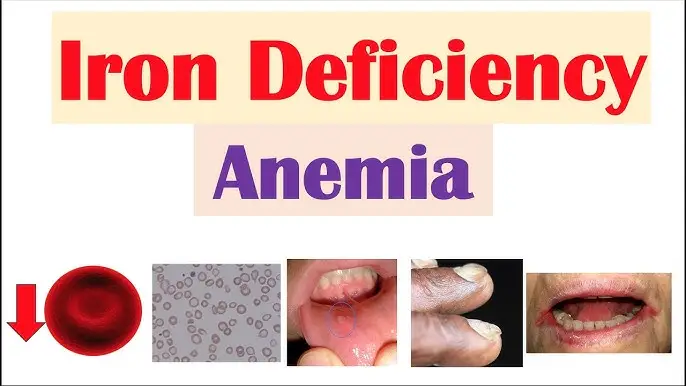
Category: Hematology | Medical Specialist: Hematologist; oncologist for hematologic cancers; primary-care clinician as appropriate | References: American Society of Hematology (ASH); National Cancer Institute (NCI); WHO Introduction: When “I’m Just Tired” Isn’t the Whole Story You sleep reasonably well, get through the day, and yet somehow feel as though your battery never reaches 100%. Climbing stairs leaves you unusually breathless. Your concentration slips. You may even find yourself craving ice. These symptoms are easy to blame on stress, a busy schedule, or lack of sleep. But sometimes the missing piece is Iron Deficiency Anemia—a condition in which the body does not have enough iron to make adequate amounts of hemoglobin, the protein that allows red blood cells to carry oxygen. Iron deficiency is the most common nutritional cause of anemia worldwide. However, anemia is not synonymous with iron deficiency: blood loss, infections, inflammation, vitamin deficiencies, inherited blood disorders, and chronic diseases can also cause anemia. That distinction matters. Treating the number on a blood test without discovering why iron is low can mean missing the real problem. What Is Iron Deficiency Anemia? Think of iron as an essential raw material for your body’s oxygen-delivery system. Your bone marrow uses iron to produce hemoglobin. Hemoglobin sits inside red blood cells and carries oxygen from your lungs to tissues throughout the body. When iron stores fall far enough, hemoglobin production becomes impaired, resulting in iron deficiency anemia. Iron deficiency can actually exist before anemia develops. This is one reason someone may experience fatigue or reduced physical performance even when their hemoglobin has not yet fallen dramatically. Iron Deficiency vs. Iron Deficiency Anemia Condition What it means What may be found Iron deficiency The body’s iron stores are too low Low iron stores, sometimes before anemia Anemia Hemoglobin or red-cell levels are below the expected range Reduced oxygen-carrying capacity Iron deficiency anemia Iron deficiency has become severe enough to cause anemia Low hemoglobin plus evidence of iron deficiency This is why a complete evaluation may involve more than simply checking hemoglobin. What Causes Iron Deficiency Anemia? There isn’t always one simple cause. In practice, iron deficiency usually develops because the body is losing iron, not absorbing enough, consuming too little, or needing more than usual. 1. Blood Loss Chronic blood loss is one of the most important causes. For people who menstruate, heavy periods can gradually drain iron stores. Heavy menstrual bleeding should not simply be accepted as “normal” if it is affecting daily life or causing anemia. Blood can also be lost from the gastrointestinal tract. Possible causes include ulcers, inflammatory bowel disease, certain gastrointestinal disorders, and—in some cases—cancers. Regular use of medicines such as aspirin or NSAIDs, including ibuprofen and naproxen, can also contribute to gastrointestinal bleeding. Other causes include: 2. Increased Iron Requirements Some stages of life dramatically increase the body’s demand for iron. Pregnancy is a major example because iron is needed to support increased blood production and the developing baby. Children and teenagers can also have increased requirements during periods of rapid growth. 3. Not Getting Enough Iron A diet consistently low in iron can contribute to deficiency. This may occur with a poorly balanced diet, restricted eating patterns, inadequate food intake, or limited access to iron-rich foods. Plant-based diets can absolutely provide adequate iron, but food choices and absorption deserve attention because plant foods primarily provide non-heme iron, which is absorbed differently from heme iron found in animal foods. 4. Difficulty Absorbing Iron Sometimes the problem isn’t what you eat—it’s what your body can absorb. Conditions such as celiac disease, Crohn’s disease, ulcerative colitis, and Helicobacter pylori infection can interfere with iron status. Previous surgery involving the stomach or intestines can also affect absorption. This creates an important clinical clue: if iron deficiency keeps returning despite appropriate treatment, the question should shift from “Which iron tablet should I take?” to “Why am I losing or failing to absorb iron?” Symptoms of Iron Deficiency Anemia Iron deficiency anemia can develop gradually, allowing people to adapt to symptoms without realizing anything is wrong. Common symptoms include: More distinctive symptoms can include: Pica is particularly interesting because it can be overlooked. A person who constantly chews ice may think it is simply a habit, while it can sometimes be associated with iron deficiency. A Useful Comparison: Iron Deficiency Anemia vs. Other Types of Anemia Not every low hemoglobin result means you need iron. Feature Iron Deficiency Anemia Vitamin B12 Deficiency Anemia of Chronic Disease Main problem Insufficient iron Insufficient B12 Inflammation alters iron use and red-cell production Typical red-cell pattern Often small cells Often larger cells Variable, often normal or mildly small Common clues Blood loss, low iron intake, malabsorption Neurologic symptoms, dietary or absorption issues Chronic infection, inflammation, kidney or other disease Treatment Replace iron and address the cause Replace B12 Treat underlying condition; therapy varies Should iron automatically be taken? Only when deficiency is established or strongly suspected No Not necessarily This is why self-diagnosing anemia based solely on fatigue is risky. Different causes require different treatments. How Is Iron Deficiency Anemia Diagnosed? Diagnosis usually begins with a complete blood count (CBC). Doctors may look at hemoglobin, hematocrit, red-cell size, and other red blood cell measurements. Iron status may then be assessed using tests such as: Ferritin is particularly useful for assessing iron stores, although inflammation can affect its interpretation. The diagnosis should therefore be considered in the context of the person’s symptoms, medical history, examination, and other laboratory findings. Most importantly, diagnosis should not end with “your iron is low.” Finding the Cause Is Part of the Treatment For example: Low iron + heavy menstrual bleeding may point toward ongoing menstrual blood loss. Low iron + gastrointestinal symptoms may prompt evaluation for digestive disease or bleeding. Low iron that repeatedly returns after supplementation may raise concern about ongoing blood loss or impaired absorption. That detective work is often what prevents the problem from becoming a cycle of temporary improvement followed by relapse. Treatment for Iron Deficiency