
Aug
14
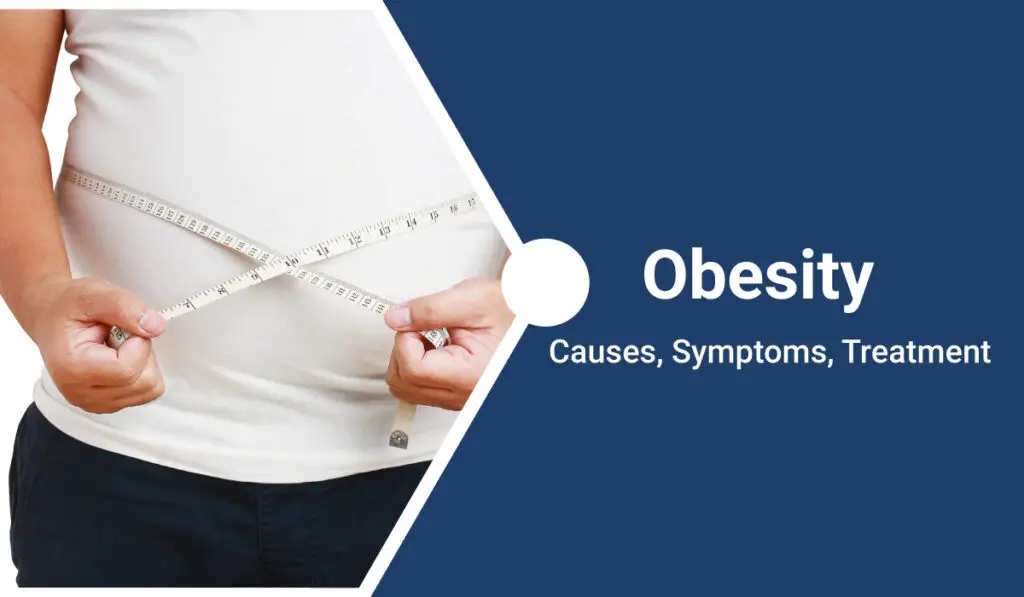
Category: General Medicine — Metabolic & Endocrine | Medical Specialist: Endocrinologist; primary-care physician; relevant subspecialist | References: American Diabetes Association (ADA); American Association of Clinical Endocrinology (AACE); Endocrine Society; WHO Introduction: Obesity Is More Than a Number on a Scale What if obesity had less to do with willpower—and much more to do with biology, environment, sleep, stress, medications, genetics and the world around us? That shift in perspective matters. Obesity is a chronic, complex disease involving excessive or abnormal fat accumulation that can affect nearly every major body system. The World Health Organization (WHO) describes obesity as a chronic, relapsing disease influenced by genetic, biological, behavioural, environmental and social factors. The scale can be useful, but it does not tell the whole story. Two people with the same weight may have very different health risks depending on where they carry fat, their metabolic health, activity levels and existing medical conditions. And obesity is becoming increasingly common. According to the WHO, 1 in 8 people worldwide were living with obesity in 2022, while adult obesity has more than doubled since 1990. Understanding obesity, therefore, is not about assigning blame. It is about identifying the factors involved and choosing an effective, sustainable treatment strategy. What Is Obesity? Obesity occurs when excess body fat accumulates to a level that may negatively affect health. For adults, body mass index (BMI) is commonly used as an initial screening measure: BMI in Adults General Classification Below 18.5 Underweight 18.5–24.9 Healthy range 25.0–29.9 Overweight 30 or above Obesity BMI is calculated from weight and height, but it is not a direct measurement of body fat. A muscular person, for example, may have a high BMI without having excessive body fat. Waist circumference and fat distribution can provide additional information about health risk. Recent clinical guidance also places greater emphasis on central adiposity—fat concentrated around the abdomen. NICE recommends considering waist-to-height ratio alongside BMI in appropriate adults because abdominal fat can provide additional information about cardiometabolic risk. A Better Question Than “How Much Do You Weigh?” Instead of looking only at weight, clinicians increasingly consider: This broader assessment helps transform weight management from a simple “lose weight” instruction into an individualized health plan. What Causes Obesity? There is rarely one single cause. A common explanation is that obesity develops when energy intake consistently exceeds energy expenditure. While this is biologically true, it is an incomplete explanation. WHO recognizes obesity as a multifactorial disease involving genetics, neurobiology, eating behaviours, environmental conditions, food availability and broader social factors. 1. Diet and Eating Patterns Frequent consumption of energy-dense foods and sugar-sweetened beverages can make it easier to consume more calories than the body needs. Large portions, frequent snacking, highly processed foods and liquid calories can contribute to gradual weight gain. The important point is that one meal does not cause obesity. Weight gain is usually the result of patterns repeated over weeks, months and years. 2. Physical Inactivity Modern lifestyles have reduced everyday movement. Desk-based work, long commutes, increased screen time and dependence on motorized transport can reduce energy expenditure. Exercise is not only about burning calories. Regular movement also supports cardiovascular health, muscle strength, insulin sensitivity, mood and sleep. 3. Genetics and Biology Genes can influence appetite, hunger signals, fat distribution, metabolism and how the body responds to weight loss. This helps explain why two people can follow seemingly similar lifestyles yet experience very different changes in weight. 4. Sleep and Stress Poor sleep can affect appetite regulation and food choices. Chronic stress may also influence eating behaviour, physical activity and hormonal pathways involved in weight regulation. A sustainable obesity-management plan should therefore look beyond the dinner plate. 5. Medical Conditions and Medications Some medical conditions can contribute to weight gain, while certain medications may also affect body weight. Examples can include some medicines used for mental health conditions, diabetes, seizures and other chronic diseases. This does not mean someone should stop a prescribed medicine because of weight gain. Instead, discuss concerns with a healthcare professional who can determine whether an alternative treatment is appropriate. 6. Environment and Social Factors Healthy choices are easier when healthy food is affordable and accessible, safe spaces for physical activity exist, and people have enough time and support to prioritize health. WHO emphasizes that obesity is influenced by the environments in which people live—not simply individual decisions. Symptoms of Obesity Unlike an infection or acute illness, obesity does not always produce a single obvious symptom. Some people may feel completely well while excess body fat is gradually increasing their risk of future disease. Possible signs or associated symptoms include: Importantly, not every symptom in a person with obesity is necessarily caused by their weight. NICE specifically warns clinicians against “diagnostic overshadowing”—assuming every health problem is caused by obesity and overlooking another diagnosis. Health Risks and Complications of Obesity Obesity can affect multiple systems rather than just appearance or body size. According to the National Institute of Diabetes and Digestive and Kidney Diseases (NIDDK), obesity is associated with conditions including type 2 diabetes, high blood pressure, heart disease, stroke, fatty liver disease, certain cancers, osteoarthritis, kidney disease, breathing problems and gallbladder disease. Area Affected Possible Complications Heart & blood vessels High blood pressure, heart disease, stroke Metabolism Insulin resistance, type 2 diabetes Liver Fatty liver disease Respiratory system Sleep apnea, breathing difficulties Musculoskeletal system Osteoarthritis, joint pain Digestive system Gallbladder and pancreatic problems Kidneys Increased risk of kidney disease Reproductive health Fertility and pregnancy-related problems Mental wellbeing Psychological distress and reduced quality of life The risk generally increases with the amount and distribution of excess body fat, although individual risk varies. Obesity vs. Being Overweight: What Is the Difference? The terms are related but not identical. Overweight generally refers to a BMI of 25 or higher in adults, while obesity generally begins at a BMI of 30. However, BMI is only a screening tool and should be interpreted alongside other clinical information. The comparison becomes especially important because health risks do not suddenly