
Aug
13
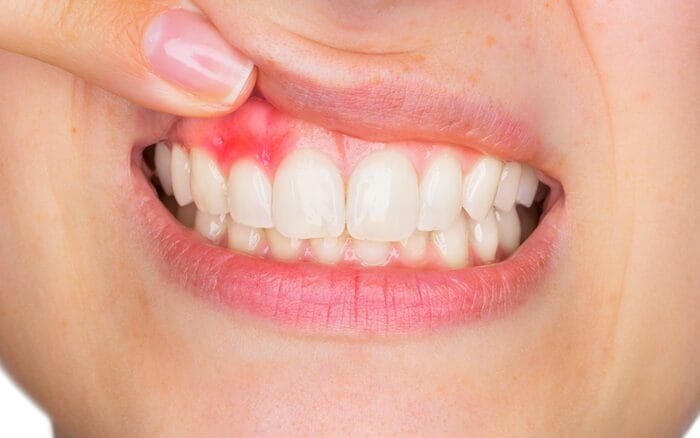
Category: Dental — Periodontal | Medical Specialist: Dentist; periodontist | References: American Dental Association (ADA); American Academy of Periodontology (AAP); NIDCR Introduction: When Bleeding Gums Are Trying to Tell You Something You brush your teeth, spit into the sink—and notice a little pink in the foam. It is easy to think, “I probably brushed too hard.” But if bleeding happens repeatedly, your gums may be sending you an important warning. Gingivitis is the earliest and generally reversible form of gum disease. It occurs when plaque—a sticky film containing bacteria—builds up around the teeth and irritates the gum tissue. Common signs include redness, swelling, tenderness and bleeding during brushing or cleaning between the teeth. The encouraging part is that gingivitis does not have to become a long-term dental problem. With appropriate oral hygiene and professional care when necessary, inflamed gums can often return to a healthier state. The mistake is not noticing gingivitis. The bigger mistake is noticing it and assuming it will simply disappear. Quick takeaway: Healthy gums generally should not bleed regularly during routine brushing or interdental cleaning. Persistent bleeding deserves attention. What Is Gingivitis? Gingivitis is inflammation of the gingiva—the soft tissue surrounding and supporting the teeth. The most common trigger is dental plaque. When plaque is not removed effectively, it accumulates along the gumline. Bacteria and their by-products can trigger an inflammatory response, causing the gums to become red, swollen and prone to bleeding. Importantly, gingivitis is different from advanced periodontal disease. In uncomplicated gingivitis, inflammation occurs without the attachment and bone destruction characteristic of periodontitis. That distinction matters because early action can prevent a relatively manageable problem from progressing. Gingivitis vs Periodontitis: What Is the Difference? People often use “gum disease” as if it describes one condition. In reality, gum problems exist on a spectrum. Feature Gingivitis Periodontitis Main problem Gum inflammation Inflammation with destruction of supporting tissues Typical signs Red, swollen or bleeding gums Bleeding, gum recession, pockets, possible loose teeth Bone loss Generally absent May occur Reversible? Usually reversible with appropriate care Damage may require more complex treatment Typical management Improved plaque control and professional cleaning when needed Periodontal treatment, deeper cleaning and sometimes surgery Importance of early care Very high Critical to control disease progression The American Dental Association explains that when disease progresses beyond gingivitis, plaque can become trapped in periodontal pockets that are difficult to clean with ordinary brushing. Advanced gum disease can ultimately contribute to bone and tooth loss. The practical lesson: bleeding gums are not something to panic about—but they are something to investigate. What Causes Gingivitis? 1. Plaque buildup The primary cause is inadequate removal of plaque around the teeth and gumline. Plaque continuously forms, so oral hygiene is not a “clean once and you’re done” process. If plaque remains in place, it can irritate gingival tissue. Over time, plaque can also harden into tartar (calculus), which cannot be removed effectively with ordinary brushing and requires professional cleaning. 2. Inconsistent interdental cleaning A toothbrush cannot adequately clean every surface between tightly positioned teeth. Floss, interdental brushes and other interdental cleaners can help reach these areas. The ADA recommends cleaning between teeth daily, with the specific method selected according to individual needs. 3. Smoking and tobacco use Smoking is an important risk factor for gum disease. Tobacco can affect oral tissues and make maintaining healthy gums more difficult. Stopping tobacco use is therefore not simply a general health recommendation—it is also part of protecting periodontal health. 4. Hormonal changes Hormonal changes can make gum tissues more susceptible to inflammation. Pregnancy, for example, can be associated with increased gum sensitivity and inflammation. This is one reason pregnancy should not mean skipping dental appointments. Instead, oral hygiene may need extra attention during hormonal changes. 5. Diabetes and other health factors Diabetes is associated with an increased risk of gum disease. Genetics, certain medications, stress, nutrition and other medical factors may also influence periodontal health. This highlights an important point: gingivitis is not always simply a matter of brushing “better.” Your overall health and circumstances can influence your gums too. Symptoms of Gingivitis Gingivitis can be surprisingly subtle. Pain is not always present, which is why some people ignore it. Common symptoms include: The NHS lists bleeding, redness, swelling and soreness among common symptoms of gum disease and advises dental assessment when these problems persist. Is bleeding while brushing normal? Occasional irritation can happen, especially if you have recently changed your cleaning routine. But repeated gum bleeding should not simply be accepted as normal. A useful mindset is to treat bleeding as information. Instead of thinking, “My gums always bleed,” ask: “Why are my gums bleeding, and what can I change?” That small change in thinking can encourage earlier dental care. What Increases Your Risk? Several factors can increase susceptibility to gum inflammation. Risk factor Why it matters Poor plaque control Allows bacterial plaque to remain around the gums Tobacco use Increases risk of gum disease Diabetes Can increase susceptibility to periodontal problems Hormonal changes May increase gum sensitivity and inflammation Certain medications Some can produce oral side effects Crooked or crowded teeth Can make plaque removal more difficult Poor nutrition May affect overall oral and systemic health Stress Can indirectly affect oral hygiene and health behaviours Not everyone with a risk factor develops gingivitis, and someone without obvious risk factors can still develop it. How Is Gingivitis Diagnosed? A dentist or dental hygienist usually begins with a clinical examination. They may look for: If deeper periodontal disease is suspected, additional assessment—including dental X-rays—may be appropriate. The goal is not merely to label the condition. The goal is to determine how far the problem has progressed and what treatment is appropriate. Gingivitis Treatment: What Actually Helps? 1. Improve daily plaque removal For uncomplicated gingivitis, improving oral hygiene is usually central to treatment. The basic routine should include: The ADA notes that both manual and powered toothbrushes can be effective for plaque removal and reducing gingivitis when appropriately used. 2. Professional dental