Introduction: The Right Supply Can Change the Entire Clinical Workflow

Imagine a patient arrives with a minor wound. The clinician is ready, the examination room is prepared, and the diagnosis takes only a few minutes. Then someone realizes the clinic has run out of sterile gauze.
It sounds like a small problem. In practice, it can interrupt treatment, delay the next appointment, create unnecessary stress, and compromise workflow.
That is why essential medical supplies are not simply items stored in cupboards. They are part of a clinic’s patient-safety infrastructure.
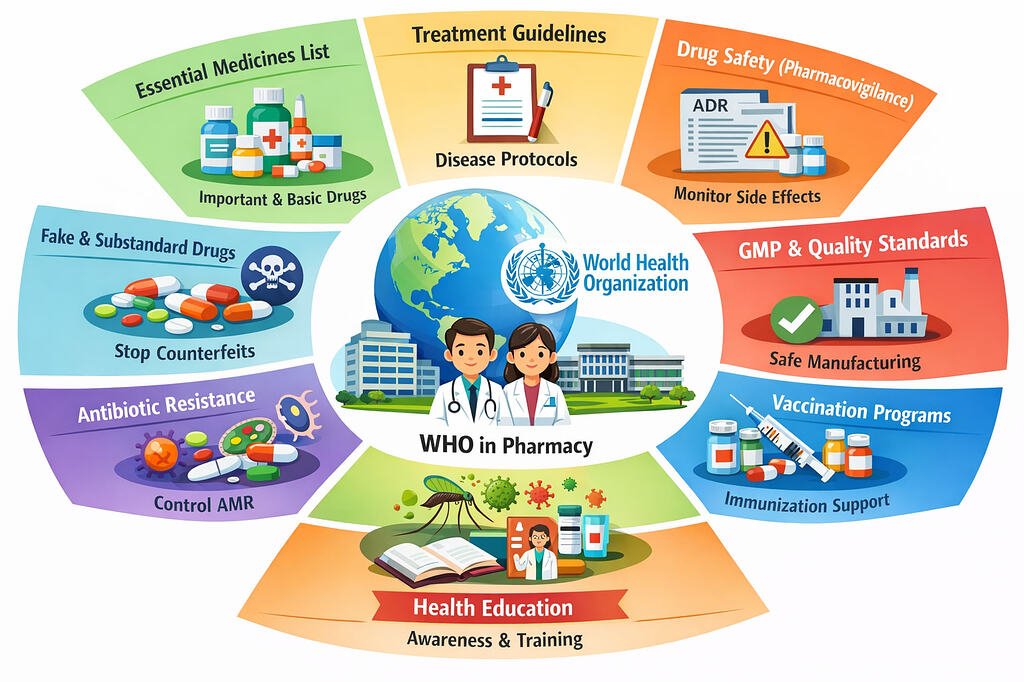
A well-stocked clinic does not necessarily have the largest inventory. It has the right products, in appropriate quantities, available when and where they are needed. The World Health Organization (WHO) notes that equipment selection should reflect the facility, available workforce, and local disease burden rather than relying on one universal list.
This guide explains what most outpatient and primary-care clinics should consider stocking, how to prioritize purchases, and how to avoid the common mistake of confusing more inventory with better preparedness.
What Counts as Essential Medical Supplies?
The exact requirements depend on the clinic’s specialty, patient volume, procedures, and local regulations. A general outpatient clinic will have different needs from a dental practice, dermatology clinic, emergency centre, or women’s health facility.
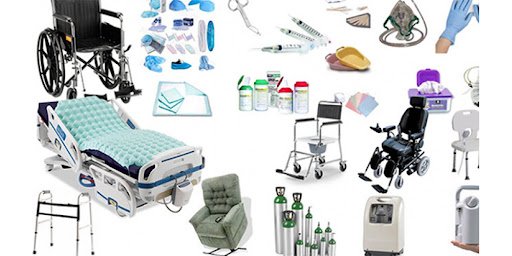
However, most clinics can organize their core inventory into several practical groups:
- Infection prevention and PPE
- Examination and diagnostic supplies
- Injection and medication-administration supplies
- Wound-care products
- Basic emergency supplies
- Specimen-collection and testing supplies
- Cleaning and waste-management products
- Patient-care and procedure consumables
This category-based approach is more useful than simply creating a huge shopping list.
1. Infection Prevention and PPE: The First Line of Protection
If there is one category a clinic should never treat as an afterthought, it is infection-control supplies.
CDC Standard Precautions apply to all patient care and include hand hygiene, appropriate PPE, environmental cleaning, injection safety, and proper handling of reusable equipment.
Essential items include:
- Examination gloves in multiple sizes
- Surgical masks
- Respirators when clinically indicated
- Protective gowns or aprons
- Eye protection and face shields
- Alcohol-based hand rub
- Liquid soap
- Disposable tissues
- Surface disinfectants
- Disposable cleaning wipes
- Sterile and non-sterile gloves
Hand hygiene products deserve special attention. WHO’s “Five Moments for Hand Hygiene” framework emphasizes cleaning hands before patient contact, before aseptic procedures, after body-fluid exposure, after patient contact, and after touching the patient’s surroundings.
Practical insight: Do not store sanitizer only at a central nursing station. Put hand-hygiene supplies where clinical decisions happen—near examination areas, treatment rooms, and other points of care.
2. Examination and Diagnostic Supplies
A diagnosis begins with good information. Even sophisticated clinical knowledge is limited when basic examination equipment is missing or unreliable.
A general clinic should consider maintaining:
- Digital or manual blood-pressure monitors
- Stethoscopes
- Clinical thermometers
- Pulse oximeters
- Weighing scales
- Height measurement equipment
- Examination lights
- Penlights
- Reflex hammers
- Measuring tapes
- Glucometers and compatible test strips, where appropriate
- Disposable tongue depressors
- Otoscope/ophthalmoscope systems where relevant
For frequently used diagnostic equipment, having a backup can be more valuable than purchasing an expensive device that is rarely used.
A simple comparison
| Supply | Primary purpose | Stock priority | Key consideration |
|---|---|---|---|
| BP monitor | Blood-pressure assessment | High | Correct cuff sizes |
| Pulse oximeter | Oxygen saturation | High | Accuracy and battery life |
| Thermometer | Temperature | High | Easy cleaning |
| Stethoscope | Cardiopulmonary assessment | High | Durability and acoustics |
| Glucometer | Blood glucose testing | Medium–High | Strip compatibility |
| Examination light | Visual examination | Medium | Brightness and positioning |
| Otoscope | Ear examination | Specialty-dependent | Disposable/reusable tips |
The important point is that equipment availability should match the clinical services actually offered. WHO similarly emphasizes that medical-device selection should be based on local requirements rather than assuming a universal equipment package.
3. Injection and Medication-Administration Supplies
Injection-related products require particularly careful inventory control because availability and infection prevention are closely connected.
Common supplies include:
- Disposable syringes
- Needles in different gauges and lengths
- Alcohol or appropriate skin-preparation products
- Medication cups
- IV administration sets, where applicable
- IV cannulas, where applicable
- Tourniquets
- Adhesive tape
- Sharps containers
- Sterile swabs
- Labels and medication markers
Safety is more important than simply buying in bulk. CDC injection-safety guidance states that single-dose vials should not be used for more than one patient, and contaminated or questionable vials should be discarded.
Likewise, used sharps should be placed in appropriate puncture-resistant containers rather than being handled casually after use.
Inventory lesson: The cheapest syringe is not necessarily the lowest-cost option if poor packaging, inconsistent quality, or unreliable availability creates waste or clinical risk.
4. Wound-Care Supplies
Cuts, abrasions, punctures, minor burns, postoperative wounds, and dressing changes are common reasons patients require basic treatment.
A clinic’s wound-care stock may include:
- Sterile gauze
- Non-adherent dressings
- Adhesive bandages
- Absorbent dressings
- Medical adhesive tape
- Cotton or appropriate cleaning materials
- Antiseptic products according to clinical protocol
- Elastic bandages
- Sterile gloves
- Disposable forceps where appropriate
- Wound-closure strips
- Basic dressing trays
- Waste bags
Instead of keeping one enormous assortment, clinics should analyze the wounds they actually treat.
For example, a dermatology clinic may consume more small dressings and sterile swabs, while an urgent-care facility may need a broader range of trauma-related products.
5. Emergency and First-Response Supplies
Even a routine outpatient clinic can encounter a medical emergency.
The emergency stock should be determined by the clinic’s services, staffing, local protocols, and applicable regulations. Depending on the setting, this may include:
- Bag-valve-mask resuscitation equipment
- Oxygen-delivery supplies where clinically appropriate
- Suction equipment
- Emergency airway supplies appropriate to staff competency
- CPR-related equipment
- AED, where indicated and feasible
- Emergency medications according to authorized protocols
- IV-access supplies
- Gloves and protective equipment
- Emergency documentation forms
The important principle is readiness, not decoration.
An emergency trolley filled with expired products or equipment that staff have never practiced using is not a prepared emergency system.
Every clinic should periodically verify:
- Expiry dates
- Battery status
- Seal integrity
- Equipment functionality
- Accessibility
- Staff familiarity
- Replacement requirements
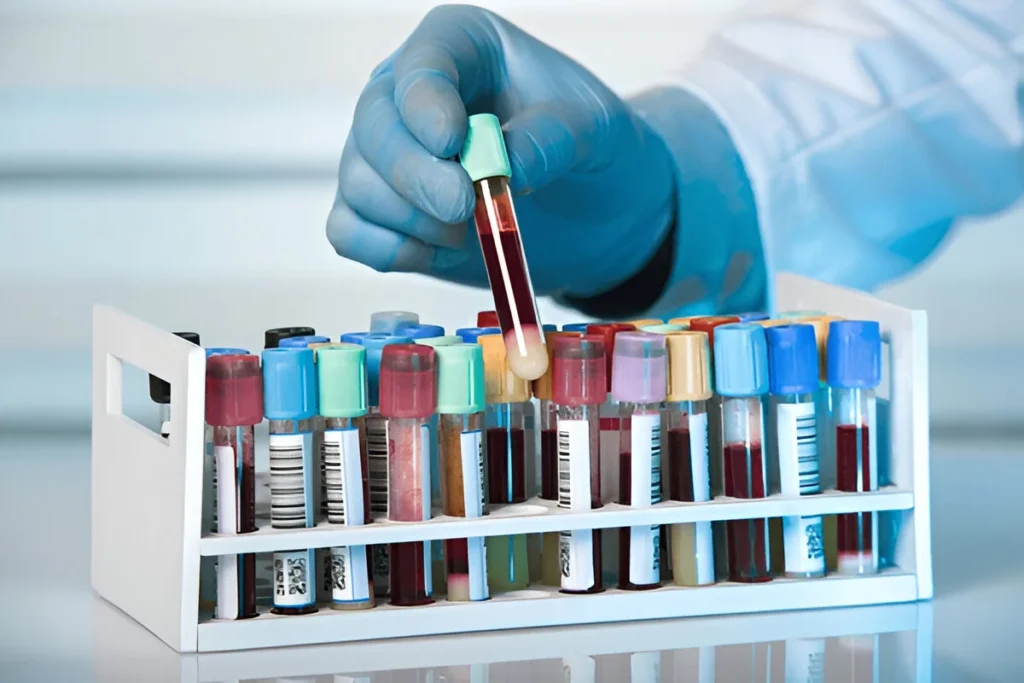
6. Specimen Collection and Point-of-Care Testing
Clinics that perform laboratory testing or collect specimens need a separate inventory category.
Depending on services, this may include:
- Specimen containers
- Blood-collection tubes
- Lancets
- Test strips
- Swabs
- Transport media
- Labels
- Biohazard bags
- Disposable collection materials
- Gloves and other PPE
One frequently overlooked item is labeling material.
A test cannot be managed safely if the specimen is collected correctly but identification is incomplete or inaccurate. Therefore, labels, markers, requisition forms, and specimen bags should be treated as clinical supplies—not office stationery.
7. Cleaning, Disinfection and Medical Waste Supplies
Clinical inventory does not end at the examination table.
Cleaning and waste-management supplies help maintain a safe environment between patients. CDC guidance emphasizes cleaning and disinfecting patient-care environments and ensuring appropriate PPE for cleaning activities.
Clinics should assess their need for:
- Surface disinfectants
- Disposable cleaning cloths or wipes
- Utility gloves
- Aprons
- Biohazard bags
- Sharps containers
- Waste bins with appropriate segregation
- Spill-management materials
- Hand-hygiene products
The goal is not merely to make rooms look clean. Frequently touched surfaces close to patients can become contaminated and require appropriate cleaning and disinfection.
8. How Much Should a Clinic Keep in Stock?
This is where many inventory systems go wrong.
Buying six months’ worth of everything may sound safe, but excessive inventory can create expired products, tied-up capital, storage problems, and hidden waste.
A better approach is to divide products into three groups:
| Stock level | Examples | Suggested approach |
| Critical | Gloves, syringes, gauze, hand hygiene products | Maintain safety stock |
| Routine | Dressings, tapes, examination consumables | Reorder based on usage |
| Specialty | Procedure-specific products | Stock according to scheduled demand |
A useful starting point is to calculate average monthly consumption and establish a reorder point based on supplier lead time plus a safety buffer.
For example:
Reorder Point = Average Daily Usage × Supplier Lead Time + Safety Stock
This turns inventory management from guesswork into a measurable process.
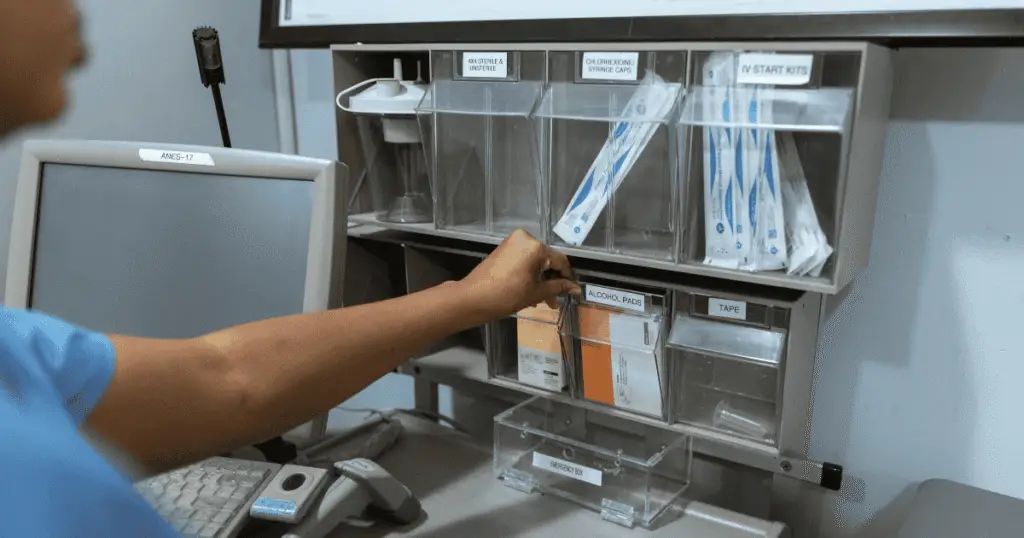
The “Two-Bin” Trick for High-Use Supplies
One simple system can make a surprisingly large difference.
For frequently used products such as gloves, gauze, syringes, or masks, use two clearly identified storage bins.
The first bin is the active stock. The second is the reserve.
When the first bin becomes empty, staff move the reserve forward and trigger a reorder.
This reduces the classic problem of discovering an empty shelf during a busy clinic session.
It also works particularly well when combined with FIFO (First In, First Out) rotation for products with expiry dates.
Don’t Forget Product Quality and Traceability
Price matters, but healthcare purchasing should never be based on price alone.
Before purchasing essential medical supplies, evaluate:
- Product quality and intended clinical use
- Regulatory compliance applicable to your country
- Manufacturer reputation
- Batch or lot traceability
- Expiry dates
- Packaging integrity
- Storage requirements
- Supplier reliability
- Replacement availability
- Total cost of ownership
Supply interruptions are a real operational risk. The FDA maintains a medical-device shortage list and notes that disruptions can result from manufacturing problems, natural disasters, geopolitical issues, delays, and discontinuations.
For critical supplies, maintaining an approved alternative supplier can therefore be as important as maintaining extra stock.
A Smarter Way to Build Your Clinic’s Supply Room
Instead of asking, “What medical products should we buy?”, ask five better questions:
1. What procedures do we perform most often?
Your inventory should reflect your actual clinical workload.
2. What items could stop patient care if they ran out today?
These deserve higher safety-stock levels.
3. Which products expire quickly?
Avoid excessive purchasing of short-dated products.
4. Which supplies have compatible alternatives?
Knowing acceptable alternatives improves resilience during shortages.
5. Can staff find each product within seconds?
A supply room should be organized for use, not merely storage.
WHO’s guidance on safe health facilities also emphasizes ensuring essential medicines and medical equipment remain accessible and protected from hazards.
Essential Medical Supplies: A Practical Master List
For a general outpatient clinic, the core inventory can be summarized as:
- PPE: Gloves, masks, gowns, eye protection
- Hand hygiene: Alcohol-based hand rub, soap, paper towels
- Diagnostics: BP monitors, thermometers, stethoscopes, pulse oximeters
- Injection supplies: Syringes, needles, swabs, sharps containers
- Wound care: Gauze, dressings, tape, bandages
- Emergency: Resuscitation and emergency-response equipment appropriate to the clinic
- Testing: Specimen containers, swabs, lancets, test strips
- Cleaning: Disinfectants, wipes, cleaning PPE
- Waste management: Sharps and appropriate clinical-waste containers
- Administrative: Labels, markers, procedure documentation and inventory records
This should be adapted to the clinic’s specialty, patient population, local regulations, and clinical protocols.
Conclusion: Stock for the Patient You See—and the Emergency You Don’t Expect
The best clinic inventory is not the largest one. It is the inventory that quietly supports good care every day.
A box of gloves prevents an avoidable interruption. A functioning pulse oximeter provides information when it matters. Proper sharps disposal protects staff. A well-maintained emergency kit can become critical within seconds.
The deeper lesson is that essential medical supplies should be managed as part of patient safety, infection prevention, and operational planning—not simply purchasing.
Start by analyzing your clinic’s actual consumption. Identify critical products. Set minimum and maximum stock levels. Rotate inventory by expiry date. Keep backup suppliers for high-risk items, and review the stock regularly.
A well-organized supply room may not be the most visible part of a healthcare facility, but when the right product is available at exactly the right moment, its value becomes obvious.
Ready to improve your clinic’s inventory?
Review your current stock today and identify the 10 supplies that would cause the biggest disruption if they ran out tomorrow. Prioritize those first, establish reorder levels, and build the rest of your inventory around actual clinical demand.
For more practical guidance, explore your clinic’s related resources on medical supplies, diagnostic equipment, infection prevention, and healthcare inventory management.
Suggested Visual Elements
Hero image: A modern outpatient clinic supply room with neatly organized PPE, diagnostic equipment, wound-care products, syringes, dressings, and labeled storage bins. Use a clean blue-and-white healthcare aesthetic.
Infographic: “10 Essential Medical Supply Categories Every Clinic Needs” featuring:
- PPE
- Hand hygiene
- Diagnostic tools
- Injection supplies
- Wound care
- Emergency supplies
- Specimen collection
- Cleaning supplies
- Medical waste management
- Inventory-control products