Buying Guide: How to Choose the Right Medical or Dental Product

Introduction: The Cheapest Product Can Become the Most Expensive

Buying a medical or dental product is rarely just a shopping decision. A seemingly small difference in quality can affect clinical performance, infection control, workflow, patient safety, and long-term operating costs.

That is why choosing between different medical products and dental products should involve more than comparing prices. A product that costs less initially may require frequent replacement, have poor compatibility, lack technical support, or create additional maintenance expenses.

The better question is not, “Which product is cheapest?” It is:

“Which product gives me the right combination of safety, performance, reliability, compatibility, and total value for my specific clinical need?”

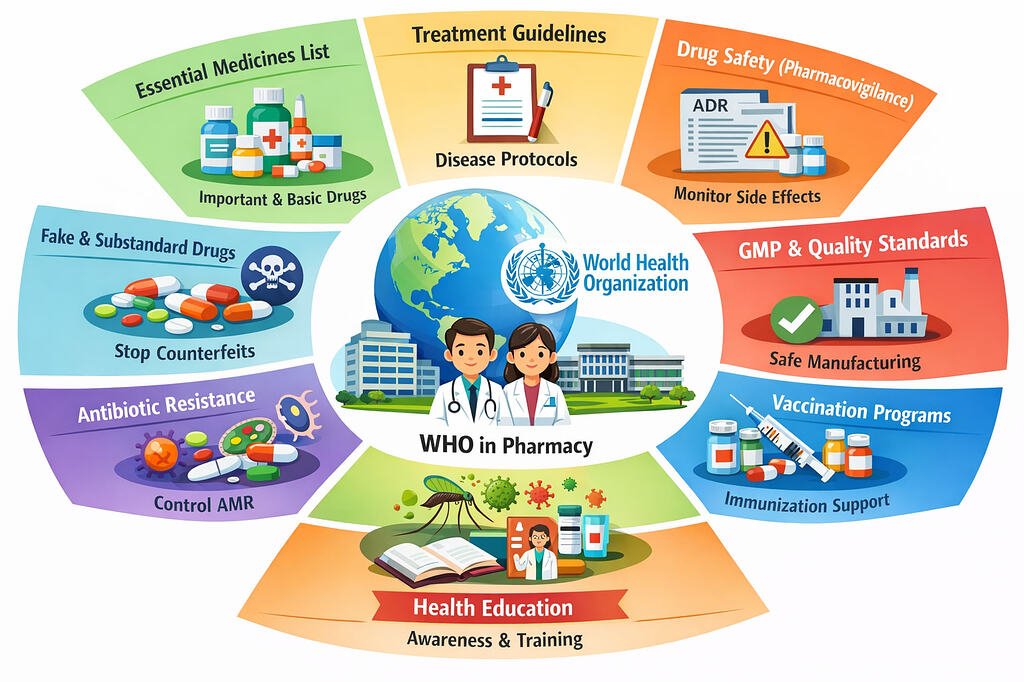
The World Health Organization (WHO) emphasizes the importance of technical specifications and structured procurement when selecting medical devices because proper specifications help healthcare organizations obtain safe, effective and appropriate equipment.

Whether you are opening a clinic, upgrading an existing facility, replacing an instrument, or purchasing consumables in bulk, this guide will help you make a more informed decision.

Medical Products vs. Dental Products: What Should You Consider?

Medical and dental products overlap in some purchasing principles, but their practical requirements can be very different.

A blood pressure monitor, for example, may be evaluated primarily for accuracy, ease of use, durability, and calibration. A dental handpiece requires additional attention to speed, torque, ergonomics, compatibility, maintenance, and sterilization.

Buying FactorMedical ProductsDental Products
Primary concernPatient care and clinical performanceClinical performance and dental workflow
Key specificationsAccuracy, capacity, intended useSize, material, compatibility, precision
Infection controlImportant depending on deviceOften critical for reusable instruments
CompatibilityEquipment, accessories, softwareDental unit, handpiece, bur, implant or material systems
ConsumablesGloves, syringes, dressings, etc.Burs, impression materials, composites, files, gloves
MaintenanceDepends on equipmentParticularly important for handpieces and equipment
TrainingMay be required for complex devicesImportant for specialized instruments and systems
DocumentationIFU, warranty, regulatory informationIFU, sterilization instructions, material information

The important takeaway is simple: there is no universal “best” healthcare product. There is only the product that is most appropriate for the intended use.


1. Start With the Clinical Need—Not the Brand

One of the most common purchasing mistakes is beginning with a brand or product name.

Instead, start by defining the problem.

Before searching for products, ask:

  • What procedure or clinical task will the product perform?
  • Who will use it?
  • How frequently will it be used?
  • Is it for professional or home use?
  • Is it reusable or single-use?
  • What equipment must it work with?
  • What level of accuracy or precision is required?
  • What infection-control requirements apply?
  • What is the expected workload?

For example, a small dental clinic performing routine restorative procedures may have very different requirements from a multi-specialty dental hospital performing implantology, oral surgery, and endodontics.

A useful rule

Define the job first. Select the product second.

This simple change can prevent unnecessary spending and reduce the risk of buying equipment that looks impressive but does not solve the actual clinical requirement.


2. Check Technical Specifications Carefully

A product photograph can tell you what something looks like. It cannot tell you whether it will work properly in your clinic.

Technical specifications deserve much more attention.

For medical equipment, examine specifications such as:

  • Measurement range
  • Accuracy
  • Capacity
  • Operating conditions
  • Power requirements
  • Battery life
  • Dimensions
  • Weight
  • Alarm functions
  • Accessories included
  • Calibration requirements

For dental products, consider:

  • Material
  • Dimensions
  • Working length
  • Grit or size
  • Speed range
  • Torque
  • Compatibility
  • Sterilization method
  • Pack size
  • Shelf life
  • Intended clinical application

WHO specifically recommends considering technical specifications before purchasing medical devices because specifications support better planning for implementation, operation, maintenance, and eventual decommissioning.

Don’t buy based on the product title alone. Read the specification sheet and Instructions for Use (IFU).


3. Safety and Regulatory Compliance Come First

Healthcare products are not ordinary consumer goods. Depending on their intended use and classification, they may be subject to specific regulatory requirements.

For buyers in India, the Central Drugs Standard Control Organisation (CDSCO) regulates medical devices under the Drugs and Cosmetics Act and Medical Devices Rules, 2017. CDSCO also provides information on device classification, licensing and regulatory requirements.

India uses a risk-based classification system ranging from:

  • Class A: Low risk
  • Class B: Low-moderate risk
  • Class C: Moderate-high risk
  • Class D: High risk

The applicable regulatory requirements depend on the product and its classification.

What should buyers verify?

Depending on the product, look for:

  • Manufacturer information
  • Importer/distributor information where applicable
  • Regulatory documentation
  • Product identification or model number
  • Instructions for Use
  • Batch or lot information
  • Expiry date where applicable
  • Warranty information
  • Applicable certifications or standards

Do not assume that a product is safe simply because it is available for sale online.


4. For Dental Products, Think About Sterilization Before Buying

This is one of the most overlooked considerations when purchasing dental instruments.

A reusable dental instrument must fit into the clinic’s infection-control workflow—not the other way around.

The CDC classifies dental patient-care items according to their infection risk. Critical instruments that penetrate soft tissue or bone should be heat sterilized after each use or discarded. Most heat-tolerant semicritical items should also be heat sterilized.

That means sterilization compatibility should be considered before purchase.

Ask:

Can this product safely undergo the sterilization process required in my clinic?

Also check:

  • Recommended sterilization temperature
  • Cycle duration
  • Number of reusable cycles, if specified
  • Cleaning instructions
  • Lubrication requirements
  • Packaging requirements
  • Manufacturer’s validated reprocessing instructions

This is particularly important for dental handpieces. CDC guidance recommends cleaning and heat sterilizing removable dental handpieces between patients and following validated manufacturer instructions.

A product that cannot fit safely into your reprocessing workflow may be a poor purchase—even if its initial price looks attractive.


5. Compare Total Cost, Not Just Purchase Price

Imagine two dental instruments:

Product A: ₹1,000
Product B: ₹1,500

At first glance, Product A appears cheaper.

But suppose Product A requires replacement every six months while Product B lasts two years and has better after-sales support.

The real cost could look very different.

Consider the Total Cost of Ownership

Cost FactorQuestions to Ask
Purchase priceWhat is the initial cost?
ConsumablesDoes it require proprietary consumables?
MaintenanceHow often does it need servicing?
Replacement partsAre parts readily available?
DowntimeWhat happens if the device stops working?
TrainingIs special training required?
EnergyWhat are the electricity/battery requirements?
WarrantyWhat does the warranty actually cover?
LifespanHow long is the expected service life?

This is particularly important for equipment such as dental chairs, autoclaves, compressors, suction systems, patient monitors, ultrasound equipment, and diagnostic devices.

The cheapest product is not necessarily the lowest-cost product.


6. Don’t Ignore Compatibility

Compatibility problems can turn a good product into an expensive mistake.

Before ordering, verify whether the product works with your existing:

  • Dental unit
  • Handpiece connection
  • Imaging system
  • Computer/software
  • Power supply
  • Sterilization equipment
  • Accessories
  • Consumables
  • Existing instrument system

For example, buying a device that requires proprietary accessories can create an ongoing dependency that wasn’t obvious at checkout.

A simple compatibility checklist can prevent this:

Product → Connection → Accessory → Consumable → Software → Workflow

If any link fails, stop and verify before purchasing.


7. Quality Indicators Matter More Than Marketing Claims

Healthcare product descriptions often contain phrases such as:

  • Premium quality
  • Professional grade
  • Advanced technology
  • High performance
  • Hospital quality
  • Long-lasting

These claims may sound reassuring, but they are not substitutes for evidence.

Look for objective information:

  • Technical specifications
  • Test reports where applicable
  • Manufacturer documentation
  • Regulatory status
  • Applicable standards
  • Clinical evidence where relevant
  • Warranty terms
  • User instructions
  • Traceability information

For dental consumer products, the American Dental Association’s Seal of Acceptance can be a useful reference because products earning the Seal are evaluated against requirements related to safety and effectiveness.

The broader lesson is valuable:

Prefer verifiable claims over impressive adjectives.


8. Evaluate the Supplier, Not Just the Product

A reliable product from an unreliable supplier can still become a purchasing headache.

Before placing a significant order, investigate the seller.

Look for:

  • Clear business information
  • Manufacturer or authorized distributor details
  • Proper product documentation
  • Transparent return policy
  • Warranty support
  • Technical assistance
  • Genuine replacement parts
  • Consistent product availability
  • Secure packaging
  • Proper invoicing

For expensive medical equipment, ask whether installation, demonstration, calibration, preventive maintenance, and service support are included.

WHO’s procurement guidance emphasizes structured and accountable purchasing because effective procurement benefits healthcare professionals and ultimately patients.


9. Buy the Right Quantity

Another common mistake is buying too much.

Bulk purchasing can reduce unit cost, but excessive inventory creates other problems:

  • Expired products
  • Dead stock
  • Storage requirements
  • Cash tied up in inventory
  • Packaging damage
  • Obsolete technology
  • Difficulty tracking batches

This is especially important for dental and medical consumables.

Before buying in bulk, examine:

Average monthly usage × lead time + safety stock = practical inventory requirement

For products with short shelf lives, consider demand patterns rather than simply chasing volume discounts.

A 15% discount is not a saving if 30% of the products expire unused.


10. Use a Simple Product Scoring System

When comparing several medical products or dental products, a scoring system can make the decision more objective.

For example:

CriteriaWeightProduct AProduct B
Safety25%9/109/10
Clinical performance25%8/109/10
Compatibility15%7/109/10
Durability10%8/109/10
Service/support10%6/109/10
Total cost10%9/107/10
Ease of use5%8/109/10

This approach helps prevent one attractive feature—usually price—from dominating the entire decision.

A practical priority order

When in doubt, evaluate products in this order:

Safety → Clinical suitability → Compliance → Compatibility → Reliability → Support → Total cost → Price

Price matters. It simply shouldn’t be the first filter.


11. Questions to Ask Before You Click “Buy”

Use this quick checklist for almost any healthcare purchase:

  • Is this product appropriate for my intended clinical use?
  • Are the specifications clearly documented?
  • Is the manufacturer identifiable?
  • Is the product compliant with applicable regulations?
  • Does it fit my existing equipment and workflow?
  • Can reusable components be properly cleaned and sterilized?
  • What is included in the package?
  • What consumables or accessories are required?
  • How long is the warranty?
  • Who provides after-sales service?
  • Are replacement parts available?
  • What is the expected lifespan?
  • What happens if the product fails?
  • Is the seller reliable and traceable?
  • Am I buying the quantity I actually need?

If several answers are unclear, pause the purchase.


The Bigger Insight: Buy for the Workflow, Not the Catalogue

After working through hundreds of product comparisons, one pattern becomes clear: the best healthcare purchase is rarely the product with the longest specification sheet or the lowest price.

It is the product that quietly fits the workflow.

A good dental instrument should be easy to clean, comfortable to use, compatible with your equipment, durable enough for your workload, and supported by reliable documentation.

A good medical device should deliver the required clinical function while fitting your facility’s infrastructure, staff capabilities, maintenance resources, and patient-care requirements.

In other words, product selection is really workflow design in disguise.


Final Takeaway

Choosing the right medical products and dental products requires more than comparing brands and prices. The smartest purchasing decisions combine clinical need, technical specifications, safety, regulatory requirements, infection control, compatibility, durability, supplier reliability, and total cost of ownership.

Before making your next purchase, slow down for five minutes and ask:

What problem am I solving, what evidence supports this product, and will it still make sense after I use it for the next 12–24 months?

That question can save more money—and prevent more purchasing mistakes—than another hour spent comparing discounts.

Ready to Make a Smarter Purchase?

Whether you’re stocking a new clinic or upgrading an established practice, build your purchasing process around quality, safety, compatibility, and long-term value—not price alone.

Explore your healthcare purchasing options, compare products carefully, and speak with a qualified healthcare professional or supplier whenever technical or clinical requirements are unclear.

Have you ever purchased a medical or dental product that looked like a great deal but turned out to be a poor investment? Share your experience—it may help another clinic avoid the same mistake.

Trusted Resources

Image/Infographic Suggestions:

  1. “Medical & Dental Product Buying Checklist” — illustrated checklist showing safety, specifications, compatibility, certification, warranty and total cost.
  2. “Price vs. Total Cost of Ownership” — infographic comparing a low-cost product with a durable product over 2 years.
  3. “How to Choose Healthcare Products” — flowchart from clinical need → specifications → safety → compatibility → supplier → total cost → purchase.
Leave a Reply

Your email address will not be published. Required fields are marked *

Related Post

steptodown.com148887 1024x683 1

Diagnostics: Diagnostic Devices, Laboratory Equipment & Testing Solutions

Introduction: The Test Result Is Only as Good as the System Behind It A blood sample can fit into a tiny tube, but the system required to turn that sample into a trustworthy result can be remarkably sophisticated. Behind a routine CBC, blood glucose test, urine analysis, culture report or molecular test is an entire chain of diagnostic devices, trained professionals, consumables, quality controls, software and laboratory equipment. When even one part of that chain fails, the final result can be delayed, inaccurate or difficult to interpret. The World Health Organization (WHO) describes diagnostics as fundamental to prevention, screening, diagnosis, treatment monitoring and disease surveillance. It also emphasizes that access to diagnostics must include quality across the entire testing value chain—not simply access to a machine or test kit. That leads to an important question for hospitals, diagnostic centres, clinics and laboratories: What makes diagnostic equipment genuinely useful—not merely technologically impressive? The answer lies in matching the right technology to the clinical workload, test requirements, staff capabilities and quality-management system. What Are Diagnostic Devices and Testing Solutions? Diagnostic devices are tools used to detect, measure or monitor physiological conditions and diseases. They range from simple point-of-care devices to highly automated laboratory systems. The U.S. FDA defines in-vitro diagnostics (IVDs) as tests performed on samples such as blood or tissue collected from the body. These tests can support disease diagnosis, treatment decisions and health monitoring. Broadly, diagnostic solutions can be divided into: The key insight is that these categories are interconnected. A modern analyzer cannot compensate for poor sample collection, incorrect storage or inadequate quality control. Laboratory Equipment: The Foundation of Diagnostic Testing A laboratory may have advanced analyzers, but its day-to-day performance depends heavily on supporting laboratory equipment. This includes everything from centrifuges and microscopes to refrigerators, incubators, pipettes and biosafety equipment. Essential Laboratory Equipment Categories Equipment Primary Application Common Laboratory Use Centrifuge Separating sample components Blood, urine and biochemical testing Microscope Visual examination Hematology, microbiology, pathology Hematology Analyzer Blood-cell analysis CBC and differential counts Biochemistry Analyzer Chemical analysis Glucose, liver and kidney parameters Immunoassay Analyzer Antigen/antibody detection Hormones, infections, biomarkers PCR System Molecular detection Infectious diseases and genetic testing Incubator Controlled temperature growth Microbiology and cell-related applications Autoclave Sterilization Laboratory instruments and materials Laboratory Refrigerator Sample/reagent storage Temperature-sensitive materials Water Bath Controlled heating Sample preparation and laboratory procedures Pipettes Accurate liquid handling Almost every laboratory workflow Urine Analyzer Urinalysis Routine diagnostic testing Choosing equipment based purely on brand, price or specifications can be misleading. A better approach is to consider the complete workflow. Diagnostic Devices vs Laboratory Equipment: What’s the Difference? The terms are often used interchangeably, but they are not identical. Diagnostic devices are the broader category. They can include equipment used directly on patients, at the point of care or inside laboratories. Laboratory equipment generally refers to instruments and systems used to process, prepare, analyze or store specimens within laboratory environments. For example, a glucometer can be considered a diagnostic device used near the patient, while a fully automated chemistry analyzer is laboratory equipment. WHO’s Essential Diagnostics List recognizes the importance of having appropriate diagnostic technologies available at different levels of healthcare, including primary-care and laboratory settings. A Simple Comparison Factor Point-of-Care Diagnostics Laboratory Testing Location Near patient Central laboratory Turnaround time Usually rapid Can range from minutes to days Equipment complexity Often lower Moderate to highly sophisticated Testing volume Usually low/moderate Moderate to very high Skilled staff May require limited training Usually trained laboratory personnel Examples Glucose meters, rapid tests CBC, chemistry, PCR, immunoassay Neither approach is universally better. The right choice depends on the clinical question, urgency, patient population and available infrastructure. The Most Important Laboratory Equipment Categories 1. Hematology Equipment Hematology analyzers automate the measurement of blood-cell parameters. A modern analyzer can provide information such as: For busy diagnostic centres, automation can improve throughput and reduce repetitive manual work. However, automation should not eliminate professional oversight. Unexpected results, flags or abnormal patterns may require additional review. 2. Clinical Chemistry Analyzers Clinical chemistry systems measure substances in biological specimens. Common parameters include: For many laboratories, chemistry analyzers are among the highest-utilization instruments, making factors such as reagent availability, throughput, calibration requirements, maintenance and service support particularly important. 3. Microbiology Equipment Microbiology laboratories need equipment designed around contamination control, culture and organism identification. Typical equipment includes: Here, equipment selection is closely linked with biosafety and workflow design. WHO highlights biosafety and biosecurity as integral parts of laboratory quality management. 4. Molecular Diagnostic Equipment Molecular diagnostics have transformed the detection of infectious diseases and genetic conditions. PCR-based systems, for example, can detect specific nucleic-acid sequences and are used across infectious disease and molecular testing applications. More advanced laboratories may also use: The important consideration is not simply buying the newest molecular platform. Laboratories should evaluate test menu, sample volume, reagent availability, turnaround-time requirements and staff competency. 5. Microscopes and Imaging-Based Laboratory Tools Microscopy remains important despite the rise of automation. Depending on the specialty, microscopes can support examination of: In many situations, the microscope remains an excellent example of a technology whose value depends heavily on the operator’s expertise. The Hidden Half of Diagnostics: Sample Management One of the most overlooked parts of diagnostic testing happens before the sample reaches the analyzer. Consider a blood sample. Incorrect patient identification, inappropriate collection, inadequate mixing, delayed transportation or unsuitable storage can compromise the test before analysis even begins. WHO describes laboratory testing as a process involving pre-examination, examination and post-examination stages, all of which require quality management. This means laboratories should pay attention to: WHO’s laboratory quality manual resources specifically include procedures for equipment installation, repair, decontamination, sample labelling, sample acceptance/rejection and result validation. The lesson: buying an advanced analyzer without fixing sample workflow is like installing a powerful engine in a car with poor brakes. How to Choose Laboratory Equipment When evaluating laboratory equipment, use a workflow-first approach. 1. Start With Test Volume Estimate: A small clinic may not need the same automation as a high-volume diagnostic

FPtnbmV l8Yj5fjS9BvM3Kh bGT6I7uXRkr TR kxP9TcVy Orn99 lc3J6a4vTAinMs0BunG2vDqXKStRfTi FamqcB5qJZ3qukuhMd1GkFxy mYUnCXZIVipUcrZ okCZ75ZnGit4 Ne TGS VeT0 fjxfeVxkxKaVT360AOp9Ry74vRLF6lhmVFw6eMPw

Dental Care Guide: Essential Dental Products, Instruments, Materials, Procedures & Clinical Tips

Introduction: Good Dental Care Starts Before the Dental Chair A healthy smile isn’t created only when a patient sits in a dental chair. It is built through the right combination of preventive products, appropriate clinical instruments, quality dental materials, evidence-based procedures, and consistent home care. For patients searching for reliable dental care Delhi, the challenge is often not finding a dentist—it is understanding what actually matters during treatment. Why is fluoride important? Which instruments are used for a filling? What makes one restorative material more appropriate than another? And how can a patient recognize a clinic that takes infection control seriously? These questions matter because modern dentistry has moved far beyond simply treating tooth pain. The emphasis is increasingly on prevention, early diagnosis, minimally invasive treatment, preservation of natural tooth structure, and long-term maintenance. The FDI World Dental Federation identifies dental caries and periodontal disease among the major oral diseases and emphasizes prevention through oral hygiene, fluoride, healthy nutrition, early screening, and appropriate intervention. This guide breaks down the dental ecosystem—from products patients use every day to the instruments and materials professionals rely on in the clinic. 1. Essential Dental Products for Everyday Oral Care The most sophisticated dental treatment cannot replace consistent daily oral hygiene. A practical home-care routine generally revolves around four essentials: Fluoride Toothpaste Fluoride remains one of the most important preventive tools in dentistry. It helps strengthen enamel and supports remineralization while reducing the risk of dental caries. The FDI’s 2025 policy statement recommends brushing at least twice daily with fluoridated toothpaste at an appropriate fluoride concentration. It notes that commercially available fluoridated toothpastes should generally contain at least 1000–1100 ppm fluoride, while higher-strength formulations may be recommended for people at elevated caries risk under professional guidance. Toothbrushes A toothbrush should provide effective plaque removal without unnecessarily traumatizing teeth or gums. For many people, a soft-bristled brush is a practical choice. Electric toothbrushes can also be useful, particularly for individuals who struggle with brushing technique or manual dexterity. The key isn’t buying the most expensive brush. Consistency and technique usually matter more than marketing claims. Interdental Cleaning A toothbrush cannot effectively clean every contact area between teeth. Depending on the patient’s anatomy, a dentist may recommend: The correct product should be selected according to the patient’s individual needs rather than simply choosing whichever product is most popular. 2. Dental Products vs Dental Instruments: What’s the Difference? One of the easiest ways to understand dentistry is to separate consumer dental products from professional dental instruments. Category Examples Primary Purpose Preventive products Toothpaste, toothbrushes, floss Daily oral hygiene Diagnostic instruments Mouth mirrors, probes, explorers Examination and diagnosis Periodontal instruments Scalers, curettes Plaque and calculus removal Restorative instruments Excavators, condensers, matrices Filling procedures Endodontic instruments Files, reamers, spreaders Root canal treatment Surgical instruments Elevators, forceps, surgical instruments Oral surgery Rotary instruments Burs, handpieces Cutting, shaping and finishing Infection-control products Sterilization pouches, barriers, disinfectants Safe clinical workflow This distinction is important when selecting products for a dental clinic. A product that looks inexpensive at purchase may become costly if it wears quickly, requires complicated maintenance, or disrupts clinical workflow. 3. Essential Dental Instruments Every Clinic Uses Dental instruments are not simply collections of metal tools. Each instrument is designed around a particular clinical task. Diagnostic Instruments Basic examination commonly involves instruments such as: These tools help the clinician visualize difficult areas, evaluate tooth surfaces, assess periodontal tissues, and identify abnormalities. Clinical Tip Instrument selection should be based on ergonomics, visibility, precision, durability and maintenance, not just price. An instrument that causes hand fatigue during repeated procedures can affect both clinician comfort and workflow. Periodontal Instruments Periodontal instruments are designed to assess and manage the tissues surrounding teeth. Common examples include: Scaling and root debridement require controlled instrumentation. Using the correct instrument design for the treatment area can improve access and reduce unnecessary tissue trauma. Restorative Instruments Restorative dentistry relies on instruments that help the dentist remove diseased tooth structure, place materials, shape restorations and finish surfaces. Examples include: For composite restorations, accessories such as matrices, wedges, bonding systems, curing lights and finishing discs can have a major impact on the final result. 4. Dental Materials: Choosing the Right Material for the Right Job Modern dentistry offers an extensive range of materials. The best choice depends on factors such as tooth location, functional load, aesthetics, moisture control, patient risk and clinical objectives. Common Dental Materials Material Common Application Key Consideration Composite resin Tooth-colored restorations Aesthetics and technique sensitivity Glass ionomer cement Restorations, liners, luting Fluoride release and chemical adhesion Resin-modified GIC Restorative/luting applications Combination of useful GIC and resin properties Dental adhesives Bonding restorative materials Proper isolation and application Impression materials Dental impressions Accuracy and dimensional stability Temporary materials Provisional restorations Ease of placement and removal Luting cements Crowns, bridges, indirect restorations Retention and compatibility Endodontic sealers Root canal obturation Sealing the prepared canal system The important lesson is that there is no universally “best” dental material. A material appropriate for a low-stress cervical restoration may not be the ideal choice for a heavily loaded posterior tooth. Likewise, a material selected for temporary treatment should not automatically be considered suitable for definitive restoration. 5. Common Dental Procedures and the Products Behind Them Understanding procedures becomes easier when you see the relationship between the treatment and the products used. Dental Cleaning and Scaling Professional cleaning may involve: The objective is to remove deposits that routine brushing cannot adequately eliminate. Dental Fillings A typical direct restoration may involve: The quality of the final restoration depends on more than the filling material itself. Isolation, bonding technique, cavity preparation, finishing and occlusal adjustment all contribute to clinical success. Root Canal Treatment Endodontic treatment commonly requires: The purpose is to clean, shape and seal the root canal system while preserving the remaining tooth structure. 6. Infection Control: The Most Important “Invisible” Dental Product Patients may notice a new dental chair or sophisticated equipment, but one of the most important parts of a modern clinic is

dentists meeting medical colleagues discussing teeth problems dental clinic young professional doctors studying jaw ray 62382915

For Healthcare Professionals: Practical Insights for Dentists, Doctors, Clinics & Hospitals

Picture this: a small dental practice spends years building trust with its patients, one cleaning and one kind word at a time. Then one morning, its website — the same one that quietly collects appointment requests and new-patient forms — gets flagged for serving malware. Within a week, patient records are for sale on a forum neither the dentist nor her office manager has ever heard of. This isn’t a rare horror story anymore. It’s Tuesday. For healthcare professionals, the website has quietly become one of the most exposed parts of the practice — and most clinics never planned for that. This post breaks down what’s actually happening, how it compares across practice types, and what you can do about it this month, not “eventually.” Why This Is Suddenly Everyone’s Problem Healthcare has held the unwanted title of the costliest industry for data breaches for 14 straight years, with the average incident now running $7.42 million. That number sounds like a hospital-only problem — it isn’t. Small practices, dental offices, and single-location clinics get swept into the same statistics because attackers don’t discriminate by practice size; they discriminate by how easy the target is. The shift in attack methods matters just as much as the cost. Hacking and IT-related incidents now account for more than 80% of large healthcare breaches, up from roughly half that share back in 2019. Ransomware alone drives nearly half of all confirmed healthcare breaches in 2026, and for the first time in nearly two decades of tracking, exploiting unpatched software vulnerabilities has overtaken stolen passwords as the top way attackers get in. That detail matters enormously for anyone running a website on a content management system that needs regular updates. The Comparison: Where Different Practices Are Exposed Not every healthcare setting carries the same risk profile. Here’s a practical breakdown of where the pressure points typically sit. Practice Type Common Website Function Typical Weak Point Priority Fix Solo dental/medical practice New patient intake forms, appointment requests Outdated CMS plugins, no BAA with host Patch management + compliant hosting Multi-location clinic Booking systems, provider portals Inconsistent access controls across sites Centralized, role-based access Specialty/therapy practice Secure messaging, telehealth links Third-party embeds without vendor agreements Vendor risk review + signed BAAs Hospital system EHR integration, patient portal Business associate exposure, legacy systems Third-party monitoring + audit logging Third-party vendors deserve special attention here. Business associates are now named in roughly one in three reported healthcare breaches, and that share has doubled in a single year. If your website hands appointment data, chat widgets, or analytics to an outside company without a signed Business Associate Agreement, that gap is treated by regulators as its own violation — not a minor technicality. Key Insight #1: Your Website Platform Wasn’t Built for PHI, and That’s Fine — If You Know It A huge share of clinic and practice websites run on WordPress, which is understandable: it’s flexible, familiar, and inexpensive. But it’s worth being clear-eyed about a specific point that trips up a lot of practices — WordPress is not HIPAA-compliant out of the box. Compliance isn’t a feature you install; it’s a property of how the whole environment — hosting, plugins, forms, and vendor contracts — is configured and maintained together. That doesn’t mean healthcare organizations should avoid WordPress. It means treating any part of the site that touches protected health information (appointment forms, secure messaging, patient portals) differently from the marketing pages describing your services. One widely echoed piece of advice from web architects working in healthcare is refreshingly simple: don’t store sensitive patient information directly inside WordPress at all — route it instead to purpose-built, compliant systems designed to hold that data securely. Key Insight #2: Hosting Is the Foundation, Not an Afterthought If there’s one decision that quietly determines your entire security posture, it’s who hosts your site. Standard consumer hosting — the kind marketed on price and ease of setup — typically will not sign a Business Associate Agreement or meet PHI protection standards like encryption at rest and audit logging. A healthcare website deserves the digital equivalent of the physical security you already apply to paper charts in a locked filing cabinet. Practical signs your hosting is doing its job: Key Insight #3: Multi-Factor Authentication Is the Cheapest Insurance You’ll Ever Buy Ask any security consultant working with clinics what single change stops the most incidents, and multi-factor authentication comes up almost every time — particularly for anything resembling a patient portal or staff login. It costs little, takes minutes to enable, and closes off the majority of credential-based attacks that once dominated the threat landscape. Given that external actors are behind roughly two-thirds of confirmed healthcare breaches, and financial motives drive the vast majority of them, making stolen credentials useless on their own is one of the highest-leverage moves a small practice can make. Key Insight #4: The Detection Gap Is Longer Than You’d Think Healthcare breaches take an average of 279 days to identify and contain — the longest of any industry tracked. Translate that into practice terms: a compromise discovered today may have been sitting quietly since roughly last spring. This is precisely why routine monitoring, logging, and even a simple quarterly review of who has admin access to your website matter more than a one-time security push. Set-and-forget security is, in practice, forget-and-regret. What This Means for Your Practice, Starting This Month None of this requires a hospital-sized IT budget. A realistic starting checklist looks like: A Final Word The trust patients place in a dental chair or an exam room extends, whether we’ve fully reckoned with it or not, to the “Book an Appointment” button on the website. Protecting that trust isn’t about becoming a cybersecurity expert overnight — it’s about treating your digital front door with the same seriousness as your physical one. If this rundown raised questions about your own practice’s setup, that’s worth sitting with rather than shrugging off. Talk to your web host today