
Category: Pediatrics | Medical Specialist: Pediatrician; pediatric subspecialist as indicated | References: American Academy of Pediatrics (AAP); WHO; CDC
Introduction: When a Swollen Cheek Is More Than a Simple Infection
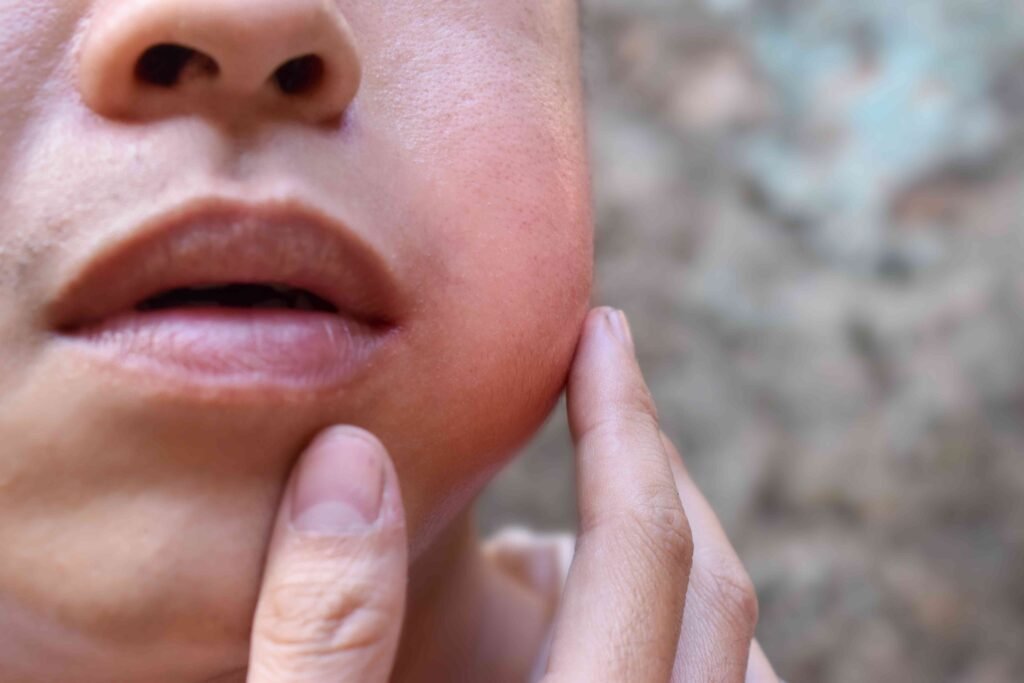
A child develops a fever, feels unusually tired, and wakes up with one side of the face looking swollen. At first, it may seem like a dental problem, swollen lymph node, or ordinary viral infection. But when the swelling appears around the jaw and ears, mumps disease should be considered.
Mumps is a contagious viral infection best known for causing painful swelling of the salivary glands, particularly the parotid glands located below and in front of the ears. Although most people recover completely, mumps should not be dismissed as merely a childhood illness. It can occasionally cause complications involving the brain, hearing, pancreas, ovaries, or testes.
The encouraging news is that mumps is largely preventable through vaccination. Understanding how it spreads, recognizing its characteristic symptoms, and knowing when medical assessment is necessary can help protect both individuals and communities.
What Is Mumps Disease?
Mumps is an acute viral infection caused by the mumps virus, a paramyxovirus. Humans are the only known natural host for the virus. It primarily affects the salivary glands, producing the classic swollen-cheek appearance known as parotitis.
The infection spreads through respiratory droplets and close contact with an infected person. Coughing, sneezing, talking, or sharing items contaminated with respiratory secretions can facilitate transmission.
The incubation period is usually around 16–18 days, although symptoms can develop anywhere from approximately 12 to 25 days after exposure.
One reason mumps can be difficult to recognize is that not everyone develops the textbook swollen jaw. Some infections produce mild, nonspecific symptoms—or no noticeable symptoms at all. WHO notes that roughly one-third of infected people may have no symptoms or signs.
How Does Mumps Spread?
Mumps is particularly effective at spreading when people spend considerable time in close contact.
Transmission can occur through:
- Respiratory droplets from coughing or sneezing
- Close face-to-face contact
- Saliva and respiratory secretions
- Sharing cups, utensils, or other items contaminated with saliva
- Crowded environments such as schools, colleges, dormitories, and other group settings
A person with mumps can be infectious around the time salivary-gland swelling begins. CDC guidance recommends isolation for 5 days after the onset of parotitis to reduce transmission.
This is one reason simply “waiting to see whether the swelling gets better” while continuing normal school or work activities can be a poor strategy.
Mumps Symptoms: What Should You Look For?
Mumps symptoms don’t necessarily appear all at once. In many cases, general viral symptoms appear first, followed by the characteristic facial swelling.
Early Symptoms
Several days before salivary-gland swelling, a person may experience:
- Low-grade fever
- Headache
- Muscle aches
- Fatigue or weakness
- Reduced appetite
- General discomfort
These symptoms can easily resemble influenza or another viral infection.
The Classic Symptom: Swollen Salivary Glands
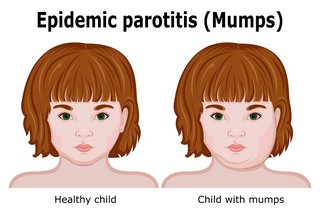
The most recognizable feature of mumps is painful swelling around the cheeks, jaw, and area below the ears.
The swelling may:
- Begin on one side
- Later involve both sides
- Make the angle of the jaw difficult to see
- Cause tenderness around the ears and jaw
- Make chewing or swallowing uncomfortable
Importantly, approximately one-quarter of patients may have swelling on only one side, so bilateral facial swelling is not required for mumps.
Some people may also have swelling of the submandibular or sublingual salivary glands.
Mumps vs Other Causes of Facial Swelling
A swollen cheek doesn’t automatically mean mumps. Dental infections, lymph-node enlargement, salivary-gland disorders, and other viral infections can produce similar symptoms.
| Feature | Mumps | Dental Abscess | Enlarged Lymph Node |
|---|---|---|---|
| Main cause | Virus | Usually bacterial infection | Often infection/inflammation |
| Typical location | Around cheek, jaw and ear | Near affected tooth/gum | Neck or under jaw |
| Fever | Common | May occur | Possible |
| Salivary-gland swelling | Characteristic | Usually absent | Not typical |
| Toothache | Usually absent | Common | Usually absent |
| Contagious | Yes | Generally not person-to-person | Depends on underlying cause |
| Antibiotics | Do not treat the virus | Often required | Depends on cause |
This comparison is useful, but it is not a substitute for clinical diagnosis. Mumps can sometimes occur without classic parotid swelling, and other illnesses can mimic it. CDC recommends laboratory evaluation when mumps is suspected.
How Is Mumps Diagnosed?
Diagnosis starts with the person’s symptoms, vaccination history, exposure history, and physical examination.
Because several conditions can cause parotitis, healthcare professionals may use laboratory testing to confirm suspected cases.
CDC recommends collecting a buccal specimen for RT-PCR testing. Depending on when the patient presents and the clinical situation, blood testing for IgM may also be used. Importantly, a negative test does not always completely exclude mumps, particularly in vaccinated people.
If you suspect mumps, call the healthcare facility before arriving rather than sitting in a crowded waiting room. This allows staff to take appropriate infection-control precautions.
Mumps Disease Treatment: What Actually Helps?
There is no specific antiviral treatment routinely used to eliminate mumps.
Because mumps is caused by a virus, antibiotics do not treat the infection. Treatment generally focuses on relieving symptoms while the immune system clears the virus.
Supportive Care May Include
- Plenty of fluids
- Adequate rest
- Soft foods if chewing is painful
- Pain or fever medication recommended by a healthcare professional
- Warm or cool compresses for facial discomfort
- Avoiding foods that stimulate saliva if they worsen pain
Hydration is particularly important when chewing and swallowing are uncomfortable.
A practical tip is to choose foods that require minimal chewing—such as soups, yogurt, soft rice, mashed vegetables, or other suitable soft foods—while avoiding acidic foods if they increase salivary-gland pain.
How Long Does Mumps Last?
Mumps is generally self-limiting. Most people recover completely within about two weeks, although the duration and intensity of symptoms vary. Parotid swelling commonly lasts several days.
The fact that mumps usually resolves on its own does not mean that every case should be ignored.
The more important questions are:
Is the diagnosis correct? Are complications developing? And is the infected person still capable of spreading the virus to others?
Those questions matter particularly for teenagers and adults, who can experience certain complications more frequently than younger children.
Complications of Mumps
Most people recover without lasting problems, but complications can occur.
1. Orchitis
In adolescent and adult males, mumps can cause orchitis, an inflammation of the testicles. It can result in significant pain and swelling.
Although concerns about infertility are common, severe long-term fertility problems are not inevitable. Nevertheless, testicular pain or swelling during suspected mumps warrants medical assessment.
2. Meningitis and Encephalitis
Mumps can occasionally affect the nervous system.
Possible complications include:
- Meningitis
- Encephalitis
- Severe headache
- Neck stiffness
- Confusion
- Seizures
These complications are uncommon but potentially serious.
3. Hearing Loss
Rarely, mumps can cause sensorineural hearing loss. Because hearing problems may not always be obvious immediately, new hearing changes following infection should be evaluated promptly.
4. Other Complications
Mumps has also been associated with:
- Oophoritis
- Mastitis
- Pancreatitis
- Rare inflammation involving other organs
Complications may occasionally occur even without obvious parotid swelling.
When Should You Seek Urgent Medical Care?
Most mumps cases don’t require emergency treatment. However, certain symptoms should never be brushed aside.
Seek urgent medical evaluation for symptoms such as:
- Severe or rapidly worsening headache
- Stiff neck
- Confusion or unusual drowsiness
- Seizures
- Persistent vomiting
- Fainting
- Significant abdominal pain
- Severe or painful testicular swelling
- New hearing loss
These can indicate complications requiring prompt assessment.
Prevention: Why Vaccination Matters
The strongest protection against mumps is vaccination.
Mumps vaccination is commonly provided as part of the measles-mumps-rubella (MMR) vaccine. WHO reports that vaccines against mumps have been available since the 1960s and that countries implementing widespread vaccination have seen major reductions in disease incidence.
Vaccination does not mean that every vaccinated person can never develop mumps. Breakthrough infections can occur. However, vaccinated people are generally at lower risk of severe disease and complications.
If you are unsure whether you or your child received the recommended vaccinations, check your immunization records and discuss the appropriate schedule with a healthcare professional.
What to Do If You Think You Have Mumps
If you develop the characteristic swelling and other symptoms:
- Contact a healthcare professional.
- Call before visiting a clinic so appropriate infection-control measures can be arranged.
- Avoid close contact with other people.
- Stay away from school, work, or group activities during the recommended isolation period.
- Do not share cups, utensils, towels, or other personal items.
- Drink plenty of fluids and rest.
- Seek urgent care if symptoms suggest a complication.
The goal isn’t simply to recover faster. It is also to prevent transmission to people who may be unvaccinated, immunocompromised, or otherwise vulnerable.
Mumps Disease: Key Takeaways at a Glance
| Question | Key Answer |
| What causes mumps? | Mumps virus |
| What is the classic symptom? | Painful swelling of the salivary glands |
| Can mumps affect only one side? | Yes |
| Can someone have mumps without obvious swelling? | Yes |
| Do antibiotics cure mumps? | No |
| Is there a specific antiviral treatment? | No routine specific treatment |
| How is it managed? | Supportive care and symptom relief |
| Can mumps cause complications? | Yes, although serious complications are uncommon |
| How can it be prevented? | Vaccination and infection-control measures |
| How long does recovery usually take? | Often around two weeks |
Mumps vs Vaccination: The Bigger Picture
One of the most useful lessons from mumps is that prevention is easier than dealing with complications.
The disease is often mild enough that people underestimate it. Yet the virus can occasionally move beyond the salivary glands and affect other organs. Meanwhile, vaccination has dramatically reduced mumps transmission in populations where high vaccination coverage is maintained.
This is particularly important in schools, colleges, hostels, workplaces, and other environments where people spend long periods together.
In other words, the swollen cheek is only the visible part of the story. The public-health value of vaccination comes from preventing the infection from circulating in the first place.
Frequently Asked Questions About Mumps
Is mumps contagious?
Yes. Mumps spreads readily through respiratory droplets and close contact. People with suspected mumps should follow recommended isolation measures to reduce transmission.
Can adults get mumps?
Yes. Although mumps commonly affects children and young adults, adults can also become infected. Some complications are more concerning in adolescents and adults.
Can you get mumps after vaccination?
Yes, breakthrough infections can occur. However, vaccination lowers the risk of mumps and can reduce the likelihood of severe disease and complications.
Are antibiotics useful for mumps?
No. Mumps is caused by a virus, so antibiotics do not treat the underlying infection.
Is every swollen cheek caused by mumps?
No. Dental infections, salivary-gland disorders, lymph-node enlargement, and other infections can produce facial or jaw swelling. A healthcare professional should evaluate suspected mumps.
Final Thoughts
Mumps may have a reputation as a relatively harmless childhood illness, but that description is incomplete. Mumps disease is usually self-limiting, yet it remains contagious and can occasionally lead to serious complications.
The most recognizable warning sign is painful swelling around the jaw and ears, especially when accompanied by fever, fatigue, headache, or muscle aches. Diagnosis may require laboratory testing, while treatment focuses primarily on rest, hydration, pain control, and preventing transmission.
Most importantly, vaccination remains the cornerstone of prevention.
If you or your child develops unexplained facial swelling, don’t assume it is simply a dental problem or wait for it to disappear. Speak with a healthcare professional—especially if fever, significant pain, neurological symptoms, abdominal pain, testicular swelling, or hearing changes occur.
Have you or someone in your family experienced mumps before? Share your experience in the comments, and explore our other health and dental-care guides for practical information on recognizing common conditions early.
Trusted Resources
For readers who want to explore the evidence further, consult the World Health Organization’s mumps resources and CDC clinical information on mumps. For practical symptom and self-care guidance, the NHS mumps guide is also useful.
Medical disclaimer: This article is intended for general educational purposes and does not replace diagnosis, treatment, or individualized advice from a qualified healthcare professional.
Suggested Visual Elements
Infographic idea:
Create a simple “Mumps at a Glance” infographic showing: Cause → Transmission → Incubation → Early Symptoms → Parotid Swelling → Diagnosis → Supportive Treatment → Isolation → Vaccination → Complications.
Internal linking suggestions:
Link naturally to related articles on dental abscess, swollen lymph nodes, childhood infections, oral health, fever in children, vaccination, and salivary-gland disorders.