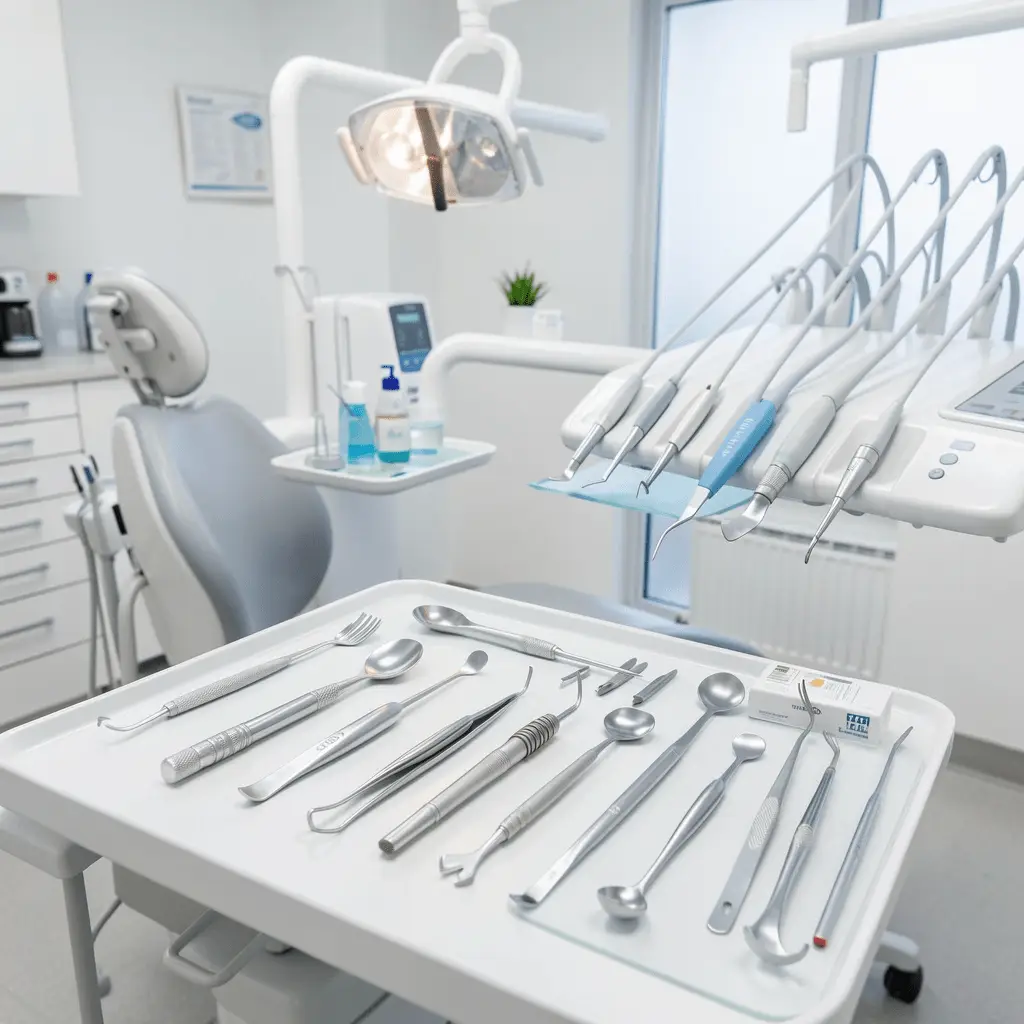
A dental clinic can have the latest chair, impressive technology, and a beautifully designed reception area—but when treatment begins, success often comes down to something much simpler: the instruments in the dentist’s hands. The right Essential Dental Instruments improve visibility, precision, efficiency, patient comfort, and infection control. More importantly, a well-planned instrument setup prevents a common clinic problem: buying too many specialized tools while overlooking the everyday instruments used in almost every appointment. Whether you are opening a new dental practice, upgrading an established clinic, or building an inventory system for dental supplies, the goal should not be to own the largest collection. It should be to have the right instruments, in the right quantities, with a reliable sterilization and maintenance workflow. The following 10 instruments form a practical foundation for general dentistry. What Makes a Dental Instrument “Essential”? Before looking at individual instruments, it helps to define what “essential” actually means. An instrument deserves a place in the core inventory when it is: Infection prevention is particularly important. The CDC classifies patient-care items according to their intended use and infection-transmission risk. Critical and semicritical instruments generally require appropriate sterilization or high-level processing according to their classification and manufacturer instructions. That means purchasing an instrument is only half the decision. How that instrument will be processed after every patient matters just as much. 10 Essential Dental Instruments for a General Dental Clinic 1. Dental Mouth Mirror The mouth mirror is one of the simplest instruments in dentistry—and one of the most frequently used. It provides indirect vision, helps retract the cheek or tongue, reflects light into difficult-to-see areas, and can assist with examination of tooth surfaces. A good mouth mirror should offer: For a busy practice, having several mirror handles and replacement mirror heads can be more practical than maintaining only a small number of sets. Buying insight: Don’t judge mirrors purely by price. Poor-quality reflective surfaces or loose mirror heads can become frustrating during routine examinations. 2. Dental Explorer or Probe A dental explorer is designed for tactile examination of teeth and surrounding structures. Different probe designs are used for different clinical purposes. Common examples include explorers for general examination and periodontal probes for assessing periodontal pocket depths. A probe should have a comfortable grip and a properly finished working end. Excessively sharp or damaged instruments should not remain in circulation. Best practice: Inspect probes regularly for bent tips, corrosion, or damage. A small defect can affect tactile sensitivity and clinical accuracy. 3. College Tweezers / Dental Cotton Pliers Dental tweezers may look basic, but they perform countless small tasks throughout the day. They can be used to: Their value is largely about efficiency. When an assistant or dentist repeatedly needs to pick up a small item, reliable cotton pliers save time and reduce unnecessary hand movements. For clinics managing multiple treatment rooms, these instruments are inexpensive enough to stock in adequate numbers. 4. Dental Excavator Excavators are commonly associated with removal of softened carious dentin and other procedures where controlled removal of material is required. Different shapes and sizes provide different working angles and access. A good excavator should have: Although rotary instrumentation has transformed restorative dentistry, hand instruments remain valuable when tactile control and selective removal are important. 5. Dental Scaler Scalers are essential for removing calculus and deposits during periodontal and preventive procedures. There are several designs, including instruments intended for specific tooth surfaces and areas of the mouth. This is an area where instrument selection should match the clinician’s technique rather than simply choosing the largest possible set. The CDC considers periodontal scalers among critical instruments because certain instruments can penetrate tissue or contact bone, meaning appropriate sterilization is essential. Inventory tip: Keep periodontal instruments organized by design and procedure. A well-labeled instrument cassette can make setup significantly faster. 6. Dental Curette Curettes are particularly important in periodontal therapy because their rounded working ends are designed for subgingival instrumentation. Universal and area-specific curettes serve different purposes, so a periodontal practice may require a broader selection than a general dental clinic. When purchasing curettes, pay attention to: Ergonomics deserve special attention here. An instrument that feels acceptable for five minutes may become uncomfortable during a long periodontal procedure. 7. Dental Handpiece If the mouth mirror is one of dentistry’s simplest tools, the handpiece is one of its most technologically important. High-speed and low-speed handpieces are used for procedures ranging from tooth preparation and caries removal to finishing and polishing. Important buying factors include: The CDC and ADA emphasize that reusable dental handpieces should be appropriately cleaned and heat sterilized between patients when applicable, following validated manufacturer instructions. This is one reason a clinic should never purchase a handpiece solely because it is inexpensive. Reprocessing requirements should be part of the purchasing decision from day one. 8. Dental Extraction Forceps For clinics performing routine extractions, extraction forceps are indispensable. Their designs vary according to tooth type, location, and clinical application. Because different teeth require different approaches, a clinic should build its forceps inventory around the extractions it actually performs. A practical starter inventory may include forceps suitable for: Forceps should provide a secure grip without excessive hand strain. Important: Extraction instruments are considered critical patient-care items because they can penetrate soft tissue or contact bone. Appropriate cleaning and sterilization are therefore essential. 9. Dental Elevators Elevators are commonly used during tooth extraction to loosen teeth or roots and assist in creating controlled mobility before forceps application. Straight and angled designs are available, with different sizes and shapes serving different clinical situations. A useful elevator should have: Because elevators can transmit substantial force, quality matters. A poorly manufactured instrument can bend, chip, or become difficult to control. 10. Air-Water Syringe The air-water syringe is sometimes overlooked when clinics create instrument inventories because it is integrated into many dental units. Yet its role is fundamental. It helps clinicians: Tips and removable components must be handled according to the manufacturer’s reprocessing instructions. Dental devices connected to air and water

Author: h 1
Buying medical equipment is rarely as simple as choosing the model with the lowest price or the longest list of features. A device may look impressive on paper yet prove difficult to maintain, expensive to operate, or poorly suited to your clinic’s workflow. The smarter approach is to compare Medical Equipment as a complete investment—not just a product. Whether you are setting up a new clinic, upgrading a hospital department, replacing an outdated device, or expanding your diagnostic capabilities, the right comparison process can protect your budget while improving patient care. The World Health Organization (WHO) recommends considering technical specifications before purchasing medical devices because good specifications support appropriate selection, implementation, maintenance, and eventual decommissioning. This guide explains exactly what to compare, what questions to ask suppliers, and which seemingly small details can make a major difference after the purchase. Why Comparing Medical Equipment Matters Two machines can perform the same basic function but deliver very different ownership experiences. Consider two patient monitors. One costs less initially, but its sensors are proprietary, replacement parts take weeks to arrive, and staff require extensive training. The second costs slightly more but uses readily available accessories, has local technical support, and requires less downtime. Which one is cheaper? The answer may change completely once you consider its entire operating life. WHO’s current health-technology-management guidance treats equipment management as a lifecycle process extending from needs assessment and procurement through inspection, training, maintenance, and decommissioning. That is why a good comparison should evaluate: Step 1: Start With the Clinical Need—not the Brand One of the most common purchasing mistakes is starting with a product catalogue. Instead, begin with the question: “What problem are we trying to solve?” For example, a small outpatient clinic may need a compact, reliable vital-signs monitor. A large hospital may prioritize connectivity, continuous monitoring, data integration, and high patient throughput. Before comparing brands, write down: WHO’s procurement guidance emphasizes needs assessment and defining minimum performance and operational requirements before selecting specific products. This simple change prevents a surprisingly expensive mistake: buying technology because it is impressive rather than because it is necessary. Step 2: Create a Technical Comparison Sheet Never compare equipment from memory. Create one standardized specification sheet and ask every supplier to complete the same fields. This makes differences much easier to identify. Comparison Factor What to Check Why It Matters Intended use Clinical applications Prevents buying unsuitable equipment Accuracy Measurement accuracy and tolerance Directly affects clinical decisions Capacity Patients/tests per hour Determines workflow efficiency Dimensions Size and footprint Ensures adequate space Power Voltage, consumption, backup requirements Important for installation and continuity Connectivity USB, Ethernet, Wi-Fi, HL7 or other interfaces Supports data integration Consumables Type, availability, cost Influences recurring expenses Maintenance Preventive maintenance requirements Helps predict downtime Warranty Duration and coverage Reduces financial risk Service Response time and technician availability Critical when equipment fails Training Included training and materials Supports safe operation Expected lifespan Manufacturer guidance Helps calculate long-term value The goal is not to find the product with the longest specification sheet. It is to find the equipment whose specifications best match your actual clinical environment. Step 3: Look Beyond the Purchase Price The purchase price is only the beginning. A more useful calculation is Total Cost of Ownership (TCO). A simple TCO formula Total Cost of Ownership = Purchase Price + Installation + Training + Consumables + Maintenance + Repairs + Software/Service Fees − Residual Value For example, suppose: At first glance, Equipment A looks like the obvious choice. But if A requires expensive consumables and frequent servicing while B has lower operating costs and better local support, B could become the more economical option over five years. WHO procurement guidance specifically notes that the most economically advantageous purchase is not necessarily the lowest tender price; delivery, installation, commissioning, training, warranty, and after-sales service also matter. The cheapest machine is not necessarily the cheapest machine to own. Step 4: Compare Quality, Safety and Compliance Price and features should never outrank patient safety. Ask suppliers for documentation demonstrating that the equipment meets the regulatory and quality requirements applicable to your market and intended use. Depending on the product and jurisdiction, this may include: For manufacturers, ISO 13485 is an internationally recognized quality-management standard specifically addressing medical devices. ISO says the standard helps organizations consistently provide medical devices and related services that meet customer and regulatory requirements. However, certification should be treated as one part of due diligence, not as an automatic guarantee that a particular model is perfect for your facility. Always verify the specific product, manufacturer, regulatory status, and documentation. Step 5: Compare Usability—Because Staff Time Has a Cost A technically advanced device can become a poor investment if staff struggle to operate it. Ask your clinical team to evaluate the equipment directly whenever possible. Look at: A useful test is to ask an actual operator to perform a typical procedure without assistance. Watch where they hesitate. Those moments are valuable purchasing information. A machine that saves 30 seconds per patient may not sound revolutionary. But at 40 patients per day, that becomes 20 minutes every day. Over hundreds of working days, small workflow improvements can become significant. Step 6: Investigate Maintenance and Service Support This is where many purchasing decisions go wrong. Equipment does not become valuable merely because it works on installation day. It must continue working reliably months and years later. WHO describes maintenance as including performance inspections, safety inspections, preventive maintenance, and corrective maintenance. Preventive maintenance is intended to extend equipment life and reduce failures. Before buying, ask: Service questions A supplier who gives vague answers before the sale may not become more responsive after it. Step 7: Compare Consumables and Accessories Sometimes the machine is affordable because the recurring products are expensive. Check every item needed to operate the equipment: Then ask whether those items are proprietary or compatible with standardized alternatives. A device requiring a ₹500 consumable for every procedure can become dramatically more expensive than a machine using a
Essential Medical Supplies Every Clinic Should Stock: A Practical Guide for Safer, Smarter Care
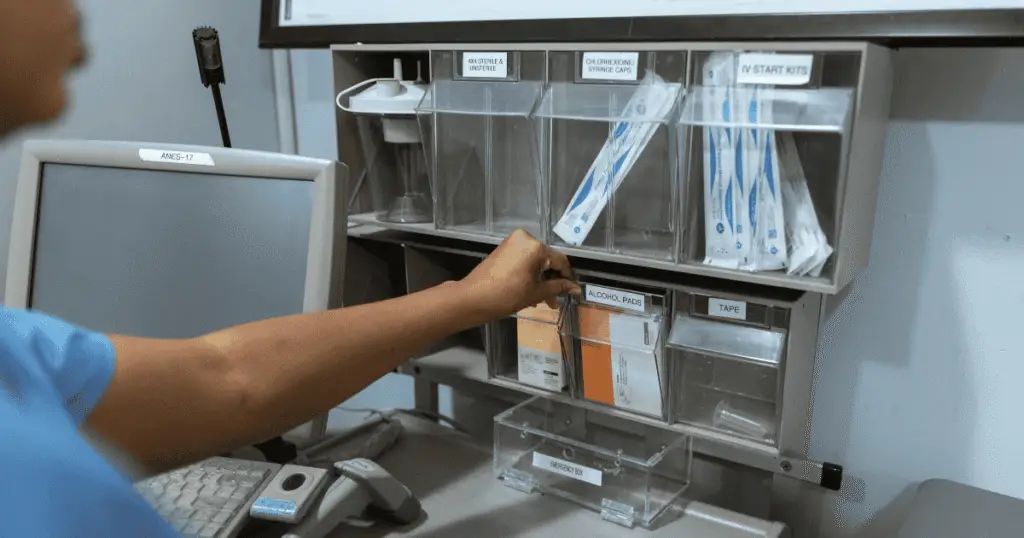
Introduction: The Right Supply Can Change the Entire Clinical Workflow Imagine a patient arrives with a minor wound. The clinician is ready, the examination room is prepared, and the diagnosis takes only a few minutes. Then someone realizes the clinic has run out of sterile gauze. It sounds like a small problem. In practice, it can interrupt treatment, delay the next appointment, create unnecessary stress, and compromise workflow. That is why essential medical supplies are not simply items stored in cupboards. They are part of a clinic’s patient-safety infrastructure. A well-stocked clinic does not necessarily have the largest inventory. It has the right products, in appropriate quantities, available when and where they are needed. The World Health Organization (WHO) notes that equipment selection should reflect the facility, available workforce, and local disease burden rather than relying on one universal list. This guide explains what most outpatient and primary-care clinics should consider stocking, how to prioritize purchases, and how to avoid the common mistake of confusing more inventory with better preparedness. What Counts as Essential Medical Supplies? The exact requirements depend on the clinic’s specialty, patient volume, procedures, and local regulations. A general outpatient clinic will have different needs from a dental practice, dermatology clinic, emergency centre, or women’s health facility. However, most clinics can organize their core inventory into several practical groups: This category-based approach is more useful than simply creating a huge shopping list. 1. Infection Prevention and PPE: The First Line of Protection If there is one category a clinic should never treat as an afterthought, it is infection-control supplies. CDC Standard Precautions apply to all patient care and include hand hygiene, appropriate PPE, environmental cleaning, injection safety, and proper handling of reusable equipment. Essential items include: Hand hygiene products deserve special attention. WHO’s “Five Moments for Hand Hygiene” framework emphasizes cleaning hands before patient contact, before aseptic procedures, after body-fluid exposure, after patient contact, and after touching the patient’s surroundings. Practical insight: Do not store sanitizer only at a central nursing station. Put hand-hygiene supplies where clinical decisions happen—near examination areas, treatment rooms, and other points of care. 2. Examination and Diagnostic Supplies A diagnosis begins with good information. Even sophisticated clinical knowledge is limited when basic examination equipment is missing or unreliable. A general clinic should consider maintaining: For frequently used diagnostic equipment, having a backup can be more valuable than purchasing an expensive device that is rarely used. A simple comparison Supply Primary purpose Stock priority Key consideration BP monitor Blood-pressure assessment High Correct cuff sizes Pulse oximeter Oxygen saturation High Accuracy and battery life Thermometer Temperature High Easy cleaning Stethoscope Cardiopulmonary assessment High Durability and acoustics Glucometer Blood glucose testing Medium–High Strip compatibility Examination light Visual examination Medium Brightness and positioning Otoscope Ear examination Specialty-dependent Disposable/reusable tips The important point is that equipment availability should match the clinical services actually offered. WHO similarly emphasizes that medical-device selection should be based on local requirements rather than assuming a universal equipment package. 3. Injection and Medication-Administration Supplies Injection-related products require particularly careful inventory control because availability and infection prevention are closely connected. Common supplies include: Safety is more important than simply buying in bulk. CDC injection-safety guidance states that single-dose vials should not be used for more than one patient, and contaminated or questionable vials should be discarded. Likewise, used sharps should be placed in appropriate puncture-resistant containers rather than being handled casually after use. Inventory lesson: The cheapest syringe is not necessarily the lowest-cost option if poor packaging, inconsistent quality, or unreliable availability creates waste or clinical risk. 4. Wound-Care Supplies Cuts, abrasions, punctures, minor burns, postoperative wounds, and dressing changes are common reasons patients require basic treatment. A clinic’s wound-care stock may include: Instead of keeping one enormous assortment, clinics should analyze the wounds they actually treat. For example, a dermatology clinic may consume more small dressings and sterile swabs, while an urgent-care facility may need a broader range of trauma-related products. 5. Emergency and First-Response Supplies Even a routine outpatient clinic can encounter a medical emergency. The emergency stock should be determined by the clinic’s services, staffing, local protocols, and applicable regulations. Depending on the setting, this may include: The important principle is readiness, not decoration. An emergency trolley filled with expired products or equipment that staff have never practiced using is not a prepared emergency system. Every clinic should periodically verify: 6. Specimen Collection and Point-of-Care Testing Clinics that perform laboratory testing or collect specimens need a separate inventory category. Depending on services, this may include: One frequently overlooked item is labeling material. A test cannot be managed safely if the specimen is collected correctly but identification is incomplete or inaccurate. Therefore, labels, markers, requisition forms, and specimen bags should be treated as clinical supplies—not office stationery. 7. Cleaning, Disinfection and Medical Waste Supplies Clinical inventory does not end at the examination table. Cleaning and waste-management supplies help maintain a safe environment between patients. CDC guidance emphasizes cleaning and disinfecting patient-care environments and ensuring appropriate PPE for cleaning activities. Clinics should assess their need for: The goal is not merely to make rooms look clean. Frequently touched surfaces close to patients can become contaminated and require appropriate cleaning and disinfection. 8. How Much Should a Clinic Keep in Stock? This is where many inventory systems go wrong. Buying six months’ worth of everything may sound safe, but excessive inventory can create expired products, tied-up capital, storage problems, and hidden waste. A better approach is to divide products into three groups: Stock level Examples Suggested approach Critical Gloves, syringes, gauze, hand hygiene products Maintain safety stock Routine Dressings, tapes, examination consumables Reorder based on usage Specialty Procedure-specific products Stock according to scheduled demand A useful starting point is to calculate average monthly consumption and establish a reorder point based on supplier lead time plus a safety buffer. For example: Reorder Point = Average Daily Usage × Supplier Lead Time + Safety Stock This turns inventory management from guesswork into a measurable process.
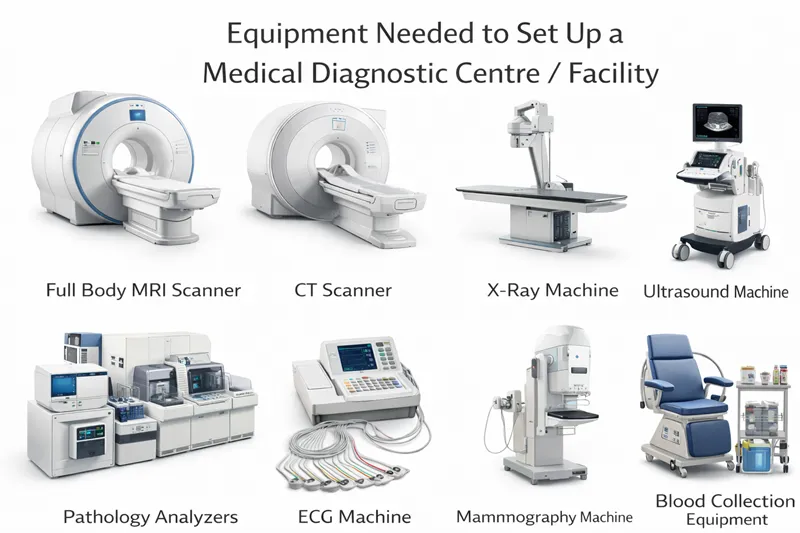
Introduction: The Best Diagnostic Equipment Is Not Always the Most Advanced A new diagnostic device can look impressive on a product brochure: sharper images, faster processing, more features, and a long list of technical specifications. But healthcare professionals know that a machine can be technologically impressive and still be the wrong choice for a particular clinic, laboratory, or hospital. The real question is not, “Which Diagnostic Equipment has the most features?” It is “Which equipment will reliably help us make better clinical decisions in our actual working environment?” That distinction matters. A small outpatient clinic may benefit more from a dependable, easy-to-maintain point-of-care analyser than a sophisticated system that requires specialist training. A busy hospital laboratory may prioritize throughput and automation. A rural facility may place greater value on portability, battery backup, and service availability. The World Health Organization (WHO) recommends considering medical equipment across its entire lifecycle—from needs assessment and procurement to installation, training, maintenance, and eventual decommissioning. In other words, buying Diagnostic Equipment is not simply a purchasing decision. It is a clinical, operational, financial, and patient-safety decision. What Counts as Diagnostic Equipment? Diagnostic Equipment includes devices and systems used to detect, measure, monitor, or help identify disease and health conditions. Depending on the healthcare setting, this can include: IVDs are particularly important because they include reagents, instruments, and systems used to examine specimens taken from the human body for diagnostic purposes. The right choice depends heavily on what you need to diagnose, where testing occurs, who operates the equipment, and how the results will influence patient care. Step 1: Start With the Clinical Need, Not the Brand One of the most common purchasing mistakes is beginning with a product catalogue. Instead, begin with a clinical question: What diagnostic problem are we trying to solve? For example, if a primary-care clinic wants to improve cardiovascular assessment, the requirement might include ECG capability, blood pressure measurement, pulse oximetry, and reliable patient monitoring. A laboratory may instead need an analyser capable of handling a particular sample type, test menu, daily workload, and turnaround time. Ask these questions first: This needs-based approach aligns with WHO procurement guidance, which emphasizes selecting equipment appropriate for the intended setting, users, and testing requirements rather than simply choosing products based on price. Step 2: Compare Accuracy, Precision, and Clinical Performance A device may produce results quickly, but speed means little if those results are unreliable. When comparing Diagnostic Equipment, look beyond marketing claims and investigate: Accuracy How close are measurements or test results to the accepted reference value? Precision Does the equipment provide consistent results when the same sample or measurement is repeated? Sensitivity and specificity For diagnostic tests, these characteristics can be critical because they influence the likelihood of detecting a condition correctly. Reproducibility Can comparable results be achieved across operators, locations, and repeated tests? Validation evidence Look for credible clinical or performance evidence rather than relying exclusively on manufacturer claims. For laboratory and IVD equipment, performance evaluation, quality control, and regulatory requirements deserve particular attention. In India, IVDs are regulated under the Medical Devices Rules, 2017 and classified according to risk. Step 3: Check Regulatory Compliance A diagnostic device should not enter a healthcare environment simply because it is available commercially. Regulatory status matters because medical devices are subject to requirements concerning safety, performance, quality, labelling, manufacturing, and post-market monitoring. For healthcare organizations in India, the Central Drugs Standard Control Organisation (CDSCO) provides regulatory information concerning medical devices and diagnostics. India regulates medical devices under the Drugs and Cosmetics Act and the Medical Devices Rules, 2017. Check CDSCO medical-device and diagnostic guidance Healthcare buyers should verify, where applicable: For international procurement, the applicable regulatory authority will depend on the market in which the equipment is being purchased and used. The FDA, for example, regulates medical devices marketed in the United States. FDA medical-device regulatory overview Step 4: Evaluate Total Cost of Ownership The purchase price is only the beginning. Consider the total cost of ownership (TCO) over the expected working life of the device. Cost Factor What to Consider Initial purchase Device, accessories, installation Consumables Reagents, electrodes, probes, cartridges Maintenance Preventive and corrective servicing Calibration Frequency and certification costs Training Initial and refresher training Software Licences, updates, subscriptions Infrastructure Power, networking, space, ventilation Downtime Lost testing capacity and clinical delays Replacement Parts, batteries, sensors and accessories Disposal Decommissioning and end-of-life requirements This is where an apparently inexpensive device can become expensive. For example, an analyser with a low purchase price but proprietary consumables and frequent service requirements may cost considerably more over five years than a higher-priced system with predictable operating costs. WHO’s recent health technology assessment guidance emphasizes evaluating the clinical, economic, organizational, and broader implications of health technologies before adoption. Step 5: Match the Equipment to Your Workflow A technically excellent device can still fail operationally if it slows down the people using it. Consider the entire patient journey: Patient registration → sample collection → testing → result generation → interpretation → reporting → clinical action Ask where the proposed equipment fits into this workflow. For high-volume facilities, prioritize: For smaller clinics, prioritize: The best Diagnostic Equipment is often the device that creates the least friction between testing and clinical decision-making. Step 6: Don’t Underestimate Connectivity Modern diagnostic equipment increasingly produces digital data, making connectivity an important purchasing criterion. Before buying, determine whether the device can integrate with: Also ask about data export formats, user permissions, audit trails, software updates, and cybersecurity. This is especially important as diagnostic equipment becomes increasingly software-driven. The FDA’s current medical-device guidance includes specific attention to cybersecurity and software assurance as part of modern device quality and regulatory considerations. A machine that generates excellent results but creates manual data-entry work may introduce a new source of error. Step 7: Assess Training and Usability A diagnostic device is only as effective as the people operating it. During evaluation, involve actual users—not only procurement teams. Ask nurses, laboratory technicians, radiographers, physicians, biomedical engineers, and other relevant staff
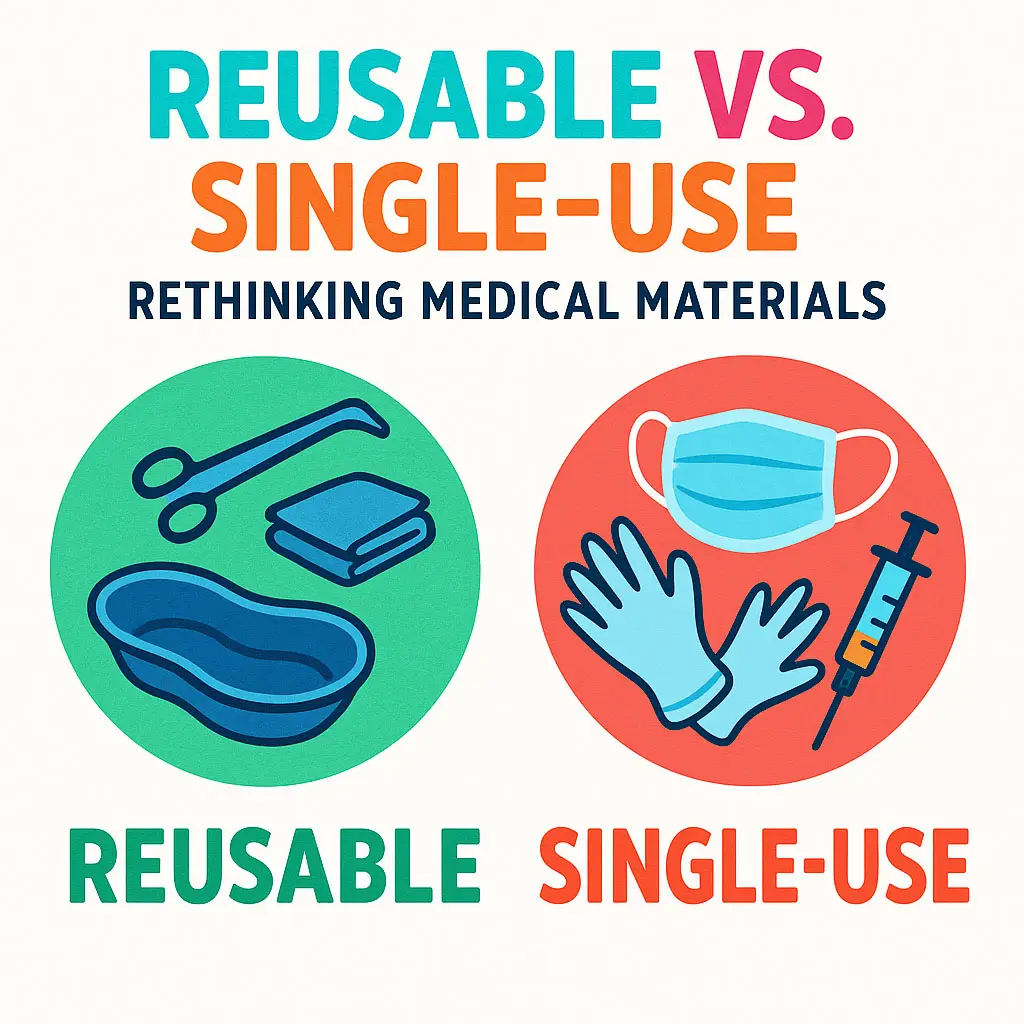
Introduction: The “Best” Medical Product Depends on the Job In healthcare, few decisions are as deceptively simple as choosing between disposable and reusable Medical Products. A disposable syringe is opened, used, and discarded. A reusable surgical instrument may serve hundreds or even thousands of procedures—but only if it is correctly cleaned, disinfected or sterilized after every use. So, which is better? The honest answer is: neither option wins in every situation. The better choice depends on infection risk, clinical purpose, reprocessing capabilities, total cost, product design, availability, and environmental impact. The World Health Organization (WHO) specifically encourages healthcare facilities to minimize waste and, where safe and viable, consider reusable products as part of broader sustainable procurement strategies. That makes this less of a “disposable vs. reusable” debate and more of a “right product for the right clinical task” decision. Disposable vs. Reusable Medical Products: What Is the Difference? What Are Disposable Medical Products? Disposable or single-use products are designed to be used once—or, depending on labeling, on a single patient during a single procedure—and then discarded. Common examples include: Their biggest advantage is simplicity. Once the procedure is complete, the product does not need to enter a cleaning and sterilization cycle before the next use. However, “throw away after use” does not mean “zero responsibility.” Used disposable products can become infectious, sharps, chemical, or other regulated waste depending on their contamination and composition. WHO estimates that around 15% of healthcare waste is hazardous, while the remaining 85% is generally non-hazardous. What Are Reusable Medical Products? Reusable products are specifically designed to be used multiple times after appropriate reprocessing. Examples include: The important word is “appropriate.” A reusable instrument is not simply wiped down and put back into circulation. The U.S. FDA explains that reprocessing generally involves cleaning followed by disinfection or sterilization according to the device’s intended use and manufacturer instructions. Disposable vs. Reusable Medical Products: Side-by-Side Comparison Factor Disposable Medical Products Reusable Medical Products Initial purchase Usually lower per item Usually higher Reuse No, when labeled single-use Yes, when designed and approved for reuse Cleaning required Generally no reprocessing between uses Yes Sterilization Usually not required for another use because product is discarded Often required for critical instruments Infection-control workflow Simple after use Requires validated reprocessing Waste generation Higher Generally lower per use Staff time Lower reprocessing burden Higher Long-term cost Can become expensive at high volume Often economical over repeated use Supply dependency Requires continuous stock Requires effective instrument turnaround Environmental considerations More material becomes waste Can reduce waste, but consumes water, energy and processing resources Best suited to High-volume, low-complexity or single-use applications Durable instruments and repeated procedures The table reveals an important point: purchase price is only one part of the equation. A hospital buying a reusable instrument for ₹1,000 cannot compare it fairly with a ₹100 disposable instrument without considering how many times the reusable product can safely be used, how much reprocessing costs, and how much staff time is involved. 1. Infection Control: Where Disposable Products Have a Clear Advantage When contamination risk is high and safe reprocessing is impractical, disposable products can offer a straightforward infection-control strategy. There is no need to transport a contaminated item to a sterilization department, clean it, inspect it, package it and sterilize it before another patient uses it. This can be particularly useful in: But disposables are not automatically risk-free. Incorrect handling, storage, reuse of single-use items, poor hand hygiene, and improper waste disposal can still create risks. WHO emphasizes that healthcare waste can expose healthcare workers, waste handlers and communities to infectious materials, toxic substances and injuries when it is poorly managed. 2. Reusable Products Can Be Excellent—If the Reprocessing System Is Excellent Reusable Medical Products make economic and environmental sense only when the healthcare facility has the infrastructure and discipline to reprocess them correctly. The FDA describes reprocessing as a multistep process that can include point-of-use treatment, thorough cleaning, and then disinfection or sterilization depending on the device. That means a reusable instrument’s real cost includes much more than its purchase price. The hidden costs may include: This is why a facility should never evaluate reusable products simply by asking, “How many times can we use this?” The better question is: “Can we reliably reprocess this product to the required standard every time?” If the answer is no, the theoretical savings of reuse can disappear very quickly. 3. The Economics: Look Beyond the Purchase Price One of the biggest mistakes in medical procurement is comparing products based only on unit price. Consider a clinic that performs 5,000 procedures annually. A disposable item costing ₹50 could represent ₹2.5 lakh in annual purchasing expense. A reusable alternative might cost ₹500 initially and survive hundreds of validated use cycles. But if every cycle requires cleaning, sterilization, packaging and labor, the actual cost per use could be significantly different from the purchase price. A better calculation is: Total Cost of Ownership = Purchase Cost + Reprocessing + Labor + Maintenance + Replacement + Waste Management This approach is particularly important for hospitals, dental clinics, laboratories and diagnostic centers where products are used repeatedly. In some situations, reusable instruments become more economical over time. In others, the simplicity of disposables makes them the better financial decision. 4. Sustainability: Is Reusable Always Greener? This is where the discussion becomes more interesting. It is tempting to assume: Reusable = environmentally friendlyDisposable = environmentally harmful Real-world healthcare is more complicated. Reusable products can reduce the amount of physical waste generated per procedure. WHO recommends waste minimization and notes that switching to reusable products can be appropriate when safe and viable. But reusable products require: Meanwhile, disposable products require manufacturing and transportation and ultimately create waste that must be segregated and treated appropriately. Therefore, environmental performance should ideally be assessed through a life-cycle perspective, rather than simply counting how many products enter a waste bin. WHO’s guidance on environmentally sustainable healthcare facilities emphasizes optimizing resources and minimizing environmental releases while maintaining safe, high-quality
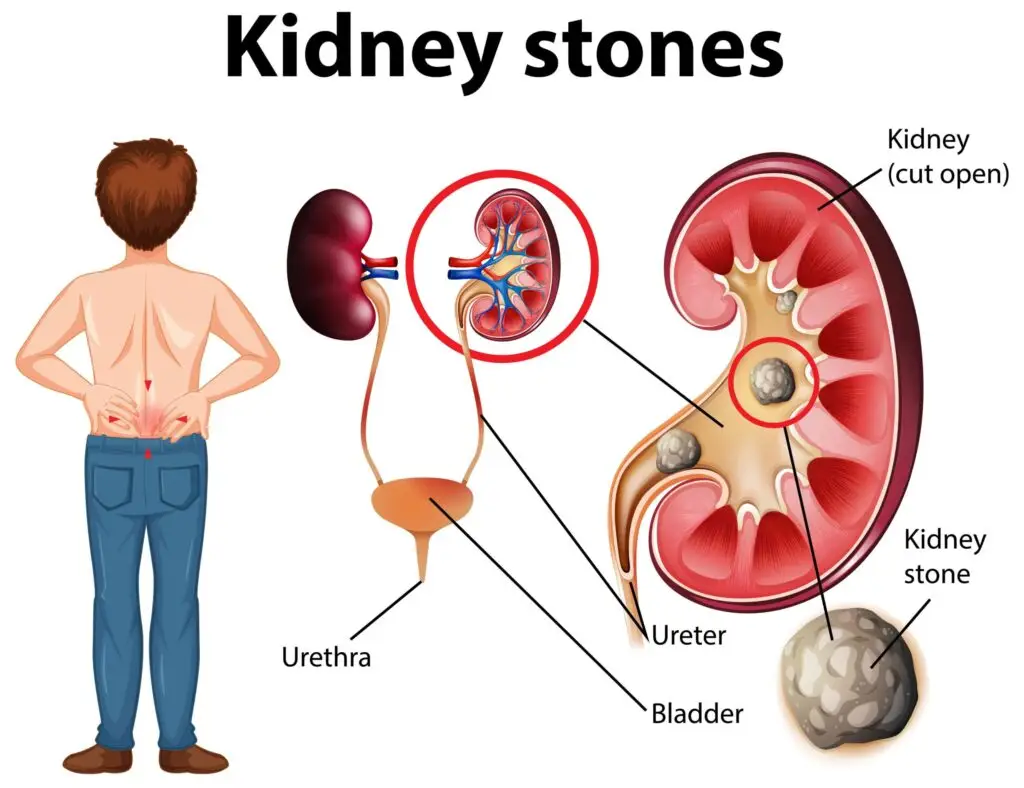
Category: Men’s Health & Urology | Medical Specialist: Urologist; nephrologist for selected kidney disorders; primary-care physician | References: American Urological Association (AUA); National Institute of Diabetes and Digestive and Kidney Diseases (NIDDK); WHO Introduction: When a Tiny Stone Causes Enormous Pain Few health problems demonstrate how something so small can cause such intense discomfort as kidney stones. A stone may be no larger than a grain of sand, yet when it moves from the kidney into the ureter—the narrow tube connecting the kidney to the bladder—it can trigger sudden, severe pain. Kidney stones are hard, pebble-like deposits that form when certain substances in urine become concentrated enough to crystallize. They can remain quietly inside the kidney or travel through the urinary tract and cause pain, bleeding, infection, or blockage. The good news? Many small stones pass naturally, and several practical changes can reduce the chance of developing another one. The key is understanding why the stone formed in the first place, rather than treating every stone as if it were the same. Important: Severe pain, fever or chills, vomiting, difficulty urinating, or blood in the urine warrants prompt medical assessment. A blocked urinary tract combined with infection can become a medical emergency. What Are Kidney Stones? Kidney stones are solid deposits made from minerals and other substances normally present in urine. When urine becomes too concentrated, these substances can crystallize and gradually clump together. Some stones are tiny enough to pass without noticeable symptoms. Others become lodged in the ureter and obstruct urine flow. According to the U.S. National Institute of Diabetes and Digestive and Kidney Diseases (NIDDK), kidney stones affect roughly 11% of men and 6% of women in the United States at least once during their lifetime. Having a previous stone also increases the likelihood of developing another. Common Types of Kidney Stones Stone type What contributes to formation Key consideration Calcium oxalate High urinary calcium or oxalate Most common type Calcium phosphate Changes in urinary chemistry May be associated with certain metabolic conditions Uric acid High uric acid and acidic urine More common with high-purine diets and some metabolic conditions Cystine Genetic disorder called cystinuria Relatively uncommon Identifying the stone type matters because prevention is not simply about “drinking more water.” Diet, medication and other strategies may need to be tailored to the specific stone. What Causes Kidney Stones? At its simplest, a kidney stone forms when urine contains more stone-forming substances than it can keep dissolved. Calcium, oxalate and phosphorus are among the substances involved. But the underlying causes can be surprisingly varied. 1. Not Drinking Enough Fluids Dehydration makes urine more concentrated. This creates a better environment for crystals to form. This is particularly relevant in hot climates, during strenuous exercise, or when someone regularly spends hours without drinking water. Fluid requirements also rise when more water is lost through sweating. 2. High Sodium Intake A high-salt diet can increase the amount of calcium released into urine, potentially increasing the risk of calcium-containing stones. Processed foods, packaged snacks, instant meals, restaurant foods and salty sauces can contribute significant amounts of sodium without tasting excessively salty. 3. Dietary Factors The relationship between food and stones is more complicated than simply labeling certain foods “good” or “bad.” Depending on the stone type, healthcare professionals may recommend adjusting: The NIDDK notes that adequate dietary calcium can actually help prevent calcium oxalate stones by binding oxalate in the digestive tract. Therefore, unnecessarily eliminating calcium from the diet can be counterproductive. 4. Family History and Medical Conditions Some people are naturally more susceptible to kidney stones. Risk can increase with a family history of stones, urinary tract obstruction, certain digestive disorders, cystinuria and other medical conditions. 5. Previous Kidney Stones One stone is not necessarily a one-time event. If the metabolic or dietary factors responsible for the first stone remain unchanged, another may form. That’s why stone prevention should begin with understanding the cause rather than simply waiting for symptoms to disappear. Recognizing Kidney Stone Symptoms A kidney stone can be completely silent—or extremely painful. The classic symptom is sharp pain in the back, side, lower abdomen or groin. The pain may come in waves as the ureter contracts around the stone. Other symptoms may include: Interestingly, stone size does not always tell the whole story. A relatively small stone can cause significant pain if it becomes lodged in a narrow part of the urinary tract. Kidney Stones vs. Urinary Tract Infection: How Are They Different? Kidney stones and urinary tract infections (UTIs) can sometimes produce overlapping symptoms, but they are different conditions. Feature Kidney Stones UTI Pain Often severe, sharp and wave-like Usually burning or discomfort during urination Location Back, side, lower abdomen or groin Usually bladder/pelvic region; kidney infection can cause back pain Blood in urine Can occur Can occur Fever/chills May indicate infection or complication Common, especially with kidney infection Nausea/vomiting Common with severe stone pain Possible, particularly with kidney infection Urine changes May be cloudy or bloody Often cloudy, strong-smelling or bloody The distinction matters because a blocked ureter plus infection can be dangerous. Fever, chills, severe weakness or worsening symptoms should not simply be attributed to “a stone passing.” When Should You Seek Urgent Medical Care? Not every kidney stone requires an emergency visit, but certain symptoms should never be ignored. Seek prompt medical attention if you experience: A blocked urinary tract can interfere with urine drainage and contribute to kidney infection. How Are Kidney Stones Diagnosed? Doctors generally combine your symptoms and medical history with urine, blood and imaging tests. Urine Tests Urinalysis can identify blood, bacteria and substances associated with stone formation. A urine culture may be needed when infection is suspected. Blood Tests Blood tests can help evaluate kidney function and identify abnormal levels of minerals or other substances that may contribute to stone formation. Imaging Imaging can determine whether a stone is present, where it is located and whether it is causing obstruction. Depending on the situation, clinicians may use
Category: Women’s Health | Medical Specialist: Gynecologist/obstetrician; primary-care clinician; relevant subspecialist | References: American College of Obstetricians and Gynecologists (ACOG); WHO; CDC A sudden burning sensation when you urinate. The constant feeling that you need to go—even when almost nothing comes out. For many women, these familiar symptoms can turn an ordinary day into an uncomfortable one. Urinary Tract Infection in Women is extremely common, but “common” does not mean it should be ignored. A simple bladder infection can usually be treated effectively, while an untreated infection may travel upward to the kidneys and become much more serious. The good news? Understanding why UTIs happen, recognizing the warning signs, and seeking appropriate treatment early can make a significant difference. What Is a Urinary Tract Infection? A urinary tract infection occurs when microorganisms—most commonly bacteria—enter and multiply within the urinary system. The infection can involve the: Most uncomplicated UTIs in women involve the bladder and are called cystitis. However, infection can spread to the kidneys, causing pyelonephritis, a more serious condition. Why Are UTIs So Common in Women? An important part of the explanation is anatomy. The female urethra is relatively short and located close to the anus, making it easier for bacteria from the intestinal area to reach the urinary tract. Escherichia coli (E. coli) is the most common bacterial cause. It normally lives in the digestive tract without causing harm, but it can cause infection when it enters the urinary system. This also explains why a UTI is not necessarily a sign of poor hygiene. A woman can have excellent personal hygiene and still develop one. Common Causes and Risk Factors Several factors can increase the likelihood of developing a UTI. 1. Sexual Activity Sexual activity can move bacteria toward the urethra. This is one reason some women notice that UTIs occur repeatedly after intercourse. 2. Pregnancy Pregnancy changes the urinary tract and can slow the movement of urine, increasing the risk of bacterial growth and infection. UTIs during pregnancy deserve particular attention because kidney infection can cause serious complications. 3. Menopause After menopause, declining estrogen levels can alter the vaginal environment and reduce protective bacteria. This can make recurrent UTIs more likely. 4. Certain Forms of Contraception Diaphragms and spermicides have been associated with a higher risk of bladder infections in some women. If infections repeatedly occur, discussing contraception options with a healthcare professional may be worthwhile. 5. Incomplete Bladder Emptying Anything that prevents the bladder from emptying normally can increase the opportunity for bacteria to multiply. Other risk factors may include urinary tract abnormalities, kidney or bladder stones, certain medical conditions, catheter use, and previous UTIs. Urinary Tract Infection Symptoms in Women Recognizing the typical symptoms can help women seek care before an infection progresses. Common bladder infection symptoms include: These symptoms are described by the National Institute of Diabetes and Digestive and Kidney Diseases (NIDDK). UTI Symptoms vs. Kidney Infection Symptoms One of the most important distinctions is whether the infection appears limited to the bladder or may have reached the kidneys. Feature Bladder Infection Possible Kidney Infection Burning urination Common May occur Frequent urination Common May occur Lower abdominal discomfort Common May occur Fever/chills Usually absent More concerning Back or side pain Usually absent Common warning sign Nausea/vomiting Uncommon Can occur Feeling significantly unwell Less common More likely Fever, chills, nausea, vomiting, or pain in the back, side, or groin should prompt medical attention because these can indicate kidney involvement. How Is a UTI Diagnosed? Diagnosis begins with the patient’s symptoms and medical history. A healthcare professional may also perform a urinalysis, which looks for findings such as white blood cells, blood, or other indicators of infection. A urine culture can identify the bacteria responsible and help determine which antibiotics are likely to work. This distinction matters because not every episode of burning urination is caused by a UTI. Vaginal infections, sexually transmitted infections, irritation, bladder conditions, and other problems can sometimes produce similar symptoms. In pregnancy, urine culture has an especially important role. The American College of Obstetricians and Gynecologists recommends evaluation with urine culture when acute cystitis is suspected during pregnancy. Treatment for Urinary Tract Infection in Women For a confirmed bacterial bladder infection, antibiotics are generally the main treatment. The specific medicine and duration depend on factors such as the suspected or confirmed bacteria, antibiotic resistance patterns, allergies, pregnancy status, previous infections, and the location and severity of infection. Why You Shouldn’t Self-Prescribe Antibiotics A common mistake is taking leftover antibiotics from a previous infection or using someone else’s prescription. That approach can fail because: Antibiotic resistance is also a growing public-health concern. When antibiotics are prescribed, they should be taken exactly as directed by the healthcare professional. What About Pain Relief? Some people experience considerable discomfort during a UTI. A healthcare professional may recommend an appropriate over-the-counter pain reliever, depending on the person’s medical history. A heating pad placed over the lower abdomen or back may also provide temporary comfort. Can Drinking Water Cure a UTI? Hydration is helpful, but it is important to understand its limits. Drinking enough water supports normal urinary function and may help with symptom relief. However, water does not replace appropriate antibiotic treatment for a confirmed bacterial infection. Likewise, cranberry juice should not be considered a treatment for an existing UTI. Research on whether cranberry products can help prevent recurrent infections remains mixed and insufficient to make them a substitute for medical treatment. Preventing Recurrent UTIs For women who experience repeated infections, prevention becomes just as important as treatment. Practical measures include: For women around or after menopause who experience recurrent UTIs, a healthcare professional may discuss low-dose vaginal estrogen as one possible preventive option when appropriate. When Should a Woman See a Doctor? Not every urinary symptom requires an emergency visit, but delaying care can sometimes allow an infection to progress. Seek prompt medical attention if you experience: Pregnancy deserves particular caution. UTIs can progress to kidney infection, and pyelonephritis during pregnancy can be
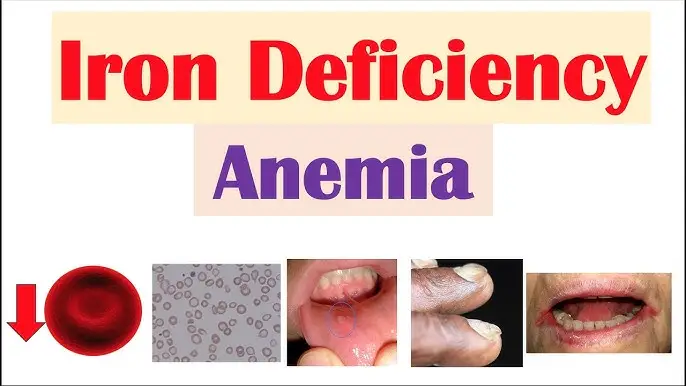
Category: Hematology | Medical Specialist: Hematologist; oncologist for hematologic cancers; primary-care clinician as appropriate | References: American Society of Hematology (ASH); National Cancer Institute (NCI); WHO Introduction: When “I’m Just Tired” Isn’t the Whole Story You sleep reasonably well, get through the day, and yet somehow feel as though your battery never reaches 100%. Climbing stairs leaves you unusually breathless. Your concentration slips. You may even find yourself craving ice. These symptoms are easy to blame on stress, a busy schedule, or lack of sleep. But sometimes the missing piece is Iron Deficiency Anemia—a condition in which the body does not have enough iron to make adequate amounts of hemoglobin, the protein that allows red blood cells to carry oxygen. Iron deficiency is the most common nutritional cause of anemia worldwide. However, anemia is not synonymous with iron deficiency: blood loss, infections, inflammation, vitamin deficiencies, inherited blood disorders, and chronic diseases can also cause anemia. That distinction matters. Treating the number on a blood test without discovering why iron is low can mean missing the real problem. What Is Iron Deficiency Anemia? Think of iron as an essential raw material for your body’s oxygen-delivery system. Your bone marrow uses iron to produce hemoglobin. Hemoglobin sits inside red blood cells and carries oxygen from your lungs to tissues throughout the body. When iron stores fall far enough, hemoglobin production becomes impaired, resulting in iron deficiency anemia. Iron deficiency can actually exist before anemia develops. This is one reason someone may experience fatigue or reduced physical performance even when their hemoglobin has not yet fallen dramatically. Iron Deficiency vs. Iron Deficiency Anemia Condition What it means What may be found Iron deficiency The body’s iron stores are too low Low iron stores, sometimes before anemia Anemia Hemoglobin or red-cell levels are below the expected range Reduced oxygen-carrying capacity Iron deficiency anemia Iron deficiency has become severe enough to cause anemia Low hemoglobin plus evidence of iron deficiency This is why a complete evaluation may involve more than simply checking hemoglobin. What Causes Iron Deficiency Anemia? There isn’t always one simple cause. In practice, iron deficiency usually develops because the body is losing iron, not absorbing enough, consuming too little, or needing more than usual. 1. Blood Loss Chronic blood loss is one of the most important causes. For people who menstruate, heavy periods can gradually drain iron stores. Heavy menstrual bleeding should not simply be accepted as “normal” if it is affecting daily life or causing anemia. Blood can also be lost from the gastrointestinal tract. Possible causes include ulcers, inflammatory bowel disease, certain gastrointestinal disorders, and—in some cases—cancers. Regular use of medicines such as aspirin or NSAIDs, including ibuprofen and naproxen, can also contribute to gastrointestinal bleeding. Other causes include: 2. Increased Iron Requirements Some stages of life dramatically increase the body’s demand for iron. Pregnancy is a major example because iron is needed to support increased blood production and the developing baby. Children and teenagers can also have increased requirements during periods of rapid growth. 3. Not Getting Enough Iron A diet consistently low in iron can contribute to deficiency. This may occur with a poorly balanced diet, restricted eating patterns, inadequate food intake, or limited access to iron-rich foods. Plant-based diets can absolutely provide adequate iron, but food choices and absorption deserve attention because plant foods primarily provide non-heme iron, which is absorbed differently from heme iron found in animal foods. 4. Difficulty Absorbing Iron Sometimes the problem isn’t what you eat—it’s what your body can absorb. Conditions such as celiac disease, Crohn’s disease, ulcerative colitis, and Helicobacter pylori infection can interfere with iron status. Previous surgery involving the stomach or intestines can also affect absorption. This creates an important clinical clue: if iron deficiency keeps returning despite appropriate treatment, the question should shift from “Which iron tablet should I take?” to “Why am I losing or failing to absorb iron?” Symptoms of Iron Deficiency Anemia Iron deficiency anemia can develop gradually, allowing people to adapt to symptoms without realizing anything is wrong. Common symptoms include: More distinctive symptoms can include: Pica is particularly interesting because it can be overlooked. A person who constantly chews ice may think it is simply a habit, while it can sometimes be associated with iron deficiency. A Useful Comparison: Iron Deficiency Anemia vs. Other Types of Anemia Not every low hemoglobin result means you need iron. Feature Iron Deficiency Anemia Vitamin B12 Deficiency Anemia of Chronic Disease Main problem Insufficient iron Insufficient B12 Inflammation alters iron use and red-cell production Typical red-cell pattern Often small cells Often larger cells Variable, often normal or mildly small Common clues Blood loss, low iron intake, malabsorption Neurologic symptoms, dietary or absorption issues Chronic infection, inflammation, kidney or other disease Treatment Replace iron and address the cause Replace B12 Treat underlying condition; therapy varies Should iron automatically be taken? Only when deficiency is established or strongly suspected No Not necessarily This is why self-diagnosing anemia based solely on fatigue is risky. Different causes require different treatments. How Is Iron Deficiency Anemia Diagnosed? Diagnosis usually begins with a complete blood count (CBC). Doctors may look at hemoglobin, hematocrit, red-cell size, and other red blood cell measurements. Iron status may then be assessed using tests such as: Ferritin is particularly useful for assessing iron stores, although inflammation can affect its interpretation. The diagnosis should therefore be considered in the context of the person’s symptoms, medical history, examination, and other laboratory findings. Most importantly, diagnosis should not end with “your iron is low.” Finding the Cause Is Part of the Treatment For example: Low iron + heavy menstrual bleeding may point toward ongoing menstrual blood loss. Low iron + gastrointestinal symptoms may prompt evaluation for digestive disease or bleeding. Low iron that repeatedly returns after supplementation may raise concern about ongoing blood loss or impaired absorption. That detective work is often what prevents the problem from becoming a cycle of temporary improvement followed by relapse. Treatment for Iron Deficiency
Category: Gastroenterology & Liver | Medical Specialist: Gastroenterologist/hepatologist; primary-care clinician | References: American College of Gastroenterology (ACG); American Association for the Study of Liver Diseases (AASLD); WHO; CDC Introduction: When “Just a Stomach Ache” Is More Than It Seems A burning sensation in the upper abdomen after a meal—or pain that wakes you at night—can be easy to dismiss as acidity or indigestion. But sometimes, that discomfort is your body’s way of signaling something more significant. Peptic Ulcer Disease (PUD) occurs when an open sore develops in the lining of the stomach or the first part of the small intestine, called the duodenum. Although ulcers can sound alarming, most can be successfully treated once their underlying cause is identified. The two leading causes are Helicobacter pylori (H. pylori) infection and regular use of nonsteroidal anti-inflammatory drugs (NSAIDs) such as ibuprofen, aspirin, and naproxen. The important shift in thinking is this: treating the pain alone is not the same as treating the ulcer. Effective care means finding out why the ulcer developed and addressing that cause. What Is Peptic Ulcer Disease? A peptic ulcer is essentially a break or sore in the protective lining of the stomach or duodenum. Your digestive system is designed to handle powerful stomach acid. A protective mucus barrier, blood flow, bicarbonate, and other mechanisms normally prevent that acid from damaging tissue. When these defenses are weakened—or damaging factors become too strong—an ulcer can develop. Peptic ulcers are generally classified into two main types: Type Location Common Characteristics Gastric ulcer Stomach lining Pain may become worse after eating Duodenal ulcer First part of small intestine Pain may occur when the stomach is empty or at night Importantly, symptoms don’t always follow textbook patterns. Some people with ulcers have few or no symptoms until a complication such as bleeding develops. The Two Major Causes of Peptic Ulcer Disease 1. H. pylori Infection One of the biggest discoveries in modern gastroenterology was recognizing that a bacterium—not simply “too much acid”—can cause many ulcers. H. pylori can survive in the stomach and contribute to inflammation and damage to the protective lining. Without treatment, infection can persist and increase the risk of peptic ulcers. Because H. pylori is an infection, simply taking an acid-reducing medicine may relieve symptoms without eliminating the underlying problem. That is why testing for H. pylori can be an important part of ulcer evaluation. 2. NSAID Painkillers Medicines such as ibuprofen, naproxen, and aspirin are extremely useful—but they can also increase the risk of ulcers and gastrointestinal bleeding. NSAIDs interfere with substances that help protect the stomach lining. The risk becomes greater with long-term use, higher doses, multiple NSAIDs, or combinations with other medicines that increase bleeding risk. This is particularly important because NSAIDs are often viewed as harmless simply because many are available without a prescription. A useful habit: Before regularly taking a painkiller for headaches, joint pain, dental pain, or other recurring discomfort, discuss the safest option with a healthcare professional—especially if you have previously had an ulcer. Other, Less Common Causes Not every ulcer is caused by H. pylori or NSAIDs. Less common causes and contributing conditions include: Doctors may investigate these possibilities when an ulcer does not behave as expected or returns despite appropriate treatment. Symptoms of Peptic Ulcer Disease The classic symptom is upper abdominal pain, which may feel burning, aching, or gnawing. However, the experience varies considerably from one person to another. Common symptoms include: Some people experience pain when their stomach is empty or during the night, while others may notice discomfort after eating. A symptom that deserves more attention: unexplained fatigue Persistent tiredness isn’t necessarily an ulcer symptom by itself. However, an ulcer that slowly bleeds can contribute to anemia, making fatigue, weakness, or breathlessness important symptoms to discuss with a healthcare professional. Peptic Ulcer Disease vs. Gastritis vs. Acid Reflux Stomach-related symptoms overlap considerably, which is why self-diagnosis can be misleading. Condition What is happening? Typical symptoms Peptic ulcer Open sore in stomach or duodenal lining Upper abdominal pain, nausea, possible bleeding Gastritis Inflammation or damage of stomach lining Pain, nausea, indigestion, fullness Acid reflux/GERD Stomach contents flow back into esophagus Heartburn, sour taste, chest/throat discomfort Functional dyspepsia Indigestion symptoms without an identifiable structural cause Fullness, bloating, upper abdominal discomfort The overlap is precisely why persistent or recurrent symptoms should not automatically be labeled “gas.” How Is Peptic Ulcer Disease Diagnosed? Diagnosis begins with your history. Your healthcare professional may ask about: Testing may then be used to identify the ulcer and determine its cause. H. pylori Tests Common tests include: Urea breath test: You consume a substance containing urea and then provide a breath sample. If H. pylori is present, the bacteria can produce detectable carbon dioxide. Stool antigen test: A stool sample is analyzed for evidence of H. pylori. Depending on the circumstances, other tests may also be appropriate. Upper GI Endoscopy An upper endoscopy allows a doctor to directly examine the esophagus, stomach, and duodenum using a flexible camera. It can help identify an ulcer, evaluate complications, and, when necessary, obtain tissue samples for laboratory examination. Treatment: Heal the Ulcer, Then Prevent It From Returning The best treatment strategy depends on the cause. Acid-Suppressing Medicines Doctors commonly use proton pump inhibitors (PPIs) to reduce stomach acid and give the ulcer time to heal. H2-receptor blockers and other medicines may also be used in selected situations. The goal isn’t simply to make the stomach “less acidic.” It is to create an environment in which damaged tissue can repair itself. If H. pylori Is the Cause Treatment typically involves a combination of medicines, including acid suppression and multiple antibiotics; some regimens also include bismuth. Current guidance emphasizes choosing therapy carefully because antibiotic resistance affects which regimens are appropriate. The American College of Gastroenterology’s 2024 guidance also recommends confirming that H. pylori has been eradicated after treatment, using an appropriate test of cure. Don’t stop antibiotics early simply because you feel better. Completing the prescribed treatment is
Category: Dermatology | Medical Specialist: Dermatologist; primary-care clinician for common conditions | References: American Academy of Dermatology (AAD); WHO; CDC Introduction: Acne Is More Than “Just a Few Pimples” Few skin conditions are as common—or as misunderstood—as Acne. A breakout can appear before an important presentation, during an already stressful week, or seemingly out of nowhere. And while acne is often dismissed as a temporary teenage problem, it can affect children, teenagers, and adults alike. In fact, acne is one of the most common skin conditions. The American Academy of Dermatology reports that it affects millions of people, with symptoms often beginning around puberty and sometimes continuing well into adulthood. But acne isn’t simply a result of “dirty skin.” It develops through a combination of excess oil production, clogged hair follicles, inflammation, bacteria, and hormonal influences. That distinction matters. Once you understand why acne develops, treatment becomes less about chasing individual pimples and more about breaking the cycle that creates them. What Is Acne? Acne is a chronic inflammatory skin condition that develops when hair follicles become blocked with oil (sebum) and dead skin cells. The blockage can lead to blackheads and whiteheads, while inflammation can produce red bumps, pus-filled pimples, nodules, and cysts. Although acne most commonly affects the: it can occur anywhere there are numerous sebaceous (oil-producing) glands. A useful way to think about acne is as a four-part process: This is why simply washing your face more aggressively rarely solves the underlying problem. What Causes Acne? 1. Hormonal Changes Hormones are one of the biggest drivers of acne, particularly during puberty. Androgens, including testosterone, stimulate sebaceous glands to produce more oil. This increased oil production can combine with dead skin cells and contribute to blocked follicles. Hormonal fluctuations can also trigger adult acne. Some women notice breakouts around their menstrual cycle, while pregnancy and other hormonal changes can influence acne activity. 2. Excess Sebum Sebum isn’t inherently bad. Your skin needs it to remain lubricated and protected. The problem occurs when sebaceous glands produce more oil than the follicle can comfortably handle. Excess sebum can contribute to clogged pores and create an environment where inflammation develops. 3. Clogged Hair Follicles Dead skin cells normally shed from the skin’s surface. In acne-prone skin, however, cells can accumulate inside hair follicles. When combined with sebum, they form a plug. A closed plug can become a whitehead, while an open plug can become a blackhead. The dark appearance of a blackhead isn’t simply dirt; the material in the pore darkens when exposed to air. 4. Inflammation and Skin Microorganisms The skin naturally contains microorganisms, including Cutibacterium acnes. In acne-prone follicles, changes in the follicular environment can contribute to inflammation. This is important because acne isn’t merely a “bacterial infection.” Treating acne usually requires addressing several processes simultaneously—oil production, follicular blockage, inflammation, and microbial activity. 5. Genetics Acne can run in families. If one or both parents experienced significant acne, the likelihood of developing it can be higher. Family history may also influence how severe acne becomes. Acne Risk Factors and Triggers Not everyone experiences acne for the same reasons. Common factors that may contribute to breakouts include: One important takeaway: a trigger is not necessarily the root cause. For example, stress may aggravate acne, but that doesn’t mean stress alone caused the condition. Types of Acne: What’s the Difference? Acne can look very different from one person to another. Type What It Looks Like Typical Characteristics Whiteheads Small flesh-colored or white bumps Closed clogged pores Blackheads Dark spots in pores Open clogged pores Papules Small red, raised bumps Inflamed and often tender Pustules Red bumps with a white/yellow center Contain pus Nodules Large, firm lumps beneath the skin Deep and often painful Cysts Deep, painful, pus-filled lesions Higher risk of scarring The distinction matters because treatment for mild comedonal acne may be very different from treatment for deep nodular or cystic acne. Common Symptoms of Acne The most recognizable symptom is, of course, the appearance of pimples. But acne can involve much more than that. Common signs include: Acne most commonly affects the face but may also appear across the chest, shoulders, and back. Acne Isn’t Always “Just Acne” Some conditions can resemble acne, including folliculitis, perioral dermatitis, and hidradenitis suppurativa. Because their treatments differ, persistent or unusual breakouts deserve professional evaluation. Acne Treatment: What Actually Works? The encouraging news is that effective acne treatments are available. The challenge is finding the right combination for your skin type, acne severity, age, and medical circumstances. The 2024 American Academy of Dermatology guidelines recommend several evidence-based topical and systemic treatments. 1. Topical Retinoids Retinoids such as adapalene, tretinoin, tazarotene, and trifarotene help prevent clogged pores and can reduce inflammation. They are particularly useful because they don’t simply treat today’s pimple—they can help prevent future blockages. 2. Benzoyl Peroxide Benzoyl peroxide helps reduce acne-associated bacteria and inflammation. It is often particularly useful when combined with other treatments. Current guidelines emphasize combining treatments that work through different mechanisms rather than relying on a single product. 3. Salicylic Acid Salicylic acid helps exfoliate the skin and unclog pores. It can be useful for whiteheads and mild inflammatory acne. However, stronger isn’t always better. Excessive exfoliation can irritate the skin and potentially make your routine harder to tolerate. 4. Azelaic Acid Azelaic acid can help unclog pores, reduce inflammation, and address acne-associated bacteria. Another advantage is its ability to help fade dark marks left after acne heals. 5. Oral Antibiotics For moderate-to-severe inflammatory acne, dermatologists may prescribe oral antibiotics such as doxycycline. These medications are generally used for a limited period and alongside appropriate topical therapy. The AAD recommends limiting systemic antibiotic use when possible and combining antibiotic treatment with benzoyl peroxide to help reduce antibiotic resistance. 6. Hormonal Treatment For some women with hormonally influenced acne, treatments such as combined oral contraceptives or spironolactone may be considered. A newer option, topical clascoterone, targets hormonal pathways in the skin and is included among the AAD’s