
Aug
14
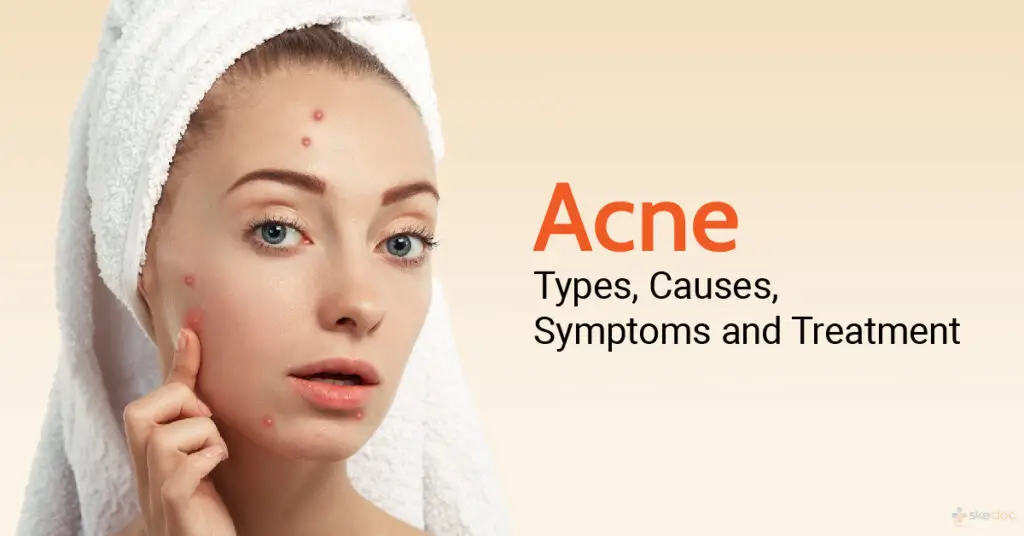
Category: Dermatology | Medical Specialist: Dermatologist; primary-care clinician for common conditions | References: American Academy of Dermatology (AAD); WHO; CDC Introduction: Acne Is More Than “Just a Few Pimples” Few skin conditions are as common—or as misunderstood—as Acne. A breakout can appear before an important presentation, during an already stressful week, or seemingly out of nowhere. And while acne is often dismissed as a temporary teenage problem, it can affect children, teenagers, and adults alike. In fact, acne is one of the most common skin conditions. The American Academy of Dermatology reports that it affects millions of people, with symptoms often beginning around puberty and sometimes continuing well into adulthood. But acne isn’t simply a result of “dirty skin.” It develops through a combination of excess oil production, clogged hair follicles, inflammation, bacteria, and hormonal influences. That distinction matters. Once you understand why acne develops, treatment becomes less about chasing individual pimples and more about breaking the cycle that creates them. What Is Acne? Acne is a chronic inflammatory skin condition that develops when hair follicles become blocked with oil (sebum) and dead skin cells. The blockage can lead to blackheads and whiteheads, while inflammation can produce red bumps, pus-filled pimples, nodules, and cysts. Although acne most commonly affects the: it can occur anywhere there are numerous sebaceous (oil-producing) glands. A useful way to think about acne is as a four-part process: This is why simply washing your face more aggressively rarely solves the underlying problem. What Causes Acne? 1. Hormonal Changes Hormones are one of the biggest drivers of acne, particularly during puberty. Androgens, including testosterone, stimulate sebaceous glands to produce more oil. This increased oil production can combine with dead skin cells and contribute to blocked follicles. Hormonal fluctuations can also trigger adult acne. Some women notice breakouts around their menstrual cycle, while pregnancy and other hormonal changes can influence acne activity. 2. Excess Sebum Sebum isn’t inherently bad. Your skin needs it to remain lubricated and protected. The problem occurs when sebaceous glands produce more oil than the follicle can comfortably handle. Excess sebum can contribute to clogged pores and create an environment where inflammation develops. 3. Clogged Hair Follicles Dead skin cells normally shed from the skin’s surface. In acne-prone skin, however, cells can accumulate inside hair follicles. When combined with sebum, they form a plug. A closed plug can become a whitehead, while an open plug can become a blackhead. The dark appearance of a blackhead isn’t simply dirt; the material in the pore darkens when exposed to air. 4. Inflammation and Skin Microorganisms The skin naturally contains microorganisms, including Cutibacterium acnes. In acne-prone follicles, changes in the follicular environment can contribute to inflammation. This is important because acne isn’t merely a “bacterial infection.” Treating acne usually requires addressing several processes simultaneously—oil production, follicular blockage, inflammation, and microbial activity. 5. Genetics Acne can run in families. If one or both parents experienced significant acne, the likelihood of developing it can be higher. Family history may also influence how severe acne becomes. Acne Risk Factors and Triggers Not everyone experiences acne for the same reasons. Common factors that may contribute to breakouts include: One important takeaway: a trigger is not necessarily the root cause. For example, stress may aggravate acne, but that doesn’t mean stress alone caused the condition. Types of Acne: What’s the Difference? Acne can look very different from one person to another. Type What It Looks Like Typical Characteristics Whiteheads Small flesh-colored or white bumps Closed clogged pores Blackheads Dark spots in pores Open clogged pores Papules Small red, raised bumps Inflamed and often tender Pustules Red bumps with a white/yellow center Contain pus Nodules Large, firm lumps beneath the skin Deep and often painful Cysts Deep, painful, pus-filled lesions Higher risk of scarring The distinction matters because treatment for mild comedonal acne may be very different from treatment for deep nodular or cystic acne. Common Symptoms of Acne The most recognizable symptom is, of course, the appearance of pimples. But acne can involve much more than that. Common signs include: Acne most commonly affects the face but may also appear across the chest, shoulders, and back. Acne Isn’t Always “Just Acne” Some conditions can resemble acne, including folliculitis, perioral dermatitis, and hidradenitis suppurativa. Because their treatments differ, persistent or unusual breakouts deserve professional evaluation. Acne Treatment: What Actually Works? The encouraging news is that effective acne treatments are available. The challenge is finding the right combination for your skin type, acne severity, age, and medical circumstances. The 2024 American Academy of Dermatology guidelines recommend several evidence-based topical and systemic treatments. 1. Topical Retinoids Retinoids such as adapalene, tretinoin, tazarotene, and trifarotene help prevent clogged pores and can reduce inflammation. They are particularly useful because they don’t simply treat today’s pimple—they can help prevent future blockages. 2. Benzoyl Peroxide Benzoyl peroxide helps reduce acne-associated bacteria and inflammation. It is often particularly useful when combined with other treatments. Current guidelines emphasize combining treatments that work through different mechanisms rather than relying on a single product. 3. Salicylic Acid Salicylic acid helps exfoliate the skin and unclog pores. It can be useful for whiteheads and mild inflammatory acne. However, stronger isn’t always better. Excessive exfoliation can irritate the skin and potentially make your routine harder to tolerate. 4. Azelaic Acid Azelaic acid can help unclog pores, reduce inflammation, and address acne-associated bacteria. Another advantage is its ability to help fade dark marks left after acne heals. 5. Oral Antibiotics For moderate-to-severe inflammatory acne, dermatologists may prescribe oral antibiotics such as doxycycline. These medications are generally used for a limited period and alongside appropriate topical therapy. The AAD recommends limiting systemic antibiotic use when possible and combining antibiotic treatment with benzoyl peroxide to help reduce antibiotic resistance. 6. Hormonal Treatment For some women with hormonally influenced acne, treatments such as combined oral contraceptives or spironolactone may be considered. A newer option, topical clascoterone, targets hormonal pathways in the skin and is included among the AAD’s