
Aug
14
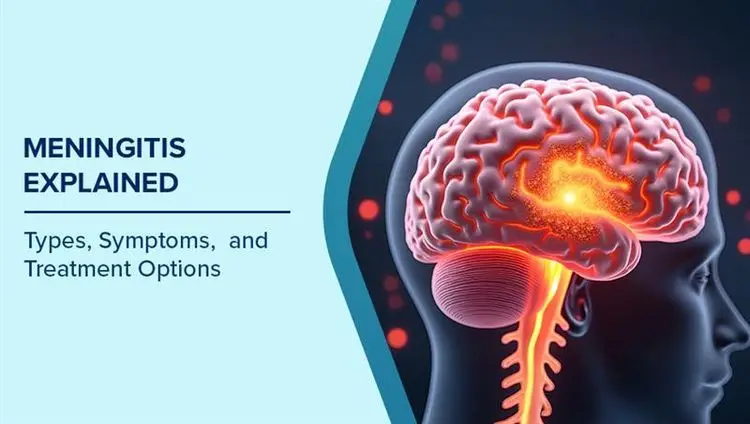
Category: Neurology | Medical Specialist: Neurologist; emergency physician for acute neurologic symptoms | References: American Academy of Neurology (AAN); WHO; National Institute of Neurological Disorders and Stroke (NINDS) Important: Meningitis can become life-threatening very quickly. If someone has a severe headache, fever, stiff neck, confusion, seizures, unusual sleepiness, or a rapidly developing non-blanching rash, seek emergency medical care immediately. Introduction: When a Headache Is More Than a Headache A headache is something most people have experienced. Meningitis is different. It is an inflammation of the protective membranes surrounding the brain and spinal cord, called the meninges. The condition can be caused by bacteria, viruses, fungi, parasites and, less commonly, certain medicines, cancers or injuries. The challenge is that early meningitis can look deceptively ordinary. Fever, headache, vomiting or tiredness may initially resemble flu or another common infection. But bacterial meningitis can deteriorate rapidly and requires urgent treatment. The World Health Organization (WHO) estimates that bacterial meningitis causes a particularly severe burden: approximately 1 in 6 people with bacterial meningitis die, while about 1 in 5 survivors develop serious long-term complications. That is why understanding meningitis isn’t simply about knowing a list of symptoms. It is about recognizing when an apparently routine illness has crossed into an emergency. What Is Meningitis? Meningitis occurs when the meninges—the protective layers around the brain and spinal cord—become inflamed. The inflammation may result from an infection or, less commonly, a non-infectious cause. Infectious meningitis is broadly classified according to the organism responsible. Major types of meningitis Type Common causes General pattern Treatment approach Bacterial meningitis Meningococcus, pneumococcus, Hib, Group B Streptococcus and others Often rapid and potentially life-threatening Urgent antibiotics and hospital care Viral meningitis Enteroviruses, herpesviruses and others Often less severe, but serious cases occur Supportive care; antivirals for selected infections Fungal meningitis Certain fungi, including Cryptococcus More common in people with weakened immunity Antifungal treatment Parasitic meningitis Certain parasites or amoebae Rare but potentially severe Cause-specific treatment Tuberculous meningitis Mycobacterium tuberculosis Often develops more gradually Prolonged anti-tuberculosis therapy The distinction matters because meningitis is not one disease with one treatment. Treatment depends heavily on its cause. What Causes Meningitis? 1. Bacterial infections Bacterial meningitis is the form doctors worry about most urgently. Important bacterial causes include: WHO identifies meningococcus, pneumococcus, Haemophilus influenzae and Group B Streptococcus as four major causes of acute bacterial meningitis globally. Some bacteria can live harmlessly in the nose or throat but occasionally invade the bloodstream or nervous system. 2. Viral infections Viral meningitis is the most common type of meningitis in the United States, according to the CDC. Enteroviruses are among the most common causes, while herpesviruses, influenza, mumps, measles and other viruses can also cause it. Many people with mild viral meningitis recover without specific treatment, but severe disease can require hospitalization. 3. Fungal and other causes Fungal meningitis is uncommon in healthy people but can be particularly serious in individuals with weakened immune systems. Other causes include certain parasites, amoebae, cancers, injuries and medications. How Does Meningitis Spread? There isn’t one universal transmission route. Some bacteria responsible for meningitis spread through respiratory droplets or throat secretions during close contact. Transmission risk depends on the organism and the circumstances. This is an important distinction: being exposed to a microorganism that can cause meningitis does not automatically mean a person will develop meningitis. For example, close contacts of someone with viral meningitis may acquire the virus but are not necessarily likely to develop meningitis themselves. For confirmed or strongly suspected meningococcal disease, however, certain close contacts may need preventive antibiotics. This should be determined by healthcare professionals or public-health authorities. Meningitis Symptoms: What Should You Watch For? The classic combination is: Fever + severe headache + stiff neck. But not everyone develops all three. Other symptoms can include: Symptoms may develop quickly, particularly in bacterial and meningococcal disease. Meningitis symptoms in babies Infants may not show the classic signs adults do. Watch for: Because babies cannot describe a headache or neck stiffness, behavioral changes can be especially important clues. The Meningitis Rash: An Important Red Flag A rash associated with meningococcal disease may appear as small red or purple spots that do not fade when pressed. However, there is a critical point to remember: Do not wait for a rash before seeking medical care. Not everyone with meningitis develops a rash, and symptoms can progress rapidly. The NHS specifically advises immediate medical attention when meningitis is suspected, even if not every symptom is present. Who Is at Higher Risk? Meningitis can affect anyone, but risk varies according to age, health status and exposure. Higher-risk groups can include: WHO notes that risk also varies according to geography, living conditions and the specific pathogen involved. How Is Meningitis Diagnosed? Meningitis cannot reliably be diagnosed from symptoms alone. A healthcare professional may use: Blood tests Blood samples can help identify infection and may allow laboratories to detect the responsible organism. Lumbar puncture A lumbar puncture, sometimes called a spinal tap, involves collecting cerebrospinal fluid (CSF) from the lower back. CSF analysis is central to diagnosing meningitis and can help distinguish bacterial, viral and other causes. WHO recommends performing lumbar puncture as soon as possible when appropriate, but emphasizes that suspected bacterial meningitis should not wait for the procedure before treatment begins. Other investigations Depending on the clinical situation, doctors may use: The goal isn’t simply to answer, “Does this person have meningitis?” It is also to determine what caused it, because that answer determines treatment. Treatment for Meningitis Treatment depends on the cause. Bacterial meningitis This is a medical emergency. When bacterial meningitis is suspected, antibiotics should be started as soon as possible. Treatment should not be postponed simply while waiting for lumbar puncture results or other investigations. Depending on the situation, doctors may also use intravenous corticosteroids, fluids, oxygen, seizure treatment and other supportive measures. The exact antibiotic regimen depends on factors such as age, suspected organism, immune status and local antimicrobial resistance patterns. Viral meningitis Many mild cases