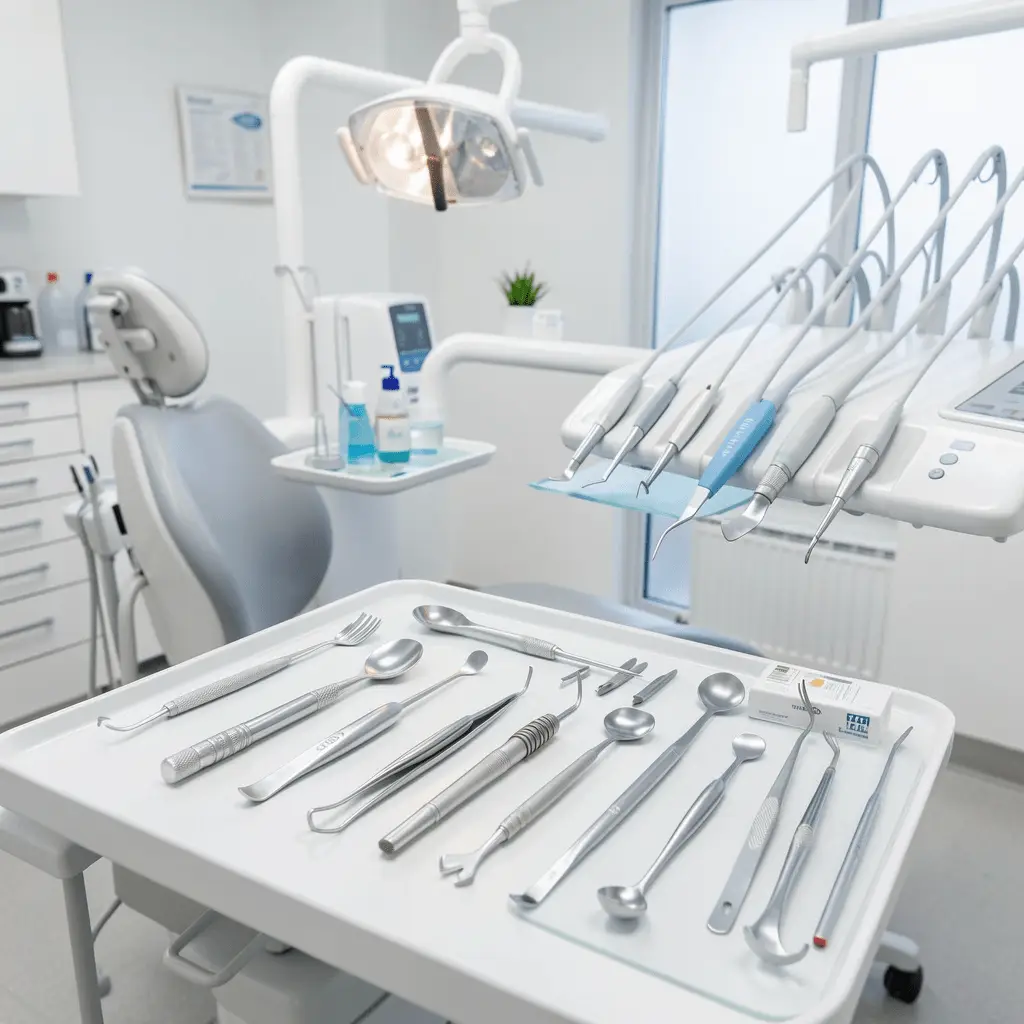
10 Essential Dental Instruments Every Dental Clinic Should Have

A dental clinic can have the latest chair, impressive technology, and a beautifully designed reception area—but when treatment begins, success often comes down to something much simpler: the instruments in the dentist’s hands.
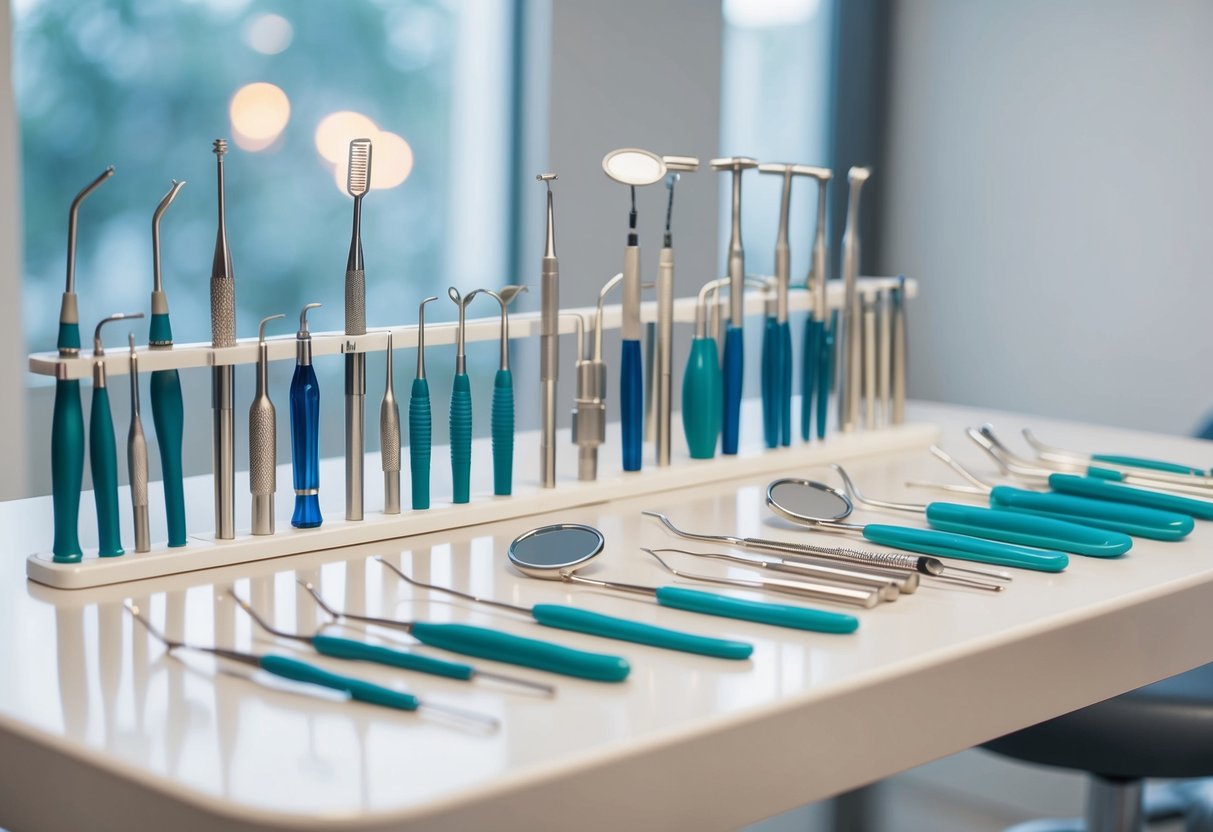
top popular 10 dental equipments you should know about AD 4nXdYm7ShmD8q1RJZdfzrFGkNEReKGlheVZdTGTfhBTB1vdAQCorkR Pd TllUJOKLoVxNoU8xZMiT2HHLpCIeopFsSHU1 tVS xTksjaitp8EQfEhojY

The right Essential Dental Instruments improve visibility, precision, efficiency, patient comfort, and infection control. More importantly, a well-planned instrument setup prevents a common clinic problem: buying too many specialized tools while overlooking the everyday instruments used in almost every appointment.

Whether you are opening a new dental practice, upgrading an established clinic, or building an inventory system for dental supplies, the goal should not be to own the largest collection. It should be to have the right instruments, in the right quantities, with a reliable sterilization and maintenance workflow.

The following 10 instruments form a practical foundation for general dentistry.

What Makes a Dental Instrument “Essential”?

Before looking at individual instruments, it helps to define what “essential” actually means.

An instrument deserves a place in the core inventory when it is:

  • Used frequently across multiple procedures
  • Reliable and ergonomically comfortable
  • Easy to clean, sterilize, and maintain
  • Available in appropriate sizes or configurations
  • Durable enough to withstand repeated clinical use
  • Supported by clear manufacturer instructions
  • Suitable for the procedures routinely performed by the clinic

Infection prevention is particularly important. The CDC classifies patient-care items according to their intended use and infection-transmission risk. Critical and semicritical instruments generally require appropriate sterilization or high-level processing according to their classification and manufacturer instructions.

That means purchasing an instrument is only half the decision. How that instrument will be processed after every patient matters just as much.

10 Essential Dental Instruments for a General Dental Clinic

1. Dental Mouth Mirror

The mouth mirror is one of the simplest instruments in dentistry—and one of the most frequently used.

It provides indirect vision, helps retract the cheek or tongue, reflects light into difficult-to-see areas, and can assist with examination of tooth surfaces.

A good mouth mirror should offer:

  • Clear, distortion-free reflection
  • A comfortable handle
  • Secure attachment between mirror and handle
  • Appropriate size for the clinical procedure
  • Easy cleaning and sterilization

For a busy practice, having several mirror handles and replacement mirror heads can be more practical than maintaining only a small number of sets.

Buying insight: Don’t judge mirrors purely by price. Poor-quality reflective surfaces or loose mirror heads can become frustrating during routine examinations.

2. Dental Explorer or Probe

A dental explorer is designed for tactile examination of teeth and surrounding structures. Different probe designs are used for different clinical purposes.

Common examples include explorers for general examination and periodontal probes for assessing periodontal pocket depths.

A probe should have a comfortable grip and a properly finished working end. Excessively sharp or damaged instruments should not remain in circulation.

Best practice: Inspect probes regularly for bent tips, corrosion, or damage. A small defect can affect tactile sensitivity and clinical accuracy.

3. College Tweezers / Dental Cotton Pliers

Dental tweezers may look basic, but they perform countless small tasks throughout the day.

They can be used to:

  • Carry cotton pellets
  • Position small materials
  • Handle wedges or accessories
  • Transfer items within the oral cavity
  • Assist with routine restorative procedures

Their value is largely about efficiency. When an assistant or dentist repeatedly needs to pick up a small item, reliable cotton pliers save time and reduce unnecessary hand movements.

For clinics managing multiple treatment rooms, these instruments are inexpensive enough to stock in adequate numbers.

4. Dental Excavator

Excavators are commonly associated with removal of softened carious dentin and other procedures where controlled removal of material is required.

Different shapes and sizes provide different working angles and access.

A good excavator should have:

  • A well-defined working end
  • A secure handle
  • Smooth transitions without sharp manufacturing defects
  • Appropriate size for posterior and anterior access

Although rotary instrumentation has transformed restorative dentistry, hand instruments remain valuable when tactile control and selective removal are important.

5. Dental Scaler

Scalers are essential for removing calculus and deposits during periodontal and preventive procedures.

There are several designs, including instruments intended for specific tooth surfaces and areas of the mouth.

This is an area where instrument selection should match the clinician’s technique rather than simply choosing the largest possible set.

The CDC considers periodontal scalers among critical instruments because certain instruments can penetrate tissue or contact bone, meaning appropriate sterilization is essential.

Inventory tip: Keep periodontal instruments organized by design and procedure. A well-labeled instrument cassette can make setup significantly faster.

6. Dental Curette

Curettes are particularly important in periodontal therapy because their rounded working ends are designed for subgingival instrumentation.

Universal and area-specific curettes serve different purposes, so a periodontal practice may require a broader selection than a general dental clinic.

When purchasing curettes, pay attention to:

  • Shank design
  • Working-end geometry
  • Handle diameter
  • Instrument balance
  • Clinician preference
  • Intended tooth surfaces

Ergonomics deserve special attention here. An instrument that feels acceptable for five minutes may become uncomfortable during a long periodontal procedure.

7. Dental Handpiece

If the mouth mirror is one of dentistry’s simplest tools, the handpiece is one of its most technologically important.

High-speed and low-speed handpieces are used for procedures ranging from tooth preparation and caries removal to finishing and polishing.

Important buying factors include:

  • Speed and torque
  • Cooling-water performance
  • Chuck/bur retention
  • Ergonomics and weight
  • Noise and vibration
  • Maintenance requirements
  • Sterilization compatibility
  • Manufacturer support

The CDC and ADA emphasize that reusable dental handpieces should be appropriately cleaned and heat sterilized between patients when applicable, following validated manufacturer instructions.

This is one reason a clinic should never purchase a handpiece solely because it is inexpensive. Reprocessing requirements should be part of the purchasing decision from day one.

8. Dental Extraction Forceps

For clinics performing routine extractions, extraction forceps are indispensable.

Their designs vary according to tooth type, location, and clinical application. Because different teeth require different approaches, a clinic should build its forceps inventory around the extractions it actually performs.

A practical starter inventory may include forceps suitable for:

  • Upper anterior teeth
  • Upper posterior teeth
  • Lower anterior teeth
  • Lower posterior teeth
  • Roots and selected surgical applications

Forceps should provide a secure grip without excessive hand strain.

Important: Extraction instruments are considered critical patient-care items because they can penetrate soft tissue or contact bone. Appropriate cleaning and sterilization are therefore essential.

9. Dental Elevators

Elevators are commonly used during tooth extraction to loosen teeth or roots and assist in creating controlled mobility before forceps application.

Straight and angled designs are available, with different sizes and shapes serving different clinical situations.

A useful elevator should have:

  • A secure handle
  • A properly formed working end
  • Appropriate strength
  • Smooth surfaces
  • Resistance to corrosion

Because elevators can transmit substantial force, quality matters. A poorly manufactured instrument can bend, chip, or become difficult to control.

10. Air-Water Syringe

The air-water syringe is sometimes overlooked when clinics create instrument inventories because it is integrated into many dental units.

Yet its role is fundamental.

It helps clinicians:

  • Rinse the treatment area
  • Dry tooth surfaces
  • Remove debris
  • Improve visibility
  • Assist during restorative procedures

Tips and removable components must be handled according to the manufacturer’s reprocessing instructions. Dental devices connected to air and water systems can require specific infection-control procedures, making manufacturer instructions an important part of equipment management.

Essential Dental Instruments: Quick Comparison

InstrumentPrimary UseFrequency of UseKey Buying Consideration
Mouth MirrorVision, reflection, retractionVery HighOptical clarity
Explorer/ProbeExaminationVery HighTip design and ergonomics
Cotton PliersHandling small itemsVery HighGrip and alignment
ExcavatorHand excavationHighWorking-end design
ScalerCalculus removalHighTip geometry
CurettePeriodontal therapyHighShank and ergonomics
HandpieceRotary proceduresVery HighPerformance + sterilization
Extraction ForcepsTooth extractionModerate–HighTooth-specific design
ElevatorsTooth/root luxationModerateStrength and control
Air-Water SyringeRinsing/dryingVery HighTip compatibility + reprocessing

The Instrument Set Matters More Than Individual Pieces

One of the biggest inventory mistakes in a new clinic is evaluating instruments individually.

Instead, think in procedure-based sets.

For example, a basic examination setup might contain:

  • Mouth mirror
  • Explorer/probe
  • Cotton pliers
  • Periodontal probe
  • Basic accessories

A restorative setup could require examination instruments plus excavators, matrix-related instruments, placement tools, and finishing equipment.

An extraction setup would be built differently, with elevators, forceps, surgical instruments, and appropriate accessories.

This approach makes inventory easier to count, sterilize, replenish, and standardize.

Don’t Ignore Sterilization When Buying Dental Instruments

An instrument’s clinical function is only one part of its lifecycle.

The CDC and ADA recommend cleaning instruments before sterilization or high-level disinfection, with processing based on the item’s intended use and risk classification. Sterilization monitoring should also be incorporated into the practice’s infection-control program.

When evaluating a new instrument, ask:

  1. Can it be safely reprocessed?
  2. Is it compatible with the clinic’s sterilizer?
  3. Are manufacturer instructions readily available?
  4. Can staff easily identify the correct processing procedure?
  5. Are replacement parts available?
  6. How long is the expected service life?

These questions can prevent a surprisingly expensive purchasing mistake.

How Many Should a Dental Clinic Buy?

There is no universal number.

A clinic with one dentist seeing 10 patients a day will have different requirements from a multi-chair practice seeing dozens of patients.

A better calculation is:

Required quantity = daily procedure demand × instrument turnover requirement + backup stock

For frequently used examination instruments, multiple sets are usually more practical than repeatedly waiting for individual instruments to complete the sterilization cycle.

The same principle applies to handpieces. Having a backup can prevent a single equipment failure from disrupting an entire treatment schedule.

New Clinic vs. Established Clinic: What Should You Prioritize?

Clinic SituationPriority
New clinicComplete basic instrument sets
High patient volumeExtra instrument cassettes and duplicates
Periodontal-focused practiceScalers and curettes
Restorative-focused practiceHand instruments and rotary equipment
Oral surgery servicesExtraction forceps, elevators and surgical instruments
Pediatric practiceSmaller, child-appropriate instruments
Multi-chair clinicStandardized sets across operatories

The key insight is simple: buy according to your clinical workflow, not according to a supplier’s largest catalogue.

A 200-piece instrument kit may look impressive, but if half of it rarely leaves the storage cabinet, your money is tied up in inventory that creates additional cleaning, tracking, and maintenance work.

Quality vs. Price: Which Should You Choose?

The cheapest instrument is rarely the cheapest over its entire lifecycle.

Consider total cost of ownership, including:

  • Purchase price
  • Replacement frequency
  • Sharpening or maintenance
  • Sterilization compatibility
  • Staff handling time
  • Downtime
  • Warranty and after-sales support

For high-use instruments, investing in reliable construction and ergonomic design can make more sense than repeatedly replacing low-cost products.

The ADA also maintains standards and resources covering dental products, equipment, and instruments, making its professional resources useful when evaluating product quality and clinical considerations.

A Smarter Dental Instrument Buying Checklist

Before placing an order, ask:

  • Purpose: What procedure will this instrument support?
  • Frequency: How often will it actually be used?
  • Ergonomics: Is it comfortable for prolonged use?
  • Material: Is it suitable for repeated clinical processing?
  • Sterilization: Can it be processed according to the manufacturer’s instructions?
  • Durability: Is the working end resistant to premature damage?
  • Compatibility: Does it work with existing equipment and cassettes?
  • Availability: Can replacements be obtained easily?
  • Standardization: Can the same design be used consistently across operatories?

This checklist can be especially useful when building a dental inventory or standardizing products across multiple branches.

Final Thoughts

The best dental clinic is not necessarily the one with the biggest instrument cabinet. It is the one where every essential instrument has a purpose, every instrument is maintained properly, and the clinical team can reach for the right tool without hesitation.

The 10 Essential Dental Instruments discussed here—mouth mirrors, probes, cotton pliers, excavators, scalers, curettes, handpieces, extraction forceps, elevators, and air-water syringes—provide a strong foundation for general dental practice.

From there, your inventory should evolve around the procedures you perform most often.

And remember: instrument quality and infection control go hand in hand. Proper cleaning, sterilization, monitoring, storage, and adherence to manufacturer instructions are fundamental parts of safe dental care.

Ready to Build a Smarter Dental Instrument Inventory?

Whether you are setting up a new clinic or upgrading an existing one, start by auditing your current instruments against actual patient demand. Identify frequently used tools, replace damaged or poorly performing instruments, standardize your core sets, and maintain adequate backup stock.

Explore your dental instrument range, compare specifications carefully, and choose products that support both clinical performance and efficient infection-control workflows.

Suggested authoritative resources: American Dental Association – Infection Control and Sterilization · CDC – Summary of Infection Prevention Practices in Dental Settings · FDA – Multiple-Use Dental Dispenser Devices
Leave a Reply

Your email address will not be published. Required fields are marked *

Related Post

Dental Materials

Dental Consumables: A Complete Buying Guide for Dentists & Dental Clinics

Introduction: The “Small” Dental Supplies That Keep a Clinic Running A dental clinic can have an excellent dental chair, advanced imaging equipment, and experienced clinicians—but if the right consumables are missing, the entire workflow can slow down. From examination gloves and masks to composite resin, impression materials, bonding agents, burs, suction tips, sterilization pouches and endodontic accessories, dental consumables are the products dentists use repeatedly during everyday clinical care. The challenge is not simply finding dental supplies near me. The real challenge is finding supplies that are clinically appropriate, consistently available, authentic, safely packaged and economical over time. A low-priced box that produces inconsistent results—or expires before it is used—is rarely a bargain. This guide explains how dentists and clinic managers can evaluate dental consumables more intelligently, build an efficient purchasing system and avoid some of the most common procurement mistakes. What Are Dental Consumables? Dental consumables are products that are used during diagnosis, treatment, infection prevention or routine clinic operations and are either disposed of after use or gradually depleted. They include everything from basic PPE to sophisticated restorative and endodontic materials. Common categories include: The important point is that consumables are not one homogeneous category. A disposable saliva ejector and a light-cured restorative composite may both be consumables, but their purchasing criteria are completely different. Why Buying Dental Consumables Requires More Than Comparing Prices One of the easiest purchasing mistakes is comparing two products solely on their price per box. Instead, think about cost per successful procedure. For example, a composite may look cheaper per syringe but require more material, have poorer handling characteristics or produce more wastage. A premium product with better handling and predictable results can sometimes have a lower effective cost. A useful purchasing formula is: True Cost = Purchase Price + Wastage + Storage Cost + Expiry Loss + Replacement Cost + Clinical Failure Risk This is particularly important for high-value materials. A simple purchasing comparison Factor Budget Product Premium Product Initial price Lower Higher Handling consistency Variable Usually more predictable Packaging Basic to advanced Often advanced Wastage May be higher Potentially lower Technical support Variable Often stronger Cost per procedure Not always lower Can be competitive Best use High-volume basic items Critical clinical materials The lesson is simple: buy for value, not merely for the lowest invoice total. The 8 Major Types of Dental Consumables Every Clinic Should Understand 1. Infection-Control Consumables These are among the most frequently purchased products in a dental practice. Typical items include: The CDC identifies hand hygiene, PPE, sharps safety, sterile instruments and clean/disinfected environmental surfaces among the core elements of standard precautions in dental settings. The ADA also emphasizes that instruments and materials should be processed according to appropriate infection-control procedures and manufacturer instructions. Buying tip Don’t stock PPE purely according to the number of patients. Calculate consumption according to procedures per day × staff members × expected usage per procedure + safety stock. 2. Restorative Materials Restorative dentistry can involve a surprisingly large number of consumables: When comparing restorative materials, look beyond shade selection. Evaluate: For a busy clinic, predictable handling can be just as important as laboratory specifications. 3. Endodontic Consumables Endodontic procedures depend heavily on consumable quality and dimensional consistency. Common products include: A useful procurement strategy is to divide endodontic inventory into high-frequency, procedure-specific and emergency stock. For example, basic hand files may be high-frequency inventory, while specialized rotary systems can be purchased according to the clinicians’ treatment preferences. 4. Impression and Prosthodontic Materials Prosthodontic workflows often depend on materials where small variations can affect the final result. Common consumables include: What should you compare? Property Why It Matters Working time Determines clinical convenience Setting time Affects appointment duration Dimensional stability Important for accuracy Tear strength Important during removal Mixing characteristics Reduces bubbles and inconsistencies Shelf life Helps control inventory losses Packaging Protects material from contamination/moisture 5. Preventive and Periodontal Consumables Preventive dentistry requires a different inventory mix. Typical supplies include: These products are often inexpensive individually but can represent significant monthly expenditure because of their high usage. This makes consumption tracking particularly valuable. 6. Surgical Consumables Dental surgery requires products where sterility, packaging integrity and clinical suitability are particularly important. Common products include: For sterile products, inspect packaging before use. A damaged or compromised package should not simply be treated as “probably fine.” 7. Orthodontic Consumables Orthodontic practices have their own inventory ecosystem. These can include: Orthodontic inventory is particularly vulnerable to SKU confusion because products may differ by prescription, size, torque, angulation, material and configuration. A standardized inventory naming system can save considerable time. 8. Disposable Chairside Accessories These products are easy to overlook until they run out. Examples include: A clinic may not notice the value of these items individually, but collectively they can become a major recurring expense. How to Choose the Right Dental Consumables 1. Start With Clinical Requirements Don’t begin with: “Which brand is cheapest?” Start with: “What clinical problem does this product need to solve?” For example, a restorative material for anterior esthetic work may require different properties from one used for posterior restorations. 2. Verify Authenticity and Regulatory Information When purchasing medical devices or regulated products in India, clinics should understand the applicable regulatory requirements. The Central Drugs Standard Control Organisation (CDSCO) states that medical devices in India are regulated under the Drugs & Cosmetics Act and Medical Devices Rules, 2017, with risk-based classification from Class A through Class D. Therefore, depending on the product, purchasing teams should check: Don’t assume that an attractive online listing automatically means the product is genuine. 3. Check the Expiry Date—But Also Check Your Consumption Rate Expiry management is one of the most overlooked areas of dental inventory. A clinic purchasing a large quantity because of a discount can actually lose money if the products expire before they are used. Better approach: FEFO Use FEFO — First Expiry, First Out. This means products with the earliest expiry date should generally be used first, provided they remain within required

FPtnbmV l8Yj5fjS9BvM3Kh bGT6I7uXRkr TR kxP9TcVy Orn99 lc3J6a4vTAinMs0BunG2vDqXKStRfTi FamqcB5qJZ3qukuhMd1GkFxy mYUnCXZIVipUcrZ okCZ75ZnGit4 Ne TGS VeT0 fjxfeVxkxKaVT360AOp9Ry74vRLF6lhmVFw6eMPw

Dental Care Guide: Essential Dental Products, Instruments, Materials, Procedures & Clinical Tips

Introduction: Good Dental Care Starts Before the Dental Chair A healthy smile isn’t created only when a patient sits in a dental chair. It is built through the right combination of preventive products, appropriate clinical instruments, quality dental materials, evidence-based procedures, and consistent home care. For patients searching for reliable dental care Delhi, the challenge is often not finding a dentist—it is understanding what actually matters during treatment. Why is fluoride important? Which instruments are used for a filling? What makes one restorative material more appropriate than another? And how can a patient recognize a clinic that takes infection control seriously? These questions matter because modern dentistry has moved far beyond simply treating tooth pain. The emphasis is increasingly on prevention, early diagnosis, minimally invasive treatment, preservation of natural tooth structure, and long-term maintenance. The FDI World Dental Federation identifies dental caries and periodontal disease among the major oral diseases and emphasizes prevention through oral hygiene, fluoride, healthy nutrition, early screening, and appropriate intervention. This guide breaks down the dental ecosystem—from products patients use every day to the instruments and materials professionals rely on in the clinic. 1. Essential Dental Products for Everyday Oral Care The most sophisticated dental treatment cannot replace consistent daily oral hygiene. A practical home-care routine generally revolves around four essentials: Fluoride Toothpaste Fluoride remains one of the most important preventive tools in dentistry. It helps strengthen enamel and supports remineralization while reducing the risk of dental caries. The FDI’s 2025 policy statement recommends brushing at least twice daily with fluoridated toothpaste at an appropriate fluoride concentration. It notes that commercially available fluoridated toothpastes should generally contain at least 1000–1100 ppm fluoride, while higher-strength formulations may be recommended for people at elevated caries risk under professional guidance. Toothbrushes A toothbrush should provide effective plaque removal without unnecessarily traumatizing teeth or gums. For many people, a soft-bristled brush is a practical choice. Electric toothbrushes can also be useful, particularly for individuals who struggle with brushing technique or manual dexterity. The key isn’t buying the most expensive brush. Consistency and technique usually matter more than marketing claims. Interdental Cleaning A toothbrush cannot effectively clean every contact area between teeth. Depending on the patient’s anatomy, a dentist may recommend: The correct product should be selected according to the patient’s individual needs rather than simply choosing whichever product is most popular. 2. Dental Products vs Dental Instruments: What’s the Difference? One of the easiest ways to understand dentistry is to separate consumer dental products from professional dental instruments. Category Examples Primary Purpose Preventive products Toothpaste, toothbrushes, floss Daily oral hygiene Diagnostic instruments Mouth mirrors, probes, explorers Examination and diagnosis Periodontal instruments Scalers, curettes Plaque and calculus removal Restorative instruments Excavators, condensers, matrices Filling procedures Endodontic instruments Files, reamers, spreaders Root canal treatment Surgical instruments Elevators, forceps, surgical instruments Oral surgery Rotary instruments Burs, handpieces Cutting, shaping and finishing Infection-control products Sterilization pouches, barriers, disinfectants Safe clinical workflow This distinction is important when selecting products for a dental clinic. A product that looks inexpensive at purchase may become costly if it wears quickly, requires complicated maintenance, or disrupts clinical workflow. 3. Essential Dental Instruments Every Clinic Uses Dental instruments are not simply collections of metal tools. Each instrument is designed around a particular clinical task. Diagnostic Instruments Basic examination commonly involves instruments such as: These tools help the clinician visualize difficult areas, evaluate tooth surfaces, assess periodontal tissues, and identify abnormalities. Clinical Tip Instrument selection should be based on ergonomics, visibility, precision, durability and maintenance, not just price. An instrument that causes hand fatigue during repeated procedures can affect both clinician comfort and workflow. Periodontal Instruments Periodontal instruments are designed to assess and manage the tissues surrounding teeth. Common examples include: Scaling and root debridement require controlled instrumentation. Using the correct instrument design for the treatment area can improve access and reduce unnecessary tissue trauma. Restorative Instruments Restorative dentistry relies on instruments that help the dentist remove diseased tooth structure, place materials, shape restorations and finish surfaces. Examples include: For composite restorations, accessories such as matrices, wedges, bonding systems, curing lights and finishing discs can have a major impact on the final result. 4. Dental Materials: Choosing the Right Material for the Right Job Modern dentistry offers an extensive range of materials. The best choice depends on factors such as tooth location, functional load, aesthetics, moisture control, patient risk and clinical objectives. Common Dental Materials Material Common Application Key Consideration Composite resin Tooth-colored restorations Aesthetics and technique sensitivity Glass ionomer cement Restorations, liners, luting Fluoride release and chemical adhesion Resin-modified GIC Restorative/luting applications Combination of useful GIC and resin properties Dental adhesives Bonding restorative materials Proper isolation and application Impression materials Dental impressions Accuracy and dimensional stability Temporary materials Provisional restorations Ease of placement and removal Luting cements Crowns, bridges, indirect restorations Retention and compatibility Endodontic sealers Root canal obturation Sealing the prepared canal system The important lesson is that there is no universally “best” dental material. A material appropriate for a low-stress cervical restoration may not be the ideal choice for a heavily loaded posterior tooth. Likewise, a material selected for temporary treatment should not automatically be considered suitable for definitive restoration. 5. Common Dental Procedures and the Products Behind Them Understanding procedures becomes easier when you see the relationship between the treatment and the products used. Dental Cleaning and Scaling Professional cleaning may involve: The objective is to remove deposits that routine brushing cannot adequately eliminate. Dental Fillings A typical direct restoration may involve: The quality of the final restoration depends on more than the filling material itself. Isolation, bonding technique, cavity preparation, finishing and occlusal adjustment all contribute to clinical success. Root Canal Treatment Endodontic treatment commonly requires: The purpose is to clean, shape and seal the root canal system while preserving the remaining tooth structure. 6. Infection Control: The Most Important “Invisible” Dental Product Patients may notice a new dental chair or sophisticated equipment, but one of the most important parts of a modern clinic is

WhatsApp Image 2025 11 05 at 10.41.07 AM c9f326bd 6a53 4f40 a3b7 25a0e20b808f 600x600 crop center

How to Build an Efficient Dental Clinic Inventory: A Complete Guide

A dental clinic can lose money in surprisingly small ways: an expired composite sitting in a drawer, five nearly identical burs nobody remembers ordering, or a sudden shortage of gloves just before a busy surgical day. That is why an Efficient Dental Clinic Inventory is about much more than counting boxes. It is about ensuring the right product, in the right quantity, at the right time—without tying up unnecessary cash or compromising patient care. The American Dental Association (ADA) recommends keeping dental supply costs under control and notes a general rule of thumb that inventory costs should be around 5–6% of collections. It also recommends assigning responsibility for inventory management and training a backup person. A well-designed inventory system therefore sits at the intersection of clinical safety, purchasing, finance, infection control, and workflow efficiency. What Does an Efficient Dental Clinic Inventory Look Like? An efficient inventory system should answer five questions immediately: If staff have to open three cabinets, check WhatsApp messages, and call a supplier to answer those questions, the system is not really an inventory system—it is institutional memory. A better approach is to create a centralized inventory master containing information such as: This structure can work in a spreadsheet, inventory application, ERP, or dental practice-management system. Step 1: Divide Your Dental Inventory into Logical Categories One of the easiest mistakes is treating every product as an individual item without understanding its clinical role. Start by grouping products according to how they are used. Inventory Category Examples Priority Infection Control Gloves, masks, sterilization pouches, disinfectants Critical Restorative Materials Composite, GIC, bonding agents, matrices High Endodontics Files, gutta-percha, sealers, irrigants High Prosthodontics Impression materials, trays, retraction cord Medium–High Oral Surgery Sutures, blades, gauze, forceps High Preventive Dentistry Fluoride products, sealants, prophylaxis materials Medium Consumables Cotton rolls, suction tips, bibs, cups High Instruments Scalers, mirrors, probes, forceps Medium Equipment Autoclaves, curing lights, compressors Critical Emergency Supplies Oxygen, emergency medications, basic emergency equipment Critical The advantage of categorization is simple: not every product deserves the same inventory strategy. A box of cotton rolls and a specialized implant component should never be managed using identical reorder rules. Step 2: Identify Your “Never Run Out” Items Some products are inexpensive but operationally critical. For example, running out of a particular composite shade may be inconvenient. Running out of gloves, sterilization pouches, suction tips, or essential emergency supplies can interrupt the entire day’s workflow. Create a Critical Stock List containing products that could stop treatment if unavailable. These typically include: For these items, maintain a larger safety buffer than you would for slow-moving specialty products. Step 3: Use Minimum, Maximum and Reorder Levels Instead of ordering whenever a drawer “looks empty,” establish inventory thresholds. A simple reorder-point formula is: Reorder Point = Average Daily Usage × Supplier Lead Time + Safety Stock For example, suppose your clinic uses approximately 20 pairs of a particular type of gloves per day. If the supplier usually takes five days to deliver: 20 × 5 = 100 pairs If you want another 50 pairs as safety stock: Reorder Point = 150 pairs Once available inventory reaches 150 pairs, the system should trigger a reorder. This approach transforms purchasing from guesswork into a predictable process. A useful rule Don’t ask: “How many should we buy?” Ask: “How long must this stock last, and how reliable is the supplier?” That small change in thinking can significantly reduce both shortages and overstocking. Step 4: Apply ABC Inventory Analysis Not all products have equal financial importance. ABC analysis divides inventory according to consumption value: For a dental clinic, an expensive implant component might be an A item, while cotton rolls may be a C item. However, there is an important clinical twist. Add a “Criticality” layer A cheap product can still be clinically critical. Therefore, consider combining ABC value analysis with clinical criticality. For example: Product Financial Value Clinical Criticality Monitoring Implant component High High Very close Composite syringe Medium Medium Regular Cotton rolls Low High Frequent Specialty bur Medium Medium Regular Paper cups Low Low Simple This is one of the most useful improvements a dental clinic can make to traditional inventory management. Step 5: Make Expiry Management a Daily Habit Expired dental materials are more than wasted money. Depending on the product, improper storage or use beyond the manufacturer’s specified shelf life can affect performance and patient safety. Use the FEFO method: First Expire, First Out. FEFO is different from FIFO. For dental clinics, FEFO is usually the better approach for products with expiry dates. When new stock arrives, don’t simply place it in front of existing stock. Check the expiry date and position inventory so that products expiring sooner are used first. A useful monthly report can flag: This simple report can prevent thousands of rupees of avoidable wastage in a busy clinic. Step 6: Treat Infection-Control Supplies as a Separate Inventory Priority Inventory management and infection prevention are closely connected. The CDC’s dental infection-prevention guidance covers standard precautions, instrument processing, environmental infection control, personal protective equipment and other measures necessary for safe dental care. The ADA also emphasizes sterilization monitoring and following manufacturer instructions for processing dental instruments and materials. That means inventory records should not merely show “sterilization supplies.” They should identify specific items such as: The WHO similarly identifies infection prevention and control as fundamental to safe healthcare delivery, including in primary-care settings. Inventory failure can become infection-control failure. That is why these supplies deserve their own monitoring rules. Step 7: Standardize Your Product Master Data Imagine two staff members entering the same product as: Your inventory software may interpret these as three separate products. This creates false stock counts and unnecessary purchasing. Create standardized product records containing: Brand → Category → Product Family → Product Type → Variant → Size → Pack Size → SKU For example: Brand: 3MCategory: RestorativeProduct Family: CompositeProduct Type: Universal CompositeShade: A2Pack Size: 4 gSKU: Standardized internal code The goal is not simply to make the database look professional. Clean