
Aug
14
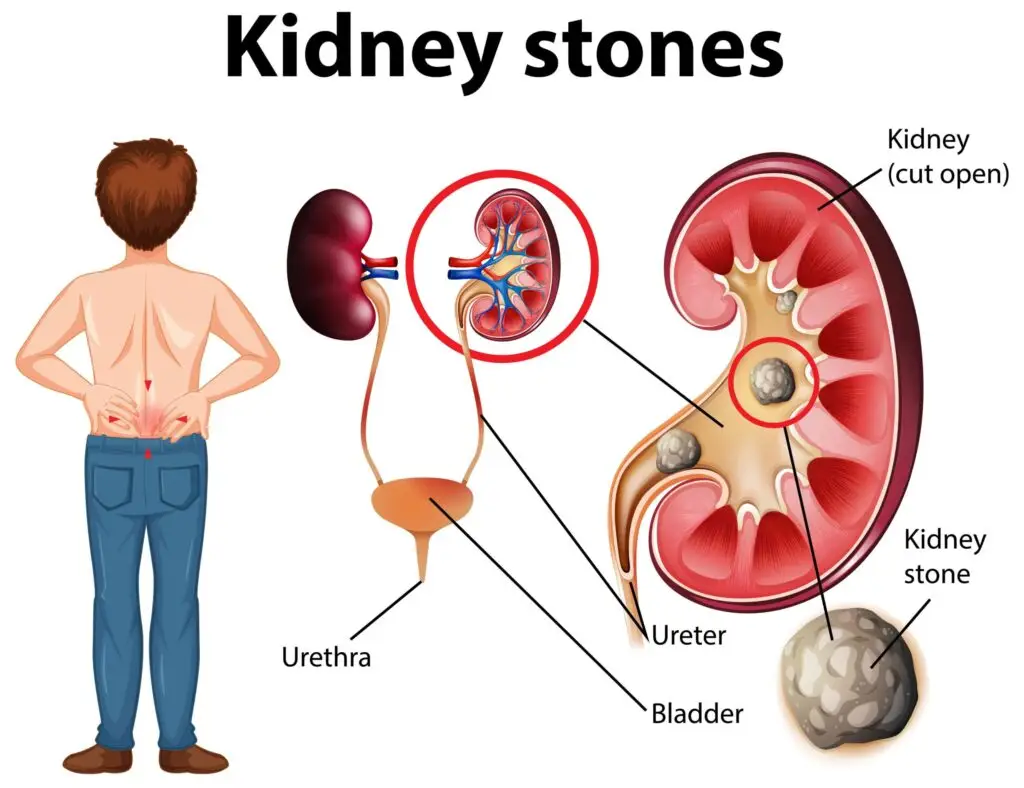
Category: Men’s Health & Urology | Medical Specialist: Urologist; nephrologist for selected kidney disorders; primary-care physician | References: American Urological Association (AUA); National Institute of Diabetes and Digestive and Kidney Diseases (NIDDK); WHO Introduction: When a Tiny Stone Causes Enormous Pain Few health problems demonstrate how something so small can cause such intense discomfort as kidney stones. A stone may be no larger than a grain of sand, yet when it moves from the kidney into the ureter—the narrow tube connecting the kidney to the bladder—it can trigger sudden, severe pain. Kidney stones are hard, pebble-like deposits that form when certain substances in urine become concentrated enough to crystallize. They can remain quietly inside the kidney or travel through the urinary tract and cause pain, bleeding, infection, or blockage. The good news? Many small stones pass naturally, and several practical changes can reduce the chance of developing another one. The key is understanding why the stone formed in the first place, rather than treating every stone as if it were the same. Important: Severe pain, fever or chills, vomiting, difficulty urinating, or blood in the urine warrants prompt medical assessment. A blocked urinary tract combined with infection can become a medical emergency. What Are Kidney Stones? Kidney stones are solid deposits made from minerals and other substances normally present in urine. When urine becomes too concentrated, these substances can crystallize and gradually clump together. Some stones are tiny enough to pass without noticeable symptoms. Others become lodged in the ureter and obstruct urine flow. According to the U.S. National Institute of Diabetes and Digestive and Kidney Diseases (NIDDK), kidney stones affect roughly 11% of men and 6% of women in the United States at least once during their lifetime. Having a previous stone also increases the likelihood of developing another. Common Types of Kidney Stones Stone type What contributes to formation Key consideration Calcium oxalate High urinary calcium or oxalate Most common type Calcium phosphate Changes in urinary chemistry May be associated with certain metabolic conditions Uric acid High uric acid and acidic urine More common with high-purine diets and some metabolic conditions Cystine Genetic disorder called cystinuria Relatively uncommon Identifying the stone type matters because prevention is not simply about “drinking more water.” Diet, medication and other strategies may need to be tailored to the specific stone. What Causes Kidney Stones? At its simplest, a kidney stone forms when urine contains more stone-forming substances than it can keep dissolved. Calcium, oxalate and phosphorus are among the substances involved. But the underlying causes can be surprisingly varied. 1. Not Drinking Enough Fluids Dehydration makes urine more concentrated. This creates a better environment for crystals to form. This is particularly relevant in hot climates, during strenuous exercise, or when someone regularly spends hours without drinking water. Fluid requirements also rise when more water is lost through sweating. 2. High Sodium Intake A high-salt diet can increase the amount of calcium released into urine, potentially increasing the risk of calcium-containing stones. Processed foods, packaged snacks, instant meals, restaurant foods and salty sauces can contribute significant amounts of sodium without tasting excessively salty. 3. Dietary Factors The relationship between food and stones is more complicated than simply labeling certain foods “good” or “bad.” Depending on the stone type, healthcare professionals may recommend adjusting: The NIDDK notes that adequate dietary calcium can actually help prevent calcium oxalate stones by binding oxalate in the digestive tract. Therefore, unnecessarily eliminating calcium from the diet can be counterproductive. 4. Family History and Medical Conditions Some people are naturally more susceptible to kidney stones. Risk can increase with a family history of stones, urinary tract obstruction, certain digestive disorders, cystinuria and other medical conditions. 5. Previous Kidney Stones One stone is not necessarily a one-time event. If the metabolic or dietary factors responsible for the first stone remain unchanged, another may form. That’s why stone prevention should begin with understanding the cause rather than simply waiting for symptoms to disappear. Recognizing Kidney Stone Symptoms A kidney stone can be completely silent—or extremely painful. The classic symptom is sharp pain in the back, side, lower abdomen or groin. The pain may come in waves as the ureter contracts around the stone. Other symptoms may include: Interestingly, stone size does not always tell the whole story. A relatively small stone can cause significant pain if it becomes lodged in a narrow part of the urinary tract. Kidney Stones vs. Urinary Tract Infection: How Are They Different? Kidney stones and urinary tract infections (UTIs) can sometimes produce overlapping symptoms, but they are different conditions. Feature Kidney Stones UTI Pain Often severe, sharp and wave-like Usually burning or discomfort during urination Location Back, side, lower abdomen or groin Usually bladder/pelvic region; kidney infection can cause back pain Blood in urine Can occur Can occur Fever/chills May indicate infection or complication Common, especially with kidney infection Nausea/vomiting Common with severe stone pain Possible, particularly with kidney infection Urine changes May be cloudy or bloody Often cloudy, strong-smelling or bloody The distinction matters because a blocked ureter plus infection can be dangerous. Fever, chills, severe weakness or worsening symptoms should not simply be attributed to “a stone passing.” When Should You Seek Urgent Medical Care? Not every kidney stone requires an emergency visit, but certain symptoms should never be ignored. Seek prompt medical attention if you experience: A blocked urinary tract can interfere with urine drainage and contribute to kidney infection. How Are Kidney Stones Diagnosed? Doctors generally combine your symptoms and medical history with urine, blood and imaging tests. Urine Tests Urinalysis can identify blood, bacteria and substances associated with stone formation. A urine culture may be needed when infection is suspected. Blood Tests Blood tests can help evaluate kidney function and identify abnormal levels of minerals or other substances that may contribute to stone formation. Imaging Imaging can determine whether a stone is present, where it is located and whether it is causing obstruction. Depending on the situation, clinicians may use