
Category: Gastroenterology & Liver | Medical Specialist: Gastroenterologist/hepatologist; primary-care clinician | References: American College of Gastroenterology (ACG); American Association for the Study of Liver Diseases (AASLD); WHO; CDC
Introduction: When “Just a Stomach Ache” Is More Than It Seems
A burning sensation in the upper abdomen after a meal—or pain that wakes you at night—can be easy to dismiss as acidity or indigestion. But sometimes, that discomfort is your body’s way of signaling something more significant.
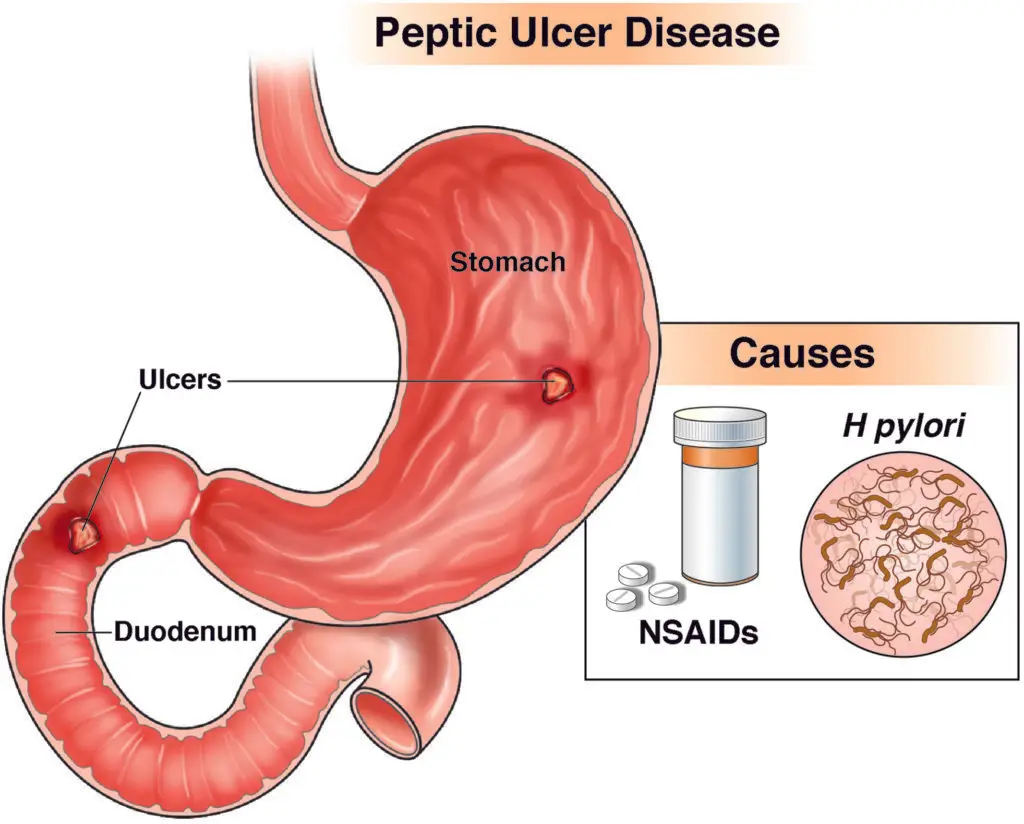
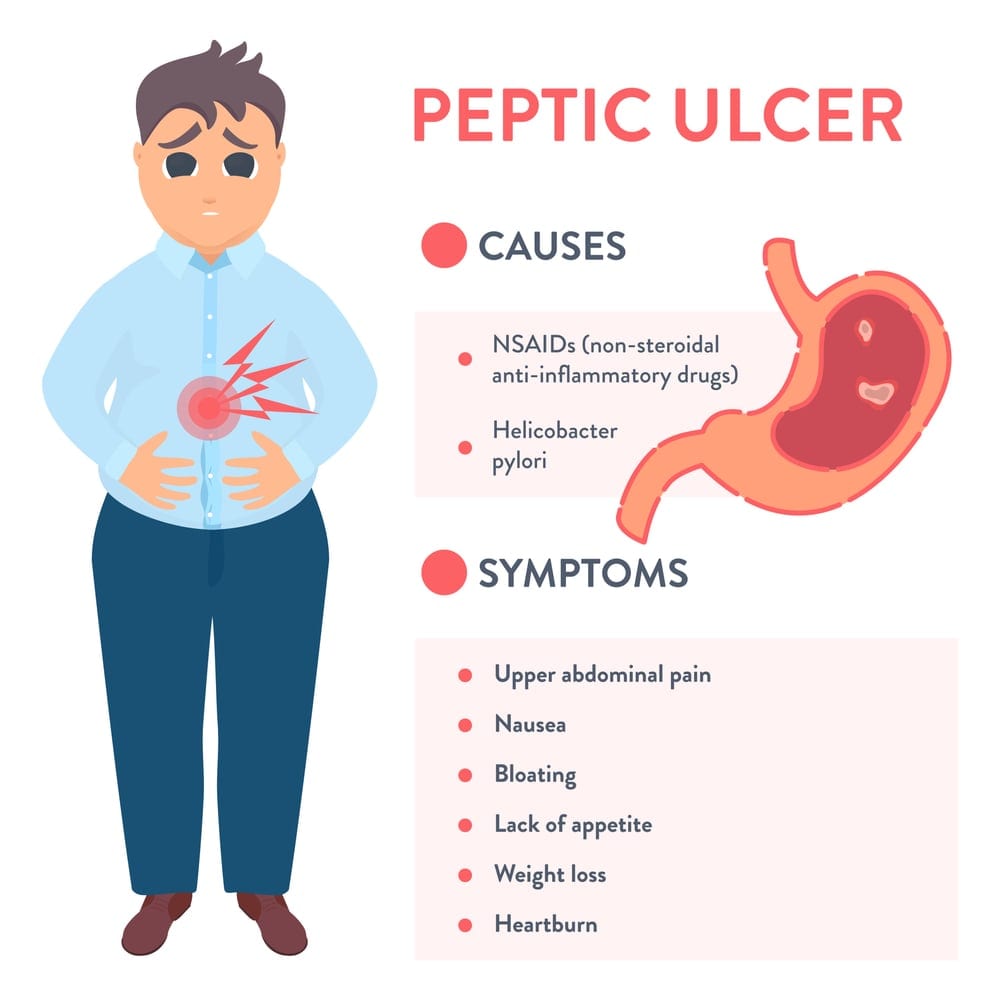
Peptic Ulcer Disease (PUD) occurs when an open sore develops in the lining of the stomach or the first part of the small intestine, called the duodenum. Although ulcers can sound alarming, most can be successfully treated once their underlying cause is identified. The two leading causes are Helicobacter pylori (H. pylori) infection and regular use of nonsteroidal anti-inflammatory drugs (NSAIDs) such as ibuprofen, aspirin, and naproxen.
The important shift in thinking is this: treating the pain alone is not the same as treating the ulcer. Effective care means finding out why the ulcer developed and addressing that cause.
What Is Peptic Ulcer Disease?
A peptic ulcer is essentially a break or sore in the protective lining of the stomach or duodenum.
Your digestive system is designed to handle powerful stomach acid. A protective mucus barrier, blood flow, bicarbonate, and other mechanisms normally prevent that acid from damaging tissue. When these defenses are weakened—or damaging factors become too strong—an ulcer can develop.
Peptic ulcers are generally classified into two main types:
| Type | Location | Common Characteristics |
|---|---|---|
| Gastric ulcer | Stomach lining | Pain may become worse after eating |
| Duodenal ulcer | First part of small intestine | Pain may occur when the stomach is empty or at night |
Importantly, symptoms don’t always follow textbook patterns. Some people with ulcers have few or no symptoms until a complication such as bleeding develops.
The Two Major Causes of Peptic Ulcer Disease
1. H. pylori Infection
One of the biggest discoveries in modern gastroenterology was recognizing that a bacterium—not simply “too much acid”—can cause many ulcers.
H. pylori can survive in the stomach and contribute to inflammation and damage to the protective lining. Without treatment, infection can persist and increase the risk of peptic ulcers.
Because H. pylori is an infection, simply taking an acid-reducing medicine may relieve symptoms without eliminating the underlying problem.
That is why testing for H. pylori can be an important part of ulcer evaluation.
2. NSAID Painkillers
Medicines such as ibuprofen, naproxen, and aspirin are extremely useful—but they can also increase the risk of ulcers and gastrointestinal bleeding.
NSAIDs interfere with substances that help protect the stomach lining. The risk becomes greater with long-term use, higher doses, multiple NSAIDs, or combinations with other medicines that increase bleeding risk.
This is particularly important because NSAIDs are often viewed as harmless simply because many are available without a prescription.
A useful habit: Before regularly taking a painkiller for headaches, joint pain, dental pain, or other recurring discomfort, discuss the safest option with a healthcare professional—especially if you have previously had an ulcer.
Other, Less Common Causes
Not every ulcer is caused by H. pylori or NSAIDs.
Less common causes and contributing conditions include:
- Certain infections
- Corticosteroids when combined with NSAIDs
- Some other medicines
- Crohn’s disease
- Severe illness or critical medical conditions
- Reduced blood flow to the digestive tract
- Zollinger-Ellison syndrome
- Certain cancers or other diseases affecting the stomach
Doctors may investigate these possibilities when an ulcer does not behave as expected or returns despite appropriate treatment.
Symptoms of Peptic Ulcer Disease
The classic symptom is upper abdominal pain, which may feel burning, aching, or gnawing. However, the experience varies considerably from one person to another.
Common symptoms include:
- Upper abdominal pain or discomfort
- Bloating
- Belching
- Indigestion
- Nausea
- Vomiting
- Feeling full unusually quickly
- Feeling uncomfortably full after eating
Some people experience pain when their stomach is empty or during the night, while others may notice discomfort after eating.
A symptom that deserves more attention: unexplained fatigue
Persistent tiredness isn’t necessarily an ulcer symptom by itself. However, an ulcer that slowly bleeds can contribute to anemia, making fatigue, weakness, or breathlessness important symptoms to discuss with a healthcare professional.
Peptic Ulcer Disease vs. Gastritis vs. Acid Reflux
Stomach-related symptoms overlap considerably, which is why self-diagnosis can be misleading.
| Condition | What is happening? | Typical symptoms |
| Peptic ulcer | Open sore in stomach or duodenal lining | Upper abdominal pain, nausea, possible bleeding |
| Gastritis | Inflammation or damage of stomach lining | Pain, nausea, indigestion, fullness |
| Acid reflux/GERD | Stomach contents flow back into esophagus | Heartburn, sour taste, chest/throat discomfort |
| Functional dyspepsia | Indigestion symptoms without an identifiable structural cause | Fullness, bloating, upper abdominal discomfort |
The overlap is precisely why persistent or recurrent symptoms should not automatically be labeled “gas.”
How Is Peptic Ulcer Disease Diagnosed?
Diagnosis begins with your history.
Your healthcare professional may ask about:
- The location and timing of your pain
- Previous ulcers
- NSAID or aspirin use
- Other medicines
- Previous H. pylori infection
- Family history
- Weight loss or appetite changes
- Vomiting or signs of bleeding
Testing may then be used to identify the ulcer and determine its cause.
H. pylori Tests
Common tests include:
Urea breath test: You consume a substance containing urea and then provide a breath sample. If H. pylori is present, the bacteria can produce detectable carbon dioxide.
Stool antigen test: A stool sample is analyzed for evidence of H. pylori.
Depending on the circumstances, other tests may also be appropriate.
Upper GI Endoscopy
An upper endoscopy allows a doctor to directly examine the esophagus, stomach, and duodenum using a flexible camera.
It can help identify an ulcer, evaluate complications, and, when necessary, obtain tissue samples for laboratory examination.
Treatment: Heal the Ulcer, Then Prevent It From Returning
The best treatment strategy depends on the cause.
Acid-Suppressing Medicines
Doctors commonly use proton pump inhibitors (PPIs) to reduce stomach acid and give the ulcer time to heal. H2-receptor blockers and other medicines may also be used in selected situations.
The goal isn’t simply to make the stomach “less acidic.” It is to create an environment in which damaged tissue can repair itself.
If H. pylori Is the Cause
Treatment typically involves a combination of medicines, including acid suppression and multiple antibiotics; some regimens also include bismuth.
Current guidance emphasizes choosing therapy carefully because antibiotic resistance affects which regimens are appropriate. The American College of Gastroenterology’s 2024 guidance also recommends confirming that H. pylori has been eradicated after treatment, using an appropriate test of cure.
Don’t stop antibiotics early simply because you feel better. Completing the prescribed treatment is important for successful eradication and reducing the chance of treatment failure.
If NSAIDs Are Responsible
Your doctor may recommend stopping the NSAID, reducing the dose, switching to another pain-management strategy, or using protective acid-suppressing treatment when continued NSAID therapy is necessary.
Never discontinue prescribed aspirin or other important medicines without discussing it with the clinician who prescribed them.
Do You Need a Special Ulcer Diet?
This is one area where popular advice often gets ahead of evidence.
There is no universally required “ulcer diet.” Research has not established that avoiding specific foods prevents or treats peptic ulcers.
However, individual tolerance matters.
If spicy food, coffee, alcohol, or another food consistently worsens your symptoms, reducing it may make you more comfortable. But avoiding an enormous list of foods isn’t necessarily part of ulcer treatment.
Instead, focus on:
- Following prescribed treatment
- Eating a balanced diet
- Avoiding smoking
- Limiting foods or drinks that clearly trigger your symptoms
- Avoiding unnecessary NSAID use
- Taking medicines exactly as directed
Smoking can interfere with ulcer healing, so quitting is particularly beneficial for people with ulcers.
Red Flags: When an Ulcer Becomes an Emergency
An ulcer can occasionally cause serious complications, including bleeding, perforation, penetration, or obstruction.
Seek urgent medical attention if you experience:
- Vomiting blood
- Vomit resembling coffee grounds
- Black, tarry stools
- Blood in the stool
- Sudden, severe abdominal pain
- Severe abdominal tenderness
- Dizziness, fainting, or signs of shock
- Rapid worsening of symptoms
These symptoms can indicate gastrointestinal bleeding or another serious complication and should not be managed at home.
Prevention: Think Beyond “Avoid Spicy Food”
Preventing Peptic Ulcer Disease isn’t primarily about creating a restrictive food list.
A more useful prevention strategy is to manage the factors that actually influence ulcer formation:
- Use NSAIDs only when appropriate and as directed.
- Discuss ulcer risk before long-term NSAID therapy.
- Test for and treat H. pylori when medically indicated.
- Complete prescribed H. pylori treatment.
- Confirm eradication when your clinician recommends a test of cure.
- Avoid smoking.
- Report recurring abdominal symptoms rather than repeatedly masking them with over-the-counter medicines.
The biggest practical lesson is simple: recurring stomach pain deserves an explanation, not just another antacid.
Key Insights at a Glance
| Key Point | Why It Matters |
| H. pylori is a major cause | Eradicating the infection can address the underlying cause |
| NSAIDs can cause ulcers | Regular use can damage the stomach’s protective defenses |
| Symptoms vary | Some ulcers produce few symptoms until complications occur |
| Testing matters | It helps identify the cause and guide treatment |
| Acid suppression promotes healing | PPIs and other medicines can help the ulcer repair |
| Treatment must address the cause | Otherwise, recurrence may occur |
| Bleeding is an emergency | Black stools or vomiting blood require urgent medical care |
| A special diet is usually unnecessary | Evidence does not support a universal ulcer diet |
The Bigger Picture: Don’t Treat the Symptom and Forget the Cause
One of the most useful ways to think about Peptic Ulcer Disease is as a cause-and-effect problem.
If H. pylori is responsible, acid suppression alone isn’t enough. If NSAIDs are responsible, repeatedly treating the ulcer while continuing an unnecessary high-risk medicine may invite recurrence. If an unusual condition is responsible, persistent ulcers may require further investigation.
Modern treatment has therefore moved beyond simply “reducing stomach acid.” The goal is to heal the ulcer, identify its cause, prevent recurrence, and recognize complications early.
Most people with peptic ulcers can recover with appropriate treatment, but ignoring persistent symptoms can allow a manageable problem to become much more serious.
Conclusion
Peptic Ulcer Disease is more than ordinary acidity or indigestion. It is a treatable condition involving an actual sore in the stomach or duodenal lining, most commonly associated with H. pylori infection or NSAID use.
The good news is that modern diagnosis and treatment are highly effective when the underlying cause is identified. Paying attention to recurring symptoms, using painkillers responsibly, following prescribed treatment, and recognizing warning signs can make a significant difference.
If you have persistent upper-abdominal pain, recurrent indigestion, unexplained weight loss, vomiting, or symptoms that concern you, speak with a healthcare professional rather than relying on self-treatment.
Ready to learn more?
Explore our related guides on gastritis, acid reflux, digestive health, H. pylori infection, and gastrointestinal bleeding, and share this article with someone who regularly experiences unexplained stomach discomfort.
Disclaimer: This article is for general educational purposes and does not replace professional medical diagnosis, treatment, or individualized advice. Seek urgent medical care for vomiting blood, black or bloody stools, severe abdominal pain, fainting, or other signs of gastrointestinal bleeding.