
Category: Dental — Periodontal | Medical Specialist: Dentist; periodontist | References: American Dental Association (ADA); American Academy of Periodontology (AAP); NIDCR
Introduction: When Bleeding Gums Are Trying to Tell You Something

You brush your teeth, spit into the sink—and notice a little pink in the foam. It is easy to think, “I probably brushed too hard.” But if bleeding happens repeatedly, your gums may be sending you an important warning.
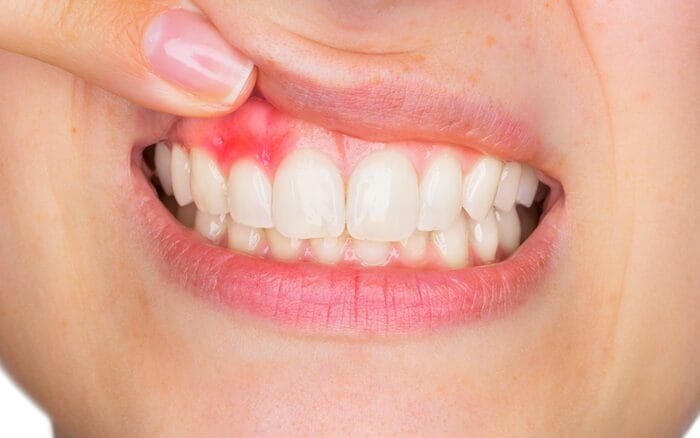
Gingivitis is the earliest and generally reversible form of gum disease. It occurs when plaque—a sticky film containing bacteria—builds up around the teeth and irritates the gum tissue. Common signs include redness, swelling, tenderness and bleeding during brushing or cleaning between the teeth.
The encouraging part is that gingivitis does not have to become a long-term dental problem. With appropriate oral hygiene and professional care when necessary, inflamed gums can often return to a healthier state.
The mistake is not noticing gingivitis. The bigger mistake is noticing it and assuming it will simply disappear.
Quick takeaway: Healthy gums generally should not bleed regularly during routine brushing or interdental cleaning. Persistent bleeding deserves attention.
What Is Gingivitis?
Gingivitis is inflammation of the gingiva—the soft tissue surrounding and supporting the teeth.
The most common trigger is dental plaque. When plaque is not removed effectively, it accumulates along the gumline. Bacteria and their by-products can trigger an inflammatory response, causing the gums to become red, swollen and prone to bleeding.
Importantly, gingivitis is different from advanced periodontal disease. In uncomplicated gingivitis, inflammation occurs without the attachment and bone destruction characteristic of periodontitis.
That distinction matters because early action can prevent a relatively manageable problem from progressing.
Gingivitis vs Periodontitis: What Is the Difference?
People often use “gum disease” as if it describes one condition. In reality, gum problems exist on a spectrum.
| Feature | Gingivitis | Periodontitis |
|---|---|---|
| Main problem | Gum inflammation | Inflammation with destruction of supporting tissues |
| Typical signs | Red, swollen or bleeding gums | Bleeding, gum recession, pockets, possible loose teeth |
| Bone loss | Generally absent | May occur |
| Reversible? | Usually reversible with appropriate care | Damage may require more complex treatment |
| Typical management | Improved plaque control and professional cleaning when needed | Periodontal treatment, deeper cleaning and sometimes surgery |
| Importance of early care | Very high | Critical to control disease progression |
The American Dental Association explains that when disease progresses beyond gingivitis, plaque can become trapped in periodontal pockets that are difficult to clean with ordinary brushing. Advanced gum disease can ultimately contribute to bone and tooth loss.
The practical lesson: bleeding gums are not something to panic about—but they are something to investigate.
What Causes Gingivitis?
1. Plaque buildup
The primary cause is inadequate removal of plaque around the teeth and gumline.
Plaque continuously forms, so oral hygiene is not a “clean once and you’re done” process. If plaque remains in place, it can irritate gingival tissue. Over time, plaque can also harden into tartar (calculus), which cannot be removed effectively with ordinary brushing and requires professional cleaning.
2. Inconsistent interdental cleaning
A toothbrush cannot adequately clean every surface between tightly positioned teeth.
Floss, interdental brushes and other interdental cleaners can help reach these areas. The ADA recommends cleaning between teeth daily, with the specific method selected according to individual needs.
3. Smoking and tobacco use
Smoking is an important risk factor for gum disease. Tobacco can affect oral tissues and make maintaining healthy gums more difficult.
Stopping tobacco use is therefore not simply a general health recommendation—it is also part of protecting periodontal health.
4. Hormonal changes
Hormonal changes can make gum tissues more susceptible to inflammation. Pregnancy, for example, can be associated with increased gum sensitivity and inflammation.
This is one reason pregnancy should not mean skipping dental appointments. Instead, oral hygiene may need extra attention during hormonal changes.
5. Diabetes and other health factors
Diabetes is associated with an increased risk of gum disease. Genetics, certain medications, stress, nutrition and other medical factors may also influence periodontal health.
This highlights an important point: gingivitis is not always simply a matter of brushing “better.” Your overall health and circumstances can influence your gums too.
Symptoms of Gingivitis
Gingivitis can be surprisingly subtle. Pain is not always present, which is why some people ignore it.
Common symptoms include:
- Red or darker-than-usual gums
- Swollen gums
- Gums that bleed while brushing
- Bleeding during flossing or interdental cleaning
- Tender or sensitive gums
- Persistent bad breath
- An unpleasant taste in the mouth
- Gumline changes
The NHS lists bleeding, redness, swelling and soreness among common symptoms of gum disease and advises dental assessment when these problems persist.
Is bleeding while brushing normal?
Occasional irritation can happen, especially if you have recently changed your cleaning routine. But repeated gum bleeding should not simply be accepted as normal.
A useful mindset is to treat bleeding as information.
Instead of thinking, “My gums always bleed,” ask:
“Why are my gums bleeding, and what can I change?”
That small change in thinking can encourage earlier dental care.
What Increases Your Risk?
Several factors can increase susceptibility to gum inflammation.
| Risk factor | Why it matters |
| Poor plaque control | Allows bacterial plaque to remain around the gums |
| Tobacco use | Increases risk of gum disease |
| Diabetes | Can increase susceptibility to periodontal problems |
| Hormonal changes | May increase gum sensitivity and inflammation |
| Certain medications | Some can produce oral side effects |
| Crooked or crowded teeth | Can make plaque removal more difficult |
| Poor nutrition | May affect overall oral and systemic health |
| Stress | Can indirectly affect oral hygiene and health behaviours |
Not everyone with a risk factor develops gingivitis, and someone without obvious risk factors can still develop it.
How Is Gingivitis Diagnosed?
A dentist or dental hygienist usually begins with a clinical examination.
They may look for:
- Gum redness and swelling
- Bleeding
- Plaque and tartar
- Changes in gum contours
- Periodontal pocket measurements
- Signs suggesting progression beyond gingivitis
If deeper periodontal disease is suspected, additional assessment—including dental X-rays—may be appropriate.
The goal is not merely to label the condition. The goal is to determine how far the problem has progressed and what treatment is appropriate.
Gingivitis Treatment: What Actually Helps?
1. Improve daily plaque removal
For uncomplicated gingivitis, improving oral hygiene is usually central to treatment.
The basic routine should include:
- Brush twice daily with fluoride toothpaste.
- Clean between the teeth once daily.
- Pay particular attention to the gumline.
- Replace worn toothbrushes or brush heads.
- Attend recommended dental check-ups.
The ADA notes that both manual and powered toothbrushes can be effective for plaque removal and reducing gingivitis when appropriately used.
2. Professional dental cleaning
If tartar has accumulated, brushing at home cannot remove it effectively.
A dentist or dental hygienist can professionally remove calculus and plaque, allowing daily oral hygiene to become more effective again. The NHS identifies professional cleaning and oral-hygiene instruction as important parts of early gum-disease management.
3. Interdental cleaning
There is no single “best” interdental tool for every mouth.
Depending on tooth spacing and individual needs, options may include:
- Dental floss
- Interdental brushes
- Water flossers or oral irrigators
- Other powered interdental cleaners
The ADA notes that interdental brushes may be particularly useful where spaces are more open, while floss may be suitable for tight contacts.
4. Therapeutic mouthwash
Mouthwash can be useful as an addition, not a substitute, for mechanical plaque removal.
Certain therapeutic mouthrinses can help reduce plaque and gingivitis. Ingredients used in therapeutic products include essential oils, cetylpyridinium chloride and, in appropriate circumstances, chlorhexidine.
However, stronger does not automatically mean better.
For example, chlorhexidine is generally used under professional guidance because it can have side effects such as tooth, tongue or restoration staining.
5. Scaling and root planing—when is it needed?
Scaling and root planing is a deeper cleaning procedure used below the gumline.
It is generally associated with periodontal disease that has progressed beyond uncomplicated gingivitis. The ADA describes it as a treatment for deeper periodontal pockets where ordinary cleaning is no longer sufficient.
So if someone has simple gingivitis without deeper tissue damage, jumping straight to aggressive periodontal treatment may not be necessary.
Good treatment begins with an accurate diagnosis.
A Simple Daily Routine for Healthier Gums
Think of gum health as a daily maintenance task rather than an occasional rescue mission.
Morning
- Brush thoroughly with fluoride toothpaste.
- Spit after brushing rather than immediately rinsing with large amounts of water.
- Clean any dental appliance according to professional instructions.
During the day
- Drink water regularly.
- Limit frequent sugary snacks and drinks.
- Avoid tobacco.
- Pay attention to persistent bad breath or gum bleeding.
Evening
- Clean between the teeth.
- Brush for about two minutes.
- Use any dentist-recommended therapeutic product as directed.
The NHS specifically recommends brushing with fluoride toothpaste at least twice a day and cleaning between teeth daily.
Common Gingivitis Myths—And the Reality
| Myth | Reality |
| “Bleeding gums mean I should stop flossing.” | Persistent bleeding may indicate inflammation and should be assessed rather than ignored. |
| “Gingivitis always hurts.” | It can occur with little or no pain. |
| “Mouthwash can replace brushing.” | Mouthwash is an adjunct, not a replacement for mechanical plaque removal. |
| “Only older adults get gum disease.” | Gum problems can occur at different ages. |
| “If my teeth aren’t loose, my gums are healthy.” | Early gum inflammation may occur without loose teeth. |
| “Professional cleaning means I don’t need to clean at home.” | Daily plaque control remains essential. |
When Should You See a Dentist?
Make a dental appointment if you experience persistent:
- Gum bleeding
- Swelling or redness
- Bad breath
- Gum tenderness
- Receding gums
- Changes in how your teeth fit together
- Tooth sensitivity or looseness
Seek more urgent dental advice if gums become extremely swollen or painful, teeth become loose, or you notice mouth ulcers, red patches or unusual lumps.
These signs may indicate something more serious than uncomplicated gingivitis.
Key Insights: What Your Gums Can Teach You
The most useful way to think about gingivitis is not as a cosmetic problem but as a signal.
Your gums can reveal that plaque control needs improvement, that tartar has accumulated, that tobacco is affecting your oral health, or that another health factor deserves attention.
And there is a valuable psychological lesson here: consistency usually beats intensity.
Brushing extremely hard once in a while is not a substitute for gentle, thorough cleaning every day. Likewise, an occasional professional cleaning cannot completely compensate for months of poor plaque control.
The goal is not to have a perfect mouth every morning.
The goal is to build a routine that makes healthy gums the easier outcome.
Conclusion
Gingivitis is common, but it should not be ignored. Red, swollen or bleeding gums are often early signs that plaque and inflammation are affecting the tissues around your teeth.
The good news is that early gingivitis is generally manageable. Effective brushing, daily interdental cleaning, professional dental care when needed, tobacco avoidance and attention to underlying risk factors can make a meaningful difference.
If your gums bleed regularly, don’t simply change your toothbrush and hope for the best. Use the symptom as a reason to investigate.
Ready to Take Better Care of Your Gums?
Start today with one simple step: improve the area you usually miss.
Then schedule a dental check-up if bleeding, swelling or other symptoms persist.
For more practical guidance, explore your website’s related articles on dental plaque, periodontitis, tooth brushing techniques, dental floss and professional dental cleaning, and choose oral-care products based on evidence and your dentist’s recommendations.
Healthy gums are not achieved in one appointment—they are built through small, consistent habits every day.
Suggested Visual Elements for the Blog
Infographic Prompt — Causes & Risk Factors
Create a clean medical infographic explaining gingivitis causes and risk factors. Show dental plaque and tartar around the gumline at the center, surrounded by icons representing poor plaque removal, smoking/tobacco, diabetes, hormonal changes, crowded teeth, certain medications, stress and nutrition. Professional dental-health style, medically accurate, minimal design, white background, blue and green healthcare palette, clear visual hierarchy, no unnecessary text.
Comparison Graphic Prompt — Gingivitis vs Periodontitis
Create a medically accurate side-by-side dental illustration comparing gingivitis and periodontitis. Gingivitis should show red, swollen, inflamed gums without bone loss; periodontitis should show gum recession, periodontal pocketing and supporting bone loss. Include a clean cross-sectional view of teeth and gums, realistic anatomy, educational healthcare infographic style, white background, no gore, no logos.
Internal Linking Suggestions
Use your existing website articles naturally around these phrases:
- Dental plaque
- Periodontitis
- Professional dental cleaning
- Tooth brushing techniques
- Dental floss and interdental cleaning
- Dental products for daily oral care
- How to choose the right toothbrush
These should link to the corresponding internal articles on your website rather than generic external pages.
Authoritative External Resources
- NHS: Gum Disease
- American Dental Association: Dental Floss & Interdental Cleaners
- American Dental Association: Mouthrinse
- American Dental Association: Scaling and Root Planing
- CDC: Gum Disease Risk Factors and Symptoms
Medical disclaimer: This article is for general educational purposes and does not replace an examination, diagnosis or treatment plan from a qualified dental professional. Individual treatment depends on the patient’s oral and general health.