Dermatology & Cosmetology: What Skincare, Aesthetic Equipment, and Professional Products Really Deliver
Stand in front of any drugstore skincare aisle today and you’ll find shelves promising “clinical-grade” results, “dermatologist-approved” formulas, and devices that claim to replace an entire med-spa visit. Somewhere between the marketing copy and the actual biology sits the real story of dermatology & cosmetology — two fields that used to sit on opposite ends of a waiting room and now overlap almost completely.
This isn’t a trend piece about the “next big ingredient.” It’s a look at what’s actually changed: which skincare actives have real evidence behind them, which aesthetic equipment categories are pulling clinic investment right now, and how professional-grade products differ from what’s sitting on your bathroom shelf — beyond the price tag.
Dermatology & Cosmetology Aren’t Separate Worlds Anymore
For decades, dermatology meant diagnosing and treating skin disease, while cosmetology handled appearance — facials, peels, makeup, hair. That line has all but disappeared. Med spas now run energy-based devices once found only in dermatology suites, and dermatology clinics increasingly build out full aesthetic device service menus alongside medical treatment.
The numbers reflect that blending. In the medical aesthetic devices market, the dermatology-and-cosmetics-clinic segment already accounted for the largest single share of end users as of 2025, ahead of hospitals and standalone med spas. This isn’t a niche crossover anymore — it’s the primary business model for a growing share of skin-focused practices.
The Skincare Ingredients Dermatologists Actually Stand Behind
Here’s the uncomfortable truth about skincare: most products enter the market long before anyone runs a rigorous trial on them. A 2025 Delphi consensus study published in the Journal of the American Academy of Dermatology tried to fix that gap. Researchers started with 318 ingredients, narrowed them through a panel of 17 dermatologists, and ran two consensus rounds with 62 dermatologists across 43 centers. Only 23 ingredients survived with strong, consistent backing.
| Ingredient | What It’s Actually Evidenced For | Evidence Strength |
|---|---|---|
| Retinoids | Wrinkles, acne, dark spots, large pores, oily skin | Strong (1b/2b level) |
| Mineral sunscreen | Fine lines, wrinkles, redness | Strong |
| Niacinamide | Redness, dark spots | Strong |
| Salicylic acid | Acne, oily skin | Strong |
| Azelaic acid | Acne, dark spots | Strong |
| Vitamin C | Fine lines, wrinkles, dark spots | Strong |
| Glycolic acid | Acne, dark spots | Strong |
| Peptides, growth factors, DNA-repair enzymes | Marketed widely, but evidence remains inconsistent | Insufficient for consensus |
That last row is the interesting part. Peptides and growth factors are everywhere in “clinical-grade” marketing, yet the same consensus study — echoed by independent dermatology commentary — notes their evidence is still formulation-specific and inconsistent enough that dermatologists couldn’t agree on them. That doesn’t mean peptides are useless; it means the science hasn’t caught up to the packaging.
Retinoids remain the standout. One clinical review notes they’re recommended by roughly 97% of surveyed dermatologists for acne, wrinkles, and general skin renewal — and prescription tretinoin outperforms over-the-counter retinol precisely because the body doesn’t have to convert it into its active form first, a conversion step that reduces potency along the way.
Aesthetic Equipment: Where Clinic Money Is Actually Going
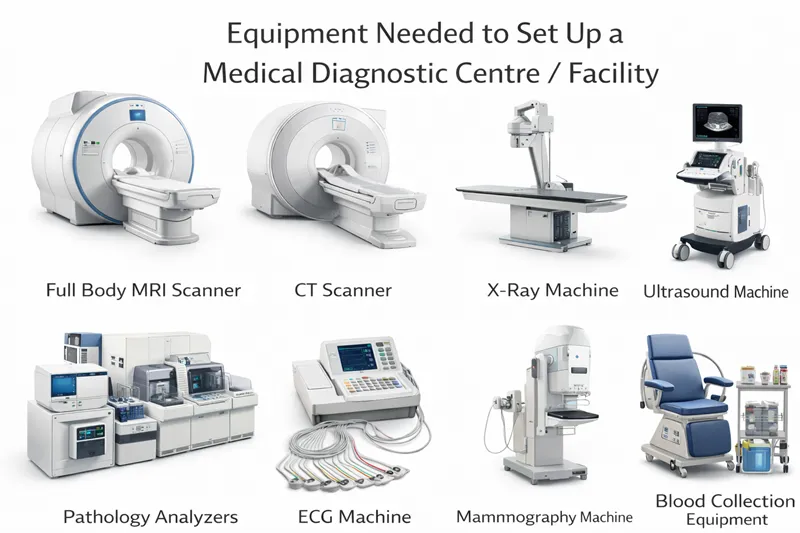
If skincare is the slow-and-steady side of the industry, aesthetic equipment is where the capital is moving fastest. The global aesthetic devices market is projected to grow from roughly $18.7 billion in 2026 to $34.2 billion by 2033, and energy-based devices — lasers, radiofrequency, light-based systems — already hold the largest product-type share, at over a third of the market.
A few categories are worth understanding if you’re evaluating what a clinic is actually investing in (or what’s behind the “device” in a treatment menu):
| Equipment Category | Primary Use | Market Signal |
|---|---|---|
| Diamond-tip dermabrasion | Texture, fine lines, hyperpigmentation | Leading product-type share in 2026, used in both clinics and premium home devices |
| Radiofrequency (RF) systems | Skin tightening, wrinkle reduction | Projected to grow from $610.7M (2026) to $1.64B by 2036 |
| Energy-based/laser platforms | Resurfacing, tattoo removal, rejuvenation | Largest device-type share; picosecond lasers and multi-platform systems trending |
| LED and light therapy | Collagen stimulation, at-home and in-clinic | Professional-grade units concentrated in U.S. dermatology networks |
One trend that doesn’t make it into most market-report summaries: clinics are increasingly consolidating around multi-platform systems rather than buying single-purpose machines. A Technavio analysis points to a dermatology clinic network that improved scheduling efficiency and patient experience simply by adopting one holistic platform that supports multiple rejuvenation treatments, instead of running separate machines for each procedure. That’s less about chasing the newest laser wavelength and more about operational efficiency — a detail that matters more to a clinic’s bottom line than any single device spec sheet.
North America still leads on adoption, at roughly 38–39% of global market share, largely thanks to established dermatology infrastructure and faster regulatory familiarity with laser-based technologies through the FDA’s device oversight framework. Asia Pacific, meanwhile, is the fastest-growing region — a sign that equipment demand is shifting outward from its traditional strongholds.
Professional Products vs. Over-the-Counter: What the Price Gap Actually Buys
“Clinical strength” is one of the most overused phrases in skincare marketing, and it usually implies a gap that’s bigger than it really is. The real differences between professional-grade and retail products tend to come down to three things:
- Concentration ceilings. Retail products are capped at lower active concentrations for safety in unsupervised use; professional and prescription formulations (like tretinoin vs. retinol) can go higher because a clinician is managing tolerability.
- Delivery systems. A well-formulated product with a moderate concentration can outperform a poorly stabilized one with a higher percentage on the label — formulation quality matters as much as the ingredient list.
- Personalization. Professional settings pair products with an actual skin assessment, which is where a lot of the real value sits — not necessarily in the bottle itself, but in getting the right bottle for your skin.
That last point matters more than most product comparisons let on. Layering multiple actives — retinoids, acids, vitamin C — without guidance is one of the more common ways people undermine their own routine, trading barrier health for the illusion of doing “more.”
What’s Actually Shaping the Industry Right Now
A few patterns stand out once you look past the ingredient-of-the-month cycle:
- Prevention is replacing one-off treatments. Industry analysis shows clients increasingly treat aesthetics as an ongoing wellness strategy rather than a single corrective procedure, which is reshaping how clinics price and structure care plans.
- Ingredient transparency is a purchasing factor, not a footnote. Clean-ingredient and microbiome-friendly claims are increasingly part of client decision-making, not a niche preference.
- Evidence is catching up to marketing — slowly. Consensus studies like the JAAD Delphi review are a sign the field is starting to formally separate proven actives from popular ones, which is good news for anyone tired of guessing.
The Bottom Line
The most useful thing you can do — whether you’re a consumer picking a serum or a clinic owner budgeting for new equipment — is separate what’s popular from what’s proven. Retinoids, sunscreen, vitamin C, niacinamide, and a handful of acids have decades of trial data behind them. Peptides and growth factors might get there eventually, but they’re not there yet. On the equipment side, the biggest shifts aren’t flashy new wavelengths; they’re multi-platform efficiency and the steady migration of dermatology-grade technology into everyday aesthetic practice.
Have a skincare ingredient or aesthetic device you’ve been curious about? Drop it in the comments — future deep dives on this blog will be shaped by what readers actually want examined next. And if you found this breakdown useful, subscribe for more evidence-first looks at the skincare and aesthetics industry, minus the marketing gloss.