
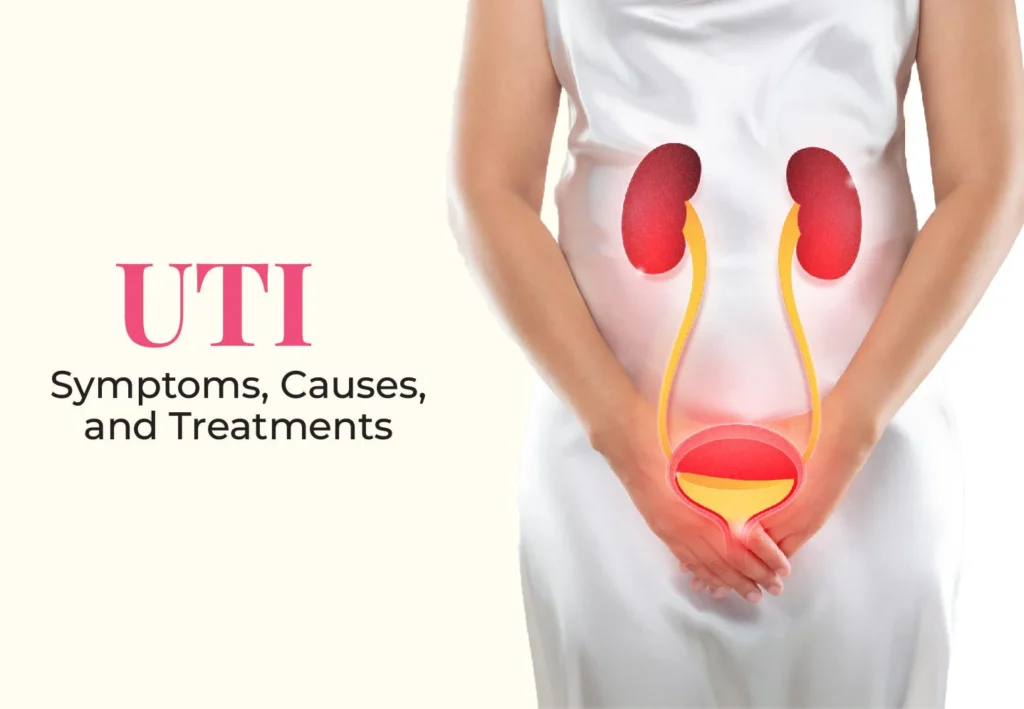
Category: Women’s Health | Medical Specialist: Gynecologist/obstetrician; primary-care clinician; relevant subspecialist | References: American College of Obstetricians and Gynecologists (ACOG); WHO; CDC
A sudden burning sensation when you urinate. The constant feeling that you need to go—even when almost nothing comes out. For many women, these familiar symptoms can turn an ordinary day into an uncomfortable one.
Urinary Tract Infection in Women is extremely common, but “common” does not mean it should be ignored. A simple bladder infection can usually be treated effectively, while an untreated infection may travel upward to the kidneys and become much more serious.
The good news? Understanding why UTIs happen, recognizing the warning signs, and seeking appropriate treatment early can make a significant difference.
What Is a Urinary Tract Infection?
A urinary tract infection occurs when microorganisms—most commonly bacteria—enter and multiply within the urinary system. The infection can involve the:
- Urethra – the tube that carries urine out of the body
- Bladder – where urine is stored
- Ureters – tubes carrying urine from the kidneys to the bladder
- Kidneys – organs that filter waste and produce urine
Most uncomplicated UTIs in women involve the bladder and are called cystitis. However, infection can spread to the kidneys, causing pyelonephritis, a more serious condition.
Why Are UTIs So Common in Women?
An important part of the explanation is anatomy. The female urethra is relatively short and located close to the anus, making it easier for bacteria from the intestinal area to reach the urinary tract.
Escherichia coli (E. coli) is the most common bacterial cause. It normally lives in the digestive tract without causing harm, but it can cause infection when it enters the urinary system.
This also explains why a UTI is not necessarily a sign of poor hygiene. A woman can have excellent personal hygiene and still develop one.
Common Causes and Risk Factors
Several factors can increase the likelihood of developing a UTI.
1. Sexual Activity
Sexual activity can move bacteria toward the urethra. This is one reason some women notice that UTIs occur repeatedly after intercourse.
2. Pregnancy
Pregnancy changes the urinary tract and can slow the movement of urine, increasing the risk of bacterial growth and infection. UTIs during pregnancy deserve particular attention because kidney infection can cause serious complications.
3. Menopause
After menopause, declining estrogen levels can alter the vaginal environment and reduce protective bacteria. This can make recurrent UTIs more likely.
4. Certain Forms of Contraception
Diaphragms and spermicides have been associated with a higher risk of bladder infections in some women. If infections repeatedly occur, discussing contraception options with a healthcare professional may be worthwhile.
5. Incomplete Bladder Emptying
Anything that prevents the bladder from emptying normally can increase the opportunity for bacteria to multiply.
Other risk factors may include urinary tract abnormalities, kidney or bladder stones, certain medical conditions, catheter use, and previous UTIs.
Urinary Tract Infection Symptoms in Women
Recognizing the typical symptoms can help women seek care before an infection progresses.
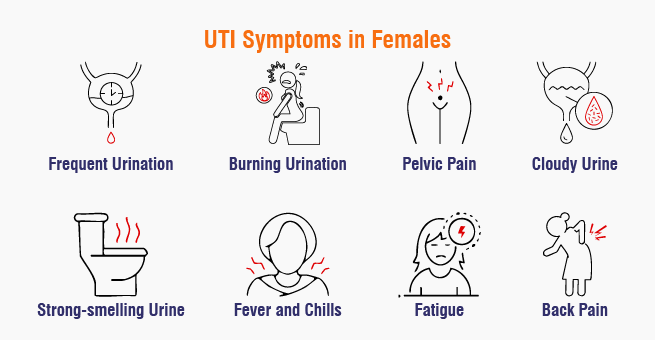
Common bladder infection symptoms include:
- Burning or pain during urination
- A frequent urge to urinate
- An intense need to urinate even when little urine is produced
- Lower abdominal discomfort or pressure
- Cloudy urine
- Strong-smelling urine
- Blood in the urine
These symptoms are described by the National Institute of Diabetes and Digestive and Kidney Diseases (NIDDK).
UTI Symptoms vs. Kidney Infection Symptoms
One of the most important distinctions is whether the infection appears limited to the bladder or may have reached the kidneys.
| Feature | Bladder Infection | Possible Kidney Infection |
|---|---|---|
| Burning urination | Common | May occur |
| Frequent urination | Common | May occur |
| Lower abdominal discomfort | Common | May occur |
| Fever/chills | Usually absent | More concerning |
| Back or side pain | Usually absent | Common warning sign |
| Nausea/vomiting | Uncommon | Can occur |
| Feeling significantly unwell | Less common | More likely |
Fever, chills, nausea, vomiting, or pain in the back, side, or groin should prompt medical attention because these can indicate kidney involvement.
How Is a UTI Diagnosed?
Diagnosis begins with the patient’s symptoms and medical history. A healthcare professional may also perform a urinalysis, which looks for findings such as white blood cells, blood, or other indicators of infection.
A urine culture can identify the bacteria responsible and help determine which antibiotics are likely to work.
This distinction matters because not every episode of burning urination is caused by a UTI. Vaginal infections, sexually transmitted infections, irritation, bladder conditions, and other problems can sometimes produce similar symptoms.
In pregnancy, urine culture has an especially important role. The American College of Obstetricians and Gynecologists recommends evaluation with urine culture when acute cystitis is suspected during pregnancy.
Treatment for Urinary Tract Infection in Women
For a confirmed bacterial bladder infection, antibiotics are generally the main treatment. The specific medicine and duration depend on factors such as the suspected or confirmed bacteria, antibiotic resistance patterns, allergies, pregnancy status, previous infections, and the location and severity of infection.
Why You Shouldn’t Self-Prescribe Antibiotics
A common mistake is taking leftover antibiotics from a previous infection or using someone else’s prescription.
That approach can fail because:
- The current infection may involve a different bacterium.
- The bacteria may be resistant to the medication.
- The symptoms may not actually be caused by a UTI.
- The wrong treatment can delay appropriate care.
Antibiotic resistance is also a growing public-health concern. When antibiotics are prescribed, they should be taken exactly as directed by the healthcare professional.
What About Pain Relief?
Some people experience considerable discomfort during a UTI. A healthcare professional may recommend an appropriate over-the-counter pain reliever, depending on the person’s medical history.
A heating pad placed over the lower abdomen or back may also provide temporary comfort.
Can Drinking Water Cure a UTI?
Hydration is helpful, but it is important to understand its limits.
Drinking enough water supports normal urinary function and may help with symptom relief. However, water does not replace appropriate antibiotic treatment for a confirmed bacterial infection.
Likewise, cranberry juice should not be considered a treatment for an existing UTI. Research on whether cranberry products can help prevent recurrent infections remains mixed and insufficient to make them a substitute for medical treatment.
Preventing Recurrent UTIs
For women who experience repeated infections, prevention becomes just as important as treatment.
Practical measures include:
- Drink adequate fluids unless a healthcare professional has advised fluid restriction.
- Avoid regularly holding urine for long periods.
- Take time to empty the bladder fully.
- Wipe from front to back after using the toilet.
- Discuss contraceptive methods if UTIs repeatedly follow their use.
- Wear comfortable, breathable clothing if moisture and irritation are concerns.
- Seek medical advice when infections repeatedly occur.
For women around or after menopause who experience recurrent UTIs, a healthcare professional may discuss low-dose vaginal estrogen as one possible preventive option when appropriate.
When Should a Woman See a Doctor?
Not every urinary symptom requires an emergency visit, but delaying care can sometimes allow an infection to progress.
Seek prompt medical attention if you experience:
- Fever or chills
- Pain in the back or side
- Nausea or vomiting
- Blood in the urine
- Symptoms that are severe or rapidly worsening
- Repeated UTIs
- UTI symptoms during pregnancy
Pregnancy deserves particular caution. UTIs can progress to kidney infection, and pyelonephritis during pregnancy can be associated with serious maternal complications and adverse pregnancy outcomes.
A Fresh Perspective: Don’t Normalize Recurrent UTIs
One of the most overlooked aspects of Urinary Tract Infection in Women is recurrence.
When a woman has experienced several UTIs, it can be tempting to think, “This is just something I get.” But recurrent infections deserve evaluation rather than resignation.
Healthcare professionals may look for contributing factors such as contraceptive methods, menopause-related changes, urinary tract abnormalities, incomplete bladder emptying, or patterns surrounding sexual activity.
According to ACOG, recurrent UTIs are commonly described as two or more infections within six months or three or more within a year.
The goal should not simply be to treat each episode—it should be to understand why the episodes keep returning.
Myths vs. Facts
| Myth | Fact |
| UTIs happen because of poor hygiene. | Anatomy, sexual activity, hormonal changes, and other factors can contribute. |
| Drinking lots of water cures every UTI. | Hydration helps, but bacterial infections may require antibiotics. |
| Cranberry juice treats an existing UTI. | It should not replace medical treatment. |
| You should save leftover antibiotics for the next UTI. | The correct treatment depends on the current infection and resistance patterns. |
| A UTI is always harmless. | An untreated infection can spread to the kidneys and become serious. |
Key Takeaways
If you remember only five things about Urinary Tract Infection in Women, remember these:
- Burning urination and frequent urgency are common warning signs.
- E. coli is the most common bacterial cause.
- Fever, chills, vomiting, or back/side pain may indicate kidney involvement.
- Antibiotics should be selected and used under appropriate medical guidance.
- Recurrent UTIs deserve investigation rather than simply repeated self-treatment.
Conclusion
A UTI may begin with something that seems minor—a little burning, an extra trip to the bathroom, or an uncomfortable pressure in the lower abdomen. But those early signals are worth paying attention to.
The key is not to panic, but not to dismiss the symptoms either. Early evaluation can distinguish a straightforward bladder infection from conditions that require different treatment. And for women dealing with recurrent infections, finding the underlying pattern can be far more valuable than repeatedly treating the same problem.
If you are experiencing UTI symptoms, especially fever, vomiting, significant pain, or symptoms during pregnancy, speak with a qualified healthcare professional promptly.
Have you experienced recurrent UTIs or found a prevention strategy that worked for you? Share your experience, explore our related women’s health articles, and subscribe for more evidence-based health guides.
Medical disclaimer: This article is intended for general educational purposes and does not replace diagnosis or treatment from a qualified healthcare professional. Antibiotics and other medicines should be used only according to appropriate medical advice.
Authoritative resources to hyperlink in your CMS
- NIDDK — Symptoms & Causes of Bladder Infection: NIDDK UTI Symptoms & Causes
- NIDDK — Treatment for Bladder Infection: NIDDK UTI Treatment Guide
- NIDDK — Bladder Infection Overview: NIDDK Bladder Infection Overview
- ACOG — UTIs During Pregnancy: ACOG Clinical Guidance on UTIs in Pregnancy
- ACOG — UTIs After Menopause: ACOG: UTIs After Menopause