Introduction: The Best Diagnostic Equipment Is Not Always the Most Advanced

A new diagnostic device can look impressive on a product brochure: sharper images, faster processing, more features, and a long list of technical specifications. But healthcare professionals know that a machine can be technologically impressive and still be the wrong choice for a particular clinic, laboratory, or hospital.
The real question is not, “Which Diagnostic Equipment has the most features?” It is “Which equipment will reliably help us make better clinical decisions in our actual working environment?”
That distinction matters.
A small outpatient clinic may benefit more from a dependable, easy-to-maintain point-of-care analyser than a sophisticated system that requires specialist training. A busy hospital laboratory may prioritize throughput and automation. A rural facility may place greater value on portability, battery backup, and service availability.
The World Health Organization (WHO) recommends considering medical equipment across its entire lifecycle—from needs assessment and procurement to installation, training, maintenance, and eventual decommissioning.
In other words, buying Diagnostic Equipment is not simply a purchasing decision. It is a clinical, operational, financial, and patient-safety decision.
What Counts as Diagnostic Equipment?
Diagnostic Equipment includes devices and systems used to detect, measure, monitor, or help identify disease and health conditions.
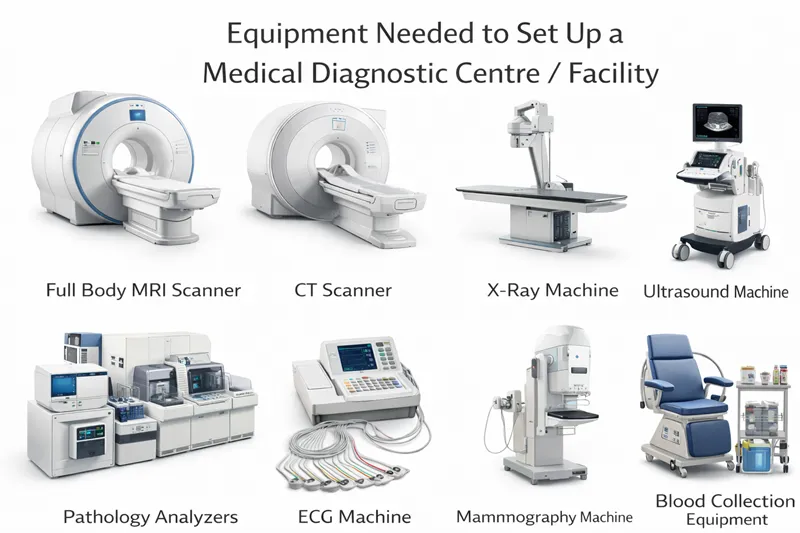
Depending on the healthcare setting, this can include:
- Blood pressure monitors
- Pulse oximeters
- Digital thermometers
- ECG machines
- Patient monitors
- Ultrasound systems
- X-ray and digital radiography equipment
- CT and MRI systems
- Blood glucose meters
- Haematology and biochemistry analysers
- Urinalysis systems
- Microscopes
- Point-of-care testing devices
- In-vitro diagnostic (IVD) instruments
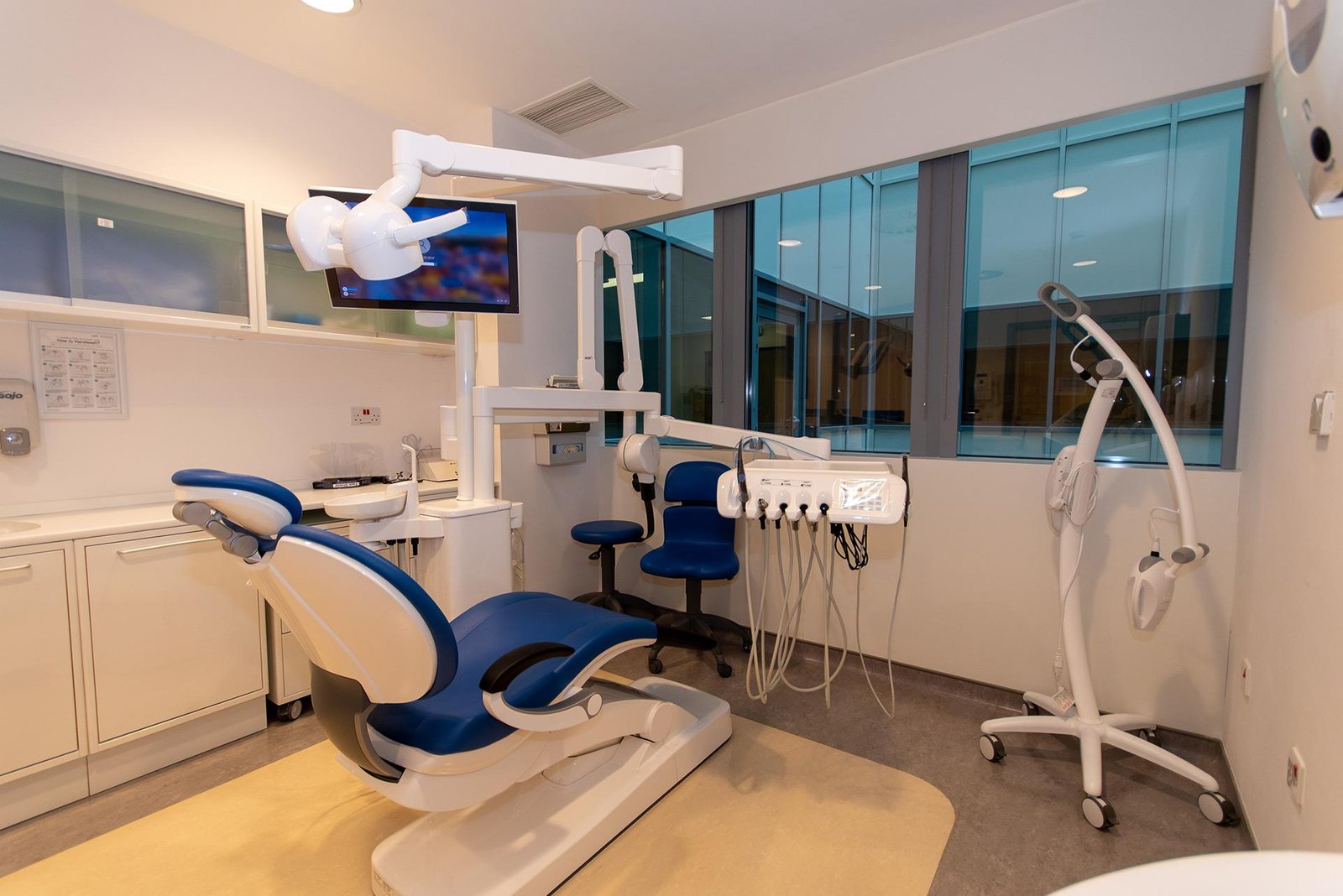
- Dental diagnostic equipment
- Ophthalmic diagnostic devices
- Spirometers and pulmonary function testing systems
IVDs are particularly important because they include reagents, instruments, and systems used to examine specimens taken from the human body for diagnostic purposes.
The right choice depends heavily on what you need to diagnose, where testing occurs, who operates the equipment, and how the results will influence patient care.
Step 1: Start With the Clinical Need, Not the Brand
One of the most common purchasing mistakes is beginning with a product catalogue.
Instead, begin with a clinical question:
What diagnostic problem are we trying to solve?
For example, if a primary-care clinic wants to improve cardiovascular assessment, the requirement might include ECG capability, blood pressure measurement, pulse oximetry, and reliable patient monitoring.
A laboratory may instead need an analyser capable of handling a particular sample type, test menu, daily workload, and turnaround time.
Ask these questions first:
- What conditions do we diagnose most frequently?
- Which tests are currently outsourced?
- How many tests are performed per day or month?
- What turnaround time do clinicians expect?
- Will the equipment be used for screening, diagnosis, monitoring, or all three?
- Who will operate it?
- What level of technical expertise is available?
- What happens if the device fails?
This needs-based approach aligns with WHO procurement guidance, which emphasizes selecting equipment appropriate for the intended setting, users, and testing requirements rather than simply choosing products based on price.
Step 2: Compare Accuracy, Precision, and Clinical Performance
A device may produce results quickly, but speed means little if those results are unreliable.
When comparing Diagnostic Equipment, look beyond marketing claims and investigate:
Accuracy
How close are measurements or test results to the accepted reference value?
Precision
Does the equipment provide consistent results when the same sample or measurement is repeated?
Sensitivity and specificity
For diagnostic tests, these characteristics can be critical because they influence the likelihood of detecting a condition correctly.
Reproducibility
Can comparable results be achieved across operators, locations, and repeated tests?
Validation evidence
Look for credible clinical or performance evidence rather than relying exclusively on manufacturer claims.
For laboratory and IVD equipment, performance evaluation, quality control, and regulatory requirements deserve particular attention. In India, IVDs are regulated under the Medical Devices Rules, 2017 and classified according to risk.
Step 3: Check Regulatory Compliance
A diagnostic device should not enter a healthcare environment simply because it is available commercially.
Regulatory status matters because medical devices are subject to requirements concerning safety, performance, quality, labelling, manufacturing, and post-market monitoring.
For healthcare organizations in India, the Central Drugs Standard Control Organisation (CDSCO) provides regulatory information concerning medical devices and diagnostics. India regulates medical devices under the Drugs and Cosmetics Act and the Medical Devices Rules, 2017.
Check CDSCO medical-device and diagnostic guidance
Healthcare buyers should verify, where applicable:
- Device classification
- Applicable licence or registration requirements
- Manufacturer/importer details
- Intended use
- Labelling and instructions
- Performance documentation
- Applicable standards
- Calibration requirements
- Post-market safety information
For international procurement, the applicable regulatory authority will depend on the market in which the equipment is being purchased and used. The FDA, for example, regulates medical devices marketed in the United States.
FDA medical-device regulatory overview
Step 4: Evaluate Total Cost of Ownership
The purchase price is only the beginning.
Consider the total cost of ownership (TCO) over the expected working life of the device.
| Cost Factor | What to Consider |
|---|---|
| Initial purchase | Device, accessories, installation |
| Consumables | Reagents, electrodes, probes, cartridges |
| Maintenance | Preventive and corrective servicing |
| Calibration | Frequency and certification costs |
| Training | Initial and refresher training |
| Software | Licences, updates, subscriptions |
| Infrastructure | Power, networking, space, ventilation |
| Downtime | Lost testing capacity and clinical delays |
| Replacement | Parts, batteries, sensors and accessories |
| Disposal | Decommissioning and end-of-life requirements |
This is where an apparently inexpensive device can become expensive.
For example, an analyser with a low purchase price but proprietary consumables and frequent service requirements may cost considerably more over five years than a higher-priced system with predictable operating costs.
WHO’s recent health technology assessment guidance emphasizes evaluating the clinical, economic, organizational, and broader implications of health technologies before adoption.
Step 5: Match the Equipment to Your Workflow
A technically excellent device can still fail operationally if it slows down the people using it.
Consider the entire patient journey:
Patient registration → sample collection → testing → result generation → interpretation → reporting → clinical action
Ask where the proposed equipment fits into this workflow.
For high-volume facilities, prioritize:
- Throughput
- Automation
- Barcode compatibility
- LIS/HIS connectivity
- Multiple sample handling
- Fast turnaround
- Minimal operator intervention
For smaller clinics, prioritize:
- Ease of use
- Portability
- Simple maintenance
- Compact footprint
- Rapid testing
- Clear displays
- Minimal training requirements
The best Diagnostic Equipment is often the device that creates the least friction between testing and clinical decision-making.
Step 6: Don’t Underestimate Connectivity
Modern diagnostic equipment increasingly produces digital data, making connectivity an important purchasing criterion.
Before buying, determine whether the device can integrate with:
- Laboratory Information Systems (LIS)
- Hospital Information Systems (HIS)
- Electronic Health Records (EHR)
- Barcode systems
- Cloud platforms
- Existing patient-monitoring systems
Also ask about data export formats, user permissions, audit trails, software updates, and cybersecurity.
This is especially important as diagnostic equipment becomes increasingly software-driven. The FDA’s current medical-device guidance includes specific attention to cybersecurity and software assurance as part of modern device quality and regulatory considerations.
A machine that generates excellent results but creates manual data-entry work may introduce a new source of error.
Step 7: Assess Training and Usability
A diagnostic device is only as effective as the people operating it.
During evaluation, involve actual users—not only procurement teams.
Ask nurses, laboratory technicians, radiographers, physicians, biomedical engineers, and other relevant staff to assess:
- Interface simplicity
- Workflow
- Sample preparation
- Error messages
- Cleaning requirements
- Calibration procedure
- Routine maintenance
- Result interpretation
- Training time
A useful strategy is to arrange a hands-on demonstration before purchase.
Don’t ask only, “Can you operate this machine?”
Ask:
“Can a trained employee operate it correctly during a busy shift when something goes wrong?”
That question often reveals more than a technical brochure.
Step 8: Investigate Service, Maintenance, and Downtime
One of the most overlooked purchasing questions is:
Who will fix the equipment when it stops working?
Before signing a purchase order, investigate:
- Local service availability
- Response time
- Preventive maintenance schedule
- Availability of spare parts
- Calibration support
- Warranty duration
- Extended service contracts
- Remote diagnostics
- Engineer qualifications
- Expected repair turnaround time
WHO’s medical equipment management framework treats maintenance as part of the equipment lifecycle, alongside procurement, training, inventory, safe use, and decommissioning.
WHO medical equipment inventory and maintenance guidance
For a critical analyser or imaging system, downtime can affect not only revenue but also patient flow and clinical decisions.
Step 9: Consider the Physical Environment
A device designed for a sophisticated hospital may not perform equally well in every environment.
Before installation, assess:
- Available floor or bench space
- Electrical supply
- Voltage fluctuations
- UPS or backup power
- Temperature and humidity
- Water supply
- Ventilation
- Internet/network connectivity
- Infection-control requirements
- Accessibility for service engineers
WHO technical specifications are specifically intended to help healthcare planners and procurement teams define equipment requirements for purchasing, installation, maintenance, and training.
This is particularly relevant in settings where infrastructure is inconsistent.
Diagnostic Equipment Comparison: What Should You Prioritize?
There is no universal ranking because priorities vary by facility. However, the following framework can help:
| Factor | Small Clinic | Hospital | Diagnostic Laboratory |
| Ease of use | Very High | High | High |
| Throughput | Medium | Very High | Very High |
| Portability | High | Medium | Low–Medium |
| Automation | Medium | Very High | Very High |
| Connectivity | High | Very High | Very High |
| Service support | Very High | Very High | Very High |
| Consumable cost | High | High | Very High |
| Regulatory compliance | Very High | Very High | Very High |
| Training needs | High | High | Very High |
| Total cost of ownership | Very High | Very High | Very High |
The important insight is that price should not be treated as an isolated purchasing metric.
A better question is:
What value will this equipment deliver per patient, per test, or per clinical decision over its useful life?
Five Questions to Ask Every Diagnostic Equipment Supplier
Before purchasing, ask the supplier to answer these questions in writing:
1. What is the intended use?
Make sure the manufacturer’s intended use matches your actual clinical application.
2. What evidence supports performance?
Request appropriate technical, validation, and performance documentation.
3. What are the recurring costs?
Ask specifically about consumables, software, calibration, servicing, and replacement parts.
4. What happens during downtime?
Clarify service response times, backup arrangements, loaner equipment, and escalation procedures.
5. What happens after the warranty ends?
A device may have a five-year clinical life but become difficult to support after only a few years if spare parts or software updates disappear.
A Practical Procurement Scorecard
Instead of choosing equipment based on one attractive feature, create a weighted score.
For example:
- Clinical performance — 25%
- Reliability — 15%
- Total cost of ownership — 15%
- Workflow and usability — 10%
- Service support — 10%
- Regulatory compliance — 10%
- Connectivity — 5%
- Training requirements — 5%
- Infrastructure requirements — 5%
The exact percentages should change according to your clinical environment.
The advantage is simple: everyone evaluates the same criteria before opinions become purchasing decisions.
Common Mistakes to Avoid
Buying based on the lowest price
Low upfront cost does not necessarily mean low lifetime cost.
Choosing too many features
Every additional feature can increase training, maintenance, complexity, or cost.
Ignoring consumables
For many diagnostic systems, recurring consumables can represent a substantial portion of lifetime expenditure.
Forgetting service availability
A device without dependable technical support can become an expensive piece of furniture.
Failing to involve end users
The people who actually operate the equipment should have a voice in its selection.
Skipping a site assessment
Power, space, networking, temperature, and workflow requirements should be checked before installation.
Treating procurement as the finish line
Installation, acceptance testing, training, calibration, maintenance, inventory management, and performance monitoring should continue throughout the equipment lifecycle.
The Future of Diagnostic Equipment: Smaller, Smarter, More Connected
Healthcare diagnostics are moving toward portability, automation, artificial intelligence, remote monitoring, and decentralized testing.
Point-of-care systems can bring testing closer to the patient. Digital imaging can simplify information sharing. Connected devices can reduce manual documentation. AI-assisted technologies may support interpretation and workflow.
But technological progress does not eliminate the fundamentals.
A sophisticated device still needs:
good clinical evidence + appropriate regulation + trained users + reliable infrastructure + quality assurance + maintenance.
WHO’s health technology assessment framework reinforces this broader perspective: technology should be evaluated not only for what it can do, but also for its clinical, economic, organizational, and social implications.
Final Takeaway: Buy for the Real Clinical World
Choosing Diagnostic Equipment is ultimately about matching technology to reality.
The right device should be accurate enough for its intended clinical purpose, simple enough for its users, affordable throughout its lifecycle, compatible with the facility’s infrastructure, supported by dependable service, and compliant with applicable regulations.
Before approving a purchase, ask one final question:
“If this equipment were installed tomorrow, would it make our clinical workflow safer, faster, or more reliable?”
If the answer is yes—and the evidence, cost, service, and regulatory requirements support that conclusion—you are much closer to making a sound investment.
Healthcare professionals should remember that the most expensive Diagnostic Equipment is not necessarily the best equipment. The best equipment is the one that consistently delivers the right information, to the right professional, at the right time.
Ready to Upgrade Your Diagnostic Setup?
Whether you are equipping a clinic, expanding a laboratory, or upgrading a hospital department, evaluate equipment based on clinical need, performance, total cost of ownership, usability, compliance, connectivity, and after-sales support.
Explore your diagnostic requirements, compare suitable equipment carefully, and speak with qualified suppliers before making a final purchasing decision. A thoughtful equipment choice today can improve workflow, reduce avoidable costs, and—most importantly—support better patient care.
Suggested Visual Elements
Hero image: Healthcare professional comparing modern diagnostic devices in a clinical environment.
Infographic: “8 Steps to Choose Diagnostic Equipment”
- Define clinical need
- Compare performance
- Check regulatory compliance
- Calculate total cost
- Evaluate workflow
- Assess connectivity
- Check training needs
- Confirm service and maintenance
Suggested alt text: Healthcare professional evaluating diagnostic equipment for a modern medical facility.
Suggested comparison graphic: Diagnostic equipment selection criteria: accuracy, cost, workflow, connectivity, compliance, and maintenance.