
Category: Respiratory | Medical Specialist: Pulmonologist; primary-care physician; allergist where appropriate | References: Global Initiative for Asthma (GINA); Global Initiative for Chronic Obstructive Lung Disease (GOLD); WHO; CDC
Introduction: Why Tuberculosis Still Matters
A cough that refuses to go away can seem ordinary—until it isn’t.
Tuberculosis (TB) remains one of the world’s most important infectious diseases, despite being preventable and curable. According to the World Health Organization (WHO), an estimated 10.7 million people developed TB in 2024, while about 1.23 million people died from the disease. India alone accounted for roughly 25% of global TB cases in 2024.
What makes Tuberculosis particularly challenging is that it can be surprisingly quiet. Some people have symptoms for months before seeking care, while others have TB bacteria in their bodies without feeling ill at all.
The encouraging part is equally important: TB can be diagnosed, treated and cured. The key is recognizing warning signs early, getting the right tests, and completing treatment exactly as prescribed.
What Is Tuberculosis?
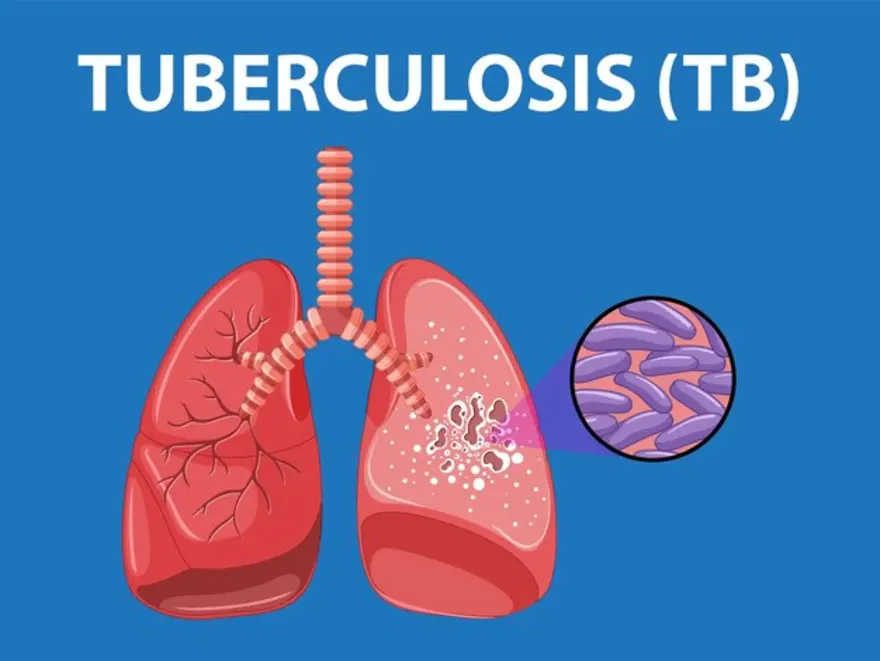
Tuberculosis is an infectious disease caused by the bacterium Mycobacterium tuberculosis. It most commonly affects the lungs, where it is called pulmonary TB, but the bacteria can also affect other organs.
TB spreads primarily through the air. A person with infectious pulmonary or laryngeal TB can release bacteria when coughing, sneezing, speaking or singing. Close, prolonged exposure—particularly in poorly ventilated spaces—can increase the chance of transmission.
However, TB infection and TB disease are not the same thing.
After someone inhales TB bacteria, the immune system may contain them. The bacteria can remain inactive, producing what is commonly called TB infection or latent TB. These people generally do not feel sick and do not spread TB.
WHO estimates that approximately one-quarter of the world’s population has been infected with TB bacteria, but only about 5–10% of infected people eventually develop TB disease.
TB Infection vs Active TB Disease
| Feature | TB Infection | Active TB Disease |
|---|---|---|
| Bacteria present | Yes | Yes |
| Symptoms | Usually absent | Often present |
| Feeling ill | Usually no | Often yes |
| Can spread TB? | Generally no | Pulmonary/laryngeal TB can be infectious |
| Treatment | Preventive treatment may be recommended | Requires multidrug treatment |
| Main concern | Future progression to disease | Illness and possible transmission |
This distinction is one of the most important things to understand about Tuberculosis. A positive TB infection test does not automatically mean that someone has contagious active TB.

What Causes Tuberculosis?
The immediate cause is infection with Mycobacterium tuberculosis.
But developing active TB is influenced by more than exposure alone. The body’s immune defenses play a major role in determining whether bacteria remain contained or multiply and cause disease.
Factors associated with a higher risk of developing TB disease include:
- HIV infection or other causes of weakened immunity
- Diabetes
- Undernutrition
- Tobacco use
- Harmful alcohol use
- Close or prolonged contact with someone who has infectious TB
- Living or working in settings where TB transmission is more likely
- Certain medications or medical conditions that suppress immune function
WHO specifically identifies weakened immunity, diabetes, undernutrition, tobacco use and harmful alcohol use among important risk factors.
A Useful Way to Think About TB
Think of TB infection as a battle between the bacteria and the immune system.
If the immune system successfully contains the bacteria, a person may remain well for years. If immune defenses weaken or the bacteria overcome containment, TB disease can develop.
That’s why a person’s risk can change over time—even if the original exposure happened years earlier.
Symptoms of Tuberculosis
TB symptoms can develop gradually, which is one reason the disease may go unnoticed.
Common Symptoms of Pulmonary TB
Typical symptoms include:
- Persistent or prolonged cough
- Coughing up sputum, sometimes with blood
- Chest pain
- Fever
- Night sweats
- Unexplained weight loss
- Fatigue or weakness
- Reduced appetite
According to WHO, symptoms may be mild for many months. This delay can allow an infectious person to continue transmitting the bacteria before TB is recognized.
TB Beyond the Lungs
Tuberculosis does not always stay in the respiratory system.
It can affect organs such as the:
- Lymph nodes
- Kidneys
- Bones and joints
- Spine
- Brain and meninges
- Abdomen
- Skin
Symptoms therefore vary depending on the organ involved.
For example, TB affecting the spine may cause persistent back pain, while TB involving the brain can produce neurological symptoms. Extrapulmonary TB can be harder to recognize because its symptoms may resemble many other conditions.
When Should You See a Doctor?
Don’t wait for symptoms to become severe.
Medical evaluation is particularly important if you have a prolonged cough accompanied by symptoms such as unexplained weight loss, fever, night sweats, chest pain or blood in sputum.
You should also discuss TB screening with a healthcare professional if you have had close contact with someone diagnosed with infectious TB or have medical or social factors that increase your risk.
A cough alone does not prove that someone has TB—many other respiratory conditions can cause similar symptoms. The important point is that persistent or concerning symptoms deserve evaluation.
How Is Tuberculosis Diagnosed?
Diagnosis usually combines clinical assessment with laboratory and imaging tests.
WHO recommends rapid diagnostic tests as the initial tests for people with signs and symptoms of TB. Molecular tests can help identify TB and, depending on the test, provide information relevant to drug resistance.
Depending on the situation, healthcare professionals may use:
- Sputum testing
- Rapid molecular tests
- Sputum microscopy
- Chest X-ray
- TB culture
- Drug-susceptibility testing
- Tuberculin skin testing
- Interferon-gamma release assays (IGRAs)
- Testing of tissue or body fluids for extrapulmonary TB
A TB skin test or blood test can help identify TB infection, but it does not by itself establish that a person has active TB disease. Active disease must be evaluated separately.
Tuberculosis Treatment: Why Completing the Course Matters
One of the biggest mistakes people can make is stopping TB medication simply because they start feeling better.
TB treatment uses multiple antibiotics, because the bacteria can be difficult to eliminate and can develop resistance when treatment is inadequate.
For drug-susceptible TB, commonly used medicines include:
- Rifampicin
- Isoniazid
- Pyrazinamide
- Ethambutol
WHO notes that treatment commonly lasts around 4–6 months, depending on the disease and regimen. Current treatment recommendations are periodically updated as evidence changes.
The exact medicines, doses and duration should be determined by a qualified healthcare professional.
Why TB Treatment Must Be Taken Seriously
Imagine treating a fire by extinguishing only the visible flames. The remaining embers could reignite.
TB bacteria can similarly persist when treatment is incomplete or inappropriate. Poor adherence can contribute to treatment failure and drug-resistant TB.
That’s why modern TB care emphasizes not only medicines but also patient education, adherence support and follow-up. WHO’s current treatment guidelines specifically address both drug-susceptible and drug-resistant TB alongside patient care and support.
Drug-Resistant Tuberculosis
Some TB bacteria become resistant to one or more medicines.
Multidrug-resistant TB (MDR-TB) is particularly concerning because standard medicines may no longer be effective. Drug-resistant TB requires specialized treatment and can be more difficult to manage.
This is another reason laboratory testing matters. Identifying resistance early allows clinicians to choose an appropriate treatment regimen instead of relying solely on standard therapy.
WHO continues to identify drug-resistant TB as a major public-health and health-security challenge.
Tuberculosis Prevention
Treatment is important, but preventing transmission is even better.
Practical Prevention Measures
Depending on individual circumstances and local public-health guidance, prevention can include:
- Early diagnosis and treatment of infectious TB
- Screening people at increased risk
- Preventive treatment for eligible people with TB infection
- Good ventilation
- Appropriate respiratory protection in healthcare and other high-risk environments
- Covering the mouth and nose when coughing or sneezing
- Following healthcare guidance regarding isolation or reduced close contact during the infectious period
- BCG vaccination where it is part of the national immunization program
WHO recommends screening people at increased risk and using TB preventive treatment to reduce the chance that TB infection progresses to disease.
Tuberculosis: Myths vs Facts
| Myth | Fact |
| TB always causes obvious symptoms | Symptoms can be mild or absent, particularly with TB infection. |
| Everyone with TB is contagious | TB infection generally isn’t contagious; infectiousness depends largely on the site and activity of disease. |
| TB only affects the lungs | TB can affect many organs. |
| TB cannot be cured | TB is preventable and curable with appropriate treatment. |
| Feeling better means treatment can stop | Treatment should be completed according to the prescribed regimen. |
| A positive TB infection test proves active TB | Additional evaluation is required to determine whether active disease is present. |
The Bigger Picture: Why TB Is Still a Global Challenge
The global TB story contains both progress and unfinished work.
WHO estimates that global efforts against TB have saved approximately 83 million lives since 2000. Yet the disease remains a major cause of death worldwide. In 2024, eight countries—including India, Indonesia, the Philippines, China and Pakistan—accounted for about two-thirds of global TB cases.
This tells us something important: TB isn’t simply a problem of individual behavior.
Access to timely diagnosis, nutrition, healthcare, medicines, housing conditions, ventilation, social support and public-health systems can all influence outcomes.
In other words, fighting TB requires both effective medicine and effective systems of care.
Key Takeaways
If you remember only a few things about Tuberculosis, remember these:
- TB is caused by Mycobacterium tuberculosis.
- It most commonly affects the lungs but can affect other organs.
- TB infection and active TB disease are different.
- Persistent cough, fever, night sweats, weight loss and fatigue can be warning signs.
- Modern rapid tests can help diagnose TB quickly.
- TB is treatable and curable.
- Completing the prescribed treatment is essential.
- Drug-resistant TB requires specialized management.
- People at increased risk may benefit from TB screening and preventive treatment.
- Early diagnosis and treatment help protect both the individual and the wider community.
Conclusion: Don’t Ignore the Quiet Signs
Tuberculosis isn’t an illness that should be judged by how dramatic the symptoms appear. Sometimes, the most important clue is simply a collection of small symptoms that refuses to go away.
A persistent cough, unexplained weight loss, recurring fever or night sweats may have many possible causes—but TB should be considered when the clinical situation makes it plausible.
The good news is that modern diagnosis and treatment have transformed TB from a frequently fatal disease into one that can usually be successfully treated.
If you or someone close to you has symptoms or has been exposed to TB, don’t self-diagnose and don’t delay medical evaluation. Speak with a qualified healthcare professional and follow the recommended testing and treatment plan.
Have you found this guide helpful? Share it with someone who may benefit from understanding the early signs, diagnosis and treatment of Tuberculosis. For more evidence-based health guides, explore our related articles or subscribe for future updates.
Medical Disclaimer
This article is intended for general educational purposes and is not a substitute for diagnosis, treatment or individualized advice from a qualified healthcare professional. TB medicines should only be taken under appropriate medical supervision. Treatment regimens can vary according to drug susceptibility, age, pregnancy, other medical conditions and national guidelines.
Suggested Authoritative Resources
For readers who want to explore the evidence further, the WHO Tuberculosis fact sheet provides current information on symptoms, diagnosis, prevention and treatment.
The WHO Global Tuberculosis Report 2025 provides detailed global, regional and country-level TB data.
WHO’s 2025 consolidated TB treatment guidelines provide current evidence-based recommendations for TB treatment and care.
Internal linking suggestion: Add links from this article to relevant pages on your own website covering respiratory diseases, infectious diseases, diagnostic testing, immunity, nutrition, or preventive healthcare. Use descriptive anchor text such as “common respiratory infections,” “understanding diagnostic tests,” or “preventive healthcare guide” rather than generic phrases such as “click here.”