
Category: Cardiology | Medical Specialist: Cardiologist; emergency physician for acute symptoms | References: American Heart Association (AHA); American College of Cardiology (ACC); WHO
Introduction: The Health Problem You May Not Feel
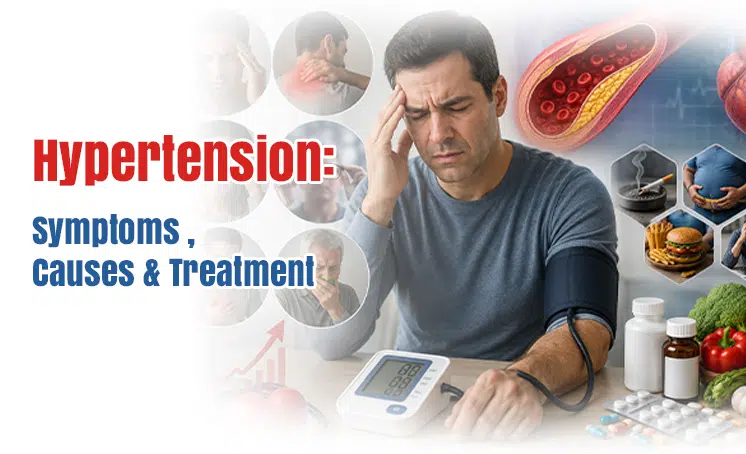
Imagine feeling completely healthy, going to work, exercising occasionally, eating normally—and discovering during a routine check-up that your blood pressure is consistently high. There may be no pain, no obvious warning and no dramatic symptoms. That quiet nature is precisely what makes hypertension so important to understand.
Hypertension, commonly called high blood pressure, occurs when the pressure of blood against artery walls remains persistently elevated. It affects an estimated 1.4 billion adults aged 30–79 worldwide, yet around 44% are unaware that they have it. Only about 23% are estimated to have their blood pressure under control.
In other words, hypertension is not simply a number on a blood-pressure monitor. Over time, uncontrolled high blood pressure can place additional strain on the heart and blood vessels and increase the risk of stroke, heart disease, kidney disease and other complications.
The encouraging part? Hypertension can often be prevented, treated and controlled. The first step is knowing your numbers and understanding what they mean.
What Is Hypertension?
Blood pressure is recorded using two numbers:
- Systolic pressure: the pressure in the arteries when the heart contracts.
- Diastolic pressure: the pressure when the heart relaxes between beats.
WHO defines hypertension as blood pressure of 140/90 mmHg or higher, confirmed by measurements taken on two different days.
However, blood-pressure categories and treatment thresholds can differ between clinical guidelines. The 2025 American Heart Association/American College of Cardiology guideline uses 130/80 mmHg as an important threshold for high blood pressure and sets an overall treatment goal of below 130/80 mmHg for many adults, with individual considerations for certain groups.
Blood Pressure at a Glance
| Blood pressure reading | General interpretation |
|---|---|
| Below 120/80 mmHg | Generally considered normal |
| 120–129 and below 80 | Elevated |
| 130–139 or 80–89 | High blood pressure under AHA/ACC classification |
| ≥140 or ≥90 | Hypertension under WHO definition |
| >180 and/or >120 | Severe hypertension requiring prompt assessment |
Classification systems vary, so your healthcare professional should interpret your readings in context.
What Causes Hypertension?
There isn’t always one obvious cause. For most adults, hypertension develops from a combination of genetic, biological, environmental and lifestyle factors.
1. Primary Hypertension
Most hypertension is primary (essential) hypertension, meaning it does not have one identifiable underlying disease responsible for it.
It tends to develop gradually as factors such as age, genetics, diet, body weight, physical activity and vascular changes interact over time.
2. Secondary Hypertension
Sometimes high blood pressure is caused by another condition or medication. Possible contributors include:
- Chronic kidney disease
- Sleep apnea
- Thyroid disorders
- Obesity
- Metabolic syndrome
- Certain hormonal disorders
- Some prescription or over-the-counter medicines
- Certain stimulant or recreational drugs
Treating the underlying cause can sometimes substantially improve blood pressure.
Major Risk Factors for Hypertension
Some risk factors cannot be changed, while others can.
Non-Modifiable Risk Factors
These include:
- Increasing age
- Family history of hypertension
- Genetic susceptibility
- Certain underlying health conditions
Blood vessels naturally become less flexible with age, which can contribute to rising blood pressure.
Modifiable Risk Factors
This is where everyday choices can make a meaningful difference.
Common contributors include:
- High-sodium diets
- Physical inactivity
- Overweight or obesity
- Excessive alcohol consumption
- Tobacco use
- Poor-quality sleep
- Chronic stress
- Diets low in fruits and vegetables
Some people are particularly sensitive to dietary sodium. Kidney disease, diabetes and metabolic syndrome can also increase vulnerability.
A useful way to think about this is not “Did I cause my hypertension?”, but “Which factors can I change now?”
That shift from blame to action can make hypertension much easier to manage.
Symptoms of Hypertension: Why It Is Called a “Silent” Condition
One of the biggest misconceptions about hypertension is that you will know when your blood pressure becomes high.
Usually, you won’t.
Many people with hypertension have no noticeable symptoms, even when their blood pressure has been elevated for a long time. Regular measurement is therefore much more reliable than waiting for warning signs.
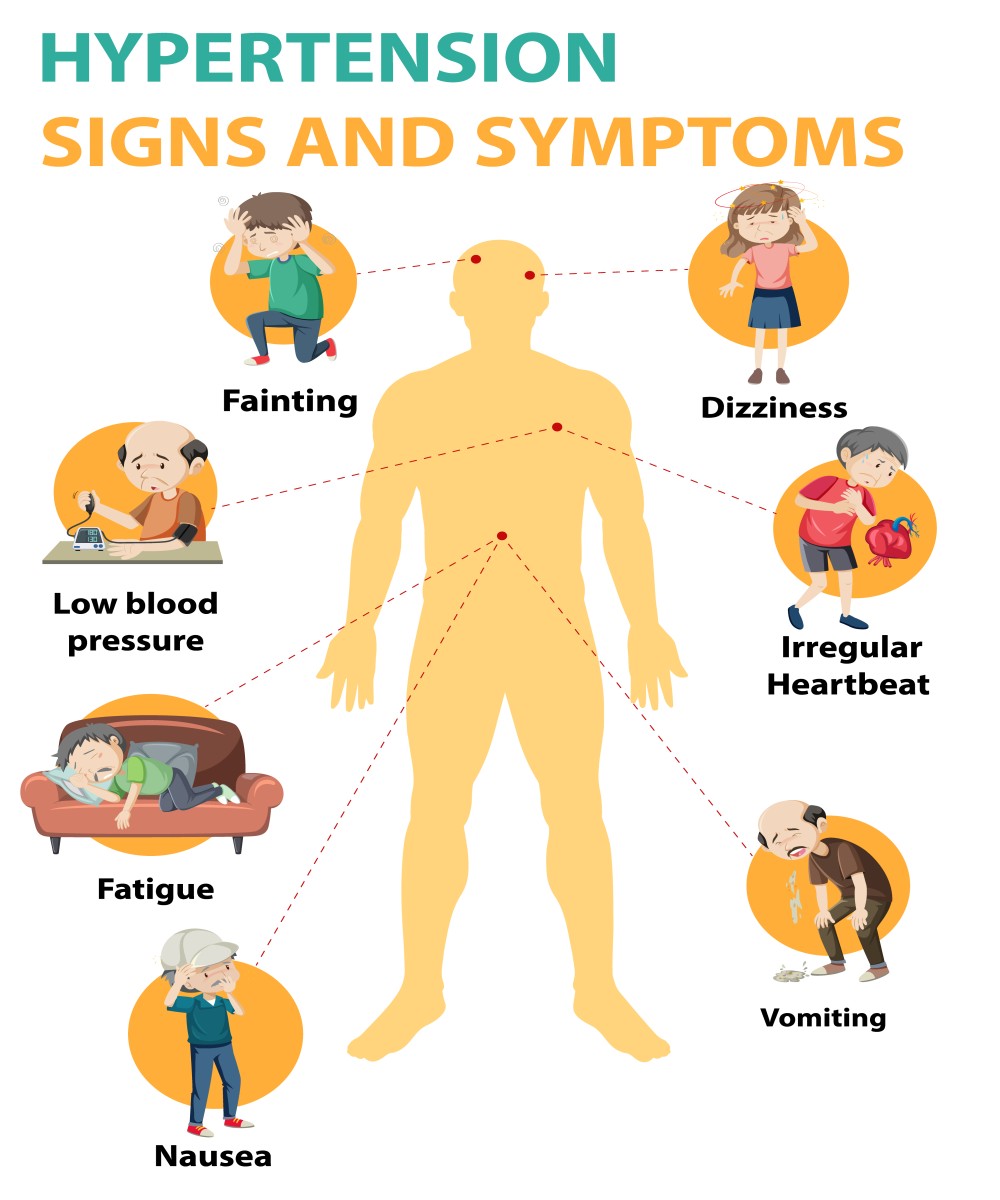
Some people may experience nonspecific symptoms such as:
- Headache
- Dizziness
- Visual disturbances
- Shortness of breath
- Fatigue
But these symptoms do not reliably diagnose hypertension. A headache, for example, does not automatically mean that your blood pressure is high.
When High Blood Pressure Becomes an Emergency
A reading above 180/120 mmHg requires immediate attention, particularly if it is accompanied by symptoms such as:
- Chest pain
- Difficulty breathing
- Weakness or numbness
- Vision changes
- Difficulty speaking
- Severe neurological symptoms
These can indicate a hypertensive emergency or another serious medical problem.
How Is Hypertension Diagnosed?
A single elevated reading does not necessarily mean you have chronic hypertension.
Healthcare professionals generally look for consistently elevated measurements, often using readings taken on separate occasions. Home blood-pressure monitoring can also help identify patterns that may not appear during a clinic visit.
How to Get a More Accurate Reading
Before measuring your blood pressure:
- Avoid exercise, smoking and caffeine for about 30 minutes.
- Empty your bladder.
- Sit quietly for at least five minutes.
- Keep your feet flat on the floor.
- Support your arm at approximately heart level.
- Avoid talking during the measurement.
- Use the correct cuff size.
Incorrect technique or cuff size can produce misleading results.
Your clinician may also request blood and urine tests or other investigations to evaluate cardiovascular risk, identify possible secondary causes and determine whether organs such as the kidneys have been affected.
Hypertension Treatment: What Actually Works?
The best treatment plan depends on your blood-pressure level, overall cardiovascular risk, age, other health conditions and response to treatment.
1. Lifestyle Changes
Lifestyle changes form the foundation of hypertension prevention and management.
Eat for Your Blood Vessels
Focus on:
- Vegetables and fruits
- Whole grains
- Beans and pulses
- Nuts and seeds
- Lean protein
- Lower-sodium foods
The DASH eating pattern is one evidence-based approach commonly recommended for blood-pressure management.
Reducing heavily processed foods can be particularly useful because much of the sodium in modern diets comes from packaged and prepared foods rather than the salt shaker.
Move More
Regular physical activity can help lower blood pressure and improve cardiovascular fitness.
You don’t necessarily need to transform your life overnight. Walking more, reducing prolonged sitting and gradually building consistent exercise habits can be more sustainable than an extreme short-term fitness plan.
Maintain a Healthy Weight
For people who are overweight, even modest weight loss may improve blood-pressure control and reduce cardiovascular risk.
Limit Alcohol and Avoid Tobacco
Excessive alcohol can contribute to elevated blood pressure, while tobacco damages blood vessels and increases cardiovascular risk.
Prioritize Sleep and Stress Management
Poor sleep and persistent stress can complicate blood-pressure control. Addressing sleep quality, maintaining a regular routine and using practical stress-management strategies can complement medical treatment.
2. Medicines for Hypertension
Lifestyle changes are important, but they aren’t always enough.
Depending on the individual situation, clinicians may prescribe medicines such as:
- ACE inhibitors
- Angiotensin II receptor blockers (ARBs)
- Calcium-channel blockers
- Thiazide-type diuretics
- Beta blockers in selected situations
- Other antihypertensive medicines when appropriate
The goal isn’t simply to take a tablet and see a lower number. Treatment aims to reduce long-term cardiovascular and organ damage.
The 2025 AHA/ACC guideline emphasizes personalized treatment, home monitoring and, when appropriate, combination therapy—sometimes using a single-pill combination to simplify treatment.
Never stop or change blood-pressure medication without speaking with your healthcare professional.
Hypertension vs. Normal Blood Pressure: What Is the Difference?
| Feature | Normal blood pressure | Hypertension |
| Arterial pressure | Within a healthy range | Persistently elevated |
| Symptoms | Usually none | Often none |
| Detection | Routine measurement | Repeated measurement |
| Long-term risk | Lower | Higher if uncontrolled |
| Management | Healthy lifestyle | Lifestyle changes ± medication |
| Monitoring | Periodic | Regular and individualized |
The most important distinction is that feeling well does not prove that blood pressure is healthy.
What Happens If Hypertension Is Left Untreated?
Think of your arteries as a network of flexible pipes. Constantly elevated pressure places greater mechanical stress on that system.
Over years, uncontrolled hypertension can contribute to:
- Heart attack
- Heart failure
- Stroke
- Kidney disease
- Atrial fibrillation
- Cognitive decline and dementia
- Damage to blood vessels and other organs
The 2025 AHA/ACC guideline identifies hypertension as a major modifiable risk factor for cardiovascular disease, chronic kidney disease and cognitive complications.
This is why controlling blood pressure is less about chasing a perfect number today and more about protecting your health five, ten or twenty years from now.
Hypertension in India: Why Awareness Matters
Hypertension deserves particular attention in India. WHO India reports an estimated 220 million people living with hypertension in the country, while only around 12% are estimated to have their blood pressure under control.
That gap highlights an important lesson: diagnosis alone isn’t enough.
People need affordable medicines, reliable blood-pressure devices, regular follow-up and practical guidance that fits everyday life.
WHO’s 2025 global hypertension report similarly emphasizes strengthening detection, treatment and control through primary healthcare and improving access to quality-assured medicines and validated blood-pressure devices.
Key Insights: What You Should Remember
If you remember only five things about hypertension, remember these:
- You can have hypertension without symptoms.
- One high reading does not always establish a diagnosis.
- Home monitoring can provide valuable information when performed correctly.
- Lifestyle changes are powerful, but some people also need medication.
- Controlling blood pressure is about preventing future complications—not simply treating today’s reading.
Frequently Asked Questions About Hypertension
Can hypertension be cured?
Some cases of secondary hypertension may improve substantially when the underlying cause is treated. Primary hypertension is generally managed rather than permanently cured, but many people can control it effectively with lifestyle changes and medication.
Can young adults develop hypertension?
Yes. Although risk increases with age, younger adults can develop high blood pressure because of genetics, obesity, inactivity, diet, sleep problems, kidney disease or other factors.
Can stress cause high blood pressure?
Stress can temporarily raise blood pressure and may contribute to unhealthy behaviors that make long-term control more difficult. Persistent hypertension, however, should not simply be attributed to stress without proper evaluation.
Should I stop eating salt completely?
No. The goal is generally to reduce excessive sodium intake rather than eliminate sodium completely. Your individual dietary needs should be discussed with a healthcare professional, particularly if you have kidney or heart conditions.
How often should I check my blood pressure?
The appropriate frequency depends on your age, readings and health status. People with diagnosed hypertension may need regular home monitoring, while others may simply require periodic screening. Ask your healthcare professional what schedule is appropriate for you.
Conclusion: Know Your Numbers, Protect Your Future
Hypertension is easy to underestimate because it often doesn’t announce itself.
There may be no dramatic symptom, no obvious pain and no immediate disruption to daily life. Yet beneath the surface, persistently elevated blood pressure can gradually affect the heart, brain, kidneys and blood vessels.
The good news is that hypertension is one of the most manageable major cardiovascular risk factors. Regular monitoring, healthier eating, physical activity, weight management, adequate sleep, tobacco avoidance and appropriate medication can make a substantial difference.
If you haven’t checked your blood pressure recently, don’t wait for symptoms to tell you something is wrong. Arrange a blood-pressure check and discuss your numbers with a qualified healthcare professional.
Know your numbers. Understand your risks. Take action early.
Suggested Internal Links
For stronger site navigation and SEO, link this article to relevant existing content on your website, such as:
- Understanding Obesity: Causes, Symptoms & Treatment
- Understanding Diabetes: Causes, Symptoms & Treatment
- Understanding Kidney Disease: Causes, Symptoms & Treatment
- Understanding Stroke: Causes, Symptoms & Treatment
- Heart Health and Cardiovascular Disease Guide
Recommended Visuals
Hero image: A clean medical illustration showing a blood-pressure monitor, heart and arterial blood flow, with the title “Understanding Hypertension.”
Infographic: “What Do Blood Pressure Numbers Mean?” showing systolic pressure, diastolic pressure and common blood-pressure categories.
Lifestyle infographic: “5 Ways to Help Control Blood Pressure” featuring lower sodium intake, exercise, healthy weight, better sleep and medication adherence.
Clinical illustration: A simple diagram showing how persistent high pressure can affect the heart, brain, kidneys and blood vessels.
Medical disclaimer: This article is intended for general educational purposes and does not replace professional medical advice, diagnosis or treatment. If you have persistently elevated blood pressure or symptoms of a medical emergency, seek appropriate medical care promptly.
Trusted resources:
World Health Organization — Hypertension
WHO India — Hypertension
NHLBI — High Blood Pressure Diagnosis
NHLBI — High Blood Pressure Causes and Risk Factors
NHLBI — High Blood Pressure Treatment
American Heart Association — 2025 High Blood Pressure Guideline