
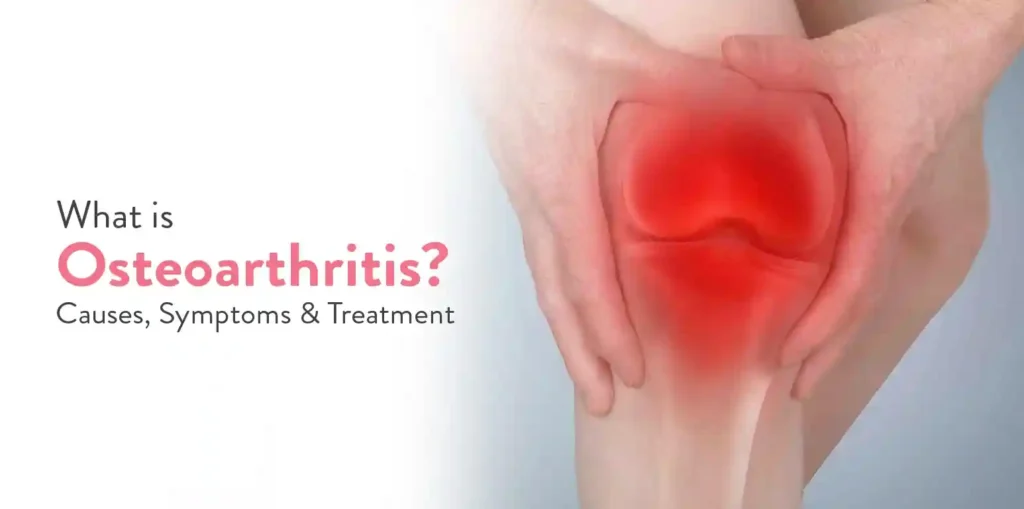
Category: Orthopedics & Musculoskeletal | Medical Specialist: Orthopedic surgeon; rheumatologist; physiatrist; physiotherapist depending on condition | References: American Academy of Orthopaedic Surgeons (AAOS); American College of Rheumatology (ACR); WHO
Introduction: When Everyday Movement Starts to Hurt
A staircase you once climbed without thinking can suddenly feel like a challenge. Getting out of a chair may take an extra moment. Even opening a jar or taking a morning walk can become uncomfortable.
These seemingly small changes can be signs of Osteoarthritis, the most common form of arthritis.
Osteoarthritis is often described as a condition caused by “wear and tear.” But that description is misleading. The disease is more complex: it involves changes to cartilage, bone, the joint lining, ligaments, tendons, and surrounding muscles.
And it is remarkably common. The World Health Organization estimates that about 528 million people worldwide were living with Osteoarthritis in 2019. The knee is the most frequently affected joint, followed by the hip and hand.
The encouraging part? Osteoarthritis does not automatically mean giving up an active life. With the right combination of exercise, weight management, pain control, rehabilitation, and—when necessary—surgery, many people can maintain meaningful mobility and independence.
What Is Osteoarthritis?
Osteoarthritis is a long-term joint condition in which the tissues forming and supporting a joint gradually change.
Healthy cartilage provides a smooth, resilient surface that helps bones move against one another. With Osteoarthritis, cartilage can deteriorate, while the underlying bone and other joint tissues may also undergo structural changes. Bone spurs, known as osteophytes, can develop around the joint.
Commonly affected areas include:
- Knees
- Hips
- Hands and thumbs
- Neck
- Lower back
Importantly, Osteoarthritis is not simply an inevitable part of getting older. Age increases risk, but younger adults can also develop it, particularly after joint injuries, repetitive stress, or because of inherited joint abnormalities.
Osteoarthritis vs Other Types of Arthritis
Not all arthritis behaves the same way. Understanding the difference can help explain why treatment varies from person to person.
| Feature | Osteoarthritis | Rheumatoid Arthritis |
|---|---|---|
| Main mechanism | Structural changes and breakdown of joint tissues | Autoimmune inflammation |
| Typical pattern | Often affects knees, hips, hands and spine | Often affects multiple joints symmetrically |
| Morning stiffness | Usually brief, often under 30 minutes | Frequently longer-lasting |
| Common symptoms | Pain with activity, stiffness, reduced movement | Pain, swelling, stiffness and systemic symptoms |
| Treatment focus | Exercise, rehabilitation, weight management, symptom control | Disease-modifying medicines and inflammation control |
This distinction matters because persistent joint pain should not automatically be labelled as Osteoarthritis. Conditions such as rheumatoid arthritis, gout, infection, or injuries can produce similar symptoms and may require very different treatment.
What Causes Osteoarthritis?
There is rarely one single cause.
Instead, Osteoarthritis develops through an interaction between factors affecting the joint itself and factors affecting the body as a whole.
1. Age
The risk increases with age because joints undergo biological and structural changes over time. However, ageing alone does not guarantee Osteoarthritis.
2. Previous Joint Injury
A fracture, ligament injury, meniscus injury, or significant trauma can increase the likelihood of developing Osteoarthritis in that joint later.
This is one reason that an apparently “old” injury can remain relevant years after recovery.
3. Excess Body Weight
Weight can increase mechanical stress on weight-bearing joints such as the knees and hips. But the relationship is more complicated than simple pressure: metabolic and inflammatory processes associated with excess body weight may also contribute.
4. Repetitive Joint Stress
Certain occupations and sporting activities can expose particular joints to repetitive loads. The risk depends on the joint, intensity, duration, biomechanics, and individual susceptibility.
5. Genetics
Some people inherit characteristics that make their joints more vulnerable to Osteoarthritis.
6. Abnormal Joint Structure
A joint that develops differently from normal may experience unusual mechanical forces, increasing the risk of later damage.
Symptoms of Osteoarthritis
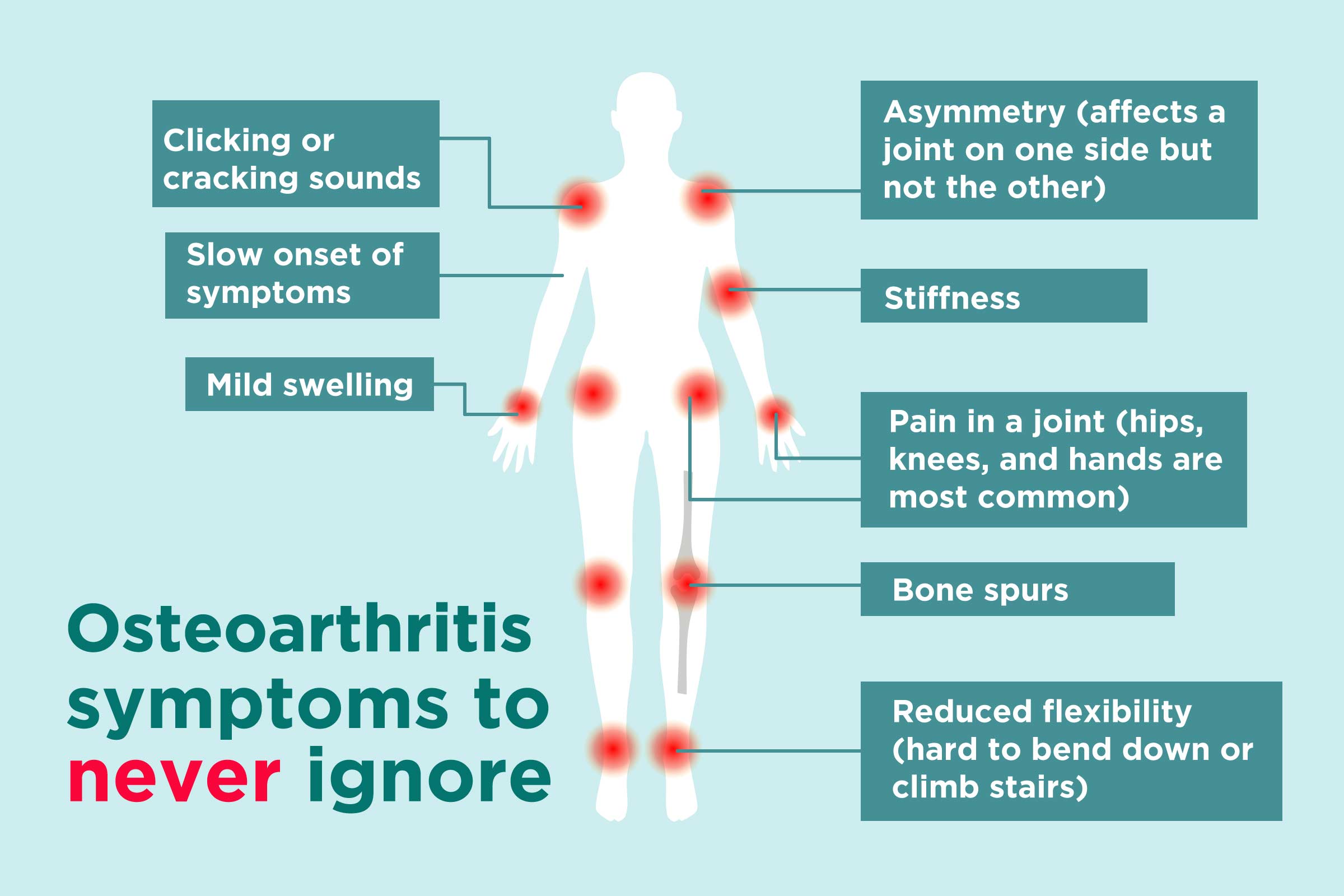
Osteoarthritis often develops gradually, so the earliest warning signs can be easy to dismiss.
Common symptoms include:
- Joint pain, particularly during or after activity
- Stiffness after inactivity
- Swelling around the joint
- Reduced range of movement
- A grinding, clicking, or grating sensation
- Joint instability or weakness
- Difficulty performing everyday activities
Morning stiffness is typically relatively brief. In contrast, prolonged morning stiffness can point toward other forms of arthritis and deserves medical assessment.
Symptoms Depend on the Joint
Knee Osteoarthritis:
Pain may appear when climbing stairs, walking, standing for long periods, or getting up from a chair. Some people experience grinding or a feeling that the knee may buckle.
Hip Osteoarthritis:
Pain can occur in the groin, thigh, buttock, or sometimes the knee. Hip movement may gradually become restricted.
Hand Osteoarthritis:
Finger joints may become painful, stiff, enlarged, or visibly changed. Grip-intensive activities can become difficult.
Spinal Osteoarthritis:
Neck or lower-back stiffness and pain may develop. In some people, degenerative changes around the spine can contribute to nerve-related symptoms.
How Is Osteoarthritis Diagnosed?
There is no single blood test that confirms Osteoarthritis.
Diagnosis generally involves a combination of:
- Medical history
- Physical examination
- Assessment of movement and joint function
- Imaging when appropriate
- Tests to rule out other conditions
X-rays may show joint-space narrowing, bone changes, or bone spurs. MRI can provide more detailed information about soft tissues and may be useful in selected situations. Blood tests or joint-fluid analysis may be used when another diagnosis, such as gout or infection, needs to be considered.
Interestingly, X-ray severity and pain severity do not always match. Someone can have significant-looking changes on an image but relatively little pain, while another person can experience substantial pain with less dramatic imaging findings.
That is why treatment should focus on the person and their function, not simply the scan.
Treatment: What Actually Helps?
There is no single treatment that works for everyone. The best approach is usually a combination of strategies tailored to the affected joint, symptoms, lifestyle, and overall health.
1. Therapeutic Exercise
Exercise is one of the cornerstones of Osteoarthritis management.
It can improve:
- Muscle strength
- Joint flexibility
- Physical endurance
- Balance
- Everyday function
- Pain levels
Options may include walking, cycling, swimming, water exercise, strength training, stretching, and other low-impact activities.
One of the biggest misconceptions is that painful joints need prolonged rest.
In reality, avoiding movement for too long can weaken supporting muscles and make daily activities harder. The goal is not to “push through” severe pain but to gradually build a sustainable level of activity.
2. Weight Management
For people with excess weight, even modest weight reduction can improve function and reduce symptoms, particularly with knee and hip Osteoarthritis.
NICE recommends combining weight management with therapeutic exercise rather than treating either as an isolated intervention. It also notes that, where weight loss is appropriate, greater weight reduction may provide greater benefit.
3. Pain-Relieving Medicines
Depending on the joint and the individual’s health, clinicians may consider:
- Topical non-steroidal anti-inflammatory drugs (NSAIDs)
- Oral NSAIDs
- Other pain-relieving medicines in selected circumstances
- Corticosteroid injections for short-term relief in appropriate cases
Medication should be individualized because NSAIDs can have important gastrointestinal, kidney, cardiovascular, and drug-interaction considerations.
NICE recommends using medicines alongside non-drug treatments, at the lowest effective dose and for the shortest appropriate duration.
4. Physiotherapy and Rehabilitation
A physiotherapist can help design exercises around the affected joint rather than simply handing someone a generic exercise sheet.
Rehabilitation may focus on muscle strengthening, mobility, balance, gait, joint protection, and strategies for performing daily activities more comfortably.
Braces, walking aids, or other assistive devices may also help selected patients.
5. Surgery
When severe Osteoarthritis causes persistent pain and substantially affects quality of life despite appropriate non-surgical treatment, joint replacement may be considered.
Hip and knee replacement are among the most common procedures and can substantially improve pain and mobility for appropriately selected patients.
Surgery is not a failure of conservative treatment. For someone whose joint has become severely damaged, it can be a way of restoring function when other options are no longer sufficient.
Treatments That Deserve a Closer Look
The Osteoarthritis marketplace is crowded with supplements, injections, devices, and “cartilage-regenerating” claims.
This is where evidence matters.
For example, WHO notes that current evidence does not support routine use of glucosamine or opioid analgesics for Osteoarthritis, while NICE advises against routine hyaluronan injections.
That does not mean every treatment marketed for joint pain is useless. It means patients should ask a more useful question:
“What evidence shows that this treatment improves pain or function for people like me?”
That question can prevent unnecessary spending and unrealistic expectations.
Can Osteoarthritis Be Prevented?
Not every case can be prevented, but risk may be reduced by protecting joint health throughout life.
Helpful habits include:
- Maintaining a healthy body weight
- Staying physically active
- Strengthening muscles around vulnerable joints
- Treating joint injuries appropriately
- Avoiding unnecessary repetitive joint stress
- Addressing abnormal movement patterns
- Managing other health conditions
The goal isn’t to keep joints completely “unused.” Healthy joints benefit from appropriate movement.
When Should You See a Doctor?
Don’t ignore persistent joint pain simply because you assume it is “normal ageing.”
Seek professional assessment if:
- Pain persists or progressively worsens
- Joint swelling keeps returning
- Movement becomes increasingly restricted
- The joint repeatedly gives way or locks
- Pain interferes with sleep or daily activities
- Symptoms develop after a significant injury
- A joint becomes suddenly hot, very swollen, or extremely painful
Sudden severe joint pain with fever or significant redness and swelling requires prompt medical evaluation because infection and other urgent conditions need to be excluded.
Key Insights to Remember
The most important lessons about Osteoarthritis are surprisingly simple:
Osteoarthritis is more than worn-out cartilage.
The entire joint and surrounding tissues can be involved.
Age is a risk factor, not a destiny.
Younger adults can develop Osteoarthritis, while many older adults remain active without severe symptoms.
Movement is part of treatment.
Appropriately prescribed exercise can reduce pain and improve strength and function.
A scan isn’t the whole story.
Symptoms, physical function, examination findings, and imaging should be considered together.
Treatment should be personalized.
The best plan may combine exercise, weight management, rehabilitation, medication, assistive devices, injections, or surgery depending on the individual.
Conclusion: Keep Moving, But Move Smarter
Living with Osteoarthritis does not have to mean gradually shrinking your world.
The more useful goal is not simply to eliminate every ache. It is to preserve movement, independence, confidence, and quality of life for as long as possible.
Modern Osteoarthritis care increasingly focuses on rehabilitation and active self-management rather than simply treating pain after it appears. WHO emphasizes individualized care, exercise, healthy weight, education, rehabilitation, and appropriate medical treatment as key components of management.
If joint pain is changing the way you walk, work, sleep, exercise, or enjoy everyday life, don’t wait for it to become severe before seeking advice.
Start with one practical step today: get your symptoms assessed, understand what is happening inside the joint, and build a treatment plan that helps you keep doing the things that matter to you.
Explore More
For further reading, explore trusted resources from the World Health Organization, National Institute of Arthritis and Musculoskeletal and Skin Diseases, and NICE Osteoarthritis guidance.
Medical disclaimer: This article is intended for general educational purposes and should not replace evaluation, diagnosis, or treatment from a qualified healthcare professional.
Suggested Visuals for the Blog
Hero image: A realistic medical illustration showing a healthy knee joint beside a knee affected by Osteoarthritis, highlighting cartilage changes, joint-space narrowing, bone remodeling, and osteophytes.
Infographic: “Osteoarthritis at a Glance” showing causes/risk factors → symptoms → diagnosis → treatment.
Comparison graphic: “Healthy Joint vs Osteoarthritis” with clearly labelled cartilage, bone, synovium, and joint space.