Introduction: Good Dental Care Starts Before the Dental Chair
A healthy smile isn’t created only when a patient sits in a dental chair. It is built through the right combination of preventive products, appropriate clinical instruments, quality dental materials, evidence-based procedures, and consistent home care.
For patients searching for reliable dental care Delhi, the challenge is often not finding a dentist—it is understanding what actually matters during treatment. Why is fluoride important? Which instruments are used for a filling? What makes one restorative material more appropriate than another? And how can a patient recognize a clinic that takes infection control seriously?

These questions matter because modern dentistry has moved far beyond simply treating tooth pain. The emphasis is increasingly on prevention, early diagnosis, minimally invasive treatment, preservation of natural tooth structure, and long-term maintenance.
The FDI World Dental Federation identifies dental caries and periodontal disease among the major oral diseases and emphasizes prevention through oral hygiene, fluoride, healthy nutrition, early screening, and appropriate intervention.
This guide breaks down the dental ecosystem—from products patients use every day to the instruments and materials professionals rely on in the clinic.
1. Essential Dental Products for Everyday Oral Care
The most sophisticated dental treatment cannot replace consistent daily oral hygiene.
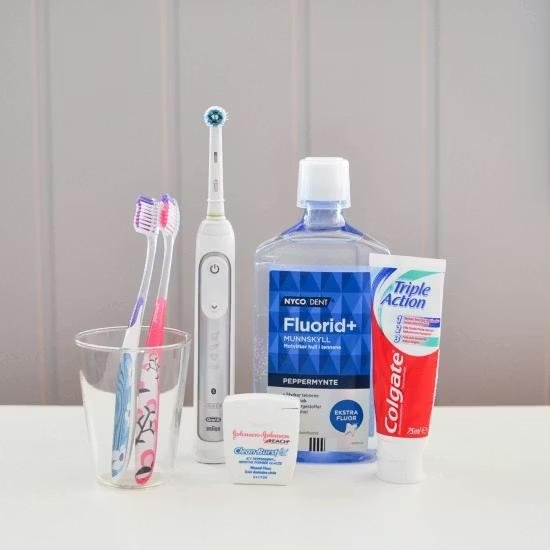
A practical home-care routine generally revolves around four essentials:
- Fluoride toothpaste
- Toothbrush
- Interdental cleaning aids
- Appropriate mouthwash or other professionally recommended products
Fluoride Toothpaste
Fluoride remains one of the most important preventive tools in dentistry. It helps strengthen enamel and supports remineralization while reducing the risk of dental caries.
The FDI’s 2025 policy statement recommends brushing at least twice daily with fluoridated toothpaste at an appropriate fluoride concentration. It notes that commercially available fluoridated toothpastes should generally contain at least 1000–1100 ppm fluoride, while higher-strength formulations may be recommended for people at elevated caries risk under professional guidance.
Toothbrushes
A toothbrush should provide effective plaque removal without unnecessarily traumatizing teeth or gums.
For many people, a soft-bristled brush is a practical choice. Electric toothbrushes can also be useful, particularly for individuals who struggle with brushing technique or manual dexterity.
The key isn’t buying the most expensive brush. Consistency and technique usually matter more than marketing claims.
Interdental Cleaning
A toothbrush cannot effectively clean every contact area between teeth.
Depending on the patient’s anatomy, a dentist may recommend:
- Dental floss
- Interdental brushes
- Water flossers
- Specialized cleaning aids for orthodontic appliances or implants
The correct product should be selected according to the patient’s individual needs rather than simply choosing whichever product is most popular.

2. Dental Products vs Dental Instruments: What’s the Difference?
One of the easiest ways to understand dentistry is to separate consumer dental products from professional dental instruments.
| Category | Examples | Primary Purpose |
|---|---|---|
| Preventive products | Toothpaste, toothbrushes, floss | Daily oral hygiene |
| Diagnostic instruments | Mouth mirrors, probes, explorers | Examination and diagnosis |
| Periodontal instruments | Scalers, curettes | Plaque and calculus removal |
| Restorative instruments | Excavators, condensers, matrices | Filling procedures |
| Endodontic instruments | Files, reamers, spreaders | Root canal treatment |
| Surgical instruments | Elevators, forceps, surgical instruments | Oral surgery |
| Rotary instruments | Burs, handpieces | Cutting, shaping and finishing |
| Infection-control products | Sterilization pouches, barriers, disinfectants | Safe clinical workflow |
This distinction is important when selecting products for a dental clinic. A product that looks inexpensive at purchase may become costly if it wears quickly, requires complicated maintenance, or disrupts clinical workflow.
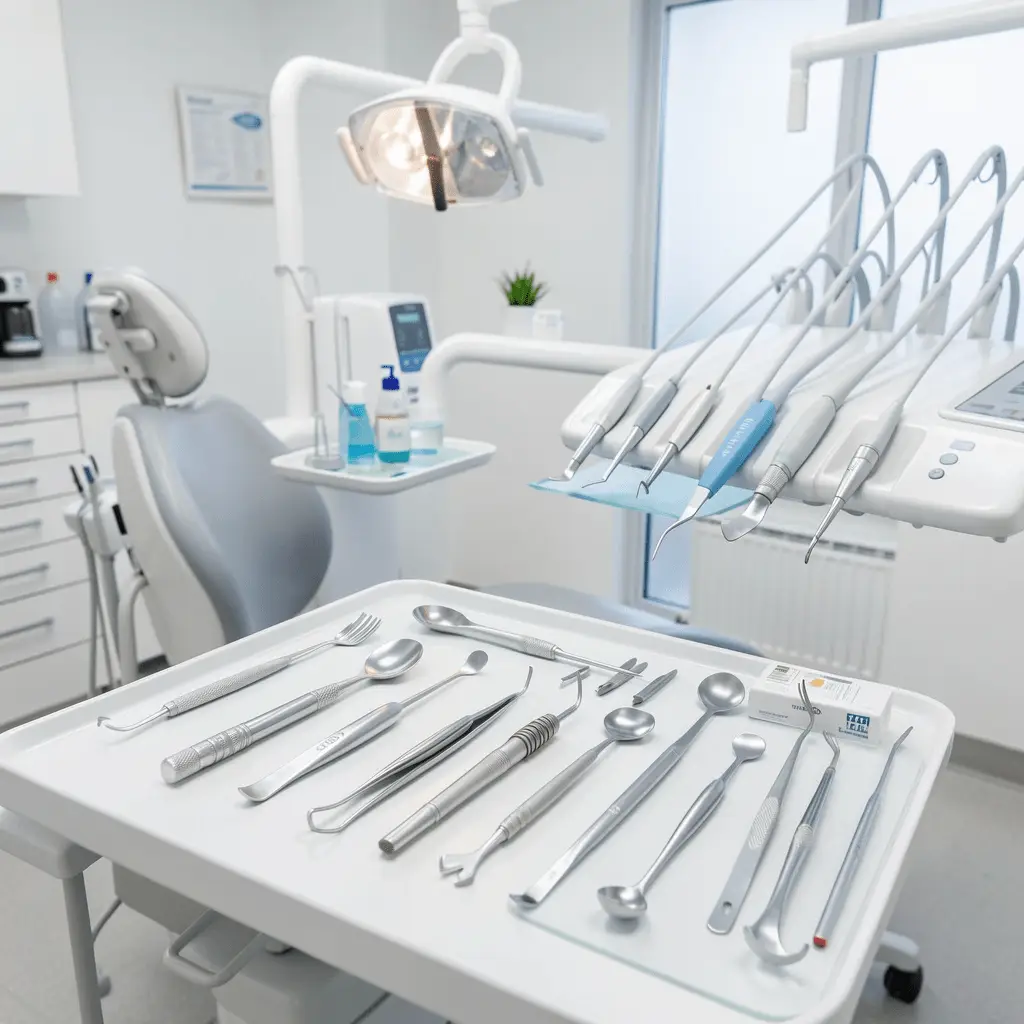
3. Essential Dental Instruments Every Clinic Uses
Dental instruments are not simply collections of metal tools. Each instrument is designed around a particular clinical task.
Diagnostic Instruments
Basic examination commonly involves instruments such as:
- Mouth mirrors
- Explorers or probes
- Periodontal probes
- College tweezers
- Diagnostic rulers and measuring aids
These tools help the clinician visualize difficult areas, evaluate tooth surfaces, assess periodontal tissues, and identify abnormalities.
Clinical Tip
Instrument selection should be based on ergonomics, visibility, precision, durability and maintenance, not just price.
An instrument that causes hand fatigue during repeated procedures can affect both clinician comfort and workflow.
Periodontal Instruments
Periodontal instruments are designed to assess and manage the tissues surrounding teeth.
Common examples include:
- Periodontal probes
- Universal curettes
- Gracey curettes
- Ultrasonic scaler tips
- Periodontal explorers
Scaling and root debridement require controlled instrumentation. Using the correct instrument design for the treatment area can improve access and reduce unnecessary tissue trauma.
Restorative Instruments
Restorative dentistry relies on instruments that help the dentist remove diseased tooth structure, place materials, shape restorations and finish surfaces.
Examples include:
- Excavators
- Composite placement instruments
- Condensers
- Burnishers
- Matrix systems
- Wedges
- Carvers
- Finishing and polishing instruments
For composite restorations, accessories such as matrices, wedges, bonding systems, curing lights and finishing discs can have a major impact on the final result.
4. Dental Materials: Choosing the Right Material for the Right Job
Modern dentistry offers an extensive range of materials. The best choice depends on factors such as tooth location, functional load, aesthetics, moisture control, patient risk and clinical objectives.
Common Dental Materials
| Material | Common Application | Key Consideration |
| Composite resin | Tooth-colored restorations | Aesthetics and technique sensitivity |
| Glass ionomer cement | Restorations, liners, luting | Fluoride release and chemical adhesion |
| Resin-modified GIC | Restorative/luting applications | Combination of useful GIC and resin properties |
| Dental adhesives | Bonding restorative materials | Proper isolation and application |
| Impression materials | Dental impressions | Accuracy and dimensional stability |
| Temporary materials | Provisional restorations | Ease of placement and removal |
| Luting cements | Crowns, bridges, indirect restorations | Retention and compatibility |
| Endodontic sealers | Root canal obturation | Sealing the prepared canal system |
The important lesson is that there is no universally “best” dental material.
A material appropriate for a low-stress cervical restoration may not be the ideal choice for a heavily loaded posterior tooth. Likewise, a material selected for temporary treatment should not automatically be considered suitable for definitive restoration.

5. Common Dental Procedures and the Products Behind Them
Understanding procedures becomes easier when you see the relationship between the treatment and the products used.
Dental Cleaning and Scaling
Professional cleaning may involve:
- Ultrasonic scalers
- Hand scalers
- Curettes
- Prophy cups
- Polishing pastes
- Suction systems
The objective is to remove deposits that routine brushing cannot adequately eliminate.
Dental Fillings
A typical direct restoration may involve:
- Examination and diagnosis
- Local anesthesia when required
- Isolation
- Removal or management of diseased tissue
- Conditioning or bonding
- Placement of restorative material
- Light curing where applicable
- Finishing and polishing
- Occlusal adjustment
The quality of the final restoration depends on more than the filling material itself. Isolation, bonding technique, cavity preparation, finishing and occlusal adjustment all contribute to clinical success.
Root Canal Treatment
Endodontic treatment commonly requires:
- Endodontic files
- Apex locator
- Irrigation system
- Rubber dam
- Rotary or reciprocating instruments
- Paper points
- Gutta-percha
- Endodontic sealer
- Obturation instruments
The purpose is to clean, shape and seal the root canal system while preserving the remaining tooth structure.
6. Infection Control: The Most Important “Invisible” Dental Product
Patients may notice a new dental chair or sophisticated equipment, but one of the most important parts of a modern clinic is often invisible: infection prevention and control.
The CDC classifies dental instruments according to their potential infection-transmission risk. Critical instruments that penetrate soft tissue or bone should be heat sterilized after each use or discarded. Most heat-tolerant semicritical instruments should also undergo heat sterilization.
Standard precautions include:
- Hand hygiene
- Appropriate personal protective equipment
- Safe injection practices
- Sharps safety
- Sterile instruments
- Cleaning and disinfection of clinical surfaces
What Should a Patient Look For?
A professionally managed clinic should have a clear workflow separating contaminated instruments from clean and sterile instruments.
The CDC recommends that instruments are properly cleaned before sterilization and that manufacturer instructions for reprocessing are followed. Wet or compromised sterilization packaging should not be treated as safely sterile.
The ADA also emphasizes sterilizer monitoring as an essential part of an effective infection-control program.
Fresh instruments are not necessarily sterile instruments. A controlled sterilization process is what matters.
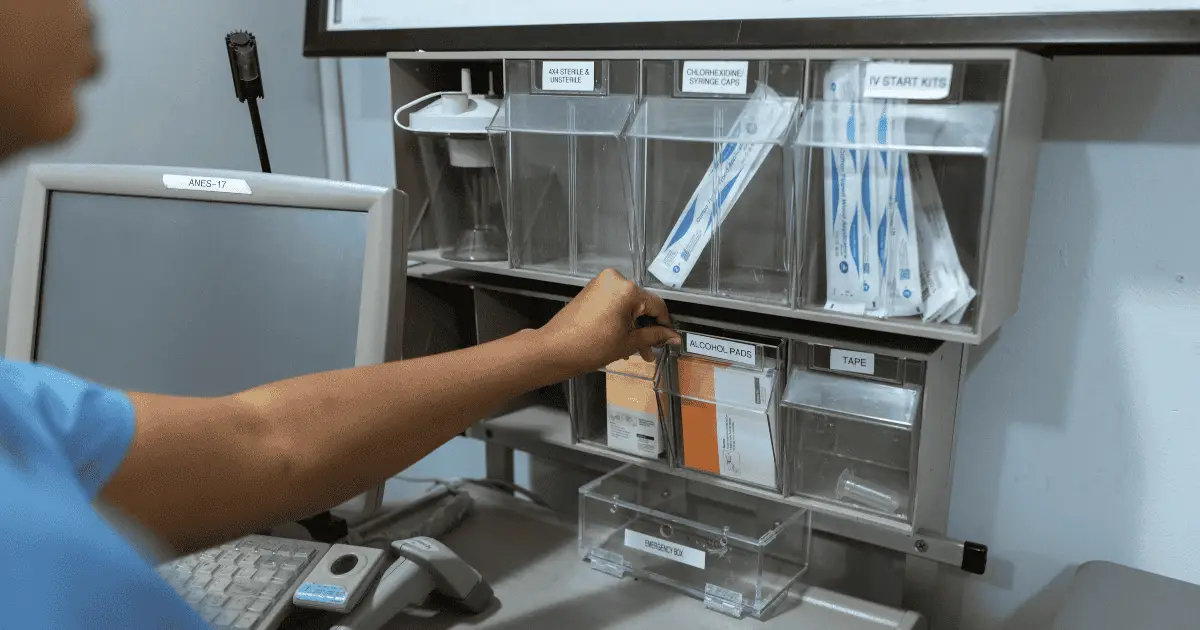
7. Dental Equipment That Supports Better Clinical Care
Beyond hand instruments and consumables, dental practices depend on equipment that improves precision, visibility and workflow.
Important categories include:
- Dental chairs
- Dental delivery systems
- LED operating lights
- Dental handpieces
- Air compressors
- Suction systems
- Ultrasonic scalers
- Curing lights
- Intraoral cameras
- Digital radiography systems
- Autoclaves
- Ultrasonic cleaners
- Amalgam separators where applicable
- Dental laboratory equipment
Digital technology is particularly valuable for documentation and communication. Intraoral photography and digital imaging can help clinicians explain findings to patients more clearly.
8. How to Choose Dental Products for a Clinic
For clinic owners, buying dental products should not be treated as a simple price comparison.
Use a five-point evaluation:
1. Clinical suitability
Does the product actually match the procedure and patient population?
2. Quality and consistency
Are manufacturing standards, specifications and batch information clearly available?
3. Ergonomics
Will the instrument or device make clinical work easier and more comfortable?
4. Sterilization and maintenance
Can reusable instruments withstand the required processing cycle? Always follow the manufacturer’s validated instructions.
5. Total cost of ownership
Consider more than purchase price.
Total cost = purchase price + maintenance + consumables + replacement frequency + downtime + training
A slightly more expensive instrument that lasts substantially longer may be more economical over its useful life.
9. A Practical Dental Care Routine for Patients
A simple daily routine can prevent many avoidable oral-health problems.
Morning
- Brush with fluoride toothpaste.
- Clean the tongue if appropriate.
- Follow any dentist-prescribed oral-care routine.
During the Day
- Limit frequent sugary snacks and drinks.
- Drink water regularly.
- Avoid using teeth as tools to open packages or containers.
Night
- Brush thoroughly before sleeping.
- Clean between teeth using the method recommended for you.
- Use prescribed fluoride or therapeutic products when indicated.
The FDI emphasizes reducing excessive sugar exposure, regular plaque removal, fluoride toothpaste and professional dental check-ups as key strategies for preventing dental caries.
10. Clinical Tips That Make a Real Difference
Some of the most useful dental-care lessons are surprisingly simple.
Tip 1: Don’t Buy Materials in Isolation
A restorative material should be evaluated together with its adhesive system, curing protocol, instruments and finishing system.
Tip 2: Follow the Manufacturer’s Instructions
Dental materials and equipment are engineered around specific handling and processing conditions. Deviating from those instructions can compromise performance.
Tip 3: Prioritize Isolation
Moisture control is particularly important in procedures where bonding or material placement depends on a controlled field.
Tip 4: Build Standardized Instrument Sets
Organizing instruments into procedure-specific trays can reduce setup time, improve consistency and make inventory management easier.
Tip 5: Treat Sterilization as a Workflow
Cleaning, packaging, sterilization, monitoring and storage are connected steps—not separate tasks.
Tip 6: Choose Prevention Over Repair
The best dental procedure is often the one that can be avoided through early detection, fluoride exposure, good hygiene, diet management and regular professional care.
11. Dental Care Delhi: What Should Patients Prioritize?
For anyone comparing options for dental care Delhi, location alone should not be the deciding factor.
Instead, consider whether the clinic demonstrates:
- Transparent treatment explanations
- Appropriate diagnostic procedures
- Modern infection-control practices
- Proper instrument sterilization
- Quality dental materials
- Clear treatment plans
- Appropriate follow-up
- Patient education
- Evidence-based preventive care
A modern-looking clinic is helpful, but clinical quality is ultimately about systems, people, protocols and consistency.
Key Takeaways
| What to Evaluate | Why It Matters |
| Fluoride toothpaste | Helps prevent and manage dental caries |
| Interdental cleaning | Reaches areas a toothbrush misses |
| Quality instruments | Supports precision and ergonomics |
| Appropriate materials | Matches restoration to clinical need |
| Digital diagnostics | Supports visualization and documentation |
| Sterilization | Reduces infection-transmission risk |
| Preventive care | Reduces future treatment burden |
| Regular check-ups | Supports early detection |
Conclusion: Better Dental Care Is a System, Not a Single Product
From a basic toothbrush to an advanced digital imaging system, every dental product has a role—but no individual product can guarantee good oral health.
The real difference comes from how products, instruments, materials and clinical procedures work together.
For patients seeking dental care Delhi, the smartest approach is to look beyond advertisements and focus on evidence-based care, qualified professionals, appropriate diagnosis, infection control and long-term prevention.
For dental clinics, the same principle applies: buy for clinical purpose, evaluate total value, standardize workflows and never compromise on infection prevention.
Good dentistry isn’t simply about having more equipment. It is about using the right product, with the right technique, for the right patient, at the right time.
Ready to improve your dental-care routine?
Whether you’re a patient building a better oral-health routine or a dental professional evaluating products and equipment for your clinic, start with the fundamentals: prevention, quality, safety and evidence-based treatment.
Explore your dental-care options, compare clinically relevant products, and speak with a qualified dental professional before beginning treatment. A small improvement in daily oral care today can prevent a much larger intervention tomorrow.