Introduction: The “Small” Dental Supplies That Keep a Clinic Running
A dental clinic can have an excellent dental chair, advanced imaging equipment, and experienced clinicians—but if the right consumables are missing, the entire workflow can slow down.
From examination gloves and masks to composite resin, impression materials, bonding agents, burs, suction tips, sterilization pouches and endodontic accessories, dental consumables are the products dentists use repeatedly during everyday clinical care.
The challenge is not simply finding dental supplies near me. The real challenge is finding supplies that are clinically appropriate, consistently available, authentic, safely packaged and economical over time.
A low-priced box that produces inconsistent results—or expires before it is used—is rarely a bargain.
This guide explains how dentists and clinic managers can evaluate dental consumables more intelligently, build an efficient purchasing system and avoid some of the most common procurement mistakes.
What Are Dental Consumables?
Dental consumables are products that are used during diagnosis, treatment, infection prevention or routine clinic operations and are either disposed of after use or gradually depleted.
They include everything from basic PPE to sophisticated restorative and endodontic materials.
Common categories include:
- Infection-control supplies: Gloves, masks, gowns, surface barriers, disinfectants and sterilization pouches
- Restorative materials: Composite, glass ionomer cement, bonding agents, liners and bases
- Endodontic consumables: Files, gutta-percha, paper points, irrigants and obturation materials
- Impression supplies: Alginate, elastomeric impression materials, trays and mixing accessories
- Preventive products: Fluoride varnishes, sealants, prophylaxis pastes and polishing cups
- Surgical consumables: Sutures, sterile blades, gauze and irrigation products
- Orthodontic supplies: Brackets, elastomerics, ligatures, wires and adhesives
- Disposable accessories: Saliva ejectors, air-water tips, mixing tips, applicators and disposable trays
The important point is that consumables are not one homogeneous category. A disposable saliva ejector and a light-cured restorative composite may both be consumables, but their purchasing criteria are completely different.
Why Buying Dental Consumables Requires More Than Comparing Prices
One of the easiest purchasing mistakes is comparing two products solely on their price per box.
Instead, think about cost per successful procedure.
For example, a composite may look cheaper per syringe but require more material, have poorer handling characteristics or produce more wastage. A premium product with better handling and predictable results can sometimes have a lower effective cost.
A useful purchasing formula is:
True Cost = Purchase Price + Wastage + Storage Cost + Expiry Loss + Replacement Cost + Clinical Failure Risk
This is particularly important for high-value materials.
A simple purchasing comparison
| Factor | Budget Product | Premium Product |
|---|---|---|
| Initial price | Lower | Higher |
| Handling consistency | Variable | Usually more predictable |
| Packaging | Basic to advanced | Often advanced |
| Wastage | May be higher | Potentially lower |
| Technical support | Variable | Often stronger |
| Cost per procedure | Not always lower | Can be competitive |
| Best use | High-volume basic items | Critical clinical materials |
The lesson is simple: buy for value, not merely for the lowest invoice total.
The 8 Major Types of Dental Consumables Every Clinic Should Understand
1. Infection-Control Consumables
These are among the most frequently purchased products in a dental practice.
Typical items include:
- Examination and surgical gloves
- Surgical masks
- Protective gowns
- Disposable head covers
- Shoe covers where appropriate
- Surface barriers
- Disinfectant wipes and solutions
- Sterilization pouches
- Chemical indicators
- Sharps containers
- Disposable suction tips
The CDC identifies hand hygiene, PPE, sharps safety, sterile instruments and clean/disinfected environmental surfaces among the core elements of standard precautions in dental settings.
The ADA also emphasizes that instruments and materials should be processed according to appropriate infection-control procedures and manufacturer instructions.
Buying tip
Don’t stock PPE purely according to the number of patients.
Calculate consumption according to procedures per day × staff members × expected usage per procedure + safety stock.
2. Restorative Materials
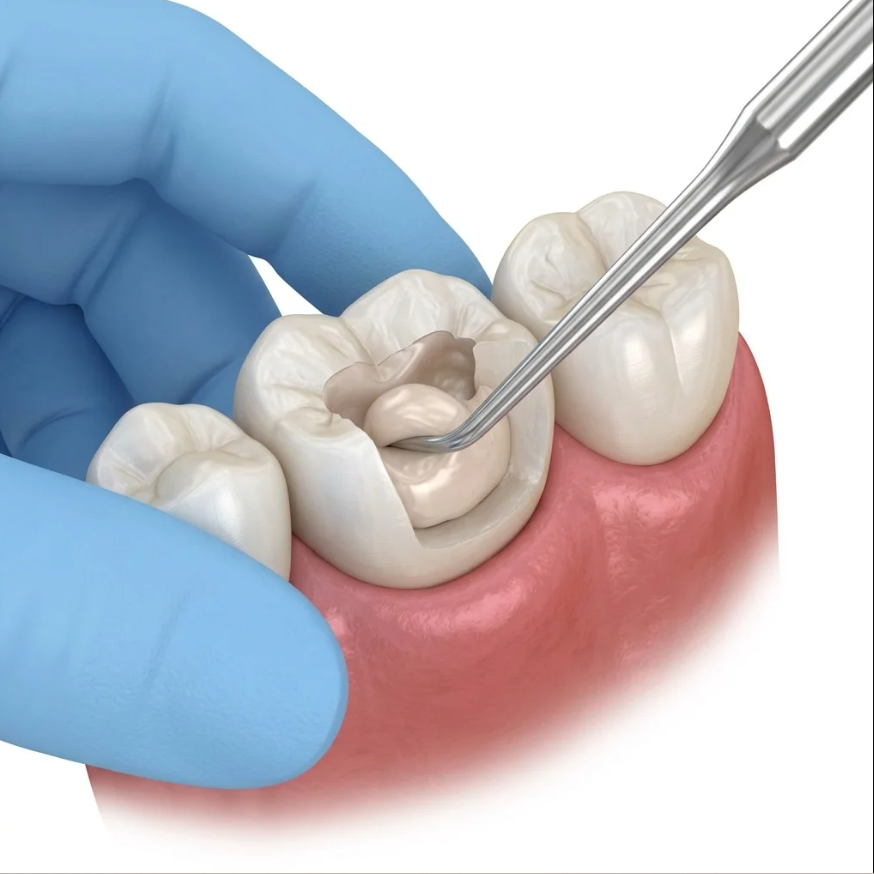
Restorative dentistry can involve a surprisingly large number of consumables:
- Composite resins
- Glass ionomer cements
- Resin-modified glass ionomers
- Bonding agents
- Etchants
- Flowable composites
- Liners and bases
- Matrix bands
- Wedges
- Finishing and polishing systems
When comparing restorative materials, look beyond shade selection.
Evaluate:
- Working time
- Setting/curing characteristics
- Viscosity
- Handling
- Adhesion requirements
- Radiopacity
- Finishing characteristics
- Storage requirements
- Expiry period
- Manufacturer’s instructions for use
For a busy clinic, predictable handling can be just as important as laboratory specifications.
3. Endodontic Consumables
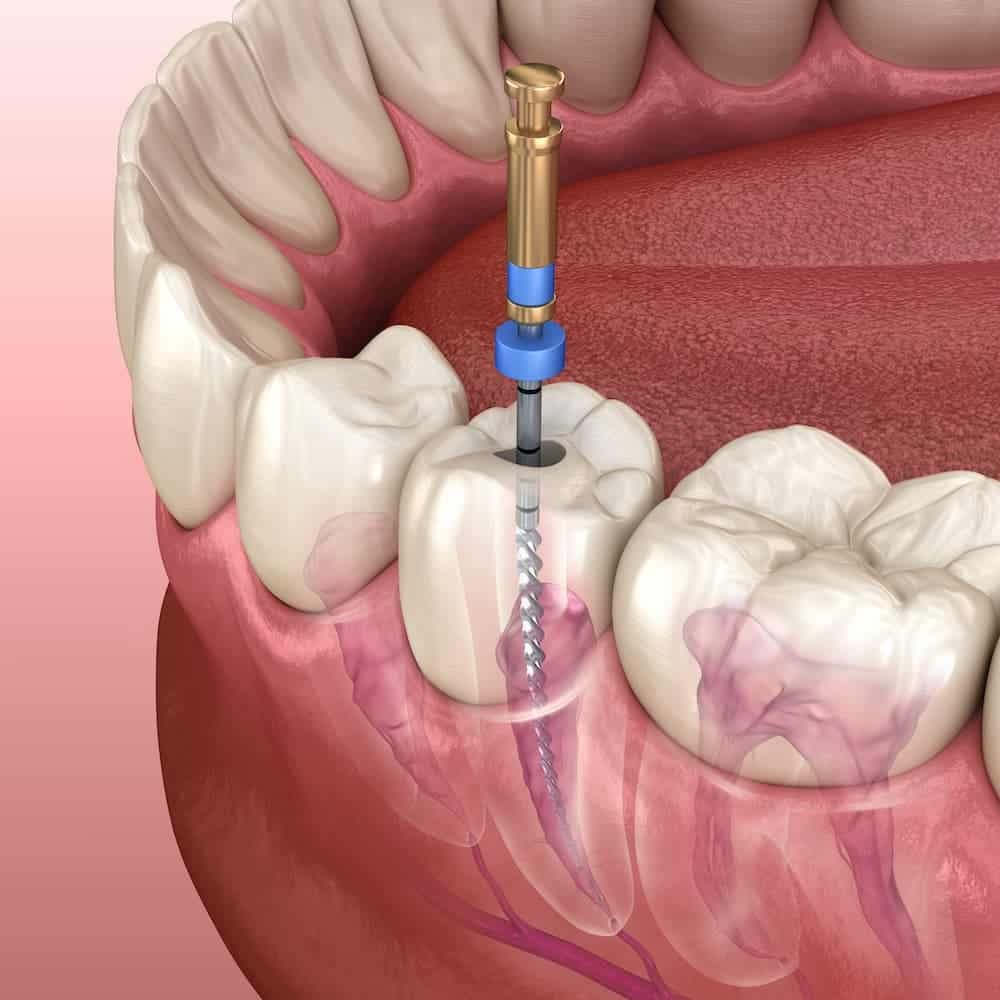
Endodontic procedures depend heavily on consumable quality and dimensional consistency.
Common products include:
- NiTi rotary files
- Hand files
- Gutta-percha points
- Paper points
- Irrigation needles
- Irrigating solutions
- Absorbent points
- Sealer
- Lentulo spirals
- Rubber dam sheets and accessories
A useful procurement strategy is to divide endodontic inventory into high-frequency, procedure-specific and emergency stock.
For example, basic hand files may be high-frequency inventory, while specialized rotary systems can be purchased according to the clinicians’ treatment preferences.
4. Impression and Prosthodontic Materials
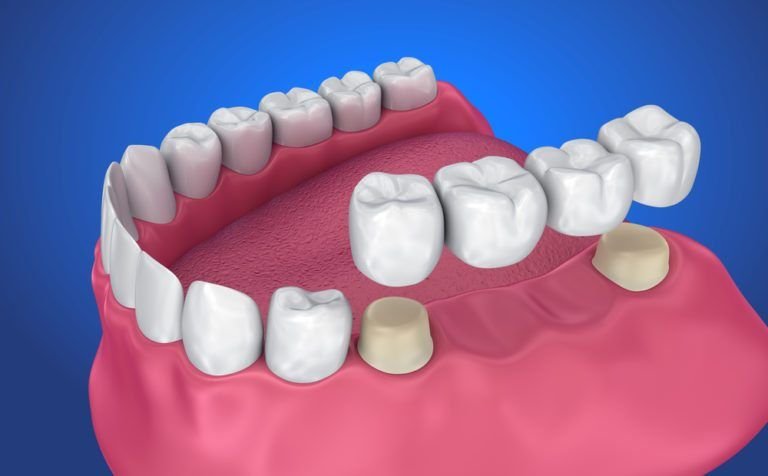
Prosthodontic workflows often depend on materials where small variations can affect the final result.
Common consumables include:
- Alginate
- Addition silicone
- Condensation silicone
- Polyether
- Bite registration materials
- Tray adhesives
- Mixing tips
- Retraction materials
- Temporary crown materials
- Temporary cements
What should you compare?
| Property | Why It Matters |
| Working time | Determines clinical convenience |
| Setting time | Affects appointment duration |
| Dimensional stability | Important for accuracy |
| Tear strength | Important during removal |
| Mixing characteristics | Reduces bubbles and inconsistencies |
| Shelf life | Helps control inventory losses |
| Packaging | Protects material from contamination/moisture |
5. Preventive and Periodontal Consumables
Preventive dentistry requires a different inventory mix.
Typical supplies include:
- Prophylaxis paste
- Fluoride varnish
- Pit and fissure sealants
- Polishing cups
- Prophy brushes
- Disposable tips
- Periodontal probes and accessories
- Local delivery products where indicated
These products are often inexpensive individually but can represent significant monthly expenditure because of their high usage.
This makes consumption tracking particularly valuable.
6. Surgical Consumables
Dental surgery requires products where sterility, packaging integrity and clinical suitability are particularly important.
Common products include:
- Sterile gauze
- Sutures
- Sterile blades
- Surgical drapes
- Irrigation products
- Disposable syringes and needles
- Hemostatic materials
- Sterile suction accessories
For sterile products, inspect packaging before use. A damaged or compromised package should not simply be treated as “probably fine.”

7. Orthodontic Consumables
Orthodontic practices have their own inventory ecosystem.
These can include:
- Brackets
- Archwires
- Elastomeric chains
- Ligatures
- Adhesives
- Buccal tubes
- Separators
- Power chains
- Interproximal reduction accessories
- Retainer materials
Orthodontic inventory is particularly vulnerable to SKU confusion because products may differ by prescription, size, torque, angulation, material and configuration.
A standardized inventory naming system can save considerable time.
8. Disposable Chairside Accessories
These products are easy to overlook until they run out.
Examples include:
- Saliva ejectors
- Disposable air-water syringe tips
- Microbrushes
- Mixing pads
- Mixing tips
- Cotton rolls
- Dental bibs
- Disposable trays
- Applicator brushes
- Articulating paper
- Cotton pellets
A clinic may not notice the value of these items individually, but collectively they can become a major recurring expense.
How to Choose the Right Dental Consumables
1. Start With Clinical Requirements
Don’t begin with:
“Which brand is cheapest?”
Start with:
“What clinical problem does this product need to solve?”
For example, a restorative material for anterior esthetic work may require different properties from one used for posterior restorations.
2. Verify Authenticity and Regulatory Information
When purchasing medical devices or regulated products in India, clinics should understand the applicable regulatory requirements.
The Central Drugs Standard Control Organisation (CDSCO) states that medical devices in India are regulated under the Drugs & Cosmetics Act and Medical Devices Rules, 2017, with risk-based classification from Class A through Class D.
Therefore, depending on the product, purchasing teams should check:
- Manufacturer/importer details
- Batch or lot number
- Manufacturing information
- Expiry date
- Storage requirements
- Intended use
- Applicable regulatory information
- Instructions for use
- Packaging integrity
Don’t assume that an attractive online listing automatically means the product is genuine.
3. Check the Expiry Date—But Also Check Your Consumption Rate
Expiry management is one of the most overlooked areas of dental inventory.
A clinic purchasing a large quantity because of a discount can actually lose money if the products expire before they are used.
Better approach: FEFO
Use FEFO — First Expiry, First Out.
This means products with the earliest expiry date should generally be used first, provided they remain within required conditions and are appropriate for use.
For each product, track:
Product → Batch → Expiry → Quantity → Location → Average Monthly Consumption
This turns inventory management from guesswork into a measurable process.
Buying Dental Supplies Online vs Local Suppliers
Searching for “dental supplies near me” can lead to local distributors, specialist dental retailers, online marketplaces and manufacturer-authorized channels.
Each option has advantages.
| Buying Method | Advantages | Potential Limitation |
| Local distributor | Quick delivery, personal support | Selection may be limited |
| Specialist online supplier | Large catalogue, easy comparison | Delivery time varies |
| Manufacturer channel | Authenticity and technical information | May not offer every category |
| General marketplace | Convenience and price comparison | Product authenticity can require greater scrutiny |
| Bulk institutional supplier | Negotiated pricing | Minimum order quantities |
The best strategy?
Don’t necessarily choose one supplier for everything.
A clinic can maintain:
Primary supplier + secondary supplier + emergency/local source
This reduces the risk of a stockout when a critical product suddenly becomes unavailable.
The Most Important Buying Checklist
Before ordering a dental consumable, ask:
Clinical
- Is it suitable for the intended procedure?
- Does the dentist prefer this material/system?
- Is it compatible with existing equipment?
Quality
- Is the manufacturer identifiable?
- Is the packaging intact?
- Is the batch/lot information available?
- Are instructions for use available?
Inventory
- What is the current stock?
- What is average monthly consumption?
- How quickly does it expire?
- What is the minimum stock level?
Commercial
- What is the price per unit?
- Is there a volume discount?
- What is the delivery cost?
- What happens if the product is damaged or incorrect?
Regulatory and safety
- Does the product fall under applicable medical-device requirements?
- Are storage and handling requirements clear?
- Is the product intended for single use or reusable processing?
A Smarter Dental Inventory System
One of the most effective improvements a clinic can make is to classify products according to their importance.
A simple ABC system
A — Critical/high-value items
Examples:
- Premium restorative materials
- Rotary endodontic systems
- Specialized surgical materials
These require close monitoring.
B — Moderate-value items
Examples:
- Impression materials
- Bonding agents
- Fluoride products
Review these periodically.
C — Low-cost/high-volume items
Examples:
- Cotton rolls
- Masks
- Saliva ejectors
- Microbrushes
These don’t require complicated forecasting, but they should have reliable minimum stock levels.
Add a “criticality” score
Here’s a useful improvement:
Inventory Priority = Cost × Usage × Clinical Criticality
An inexpensive item that can stop a procedure may deserve more attention than an expensive product used once a month.
That is a more practical approach than managing inventory purely by purchase price.
Common Dental Consumable Buying Mistakes
Buying solely on price
Cheap isn’t cheap if the material causes excessive wastage or doesn’t perform consistently.
Overstocking because of discounts
A 15% discount is meaningless if 30% of the stock expires.
Ignoring storage requirements
Some dental materials are sensitive to temperature, moisture or light. Follow the manufacturer’s storage instructions.
Using one supplier for everything
Supplier diversification can reduce disruption when a product is temporarily unavailable.
Not standardizing products
Too many similar products create unnecessary inventory complexity.
If three composites perform adequately for your clinical workflow, maintaining ten may create more confusion than value.
Forgetting disposable accessories
A clinic can have plenty of composite but still be unable to complete a procedure because a basic disposable accessory is missing.
A Practical Dental Consumables Stocking Formula
For routine items, a simple reorder calculation can be useful:
Reorder Point = Average Daily Usage × Supplier Lead Time + Safety Stock
For example, if a clinic uses 15 packs of a consumable per week and the supplier usually takes one week to deliver:
Base requirement = 15 packs
Add a safety buffer according to your clinic’s variability and supplier reliability.
The exact safety stock should be customized rather than copied from another clinic.
What Should You Buy in Bulk?
Bulk purchasing generally makes more sense for products that are:
- Frequently used
- Stable during storage
- Long-dated
- Predictable in consumption
- Easy to store
- Not heavily dependent on clinician preference
Examples may include cotton rolls, disposable bibs, gloves, suction tips and other routine accessories.
Be more cautious with:
- Shade-sensitive materials
- Short-dated products
- Specialized endodontic systems
- Rarely used surgical materials
- Materials requiring strict storage conditions
The Future of Dental Consumable Procurement
Dental procurement is becoming increasingly data-driven.
Instead of maintaining a simple list saying “order composite,” modern clinics can track:
Brand → Product → SKU → Variant → Size → Batch → Expiry → Supplier → Purchase Price → Monthly Usage → Reorder Level
This creates a digital purchasing history that can reveal valuable patterns.
For example, if a clinic discovers that one product is repeatedly purchased but frequently expires, the answer may not be a better discount—it may be a smaller order quantity.
Similarly, if a particular disposable accessory repeatedly causes emergency purchases, its minimum stock level should probably be increased.
Final Thoughts: Buy for Clinical Reliability, Not Just Convenience
Dental consumables may be small products, but they influence nearly every stage of clinical care.
The smartest dental purchasing strategy combines clinical performance, authenticity, infection control, regulatory awareness, inventory discipline and total cost of ownership.
When searching for dental supplies near me, don’t stop at proximity or price. Ask whether the supplier can provide consistent availability, genuine products, appropriate documentation, dependable delivery and useful after-sales support.
For clinics, the goal isn’t to maintain the largest inventory.
It’s to maintain the right inventory, at the right quantity, at the right time.
A well-managed consumables system quietly improves the entire practice: fewer interruptions, less expiry-related waste, smoother appointments and better control over operating costs.
And that is ultimately what good procurement should achieve—not simply buying dental products, but creating a more reliable clinical workflow.
Ready to Improve Your Dental Procurement?
Review your current consumables list and identify your top 20 highest-use products. Check their monthly consumption, expiry losses, supplier lead time and actual cost per procedure.
Then build a simple reorder system around those numbers.
If you’re currently comparing dental supplies near me, use the checklist in this guide to evaluate suppliers based on quality, authenticity, availability, clinical suitability and total value—not price alone.
Explore your clinic’s most-used dental consumables, compare specifications carefully, and build a purchasing system that keeps your team prepared for the next patient.
Suggested Visuals for This Article
Featured image: Use a clean isometric dental-supply illustration showing a dental clinic surrounded by consumables such as gloves, composite syringes, impression materials, dental burs, masks and sterilization pouches.
Infographic 1: “8 Major Categories of Dental Consumables”
Infographic 2: “Dental Consumable Buying Checklist: Quality → Expiry → Authenticity → Storage → Price → Supplier”
Infographic 3: “Dental Inventory Formula: Usage + Lead Time + Safety Stock = Reorder Point”
Table graphic: “Budget vs Premium Dental Consumables: What Should You Compare?”
Recommended authoritative resources
For readers who want deeper technical information, link relevant phrases in your WordPress article to the CDC’s dental infection-prevention guidance, the ADA’s infection-control resources, OSHA’s bloodborne-pathogen guidance, and CDSCO’s medical-device regulations. These sources provide stronger clinical and regulatory context than generic commercial articles.
Important: Product selection should follow the dentist’s clinical judgment, applicable local requirements, and each manufacturer’s instructions for use. This article is an educational buying guide, not a substitute for professional clinical or regulatory advice.