
Orthopaedic Products, Supports & Rehabilitation Equipment: A Complete Guide

Introduction: The Right Equipment Can Change the Recovery Journey
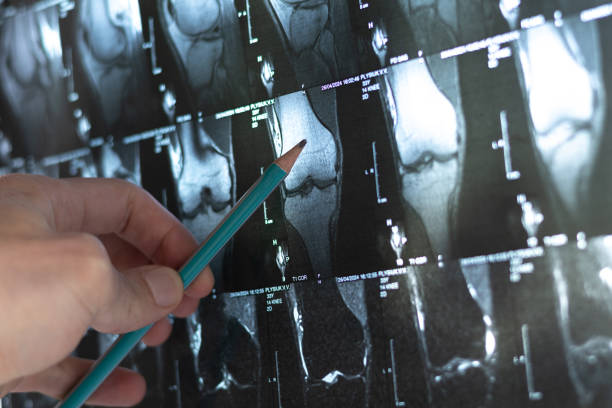
doctor examining bone knee tumor x ray and mri mrt ct with marked sclerosis around the nidus

Recovery is rarely about one product. A brace may protect a joint, crutches may reduce weight-bearing, and rehabilitation equipment may help rebuild strength—but the real difference comes from choosing the right equipment for the right stage of recovery.

Consider someone recovering from a knee injury. They may initially need a support to stabilize the joint, then mobility assistance to walk safely, followed by exercise equipment to restore strength and eventually return to normal activities. Buying the most expensive product at each stage does not necessarily produce the best result.

This is why orthopaedic products, supports and rehabilitation equipment should be viewed as part of a recovery pathway, rather than as isolated purchases.

The World Health Organization (WHO) estimates that around 1.71 billion people worldwide live with musculoskeletal conditions, making these conditions a major global contributor to disability. Rehabilitation plays an important role in helping people regain function, independence and participation in everyday life. WHO’s musculoskeletal health overview provides useful background on this growing need.

Whether you are a patient, caregiver, physiotherapist, hospital, clinic or medical-equipment buyer, understanding what different products actually do can help you make more informed decisions.

orthopedic line icon set group of objects anatomy bone fracture human bone arthritis human

What Are Orthopaedic Products and Rehabilitation Equipment?

The term orthopaedic products covers a broad range of devices designed to support the bones, joints, muscles and surrounding structures.

These products may help:

  • Stabilize an injured joint
  • Reduce unwanted movement
  • Support weakened muscles or joints
  • Improve posture and positioning
  • Assist mobility
  • Protect an area during recovery
  • Improve independence during daily activities
  • Support rehabilitation exercises

Rehabilitation equipment takes this concept further. It is generally used to help restore or maintain physical function through movement, strengthening, balance, mobility and functional training.

The WHO describes assistive products as devices and equipment that can help maintain or improve functioning, including mobility and independence. Its rehabilitation resources also emphasize that equipment should be selected alongside appropriate professional assessment and training.

In other words, equipment is a tool—not the rehabilitation programme itself.


Major Categories of Orthopaedic Products

1. Braces and Supports

Braces are among the most commonly used orthopaedic products.

Depending on their design, they may provide compression, stabilization, protection or controlled movement.

Common examples include:

  • Knee braces
  • Ankle supports
  • Wrist braces
  • Elbow supports
  • Shoulder immobilizers
  • Back supports
  • Cervical collars
  • Thumb and finger splints

A major mistake is assuming that a tighter or more rigid brace is automatically better. Excessive restriction may interfere with comfortable movement and everyday function.

The better question is: What level of support is actually required?


2. Mobility Aids

Mobility products help people move more safely when pain, weakness, injury or reduced balance makes normal walking difficult.

Examples include:

  • Walking sticks
  • Crutches
  • Walking frames
  • Rollators
  • Wheelchairs
  • Transfer aids

The correct device depends on the individual’s strength, balance, weight-bearing restrictions, environment and rehabilitation goals.

For example, a walking stick and a walking frame are not interchangeable. A person requiring substantial stability may need a different solution from someone who simply needs light support outdoors.

Incorrect adjustment can also create problems. Height, handle position and technique should therefore be assessed rather than guessed.


3. Rehabilitation and Physiotherapy Equipment

Rehabilitation equipment is particularly important when the objective changes from protection to rebuilding function.

Common categories include:

EquipmentTypical PurposeCommon Setting
Exercise bandsResistance and strengtheningHome/Clinic
Therapy ballsMobility, balance and strengtheningHome/Clinic
Pedal exercisersLower-limb movement and conditioningHome/Clinic
Parallel barsGait and balance trainingRehabilitation centre
Exercise bikesControlled cardiovascular exerciseClinic/Gym
Balance boardsProprioception and balancePhysiotherapy
Hand exercisersGrip and hand rehabilitationHome/Clinic
CPM devicesControlled joint movement in selected casesClinical/Home
TENS unitsPain-management support in appropriate casesHome/Clinic
Therapy stepsFunctional strengthening and mobilityClinic

Not every patient needs every type of equipment. WHO’s rehabilitation guidance emphasizes matching interventions and resources to specific functional needs and conditions rather than treating equipment as a one-size-fits-all solution. WHO’s rehabilitation package for musculoskeletal conditions covers areas including low back pain, osteoarthritis, rheumatoid arthritis, fractures, sarcopenia and amputation.


Orthopaedic Supports vs Rehabilitation Equipment: What’s the Difference?

The two categories often overlap, but their primary roles are different.

FeatureOrthopaedic SupportsRehabilitation Equipment
Primary goalSupport/protectionRestore or maintain function
Typical useInjury, instability, weaknessRecovery and functional training
ExamplesKnee brace, wrist splintResistance bands, balance equipment
MovementMay restrict/control movementUsually encourages controlled movement
UserPatient under appropriate guidancePatient, therapist or caregiver
DurationOften condition-dependentOften changes as function improves

A useful way to remember the distinction is:

Supports help manage movement; rehabilitation equipment helps train movement.

That is not an absolute rule, but it provides a practical starting point.


How to Choose the Right Orthopaedic Equipment

1. Start With the Problem, Not the Product

Instead of searching for “the best knee brace,” start by identifying the actual problem.

Is the goal:

  • Pain reduction?
  • Joint stabilization?
  • Post-surgical protection?
  • Weight-bearing assistance?
  • Improving balance?
  • Strengthening?
  • Returning to sport?
  • Performing everyday activities more independently?

The answer can completely change the product choice.


2. Consider the Stage of Recovery

A product that is useful immediately after an injury may become unnecessary later.

For example:

Protection → Supported movement → Strengthening → Functional training → Return to activity

This progression explains why buying equipment based only on the diagnosis can be misleading.

A person recovering from surgery may need different support during different phases of recovery.


3. Prioritize Fit and Adjustability

Fit is one of the most overlooked factors.

For braces and supports, check:

  • Correct anatomical positioning
  • Size and circumference measurements
  • Strap adjustment
  • Pressure points
  • Skin comfort
  • Breathability
  • Ease of application

For mobility equipment, check:

  • Correct height
  • Handle position
  • Weight capacity
  • Stability
  • Portability
  • Indoor/outdoor suitability

A technically excellent device can still be a poor choice if the user cannot comfortably or safely use it.


What Should Clinics Look for When Buying Rehabilitation Equipment?

For hospitals, physiotherapy centres and orthopaedic clinics, purchasing decisions require a broader perspective.

Safety

Equipment should be sturdy, stable and appropriate for the intended patient population.

Durability

High-use equipment needs to withstand repeated cleaning, adjustment and patient handling.

Ergonomics

Therapists should be able to position and operate equipment efficiently without unnecessary strain.

Maintenance

Consider replacement parts, servicing requirements, cleaning procedures and manufacturer support.

Patient Capacity

Equipment should accommodate the expected range of patient sizes and functional abilities.

Space Requirements

A large rehabilitation device may be impressive but impractical in a small clinic.

The best equipment is not necessarily the most sophisticated. It is the equipment that gets used consistently, safely and effectively.


A Practical Buying Checklist

Before purchasing any orthopaedic support or rehabilitation equipment, ask:

For patients

  • Has the underlying problem been assessed?
  • Is the product appropriate for my stage of recovery?
  • Is the size correct?
  • Can I put it on and remove it safely?
  • Can I use it without excessive pain or discomfort?
  • Have I been shown how to use it?

For clinics

  • Is the equipment suitable for our patient population?
  • Is it easy to clean?
  • Is replacement or servicing available?
  • Does it meet relevant safety and quality requirements?
  • Is staff training required?
  • Will the equipment actually be used regularly?

These questions can prevent an expensive but unsuitable purchase.


Common Mistakes to Avoid

Choosing Based Only on Price

Cheap does not always mean poor, and expensive does not automatically mean better. Evaluate construction, fit, intended use, warranty, service and suitability.

Using Someone Else’s Brace

A brace that works for one person may not be appropriate for another—even when the diagnosis sounds similar.

Buying Without Measuring

Incorrect sizing can reduce comfort and effectiveness.

Treating Equipment as a Substitute for Rehabilitation

A brace cannot replace appropriate strengthening, mobility training or professional assessment when these are required.

Continuing to Use Equipment Indefinitely

Recovery changes. The equipment that was helpful early on may eventually become unnecessary or inappropriate.

Ignoring the Home Environment

A mobility aid that works well in a spacious clinic may be difficult to use in a narrow hallway, bathroom or staircase.


The Most Important Insight: Think in Terms of Function

The best purchasing decision begins with a simple question:

“What do we want this person to be able to do?”

Perhaps the answer is walking to the bathroom independently. Maybe it is climbing stairs, returning to work, holding a cup, exercising, or getting back on the sports field.

WHO describes rehabilitation as a process focused on optimizing functioning and reducing disability. Assistive products and equipment are part of that larger process, alongside exercise, education, environmental modification and professional support. WHO’s rehabilitation guidance explains this person-centred approach in greater detail.

This functional perspective changes how equipment is selected.

Instead of asking, “Which brace should I buy?” ask:

“Which product will safely help me achieve the next meaningful step in recovery?”

That is a much better question.


Orthopaedic Equipment at Home: What Matters Most?

Home rehabilitation introduces practical challenges that are easy to overlook in a clinic.

Storage matters. A large device that remains folded in a cupboard provides little benefit.

Convenience matters too. If an exercise product takes 20 minutes to assemble, adherence may quickly decline.

Safety is equally important. Floors, stairs, furniture, lighting and bathroom access can all influence whether a mobility device is appropriate.

For home users, prioritize:

  • Simplicity
  • Correct fit
  • Ease of cleaning
  • Safe operation
  • Appropriate weight capacity
  • Storage requirements
  • Clear instructions
  • Professional guidance when needed

The goal is not to turn a home into a hospital. It is to make recovery practical enough to fit into everyday life.


When Should You Consult a Healthcare Professional?

Professional assessment is especially important when there is:

  • Severe or unexplained pain
  • Significant swelling
  • New weakness or numbness
  • Suspected fracture
  • Major loss of movement
  • Difficulty bearing weight
  • A recent operation
  • Persistent symptoms despite treatment
  • Sudden deterioration in function

A physiotherapist, orthopaedic specialist, occupational therapist, orthotist/prosthetist or rehabilitation professional may be involved depending on the condition and goals.

Rehabilitation is highly individualized, and WHO notes that the appropriate intervention, intensity and duration should be based on assessment and the person’s goals.


Conclusion: Buy for the Recovery Journey, Not Just the Diagnosis

Orthopaedic products, supports and rehabilitation equipment can make recovery safer, more comfortable and more independent—but only when they match the person’s actual needs.

The strongest approach is to think beyond the product itself.

Start with the functional problem. Understand the stage of recovery. Choose the appropriate level of support. Check fit, safety and usability. Then reassess as the person’s abilities change.

Whether you are selecting a knee brace for an individual, mobility aids for home use or professional rehabilitation equipment for a physiotherapy clinic, the right equipment should support a clear purpose.

Recovery is not about owning more equipment. It is about using the right tools at the right time to help people move, function and live more independently.

Ready to make a smarter choice? Explore your available orthopaedic supports and rehabilitation equipment, compare specifications carefully, and consult an appropriately qualified healthcare professional when you need help selecting or using a device.

Medical disclaimer: This article is for general educational purposes and is not a substitute for diagnosis, treatment or individualized medical advice. Product selection should be based on the user’s condition, functional needs and, where appropriate, guidance from a qualified healthcare professional.

Leave a Reply

Your email address will not be published. Required fields are marked *

Related Post

KMSISBAS01

Surgical & OT Essentials: A Complete Guide to Surgical Instruments, OT Supplies & Consumables

Introduction: In the OT, the Smallest Detail Can Matter Most A successful operation depends on much more than the surgeon’s skill. The right surgical instruments, sterile supplies, consumables, equipment and a well-prepared operating theatre all have to work together at exactly the right moment. Imagine a routine procedure is underway and a required clamp is missing, a sterile pack has compromised packaging, or a commonly used consumable has unexpectedly gone out of stock. None of these problems sounds dramatic when viewed individually. Inside an operating theatre, however, even a small supply-chain or preparation failure can create delays, increase stress and affect efficiency. That is why surgical procurement should not be treated simply as “buying medical products.” It is about creating a dependable clinical system. From forceps and scissors to drapes, gowns, sutures, surgical blades and sterilization supplies, every item has a role. The best OT inventory is not necessarily the largest one—it is the one that is appropriate, traceable, sterile when required, readily available and easy for the clinical team to use correctly. This guide explains the essentials of surgical instruments, OT supplies and consumables and offers practical insights for hospitals, clinics, ambulatory surgery centres and healthcare procurement teams. What Comes Under Surgical & OT Essentials? An operating theatre requires several interconnected product categories. Thinking about them as a system makes purchasing and inventory management much easier. 1. Surgical Instruments Surgical instruments are reusable or, depending on the product, single-use devices designed for specific clinical tasks. Common categories include: The important point is that instruments should be selected according to the procedure, not merely by brand name or appearance. A high-quality instrument that does not match the surgeon’s technique or procedure requirements may be less useful than a correctly specified instrument from another manufacturer. 2. OT Supplies and Equipment Surgical instruments are only one part of an operating theatre. OT supplies can include: These products form the infrastructure around the procedure. For example, a surgical light may not physically enter the sterile field, but inadequate lighting can affect visibility and workflow. Similarly, an instrument trolley may appear like a simple piece of furniture, yet its positioning and design influence how efficiently the surgical team works. 3. Surgical Consumables Consumables are products that are normally used once or replaced frequently. Typical examples include: Consumables deserve particularly careful inventory management because demand can fluctuate significantly with surgical volume. Running out of a reusable instrument is inconvenient. Running out of a critical disposable during a procedure can be considerably more disruptive. Surgical Instruments vs OT Supplies vs Consumables Understanding the difference helps procurement teams build better purchasing strategies. Category Examples Typical Use Main Purchasing Consideration Surgical instruments Forceps, scissors, clamps Procedure-specific Quality, function, durability OT equipment Surgical lights, tables, suction Theatre infrastructure Reliability, safety, service Consumables Gloves, sutures, blades Usually single-use Sterility, expiry, availability Sterile processing supplies Pouches, indicators, wraps Reprocessing Compatibility and traceability Specialty products Laparoscopic, orthopaedic instruments Specialized procedures Clinical compatibility The biggest mistake is treating every category as if it follows the same purchasing logic. A reusable instrument should be evaluated partly on life-cycle value, while a consumable may be evaluated more heavily on cost per procedure, clinical performance, packaging and supply continuity. How to Choose the Right Surgical Instruments 1. Start With Procedures, Not Catalogues Before purchasing, create a procedure-wise instrument requirement list. For example, a general surgery setup may require a different combination of: than an orthopaedic, ENT or ophthalmic setup. A practical approach is to create an instrument matrix: Procedure → Instrument → Quantity → Size → Material → Reprocessing Method → Replacement Cycle This prevents the common problem of buying large quantities of instruments that are rarely used while understocking frequently required items. 2. Evaluate Instrument Quality Beyond Appearance Two stainless-steel instruments may look almost identical but perform very differently. When evaluating surgical instruments, consider: The FDA classifies surgical forceps and similar devices that contact blood or normally sterile tissue as critical devices, meaning appropriate reprocessing is essential between uses. Sterilization: The Hidden Backbone of Surgical Safety A beautifully organized instrument tray is not enough. The instruments must also undergo appropriate cleaning, disinfection or sterilization according to their intended use and the manufacturer’s instructions. The CDC emphasizes that effective sterilization depends on proper cleaning first because organic and inorganic material can interfere with subsequent processing. The FDA similarly describes reusable-device reprocessing as a multistep process that begins with point-of-use treatment and cleaning before the device is disinfected or sterilized and returned to service. A practical processing pathway Point-of-use care → Cleaning → Inspection → Packaging → Sterilization → Monitoring → Storage → Distribution Each step matters. A damaged instrument may need repair or removal from service. A compromised sterile package should not simply be placed back into the inventory because “the instrument inside looks clean.” AORN’s current perioperative guidance also emphasizes instrument cleaning, packaging, sterilization and verification as essential elements of reliable sterile processing. Why Sterile Technique Matters in the OT Sterile technique is not just about wearing gloves. It involves controlling the entire environment around the sterile field. Key considerations include: AORN’s 2025 guidance highlights the importance of protecting the sterile field and minimizing contamination risks, including unnecessary movement and improper handling of sterile supplies. The WHO’s surgical-site-infection guidance similarly places infection prevention across the preoperative, intraoperative and postoperative stages rather than treating it as a single isolated activity. The Most Important Consumables to Keep Under Control Not every product deserves the same inventory strategy. A useful method is to divide consumables into three groups: Critical Items whose absence could interrupt or seriously affect a procedure. Examples may include: High-Use Items consumed frequently across many procedures. Examples include: Specialty / Low-Use Products required for particular procedures but used less frequently. These need careful forecasting rather than excessive stock. This approach can reduce both stockouts and dead inventory. Surgical Inventory: Think Beyond “How Many Are Left?” A modern OT inventory system should ideally track more than quantity. Useful fields include: Inventory Field Why It Matters

52b95d5d81c3fcc47b79fb85e7105d8d10dfe746 2 1024x682

Pharmacy & Healthcare Essentials: Medicines, Everyday Health Products & Smart Product Awareness

Introduction: The Aisle Everyone Walks Through, But Few Really Understand Think about the last time you stood in a pharmacy aisle, scanning ten nearly identical boxes of cold medicine, unsure which one actually matched your symptoms. You’re not alone — most of us treat pharmacy healthcare decisions the same way we treat grocery shopping: quick, instinctive, and based on packaging rather than substance. But here’s the catch. Unlike a bag of chips, the wrong choice in a pharmacy aisle can interact badly with a medication you’re already taking, mask a symptom that needed attention, or — in a worrying number of cases — turn out to be counterfeit altogether. Pharmacy healthcare isn’t just about grabbing a bottle off a shelf; it’s a small, frequent decision that quietly shapes how well your body recovers, and how safely. This post breaks down the three things that actually matter in everyday pharmacy healthcare: understanding medicines, using everyday health products correctly, and building the kind of product awareness that protects you from bad — sometimes dangerous — purchases. Understanding Medicines: Prescription vs. Over-the-Counter Every medicine sold legally falls into one of two buckets, and knowing the difference changes how carefully you should treat it. Prescription (Rx) Medicines These require a doctor’s evaluation because the risk of misuse, incorrect dosing, or dangerous interaction is high enough that professional oversight is built into the system. Over-the-Counter (OTC) Medicines The FDA defines OTC medicines as products the agency has determined are safe and effective for consumers to use without a doctor’s supervision — but only <cite index=”7-1″>when you follow the directions on the label and as directed by your health care professional</cite>. That “only if” clause is where most people slip up. Interestingly, the boundary between these two categories isn’t fixed. Through a process called Rx-to-OTC switch, <cite index=”9-1″>more than 700 products sold over the counter today use ingredients or dosage strengths that were available only by prescription three decades ago</cite>. Allergy medicines, certain heartburn drugs, and pain relievers have all made this journey — which is exactly why label literacy matters more now than ever. The Drug Facts Label: Your Five-Second Safety Check Before buying anything, the FDA’s Drug Facts label tells you everything that matters in one glance: Label Section What It Tells You Why It Matters Active ingredient The actual drug compound Prevents accidental double-dosing on the same ingredient across two products Purpose What condition it treats Confirms it actually matches your symptom Warnings Who shouldn’t take it, and interactions Flags risks for pregnancy, allergies, or existing conditions Directions Dose, frequency, age limits The single biggest source of preventable harm when ignored Inactive ingredients Fillers, dyes, preservatives Critical for people with allergies or sensitivities A simple habit — reading this box before checkout, not after you’re already home — solves a surprising share of medicine-related problems before they start. Everyday Health Products: Small Choices, Real Consequences Pharmacy healthcare isn’t only about pills. Thermometers, glucose monitors, wound-care supplies, vitamins, contact lens solutions, and even sunscreen fall under the same regulatory and safety logic — and the same room for error. A few patterns worth knowing: These aren’t dramatic rules. They’re boring, repeatable habits — which is exactly why they work. Smart Product Awareness: Spotting What Doesn’t Belong on the Shelf This is the part most “health tips” articles skip, and it’s arguably the most important one in 2026. The Counterfeit Problem Is Bigger Than Most People Assume A recent global analysis found that <cite index=”12-1″>around one in ten medicines sold worldwide is thought to be either counterfeit or substandard</cite>, and <cite index=”12-1″>roughly 60% of people surveyed said they fear the medicine they buy could be fake</cite> — a fear that turns out to be well-founded. The risk isn’t evenly spread, though. It concentrates heavily online: the World Health Organization estimates that <cite index=”13-1″>over 50% of medicines purchased from online pharmacies operating outside legitimate regulatory channels are counterfeit</cite>, compared with <cite index=”13-1″>less than 1% of medicines sold through licensed U.S. brick-and-mortar pharmacies</cite>. Online convenience has a dark side. According to the National Association of Boards of Pharmacy, <cite index=”11-1″>about 95% of online entities selling prescription medicine do so illegally</cite> — often mimicking real pharmacy branding closely enough that most shoppers can’t tell the difference. A Quick Comparison: Legitimate vs. Risky Pharmacy Sources Signal Legitimate Pharmacy Red Flag Source Prescription requirement Always asked for Rx drugs Sells prescription drugs with no prescription Pricing Consistent with market rate Unusually cheap, “too good to pass up” Licensing Verifiable pharmacist and state license No verifiable license or address Packaging Sealed, labeled, matches manufacturer standard Mismatched fonts, missing expiry dates, foreign-language labels with no translation Domain/verification Checkable via FDA’s BeSafeRx or similar tools No verification tool returns a match Practical Habits for Smarter Pharmacy Healthcare Decisions Key Insights: What Ties It All Together Conclusion: Make the Small Decisions Count Pharmacy healthcare rarely feels high-stakes in the moment — it’s a five-minute errand sandwiched between other tasks. But those small, frequent choices about medicines and everyday health products add up to a meaningful chunk of your family’s overall wellbeing. The good news is that the fixes aren’t complicated: read the label, ask your pharmacist, verify unfamiliar sellers, and treat “too cheap to be true” as exactly that. What’s your take? Have you ever caught a labeling issue, a dosing mistake, or a suspicious online “pharmacy” before it caused a problem? Share your experience in the comments — and if this guide helped you look at your medicine cabinet differently, pass it along to someone who could use the reminder. For more practical, well-sourced health guidance, explore our other posts on everyday wellness and consumer safety.

steptodown.com148887 1024x683 1

Diagnostics: Diagnostic Devices, Laboratory Equipment & Testing Solutions

Introduction: The Test Result Is Only as Good as the System Behind It A blood sample can fit into a tiny tube, but the system required to turn that sample into a trustworthy result can be remarkably sophisticated. Behind a routine CBC, blood glucose test, urine analysis, culture report or molecular test is an entire chain of diagnostic devices, trained professionals, consumables, quality controls, software and laboratory equipment. When even one part of that chain fails, the final result can be delayed, inaccurate or difficult to interpret. The World Health Organization (WHO) describes diagnostics as fundamental to prevention, screening, diagnosis, treatment monitoring and disease surveillance. It also emphasizes that access to diagnostics must include quality across the entire testing value chain—not simply access to a machine or test kit. That leads to an important question for hospitals, diagnostic centres, clinics and laboratories: What makes diagnostic equipment genuinely useful—not merely technologically impressive? The answer lies in matching the right technology to the clinical workload, test requirements, staff capabilities and quality-management system. What Are Diagnostic Devices and Testing Solutions? Diagnostic devices are tools used to detect, measure or monitor physiological conditions and diseases. They range from simple point-of-care devices to highly automated laboratory systems. The U.S. FDA defines in-vitro diagnostics (IVDs) as tests performed on samples such as blood or tissue collected from the body. These tests can support disease diagnosis, treatment decisions and health monitoring. Broadly, diagnostic solutions can be divided into: The key insight is that these categories are interconnected. A modern analyzer cannot compensate for poor sample collection, incorrect storage or inadequate quality control. Laboratory Equipment: The Foundation of Diagnostic Testing A laboratory may have advanced analyzers, but its day-to-day performance depends heavily on supporting laboratory equipment. This includes everything from centrifuges and microscopes to refrigerators, incubators, pipettes and biosafety equipment. Essential Laboratory Equipment Categories Equipment Primary Application Common Laboratory Use Centrifuge Separating sample components Blood, urine and biochemical testing Microscope Visual examination Hematology, microbiology, pathology Hematology Analyzer Blood-cell analysis CBC and differential counts Biochemistry Analyzer Chemical analysis Glucose, liver and kidney parameters Immunoassay Analyzer Antigen/antibody detection Hormones, infections, biomarkers PCR System Molecular detection Infectious diseases and genetic testing Incubator Controlled temperature growth Microbiology and cell-related applications Autoclave Sterilization Laboratory instruments and materials Laboratory Refrigerator Sample/reagent storage Temperature-sensitive materials Water Bath Controlled heating Sample preparation and laboratory procedures Pipettes Accurate liquid handling Almost every laboratory workflow Urine Analyzer Urinalysis Routine diagnostic testing Choosing equipment based purely on brand, price or specifications can be misleading. A better approach is to consider the complete workflow. Diagnostic Devices vs Laboratory Equipment: What’s the Difference? The terms are often used interchangeably, but they are not identical. Diagnostic devices are the broader category. They can include equipment used directly on patients, at the point of care or inside laboratories. Laboratory equipment generally refers to instruments and systems used to process, prepare, analyze or store specimens within laboratory environments. For example, a glucometer can be considered a diagnostic device used near the patient, while a fully automated chemistry analyzer is laboratory equipment. WHO’s Essential Diagnostics List recognizes the importance of having appropriate diagnostic technologies available at different levels of healthcare, including primary-care and laboratory settings. A Simple Comparison Factor Point-of-Care Diagnostics Laboratory Testing Location Near patient Central laboratory Turnaround time Usually rapid Can range from minutes to days Equipment complexity Often lower Moderate to highly sophisticated Testing volume Usually low/moderate Moderate to very high Skilled staff May require limited training Usually trained laboratory personnel Examples Glucose meters, rapid tests CBC, chemistry, PCR, immunoassay Neither approach is universally better. The right choice depends on the clinical question, urgency, patient population and available infrastructure. The Most Important Laboratory Equipment Categories 1. Hematology Equipment Hematology analyzers automate the measurement of blood-cell parameters. A modern analyzer can provide information such as: For busy diagnostic centres, automation can improve throughput and reduce repetitive manual work. However, automation should not eliminate professional oversight. Unexpected results, flags or abnormal patterns may require additional review. 2. Clinical Chemistry Analyzers Clinical chemistry systems measure substances in biological specimens. Common parameters include: For many laboratories, chemistry analyzers are among the highest-utilization instruments, making factors such as reagent availability, throughput, calibration requirements, maintenance and service support particularly important. 3. Microbiology Equipment Microbiology laboratories need equipment designed around contamination control, culture and organism identification. Typical equipment includes: Here, equipment selection is closely linked with biosafety and workflow design. WHO highlights biosafety and biosecurity as integral parts of laboratory quality management. 4. Molecular Diagnostic Equipment Molecular diagnostics have transformed the detection of infectious diseases and genetic conditions. PCR-based systems, for example, can detect specific nucleic-acid sequences and are used across infectious disease and molecular testing applications. More advanced laboratories may also use: The important consideration is not simply buying the newest molecular platform. Laboratories should evaluate test menu, sample volume, reagent availability, turnaround-time requirements and staff competency. 5. Microscopes and Imaging-Based Laboratory Tools Microscopy remains important despite the rise of automation. Depending on the specialty, microscopes can support examination of: In many situations, the microscope remains an excellent example of a technology whose value depends heavily on the operator’s expertise. The Hidden Half of Diagnostics: Sample Management One of the most overlooked parts of diagnostic testing happens before the sample reaches the analyzer. Consider a blood sample. Incorrect patient identification, inappropriate collection, inadequate mixing, delayed transportation or unsuitable storage can compromise the test before analysis even begins. WHO describes laboratory testing as a process involving pre-examination, examination and post-examination stages, all of which require quality management. This means laboratories should pay attention to: WHO’s laboratory quality manual resources specifically include procedures for equipment installation, repair, decontamination, sample labelling, sample acceptance/rejection and result validation. The lesson: buying an advanced analyzer without fixing sample workflow is like installing a powerful engine in a car with poor brakes. How to Choose Laboratory Equipment When evaluating laboratory equipment, use a workflow-first approach. 1. Start With Test Volume Estimate: A small clinic may not need the same automation as a high-volume diagnostic