Introduction: The Test Result Is Only as Good as the System Behind It
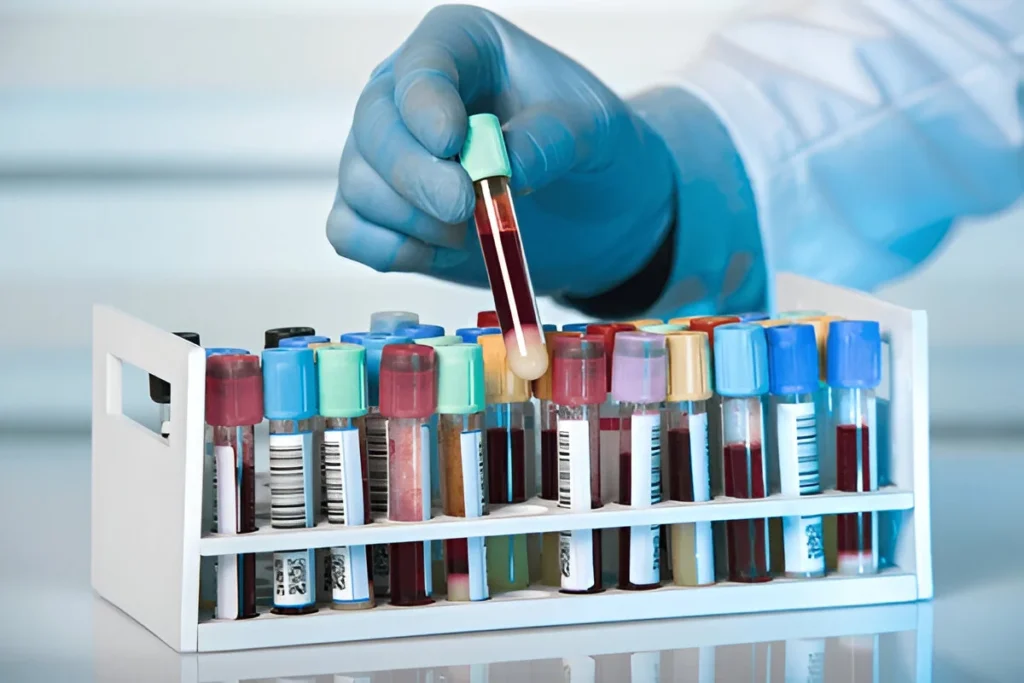
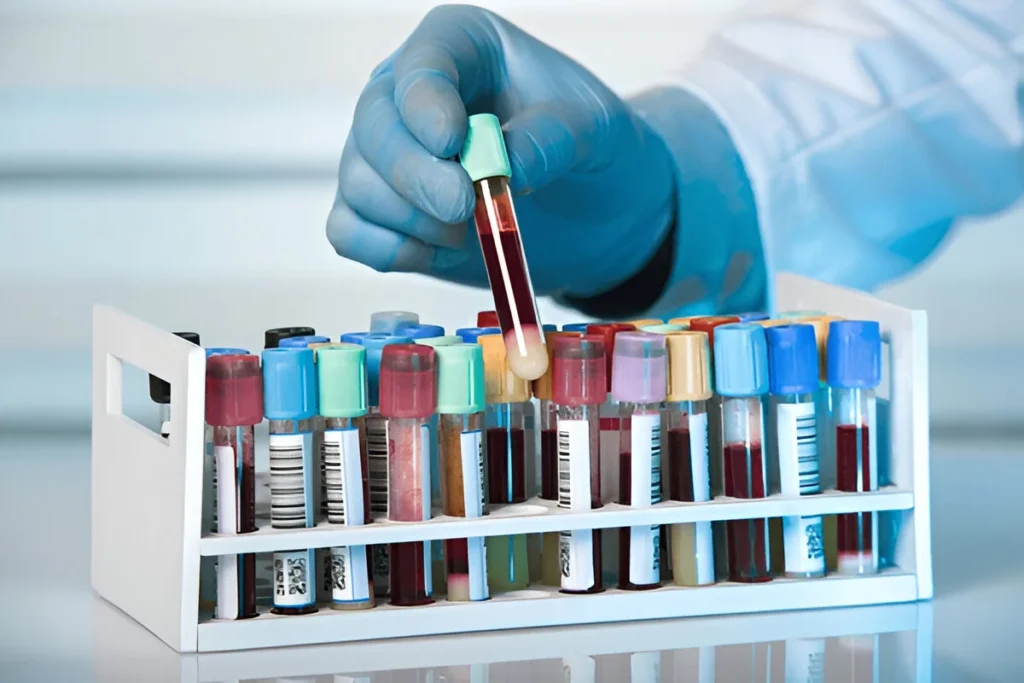
A blood sample can fit into a tiny tube, but the system required to turn that sample into a trustworthy result can be remarkably sophisticated.
Behind a routine CBC, blood glucose test, urine analysis, culture report or molecular test is an entire chain of diagnostic devices, trained professionals, consumables, quality controls, software and laboratory equipment. When even one part of that chain fails, the final result can be delayed, inaccurate or difficult to interpret.
The World Health Organization (WHO) describes diagnostics as fundamental to prevention, screening, diagnosis, treatment monitoring and disease surveillance. It also emphasizes that access to diagnostics must include quality across the entire testing value chain—not simply access to a machine or test kit.
That leads to an important question for hospitals, diagnostic centres, clinics and laboratories:
What makes diagnostic equipment genuinely useful—not merely technologically impressive?
The answer lies in matching the right technology to the clinical workload, test requirements, staff capabilities and quality-management system.
What Are Diagnostic Devices and Testing Solutions?
Diagnostic devices are tools used to detect, measure or monitor physiological conditions and diseases.
They range from simple point-of-care devices to highly automated laboratory systems.
The U.S. FDA defines in-vitro diagnostics (IVDs) as tests performed on samples such as blood or tissue collected from the body. These tests can support disease diagnosis, treatment decisions and health monitoring.
Broadly, diagnostic solutions can be divided into:
- Laboratory diagnostic equipment
- Point-of-care testing devices
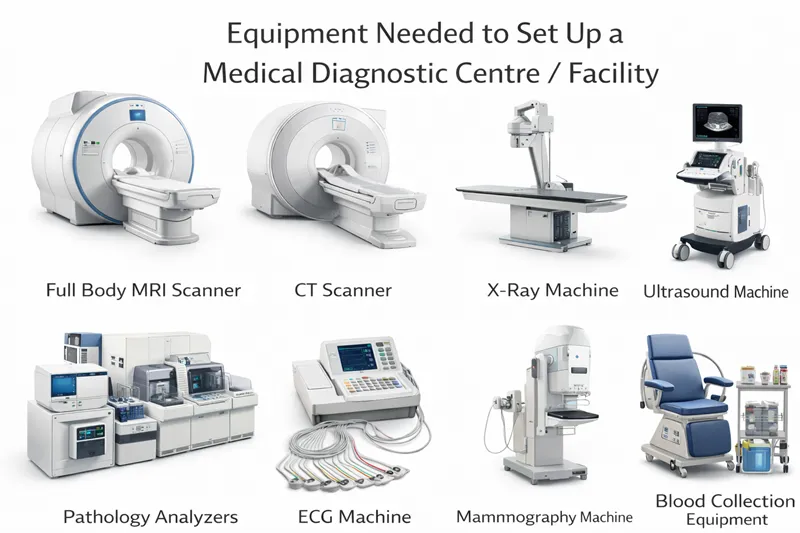
- Imaging and physiological diagnostic devices
- Molecular and genetic testing systems
- Microbiology equipment
- Clinical chemistry analyzers
- Hematology analyzers
- Immunoassay systems
- Urine and electrolyte analyzers
- Sample preparation equipment
- Laboratory information and data-management systems
The key insight is that these categories are interconnected. A modern analyzer cannot compensate for poor sample collection, incorrect storage or inadequate quality control.
Laboratory Equipment: The Foundation of Diagnostic Testing
A laboratory may have advanced analyzers, but its day-to-day performance depends heavily on supporting laboratory equipment.
This includes everything from centrifuges and microscopes to refrigerators, incubators, pipettes and biosafety equipment.
Essential Laboratory Equipment Categories
| Equipment | Primary Application | Common Laboratory Use |
|---|---|---|
| Centrifuge | Separating sample components | Blood, urine and biochemical testing |
| Microscope | Visual examination | Hematology, microbiology, pathology |
| Hematology Analyzer | Blood-cell analysis | CBC and differential counts |
| Biochemistry Analyzer | Chemical analysis | Glucose, liver and kidney parameters |
| Immunoassay Analyzer | Antigen/antibody detection | Hormones, infections, biomarkers |
| PCR System | Molecular detection | Infectious diseases and genetic testing |
| Incubator | Controlled temperature growth | Microbiology and cell-related applications |
| Autoclave | Sterilization | Laboratory instruments and materials |
| Laboratory Refrigerator | Sample/reagent storage | Temperature-sensitive materials |
| Water Bath | Controlled heating | Sample preparation and laboratory procedures |
| Pipettes | Accurate liquid handling | Almost every laboratory workflow |
| Urine Analyzer | Urinalysis | Routine diagnostic testing |
Choosing equipment based purely on brand, price or specifications can be misleading. A better approach is to consider the complete workflow.
Diagnostic Devices vs Laboratory Equipment: What’s the Difference?
The terms are often used interchangeably, but they are not identical.
Diagnostic devices are the broader category. They can include equipment used directly on patients, at the point of care or inside laboratories.
Laboratory equipment generally refers to instruments and systems used to process, prepare, analyze or store specimens within laboratory environments.
For example, a glucometer can be considered a diagnostic device used near the patient, while a fully automated chemistry analyzer is laboratory equipment.
WHO’s Essential Diagnostics List recognizes the importance of having appropriate diagnostic technologies available at different levels of healthcare, including primary-care and laboratory settings.
A Simple Comparison
| Factor | Point-of-Care Diagnostics | Laboratory Testing |
| Location | Near patient | Central laboratory |
| Turnaround time | Usually rapid | Can range from minutes to days |
| Equipment complexity | Often lower | Moderate to highly sophisticated |
| Testing volume | Usually low/moderate | Moderate to very high |
| Skilled staff | May require limited training | Usually trained laboratory personnel |
| Examples | Glucose meters, rapid tests | CBC, chemistry, PCR, immunoassay |
Neither approach is universally better.
The right choice depends on the clinical question, urgency, patient population and available infrastructure.
The Most Important Laboratory Equipment Categories
1. Hematology Equipment
Hematology analyzers automate the measurement of blood-cell parameters.
A modern analyzer can provide information such as:
- Hemoglobin
- Red blood cell count
- White blood cell count
- Platelet count
- Hematocrit
- Red-cell indices
- Differential leukocyte counts
For busy diagnostic centres, automation can improve throughput and reduce repetitive manual work.
However, automation should not eliminate professional oversight. Unexpected results, flags or abnormal patterns may require additional review.
2. Clinical Chemistry Analyzers
Clinical chemistry systems measure substances in biological specimens.
Common parameters include:
- Glucose
- Urea
- Creatinine
- Bilirubin
- Liver enzymes
- Lipids
- Electrolytes
- Proteins
For many laboratories, chemistry analyzers are among the highest-utilization instruments, making factors such as reagent availability, throughput, calibration requirements, maintenance and service support particularly important.
3. Microbiology Equipment
Microbiology laboratories need equipment designed around contamination control, culture and organism identification.
Typical equipment includes:
- Incubators
- Biological safety cabinets
- Autoclaves
- Microscopes
- Culture systems
- Colony counters
- Refrigerators
- Identification systems
Here, equipment selection is closely linked with biosafety and workflow design. WHO highlights biosafety and biosecurity as integral parts of laboratory quality management.
4. Molecular Diagnostic Equipment
Molecular diagnostics have transformed the detection of infectious diseases and genetic conditions.
PCR-based systems, for example, can detect specific nucleic-acid sequences and are used across infectious disease and molecular testing applications.
More advanced laboratories may also use:
- Real-time PCR systems
- Automated nucleic-acid extraction systems
- Sequencing platforms
- Molecular amplification systems
The important consideration is not simply buying the newest molecular platform. Laboratories should evaluate test menu, sample volume, reagent availability, turnaround-time requirements and staff competency.
5. Microscopes and Imaging-Based Laboratory Tools
Microscopy remains important despite the rise of automation.
Depending on the specialty, microscopes can support examination of:
- Blood smears
- Microorganisms
- Urine sediments
- Tissue sections
- Cellular abnormalities
In many situations, the microscope remains an excellent example of a technology whose value depends heavily on the operator’s expertise.
The Hidden Half of Diagnostics: Sample Management
One of the most overlooked parts of diagnostic testing happens before the sample reaches the analyzer.
Consider a blood sample. Incorrect patient identification, inappropriate collection, inadequate mixing, delayed transportation or unsuitable storage can compromise the test before analysis even begins.
WHO describes laboratory testing as a process involving pre-examination, examination and post-examination stages, all of which require quality management.
This means laboratories should pay attention to:
- Sample collection
- Patient identification
- Labelling
- Transportation
- Temperature control
- Sample acceptance/rejection
- Centrifugation
- Storage
- Result validation
- Critical-result reporting
WHO’s laboratory quality manual resources specifically include procedures for equipment installation, repair, decontamination, sample labelling, sample acceptance/rejection and result validation.
The lesson: buying an advanced analyzer without fixing sample workflow is like installing a powerful engine in a car with poor brakes.
How to Choose Laboratory Equipment
When evaluating laboratory equipment, use a workflow-first approach.
1. Start With Test Volume
Estimate:
- Tests per day
- Peak-hour workload
- Expected future growth
- Number of samples per batch
- Required turnaround time
A small clinic may not need the same automation as a high-volume diagnostic centre.
2. Evaluate Total Cost of Ownership
Purchase price is only the beginning.
Consider:
- Reagents
- Consumables
- Calibration materials
- Maintenance
- Service contracts
- Spare parts
- Electricity requirements
- Staff training
- Downtime costs
A cheaper analyzer can become expensive if reagents are costly or technical support is unreliable.
3. Check Service and Support
A diagnostic instrument that sits unused because a replacement part is unavailable is not a productive asset.
Before purchasing, ask:
- Is local technical support available?
- What is the expected response time?
- Are spare parts readily available?
- Is installation included?
- Is operator training provided?
- What preventive-maintenance schedule is required?
WHO’s maintenance guidance emphasizes proper installation, use and maintenance of equipment as important components of laboratory operations.
Quality Control: Where Reliable Diagnostics Really Begin
A laboratory result should not be considered trustworthy simply because an analyzer generated a number.
Quality systems help determine whether that number can be relied upon.
WHO identifies documentation, standard operating procedures, quality-control samples and external quality assessment as important components of diagnostic quality assurance.
A strong laboratory quality program may include:
- Internal quality control
- Calibration
- Preventive maintenance
- Standard operating procedures
- Staff competency assessment
- Proficiency testing
- External quality assessment
- Equipment records
- Reagent inventory management
- Corrective and preventive actions
This is one reason accreditation and quality-management systems matter. WHO’s Laboratory Quality Stepwise Implementation tool is designed to help medical laboratories work toward quality systems aligned with ISO 15189 requirements.
Automation Is Valuable—but It Isn’t the Whole Answer
Automation can improve consistency, throughput and efficiency.
But automation introduces its own requirements.
Laboratories need:
- Compatible consumables
- Reliable connectivity
- Software support
- Data security
- Trained operators
- Maintenance plans
- Backup procedures
The best automation strategy is usually not “automate everything.”
Instead, ask:
Which repetitive steps create the greatest bottleneck or risk?
That question can produce a much better return on investment.
Key Insights for Hospitals, Clinics and Diagnostic Centres
If you are building or upgrading a diagnostic facility, keep these principles in mind:
Buy for the Workflow, Not the Brochure
A long specification sheet does not automatically translate into better clinical performance.
Think Beyond the Machine
Reagents, consumables, service, quality control and staff training can determine whether equipment performs well over several years.
Plan for Growth
An instrument that perfectly matches today’s workload may become a bottleneck as patient volume increases.
Prioritize Interoperability
Where appropriate, consider whether analyzers can integrate with laboratory information systems and other digital infrastructure.
Don’t Ignore Basic Equipment
Reliable centrifuges, refrigerators, pipettes, UPS systems, microscopes and temperature-monitoring devices can be just as important as expensive analyzers.
A Practical Laboratory Equipment Buying Checklist
Before purchasing, ask:
Clinical requirements
- What tests are required?
- How frequently are they performed?
- What turnaround time is expected?
Technical requirements
- What sample types are supported?
- What is the throughput?
- What accuracy and precision specifications apply?
- What infrastructure is required?
Operational requirements
- Who will operate the equipment?
- How much training is needed?
- How often is maintenance required?
Financial requirements
- What is the total cost of ownership?
- What are the reagent and consumable costs?
- What happens if the equipment is unavailable?
Quality requirements
- How will calibration and QC be performed?
- Are appropriate controls available?
- Can the equipment support the laboratory’s quality system?
The Future of Diagnostics: Smaller, Faster and More Connected
Diagnostic technology is moving in several directions simultaneously.
Testing is becoming increasingly:
- Automated
- Decentralized
- Digitally connected
- Multiplexed
- Data-driven
- Molecular
- Patient-centric
At the same time, the demand for accessible and reliable testing remains enormous.
WHO’s Essential Diagnostics List is intended to help countries prioritize important in-vitro diagnostics and guide procurement and health-system planning.
The future, therefore, is unlikely to be about one “ultimate” diagnostic machine.
It will be about connected diagnostic ecosystems in which point-of-care devices, laboratory equipment, trained professionals, quality systems and digital information work together.
Conclusion: Invest in the Complete Diagnostic Ecosystem
The smartest diagnostic investment is rarely the instrument with the longest feature list.
It is the solution that fits the laboratory’s workload, staff, infrastructure, quality requirements and long-term goals.
From a basic centrifuge to an automated chemistry analyzer or molecular testing platform, every piece of laboratory equipment contributes to a larger diagnostic pathway.
And that pathway matters because behind every test result is a clinical decision.
For hospitals, clinics, laboratories and diagnostic centres, the goal should therefore be simple:
Choose technology that produces reliable results, supports efficient workflows and remains sustainable long after installation.
If you are planning to establish, expand or upgrade a laboratory, start by mapping your testing workflow before comparing equipment. Explore your requirements, compare specifications and total ownership costs, and consult qualified laboratory professionals before making a purchase.
Have experience choosing diagnostic devices or laboratory equipment for a healthcare facility? Share the challenges you faced and the features that made the biggest difference.
Suggested Related Content
- Complete Guide to Medical Diagnostic Equipment
- How to Choose Laboratory Equipment for a New Diagnostic Centre
- Laboratory Consumables: A Complete Buying Guide
- Medical Equipment Maintenance Checklist
- Point-of-Care Testing vs Central Laboratory Testing
Authoritative Resources
For further reading, consult the [WHO laboratory quality-management resources] and the [FDA’s guidance on in-vitro diagnostics].