
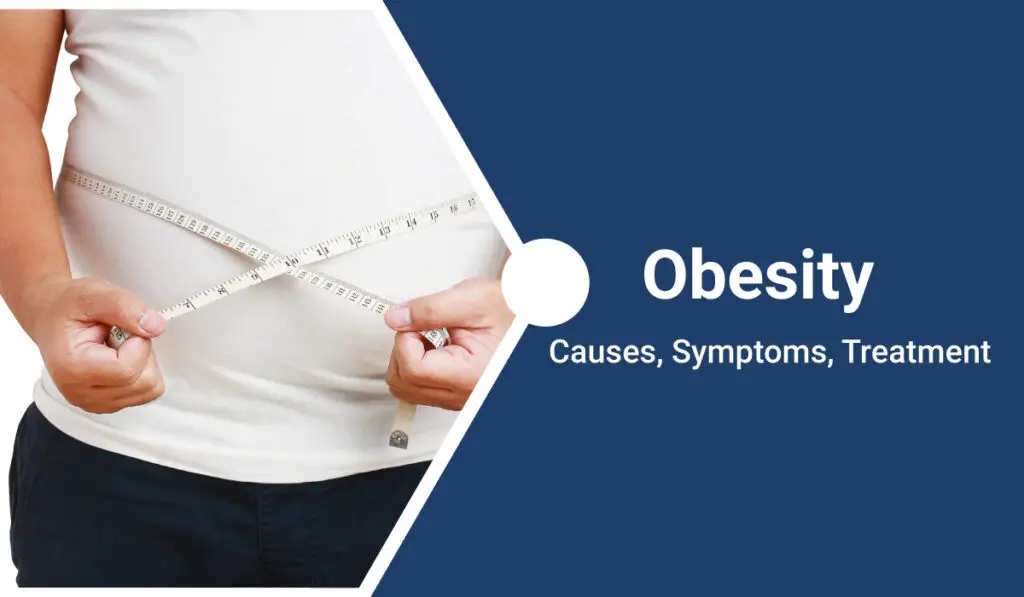
Category: General Medicine — Metabolic & Endocrine | Medical Specialist: Endocrinologist; primary-care physician; relevant subspecialist | References: American Diabetes Association (ADA); American Association of Clinical Endocrinology (AACE); Endocrine Society; WHO
Introduction: Obesity Is More Than a Number on a Scale
What if obesity had less to do with willpower—and much more to do with biology, environment, sleep, stress, medications, genetics and the world around us?
That shift in perspective matters. Obesity is a chronic, complex disease involving excessive or abnormal fat accumulation that can affect nearly every major body system. The World Health Organization (WHO) describes obesity as a chronic, relapsing disease influenced by genetic, biological, behavioural, environmental and social factors.
The scale can be useful, but it does not tell the whole story. Two people with the same weight may have very different health risks depending on where they carry fat, their metabolic health, activity levels and existing medical conditions.
And obesity is becoming increasingly common. According to the WHO, 1 in 8 people worldwide were living with obesity in 2022, while adult obesity has more than doubled since 1990.
Understanding obesity, therefore, is not about assigning blame. It is about identifying the factors involved and choosing an effective, sustainable treatment strategy.
What Is Obesity?
Obesity occurs when excess body fat accumulates to a level that may negatively affect health.
For adults, body mass index (BMI) is commonly used as an initial screening measure:
| BMI in Adults | General Classification |
|---|---|
| Below 18.5 | Underweight |
| 18.5–24.9 | Healthy range |
| 25.0–29.9 | Overweight |
| 30 or above | Obesity |
BMI is calculated from weight and height, but it is not a direct measurement of body fat. A muscular person, for example, may have a high BMI without having excessive body fat. Waist circumference and fat distribution can provide additional information about health risk.
Recent clinical guidance also places greater emphasis on central adiposity—fat concentrated around the abdomen. NICE recommends considering waist-to-height ratio alongside BMI in appropriate adults because abdominal fat can provide additional information about cardiometabolic risk.
A Better Question Than “How Much Do You Weigh?”
Instead of looking only at weight, clinicians increasingly consider:
- BMI and waist measurements
- Blood pressure
- Blood glucose and diabetes risk
- Cholesterol and triglycerides
- Liver health
- Sleep quality and possible sleep apnea
- Physical activity
- Medications
- Mental and emotional wellbeing
- Existing weight-related conditions
This broader assessment helps transform weight management from a simple “lose weight” instruction into an individualized health plan.
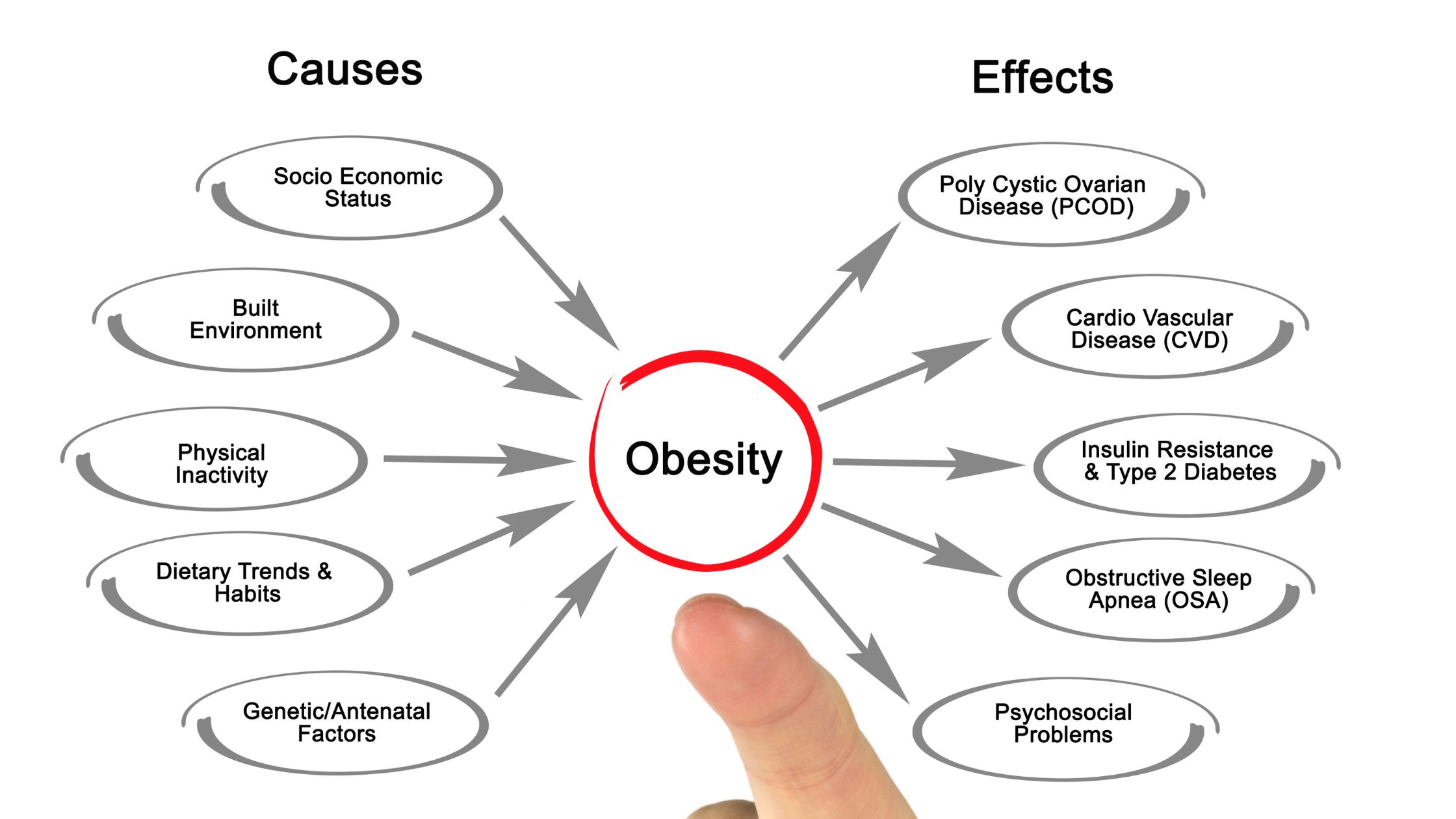
What Causes Obesity?
There is rarely one single cause.
A common explanation is that obesity develops when energy intake consistently exceeds energy expenditure. While this is biologically true, it is an incomplete explanation. WHO recognizes obesity as a multifactorial disease involving genetics, neurobiology, eating behaviours, environmental conditions, food availability and broader social factors.
1. Diet and Eating Patterns
Frequent consumption of energy-dense foods and sugar-sweetened beverages can make it easier to consume more calories than the body needs.
Large portions, frequent snacking, highly processed foods and liquid calories can contribute to gradual weight gain.
The important point is that one meal does not cause obesity. Weight gain is usually the result of patterns repeated over weeks, months and years.
2. Physical Inactivity
Modern lifestyles have reduced everyday movement. Desk-based work, long commutes, increased screen time and dependence on motorized transport can reduce energy expenditure.
Exercise is not only about burning calories. Regular movement also supports cardiovascular health, muscle strength, insulin sensitivity, mood and sleep.
3. Genetics and Biology
Genes can influence appetite, hunger signals, fat distribution, metabolism and how the body responds to weight loss.
This helps explain why two people can follow seemingly similar lifestyles yet experience very different changes in weight.
4. Sleep and Stress
Poor sleep can affect appetite regulation and food choices. Chronic stress may also influence eating behaviour, physical activity and hormonal pathways involved in weight regulation.
A sustainable obesity-management plan should therefore look beyond the dinner plate.
5. Medical Conditions and Medications
Some medical conditions can contribute to weight gain, while certain medications may also affect body weight.
Examples can include some medicines used for mental health conditions, diabetes, seizures and other chronic diseases.
This does not mean someone should stop a prescribed medicine because of weight gain. Instead, discuss concerns with a healthcare professional who can determine whether an alternative treatment is appropriate.
6. Environment and Social Factors
Healthy choices are easier when healthy food is affordable and accessible, safe spaces for physical activity exist, and people have enough time and support to prioritize health.
WHO emphasizes that obesity is influenced by the environments in which people live—not simply individual decisions.
Symptoms of Obesity
Unlike an infection or acute illness, obesity does not always produce a single obvious symptom.
Some people may feel completely well while excess body fat is gradually increasing their risk of future disease.
Possible signs or associated symptoms include:
- Increased waist circumference
- Breathlessness during physical activity
- Excessive sweating
- Fatigue
- Difficulty exercising
- Joint or back discomfort
- Snoring or disturbed sleep
- Symptoms of sleep apnea
- Reduced mobility
- Difficulty performing everyday physical activities
Importantly, not every symptom in a person with obesity is necessarily caused by their weight. NICE specifically warns clinicians against “diagnostic overshadowing”—assuming every health problem is caused by obesity and overlooking another diagnosis.
Health Risks and Complications of Obesity
Obesity can affect multiple systems rather than just appearance or body size.
According to the National Institute of Diabetes and Digestive and Kidney Diseases (NIDDK), obesity is associated with conditions including type 2 diabetes, high blood pressure, heart disease, stroke, fatty liver disease, certain cancers, osteoarthritis, kidney disease, breathing problems and gallbladder disease.
| Area Affected | Possible Complications |
| Heart & blood vessels | High blood pressure, heart disease, stroke |
| Metabolism | Insulin resistance, type 2 diabetes |
| Liver | Fatty liver disease |
| Respiratory system | Sleep apnea, breathing difficulties |
| Musculoskeletal system | Osteoarthritis, joint pain |
| Digestive system | Gallbladder and pancreatic problems |
| Kidneys | Increased risk of kidney disease |
| Reproductive health | Fertility and pregnancy-related problems |
| Mental wellbeing | Psychological distress and reduced quality of life |
The risk generally increases with the amount and distribution of excess body fat, although individual risk varies.
Obesity vs. Being Overweight: What Is the Difference?
The terms are related but not identical.
Overweight generally refers to a BMI of 25 or higher in adults, while obesity generally begins at a BMI of 30. However, BMI is only a screening tool and should be interpreted alongside other clinical information.
The comparison becomes especially important because health risks do not suddenly appear when someone crosses a particular BMI threshold. Risk can increase progressively with increasing excess body fat. WHO notes that several obesity-related health risks can begin even at relatively modest levels of excess weight.
How Is Obesity Diagnosed?
Diagnosis begins with a conversation rather than simply stepping onto a weighing scale.
A healthcare professional may assess:
Medical History
This may include:
- Weight changes over time
- Eating patterns
- Physical activity
- Sleep
- Stress
- Family history
- Existing diseases
- Current medications
Physical Measurements
Common measurements include:
- Height
- Weight
- BMI
- Waist circumference
- Waist-to-height ratio in appropriate patients
Laboratory Tests
Depending on the individual, clinicians may recommend tests such as:
- Blood glucose or HbA1c
- Lipid profile
- Liver function tests
- Other tests based on symptoms and medical history
The goal is not simply to label someone as having obesity. It is to understand how obesity is affecting that person’s health and what treatment would provide the greatest benefit.
Treatment for Obesity: What Actually Works?
There is no universal “best obesity treatment.”
Successful management usually combines several strategies and is tailored to the individual’s health, preferences, risks and goals.
1. Lifestyle and Behavioural Changes
For many people, treatment begins with sustainable changes to eating and physical activity.
A practical approach may include:
- Eating more vegetables, fruits, whole grains, legumes and other nutrient-dense foods
- Choosing appropriate portions
- Reducing frequent consumption of sugary drinks and highly energy-dense foods
- Increasing daily physical activity
- Incorporating resistance training where appropriate
- Improving sleep routines
- Monitoring progress
- Developing strategies for emotional or stress-related eating
NIDDK notes that structured weight-management programmes commonly combine dietary changes, physical activity, monitoring and ongoing professional support.
The goal should not be perfection.
A person who walks for 20 minutes today after months of inactivity has already made a meaningful change. Sustainable progress often comes from repeating manageable actions rather than attempting dramatic transformations overnight.
2. Weight-Loss Medicines
Lifestyle intervention does not always produce sufficient weight loss, particularly when biological, genetic or medical factors make weight management difficult.
Prescription weight-management medicines may be considered for some adults with obesity or overweight accompanied by weight-related health problems. NIDDK notes that eligibility commonly depends on factors such as BMI and associated conditions.
These medicines work through different mechanisms. Some influence appetite or fullness, while others affect nutrient absorption.
They should be prescribed and monitored by an appropriate healthcare professional rather than purchased or used casually.
3. Bariatric or Metabolic Surgery
For selected patients with severe obesity, metabolic and bariatric surgery can produce substantial and sustained weight loss and may improve obesity-related conditions.
Procedures alter the digestive system in ways that affect food intake, digestion and metabolic signalling.
NIDDK notes that surgery may be considered particularly when BMI is 35 or higher, with some clinical recommendations considering surgery at lower BMI levels when serious obesity-related disease is present.
Surgery is not a shortcut or a cosmetic procedure. It requires careful assessment, preparation, follow-up and long-term nutritional monitoring.
The Most Important Insight: Treatment Should Be Individualized
One of the biggest mistakes in obesity care is treating every patient as if the same diet and exercise programme should work equally well.
A better model asks:
What is driving weight gain? What health problems are already present? What treatment can this person realistically maintain?
For one individual, improving sleep and reducing sugary drinks may be a powerful starting point.
For another, medication may be appropriate.
For someone else with severe obesity and significant complications, metabolic surgery may offer the greatest potential benefit.
Modern obesity care increasingly recognizes that treatment intensity should match medical need—not personal judgement.
Can Obesity Be Prevented?
Not every case can be prevented, particularly when genetics, medications or medical conditions play an important role.
However, many risk factors can be modified.
Helpful long-term habits include:
- Eating a varied, nutrient-rich diet
- Staying physically active
- Limiting sugary drinks and highly processed energy-dense foods
- Getting adequate, consistent sleep
- Managing stress
- Monitoring weight and waist changes when appropriate
- Seeking professional help when weight gain becomes persistent
WHO emphasizes prevention across the life course, beginning early in life and supported by healthier food environments and opportunities for physical activity.
When Should You See a Doctor?
Consider professional evaluation if you experience:
- Rapid or unexplained weight gain
- Persistent difficulty losing weight despite consistent efforts
- High blood pressure or abnormal blood sugar
- Excessive daytime sleepiness or loud snoring
- Breathlessness with routine activities
- Persistent joint pain
- Menstrual or fertility changes
- Symptoms suggesting another underlying medical condition
A doctor, dietitian, endocrinologist or qualified weight-management team can help determine the underlying factors and develop an appropriate plan.
Frequently Asked Questions About Obesity
Is obesity simply caused by overeating?
No. Eating patterns are important, but obesity is multifactorial. Genetics, biology, medications, sleep, stress, physical activity, environment and socioeconomic factors can all contribute.
Can someone have obesity and still be healthy?
A person may have few obvious symptoms or normal laboratory results despite having obesity, but excess adiposity can increase the long-term risk of several diseases. Health should therefore be assessed beyond appearance or current symptoms.
Is BMI enough to diagnose obesity?
BMI is useful for screening, but it does not directly measure body fat or show where fat is stored. Waist measurements and other clinical factors can provide additional information.
Is weight loss always the main goal?
Not necessarily. Treatment should focus on improving overall health, reducing complications and improving quality of life. Weight loss can be one important component of that broader goal.
Key Takeaways
- Obesity is a chronic, complex disease—not simply a lack of willpower.
- BMI is useful but should not be viewed in isolation.
- Abdominal fat and metabolic health provide important additional information.
- Obesity can increase the risk of diabetes, cardiovascular disease, sleep apnea, joint disease, fatty liver disease and certain cancers.
- Lifestyle changes remain an important foundation of treatment.
- Prescription medicines may benefit appropriately selected patients.
- Metabolic and bariatric surgery can be an effective treatment for selected people with severe obesity.
- Long-term success depends on individualized treatment and ongoing support.
Conclusion: Think Beyond the Scale
The most useful way to understand obesity is to stop thinking of it as a simple equation of “eat less and exercise more.”
Food and movement matter, but so do biology, hormones, sleep, medications, stress, genetics, environment and access to healthcare. That is why two people can make similar efforts and experience very different results.
The good news is that obesity is manageable, and treatment does not have to begin with an extreme plan. Sometimes the most meaningful first step is simply recognizing that persistent weight gain deserves the same thoughtful medical attention as any other chronic health concern.
If you are concerned about your weight, waist size or related symptoms, speak with a qualified healthcare professional rather than relying solely on online diets or quick-fix solutions.
Ready to take the next step? Explore your website’s related guides on healthy eating, physical activity, diabetes prevention and metabolic health, and share this article with someone who could benefit from a more informed, compassionate understanding of obesity.
Suggested Visual Elements
Featured image: A clean medical illustration showing the multifactorial nature of obesity—genetics, nutrition, physical activity, sleep, stress and environment surrounding a central human figure.
Infographic idea: “Obesity at a Glance” featuring:
- BMI and waist measurement
- Major causes
- Common symptoms
- Health complications
- Lifestyle treatment
- Medicines
- Bariatric surgery
Suggested comparison graphic: “Overweight vs Obesity” showing BMI ranges alongside a reminder that BMI is a screening measure rather than a complete assessment of health.
Suggested Internal Links
Add links to your existing website content using relevant anchor text such as healthy diet, physical activity, type 2 diabetes, high blood pressure, fatty liver disease, sleep apnea, and weight management. Replace these anchors with the corresponding URLs from your site’s existing articles rather than creating unrelated links.
Authoritative External Resources
- World Health Organization — Obesity and overweight
- NIDDK — Understanding Adult Overweight & Obesity
- NIDDK — Treatment for Overweight & Obesity
- NICE — Overweight and obesity management guideline
Medical disclaimer: This article is intended for general educational purposes and does not replace diagnosis, treatment or individualized advice from a qualified healthcare professional.