
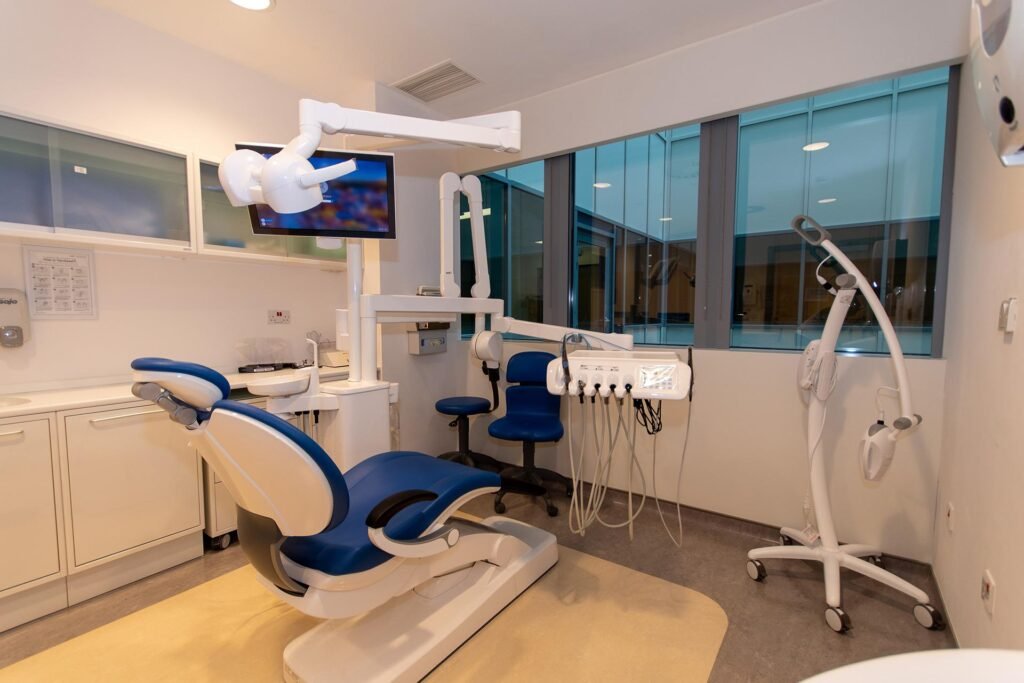
How to Choose the Right Dental Chair for Your Clinic: A Complete Buying Guide

How to Choose the Right Dental Chair for Your Clinic

A dental chair is easy to underestimate.

nBFSecqGFTPZgr6dzxfrtBUSd DT joCVa4J43RtaYPtmvKfLEOcJN18Ho5NifT4hAoRkGoBYe7Annf7HK4t4JR9RNn7QKXx8R8lpGhJBiLne HUEg4MrRFfobLX2k5GJ6rt3zTpJR0ZqCd1JiYjF wb3JX BRBqdEgRGKkleOs8c QhPjwzMOgVT6KhffFh?purpose=fullsize

At first glance, it looks like another piece of clinical furniture. But spend eight hours working around one and you quickly discover that the chair influences almost everything: your posture, patient positioning, assistant access, treatment efficiency, cleaning routine, and even how professional your operatory feels.

I learned this the hard way: the most expensive dental chair isn’t automatically the best chair for a particular clinic. A better approach is to match the chair to your procedures, room dimensions, patient profile, workflow, and long-term service requirements.

And while a conventional fixed dental chair remains the obvious choice for most permanent clinics, a portable dental chair can be surprisingly practical for mobile dentistry, outreach programs, temporary treatment rooms, home visits, camps, and clinics where flexibility matters.

So, how do you choose?

Let’s break it down.

What Should You Look for in a Dental Chair?

Before comparing brands or getting distracted by touchscreen controls and premium upholstery, start with five questions:

  1. What procedures will you perform most often?
  2. How many patients will use the chair each day?
  3. How much space is available in the operatory?
  4. How important are mobility and portability?
  5. What happens when the chair needs service or a replacement part?

That last question is often ignored.

A chair that costs less initially but sits unusable for several days because a replacement actuator or control board isn’t readily available can become more expensive than a premium model.

ISO 7494-1:2018 establishes requirements and test methods for stationary dental units and dental patient chairs, so buyers should also verify the relevant standards and documentation for the equipment they are considering.

Fixed vs. Portable Dental Chair: Which Is Better?

There isn’t one universal winner.

The right choice depends on how your clinic operates.

FeatureFixed Dental ChairPortable Dental Chair
Best forPermanent clinicsMobile/temporary dentistry
MobilityLowHigh
InstallationUsually requiredMinimal or simpler
Space flexibilityModerateExcellent
Heavy daily useUsually better suitedDepends on model
Outreach campsLess practicalExcellent
Home visitsImpracticalExcellent
Integrated equipmentOften extensiveUsually more limited
Long-term operatory setupExcellentGood for selected applications
Initial setup complexityHigherLower
StorageNot usually relevantImportant consideration

When a Portable Dental Chair Makes Sense

A portable dental chair isn’t simply a “cheaper dental chair.”

Its real advantage is flexibility.

Consider one if you:

  • Conduct dental camps or outreach programs
  • Provide home-care dentistry
  • Operate in multiple locations
  • Need a temporary treatment room
  • Have limited clinical space
  • Are testing a new location before investing heavily
  • Need backup equipment for emergencies or overflow

However, don’t buy portable equipment purely because it takes up less space. Check its weight capacity, stability, adjustment range, upholstery, folding mechanism, transport case, and compatibility with the rest of your equipment.

For a busy permanent clinic performing complex restorative, surgical, implant, or endodontic procedures every day, a properly installed fixed chair may provide a more appropriate workflow.

1. Prioritize Ergonomics Over Fancy Features

This is probably the most important buying decision.

Dentistry involves repetitive positioning, reaching, twisting, and prolonged concentration. Poor equipment positioning can make those movements worse. A-dec, for example, specifically emphasizes ergonomics and positioning as part of reducing physical strain during clinical work.

Look for a chair that allows you to:

  • Position the patient precisely
  • Get close to the oral cavity without excessive leaning
  • Maintain adequate legroom
  • Adjust patient height to your working position
  • Move easily between treatment positions
  • Access the head and neck without awkward stretching

Don’t Test the Chair as a Patient—Test It as a Dentist

This is a useful buying trick.

When visiting a showroom, don’t simply sit in the chair and ask, “Is it comfortable?”

Pretend you’re performing an actual procedure.

Adjust the chair, position the headrest, sit on the operator stool, reach toward the patient’s mouth, and imagine where your assistant would sit.

If your shoulder rises, your back twists, or your knees hit the chair base, you’ve just discovered a problem that a glossy brochure won’t show you.

2. Check Chair Height and Positioning Range

Chair height matters more than many first-time buyers realize.

A wider adjustment range can accommodate different dentists, assistants, procedures, and patient needs.

Modern dental chairs can offer substantial vertical adjustment. For example, A-dec’s current chair range includes models with different height ranges and patient weight ratings, demonstrating why buyers should compare actual specifications rather than assuming every “motorized dental chair” performs similarly.

Pay particular attention to:

  • Minimum chair height
  • Maximum chair height
  • Backrest angle
  • Headrest adjustment
  • Trendelenburg/reclining capability
  • Armrest configuration
  • Patient weight capacity
  • Base clearance

Don’t compare chairs based only on whether they are “electric” or “hydraulic.”

The useful question is: Can I position my patient exactly where I need them for the procedures I perform?

3. Electric vs. Hydraulic Dental Chairs

Both systems can work well.

Electric Chairs

Electric systems can offer precise positioning and convenient controls. Depending on the model, movement may be controlled through foot switches, touch controls, or integrated delivery-system controls.

They can be particularly attractive for clinics that want programmable positions and modern digital integration.

Hydraulic Chairs

Hydraulic systems have been used extensively in dental equipment and can provide smooth movement and substantial lifting capability.

The important point is not to choose based on technology terminology alone.

Ask the supplier:

  • How smooth is movement?
  • How noisy is the mechanism?
  • What is the lifting capacity?
  • What happens during power failure?
  • How easily are components serviced?
  • Is technical support available locally?

A quiet, dependable chair that your service team can repair quickly is often more valuable than a chair packed with features you rarely use.

4. Don’t Ignore the Headrest

The headrest looks like a small component.

Clinically, it isn’t.

A properly adjustable headrest helps position the patient’s head for different procedures and can make access significantly easier.

Look for:

  • Easy adjustment
  • Stable locking
  • Adequate neck support
  • Compatibility with different patient sizes
  • Smooth positioning
  • Easy-to-clean surfaces

If you treat children, elderly patients, or patients with limited mobility, test the headrest with those use cases in mind.

5. Patient Comfort Is Part of Clinical Efficiency

Patient comfort isn’t simply about luxury.

An uncomfortable patient may move more, ask for more breaks, or struggle to remain positioned during treatment.

Look at:

  • Cushion thickness
  • Upholstery quality
  • Back support
  • Head support
  • Armrest design
  • Smooth start/stop movement
  • Noise generated during adjustment

Some premium chairs use very smooth movement systems and ergonomic backrest designs specifically to improve patient positioning and access.

The goal isn’t to buy the softest chair.

It’s to find a chair that supports the patient without interfering with your clinical access.

6. Think About Infection Control Before Buying

A dental chair is exposed to saliva, aerosols, disinfectants, gloves, instruments, and frequent cleaning.

That makes surface design important.

Look for upholstery and surfaces that are:

  • Easy to wipe
  • Resistant to your clinic’s approved disinfectants
  • Free from unnecessary seams and difficult-to-clean recesses
  • Durable enough for repeated cleaning

Also ask the manufacturer for specific cleaning and disinfection instructions rather than assuming every surface can tolerate the same chemical.

This matters because inappropriate cleaning products can damage upholstery and other components.

For the dental unit itself, ISO 7494-2:2022 addresses requirements concerning air, water, suction, wastewater systems, connections, materials, construction, and related interfaces in stationary dental units.

7. Match the Chair to Your Procedures

Your clinical specialty should influence your choice.

General Dentistry

Prioritize:

  • Versatile positioning
  • Comfortable patient access
  • Reliable movement
  • Easy cleaning
  • Strong service support

Endodontics

Look closely at positioning precision, head support, access, illumination compatibility, and ergonomics during long procedures.

Implantology and Oral Surgery

Consider:

  • Patient weight capacity
  • Stability
  • Positioning range
  • Access around the patient
  • Integration with surgical workflow

Pediatric Dentistry

Prioritize:

  • Low minimum height
  • Comfortable positioning
  • Child-friendly design
  • Easy cleaning
  • Appropriate patient support

Mobile Dentistry

This is where a portable dental chair becomes especially interesting.

Weight, folding mechanism, transportability, setup time, stability, and compatibility with portable suction, lighting, compressors, and other equipment become more important than having every integrated feature found on a premium fixed operatory.

8. Calculate the Total Cost of Ownership

Never compare dental chairs using purchase price alone.

A better calculation is:

Total Cost = Purchase + Installation + Accessories + Service + Replacement Parts + Downtime

A chair with a low purchase price can become expensive if:

  • Spare parts are difficult to obtain
  • Service technicians aren’t available locally
  • Warranty coverage is weak
  • Installation costs are unexpectedly high
  • Consumable components wear quickly
  • Downtime interrupts appointments

As one example of how manufacturers approach longevity, A-dec states that its dental chairs are designed and tested for a service life of up to 20 years under normal use, while actual lifespan depends on factors such as environment, maintenance, and usage.

That doesn’t mean every premium chair will last 20 years.

It illustrates an important buying principle: evaluate equipment as a long-term asset, not a one-time purchase.

9. Ask These Questions Before Signing the Purchase Order

Create a simple checklist and make the salesperson answer every item.

Technical

  • What is the maximum patient weight?
  • What is the height adjustment range?
  • What type of drive system is used?
  • How many programmable positions are available?
  • What is the warranty period?
  • What components are covered?

Service

  • Who provides installation?
  • Where is the nearest service team?
  • What is the typical response time?
  • Are spare parts stocked locally?
  • How long are commonly replaced components supported?

Clinical

  • Is the chair suitable for my procedures?
  • Can my assistant work comfortably?
  • Can I reach the patient without awkward posture?
  • Does the headrest provide enough adjustment?
  • Is the chair compatible with my delivery system and other equipment?

Financial

  • Is installation included?
  • Are accessories included?
  • Are taxes and delivery included?
  • What are annual maintenance costs?
  • What will replacement parts cost?

A Practical Dental Chair Buying Scorecard

If you’re comparing three or four models, don’t rely on memory.

Score each model from 1–5.

Buying FactorSuggested Weight
Ergonomics25%
Reliability & build quality20%
Patient comfort15%
Clinical positioning15%
Service & spare parts10%
Infection-control design5%
Warranty5%
Price/value5%

This approach prevents one attractive feature—or a low price—from dominating the decision.

Common Dental Chair Buying Mistakes

Choosing Based Only on Price

The cheapest chair isn’t necessarily the most economical.

Buying More Features Than You Need

A touchscreen doesn’t automatically improve clinical outcomes.

Ignoring the Operator Stool

The chair and stool work as a system. Your seating position affects your posture just as much as patient positioning. Ergonomic stool adjustment is therefore worth testing alongside the chair.

Forgetting Room Dimensions

Measure doors, walls, plumbing points, electrical outlets, cabinet locations, assistant access, and patient movement before ordering.

Not Asking About After-Sales Support

A dental chair is critical equipment. Service availability should be part of the purchase decision—not an afterthought.

Final Verdict: Which Dental Chair Should You Buy?

The best dental chair is not necessarily the most expensive, most automated, or most attractive model.

It is the one that fits your clinical workflow.

For a high-volume permanent practice, prioritize ergonomics, positioning, durability, infection-control considerations, integration, and service support.

For a mobile clinic, outreach program, temporary setup, or home-visit service, a portable dental chair may provide the flexibility that a conventional fixed chair cannot.

And before buying, do one thing that no product brochure can do for you:

Test the chair like you actually work.

Sit at the operator position. Position an imaginary patient. Reach for the mouth. Move the headrest. Test the foot control. Ask where the assistant would sit. Imagine doing your longest procedure in that position.

If the chair still feels right after that test, you’re no longer buying based on specifications alone—you’re buying based on how your clinic will actually function.

Ready to Choose Your Dental Chair?

Before making the final purchase, compare at least three models using the scorecard above, request a live demonstration, confirm warranty and service coverage, and calculate the total cost of ownership.

If you’re setting up or upgrading a dental clinic, explore your other equipment requirements as well—and build your operatory around ergonomics, workflow, infection control, reliability, and patient experience, not just appearance.

The right dental chair shouldn’t simply hold your patient. It should make your entire clinical workflow better.
Leave a Reply

Your email address will not be published. Required fields are marked *

Related Post

dentists meeting medical colleagues discussing teeth problems dental clinic young professional doctors studying jaw ray 62382915

For Healthcare Professionals: Practical Insights for Dentists, Doctors, Clinics & Hospitals

Picture this: a small dental practice spends years building trust with its patients, one cleaning and one kind word at a time. Then one morning, its website — the same one that quietly collects appointment requests and new-patient forms — gets flagged for serving malware. Within a week, patient records are for sale on a forum neither the dentist nor her office manager has ever heard of. This isn’t a rare horror story anymore. It’s Tuesday. For healthcare professionals, the website has quietly become one of the most exposed parts of the practice — and most clinics never planned for that. This post breaks down what’s actually happening, how it compares across practice types, and what you can do about it this month, not “eventually.” Why This Is Suddenly Everyone’s Problem Healthcare has held the unwanted title of the costliest industry for data breaches for 14 straight years, with the average incident now running $7.42 million. That number sounds like a hospital-only problem — it isn’t. Small practices, dental offices, and single-location clinics get swept into the same statistics because attackers don’t discriminate by practice size; they discriminate by how easy the target is. The shift in attack methods matters just as much as the cost. Hacking and IT-related incidents now account for more than 80% of large healthcare breaches, up from roughly half that share back in 2019. Ransomware alone drives nearly half of all confirmed healthcare breaches in 2026, and for the first time in nearly two decades of tracking, exploiting unpatched software vulnerabilities has overtaken stolen passwords as the top way attackers get in. That detail matters enormously for anyone running a website on a content management system that needs regular updates. The Comparison: Where Different Practices Are Exposed Not every healthcare setting carries the same risk profile. Here’s a practical breakdown of where the pressure points typically sit. Practice Type Common Website Function Typical Weak Point Priority Fix Solo dental/medical practice New patient intake forms, appointment requests Outdated CMS plugins, no BAA with host Patch management + compliant hosting Multi-location clinic Booking systems, provider portals Inconsistent access controls across sites Centralized, role-based access Specialty/therapy practice Secure messaging, telehealth links Third-party embeds without vendor agreements Vendor risk review + signed BAAs Hospital system EHR integration, patient portal Business associate exposure, legacy systems Third-party monitoring + audit logging Third-party vendors deserve special attention here. Business associates are now named in roughly one in three reported healthcare breaches, and that share has doubled in a single year. If your website hands appointment data, chat widgets, or analytics to an outside company without a signed Business Associate Agreement, that gap is treated by regulators as its own violation — not a minor technicality. Key Insight #1: Your Website Platform Wasn’t Built for PHI, and That’s Fine — If You Know It A huge share of clinic and practice websites run on WordPress, which is understandable: it’s flexible, familiar, and inexpensive. But it’s worth being clear-eyed about a specific point that trips up a lot of practices — WordPress is not HIPAA-compliant out of the box. Compliance isn’t a feature you install; it’s a property of how the whole environment — hosting, plugins, forms, and vendor contracts — is configured and maintained together. That doesn’t mean healthcare organizations should avoid WordPress. It means treating any part of the site that touches protected health information (appointment forms, secure messaging, patient portals) differently from the marketing pages describing your services. One widely echoed piece of advice from web architects working in healthcare is refreshingly simple: don’t store sensitive patient information directly inside WordPress at all — route it instead to purpose-built, compliant systems designed to hold that data securely. Key Insight #2: Hosting Is the Foundation, Not an Afterthought If there’s one decision that quietly determines your entire security posture, it’s who hosts your site. Standard consumer hosting — the kind marketed on price and ease of setup — typically will not sign a Business Associate Agreement or meet PHI protection standards like encryption at rest and audit logging. A healthcare website deserves the digital equivalent of the physical security you already apply to paper charts in a locked filing cabinet. Practical signs your hosting is doing its job: Key Insight #3: Multi-Factor Authentication Is the Cheapest Insurance You’ll Ever Buy Ask any security consultant working with clinics what single change stops the most incidents, and multi-factor authentication comes up almost every time — particularly for anything resembling a patient portal or staff login. It costs little, takes minutes to enable, and closes off the majority of credential-based attacks that once dominated the threat landscape. Given that external actors are behind roughly two-thirds of confirmed healthcare breaches, and financial motives drive the vast majority of them, making stolen credentials useless on their own is one of the highest-leverage moves a small practice can make. Key Insight #4: The Detection Gap Is Longer Than You’d Think Healthcare breaches take an average of 279 days to identify and contain — the longest of any industry tracked. Translate that into practice terms: a compromise discovered today may have been sitting quietly since roughly last spring. This is precisely why routine monitoring, logging, and even a simple quarterly review of who has admin access to your website matter more than a one-time security push. Set-and-forget security is, in practice, forget-and-regret. What This Means for Your Practice, Starting This Month None of this requires a hospital-sized IT budget. A realistic starting checklist looks like: A Final Word The trust patients place in a dental chair or an exam room extends, whether we’ve fully reckoned with it or not, to the “Book an Appointment” button on the website. Protecting that trust isn’t about becoming a cybersecurity expert overnight — it’s about treating your digital front door with the same seriousness as your physical one. If this rundown raised questions about your own practice’s setup, that’s worth sitting with rather than shrugging off. Talk to your web host today

Reusable vs Single Use Rethinking Medical Materials

Disposable vs. Reusable Medical Products: Which Is Better for Healthcare?

Introduction: The “Best” Medical Product Depends on the Job In healthcare, few decisions are as deceptively simple as choosing between disposable and reusable Medical Products. A disposable syringe is opened, used, and discarded. A reusable surgical instrument may serve hundreds or even thousands of procedures—but only if it is correctly cleaned, disinfected or sterilized after every use. So, which is better? The honest answer is: neither option wins in every situation. The better choice depends on infection risk, clinical purpose, reprocessing capabilities, total cost, product design, availability, and environmental impact. The World Health Organization (WHO) specifically encourages healthcare facilities to minimize waste and, where safe and viable, consider reusable products as part of broader sustainable procurement strategies. That makes this less of a “disposable vs. reusable” debate and more of a “right product for the right clinical task” decision. Disposable vs. Reusable Medical Products: What Is the Difference? What Are Disposable Medical Products? Disposable or single-use products are designed to be used once—or, depending on labeling, on a single patient during a single procedure—and then discarded. Common examples include: Their biggest advantage is simplicity. Once the procedure is complete, the product does not need to enter a cleaning and sterilization cycle before the next use. However, “throw away after use” does not mean “zero responsibility.” Used disposable products can become infectious, sharps, chemical, or other regulated waste depending on their contamination and composition. WHO estimates that around 15% of healthcare waste is hazardous, while the remaining 85% is generally non-hazardous. What Are Reusable Medical Products? Reusable products are specifically designed to be used multiple times after appropriate reprocessing. Examples include: The important word is “appropriate.” A reusable instrument is not simply wiped down and put back into circulation. The U.S. FDA explains that reprocessing generally involves cleaning followed by disinfection or sterilization according to the device’s intended use and manufacturer instructions. Disposable vs. Reusable Medical Products: Side-by-Side Comparison Factor Disposable Medical Products Reusable Medical Products Initial purchase Usually lower per item Usually higher Reuse No, when labeled single-use Yes, when designed and approved for reuse Cleaning required Generally no reprocessing between uses Yes Sterilization Usually not required for another use because product is discarded Often required for critical instruments Infection-control workflow Simple after use Requires validated reprocessing Waste generation Higher Generally lower per use Staff time Lower reprocessing burden Higher Long-term cost Can become expensive at high volume Often economical over repeated use Supply dependency Requires continuous stock Requires effective instrument turnaround Environmental considerations More material becomes waste Can reduce waste, but consumes water, energy and processing resources Best suited to High-volume, low-complexity or single-use applications Durable instruments and repeated procedures The table reveals an important point: purchase price is only one part of the equation. A hospital buying a reusable instrument for ₹1,000 cannot compare it fairly with a ₹100 disposable instrument without considering how many times the reusable product can safely be used, how much reprocessing costs, and how much staff time is involved. 1. Infection Control: Where Disposable Products Have a Clear Advantage When contamination risk is high and safe reprocessing is impractical, disposable products can offer a straightforward infection-control strategy. There is no need to transport a contaminated item to a sterilization department, clean it, inspect it, package it and sterilize it before another patient uses it. This can be particularly useful in: But disposables are not automatically risk-free. Incorrect handling, storage, reuse of single-use items, poor hand hygiene, and improper waste disposal can still create risks. WHO emphasizes that healthcare waste can expose healthcare workers, waste handlers and communities to infectious materials, toxic substances and injuries when it is poorly managed. 2. Reusable Products Can Be Excellent—If the Reprocessing System Is Excellent Reusable Medical Products make economic and environmental sense only when the healthcare facility has the infrastructure and discipline to reprocess them correctly. The FDA describes reprocessing as a multistep process that can include point-of-use treatment, thorough cleaning, and then disinfection or sterilization depending on the device. That means a reusable instrument’s real cost includes much more than its purchase price. The hidden costs may include: This is why a facility should never evaluate reusable products simply by asking, “How many times can we use this?” The better question is: “Can we reliably reprocess this product to the required standard every time?” If the answer is no, the theoretical savings of reuse can disappear very quickly. 3. The Economics: Look Beyond the Purchase Price One of the biggest mistakes in medical procurement is comparing products based only on unit price. Consider a clinic that performs 5,000 procedures annually. A disposable item costing ₹50 could represent ₹2.5 lakh in annual purchasing expense. A reusable alternative might cost ₹500 initially and survive hundreds of validated use cycles. But if every cycle requires cleaning, sterilization, packaging and labor, the actual cost per use could be significantly different from the purchase price. A better calculation is: Total Cost of Ownership = Purchase Cost + Reprocessing + Labor + Maintenance + Replacement + Waste Management This approach is particularly important for hospitals, dental clinics, laboratories and diagnostic centers where products are used repeatedly. In some situations, reusable instruments become more economical over time. In others, the simplicity of disposables makes them the better financial decision. 4. Sustainability: Is Reusable Always Greener? This is where the discussion becomes more interesting. It is tempting to assume: Reusable = environmentally friendlyDisposable = environmentally harmful Real-world healthcare is more complicated. Reusable products can reduce the amount of physical waste generated per procedure. WHO recommends waste minimization and notes that switching to reusable products can be appropriate when safe and viable. But reusable products require: Meanwhile, disposable products require manufacturing and transportation and ultimately create waste that must be segregated and treated appropriately. Therefore, environmental performance should ideally be assessed through a life-cycle perspective, rather than simply counting how many products enter a waste bin. WHO’s guidance on environmentally sustainable healthcare facilities emphasizes optimizing resources and minimizing environmental releases while maintaining safe, high-quality

KMSISBAS01

Surgical & OT Essentials: A Complete Guide to Surgical Instruments, OT Supplies & Consumables

Introduction: In the OT, the Smallest Detail Can Matter Most A successful operation depends on much more than the surgeon’s skill. The right surgical instruments, sterile supplies, consumables, equipment and a well-prepared operating theatre all have to work together at exactly the right moment. Imagine a routine procedure is underway and a required clamp is missing, a sterile pack has compromised packaging, or a commonly used consumable has unexpectedly gone out of stock. None of these problems sounds dramatic when viewed individually. Inside an operating theatre, however, even a small supply-chain or preparation failure can create delays, increase stress and affect efficiency. That is why surgical procurement should not be treated simply as “buying medical products.” It is about creating a dependable clinical system. From forceps and scissors to drapes, gowns, sutures, surgical blades and sterilization supplies, every item has a role. The best OT inventory is not necessarily the largest one—it is the one that is appropriate, traceable, sterile when required, readily available and easy for the clinical team to use correctly. This guide explains the essentials of surgical instruments, OT supplies and consumables and offers practical insights for hospitals, clinics, ambulatory surgery centres and healthcare procurement teams. What Comes Under Surgical & OT Essentials? An operating theatre requires several interconnected product categories. Thinking about them as a system makes purchasing and inventory management much easier. 1. Surgical Instruments Surgical instruments are reusable or, depending on the product, single-use devices designed for specific clinical tasks. Common categories include: The important point is that instruments should be selected according to the procedure, not merely by brand name or appearance. A high-quality instrument that does not match the surgeon’s technique or procedure requirements may be less useful than a correctly specified instrument from another manufacturer. 2. OT Supplies and Equipment Surgical instruments are only one part of an operating theatre. OT supplies can include: These products form the infrastructure around the procedure. For example, a surgical light may not physically enter the sterile field, but inadequate lighting can affect visibility and workflow. Similarly, an instrument trolley may appear like a simple piece of furniture, yet its positioning and design influence how efficiently the surgical team works. 3. Surgical Consumables Consumables are products that are normally used once or replaced frequently. Typical examples include: Consumables deserve particularly careful inventory management because demand can fluctuate significantly with surgical volume. Running out of a reusable instrument is inconvenient. Running out of a critical disposable during a procedure can be considerably more disruptive. Surgical Instruments vs OT Supplies vs Consumables Understanding the difference helps procurement teams build better purchasing strategies. Category Examples Typical Use Main Purchasing Consideration Surgical instruments Forceps, scissors, clamps Procedure-specific Quality, function, durability OT equipment Surgical lights, tables, suction Theatre infrastructure Reliability, safety, service Consumables Gloves, sutures, blades Usually single-use Sterility, expiry, availability Sterile processing supplies Pouches, indicators, wraps Reprocessing Compatibility and traceability Specialty products Laparoscopic, orthopaedic instruments Specialized procedures Clinical compatibility The biggest mistake is treating every category as if it follows the same purchasing logic. A reusable instrument should be evaluated partly on life-cycle value, while a consumable may be evaluated more heavily on cost per procedure, clinical performance, packaging and supply continuity. How to Choose the Right Surgical Instruments 1. Start With Procedures, Not Catalogues Before purchasing, create a procedure-wise instrument requirement list. For example, a general surgery setup may require a different combination of: than an orthopaedic, ENT or ophthalmic setup. A practical approach is to create an instrument matrix: Procedure → Instrument → Quantity → Size → Material → Reprocessing Method → Replacement Cycle This prevents the common problem of buying large quantities of instruments that are rarely used while understocking frequently required items. 2. Evaluate Instrument Quality Beyond Appearance Two stainless-steel instruments may look almost identical but perform very differently. When evaluating surgical instruments, consider: The FDA classifies surgical forceps and similar devices that contact blood or normally sterile tissue as critical devices, meaning appropriate reprocessing is essential between uses. Sterilization: The Hidden Backbone of Surgical Safety A beautifully organized instrument tray is not enough. The instruments must also undergo appropriate cleaning, disinfection or sterilization according to their intended use and the manufacturer’s instructions. The CDC emphasizes that effective sterilization depends on proper cleaning first because organic and inorganic material can interfere with subsequent processing. The FDA similarly describes reusable-device reprocessing as a multistep process that begins with point-of-use treatment and cleaning before the device is disinfected or sterilized and returned to service. A practical processing pathway Point-of-use care → Cleaning → Inspection → Packaging → Sterilization → Monitoring → Storage → Distribution Each step matters. A damaged instrument may need repair or removal from service. A compromised sterile package should not simply be placed back into the inventory because “the instrument inside looks clean.” AORN’s current perioperative guidance also emphasizes instrument cleaning, packaging, sterilization and verification as essential elements of reliable sterile processing. Why Sterile Technique Matters in the OT Sterile technique is not just about wearing gloves. It involves controlling the entire environment around the sterile field. Key considerations include: AORN’s 2025 guidance highlights the importance of protecting the sterile field and minimizing contamination risks, including unnecessary movement and improper handling of sterile supplies. The WHO’s surgical-site-infection guidance similarly places infection prevention across the preoperative, intraoperative and postoperative stages rather than treating it as a single isolated activity. The Most Important Consumables to Keep Under Control Not every product deserves the same inventory strategy. A useful method is to divide consumables into three groups: Critical Items whose absence could interrupt or seriously affect a procedure. Examples may include: High-Use Items consumed frequently across many procedures. Examples include: Specialty / Low-Use Products required for particular procedures but used less frequently. These need careful forecasting rather than excessive stock. This approach can reduce both stockouts and dead inventory. Surgical Inventory: Think Beyond “How Many Are Left?” A modern OT inventory system should ideally track more than quantity. Useful fields include: Inventory Field Why It Matters