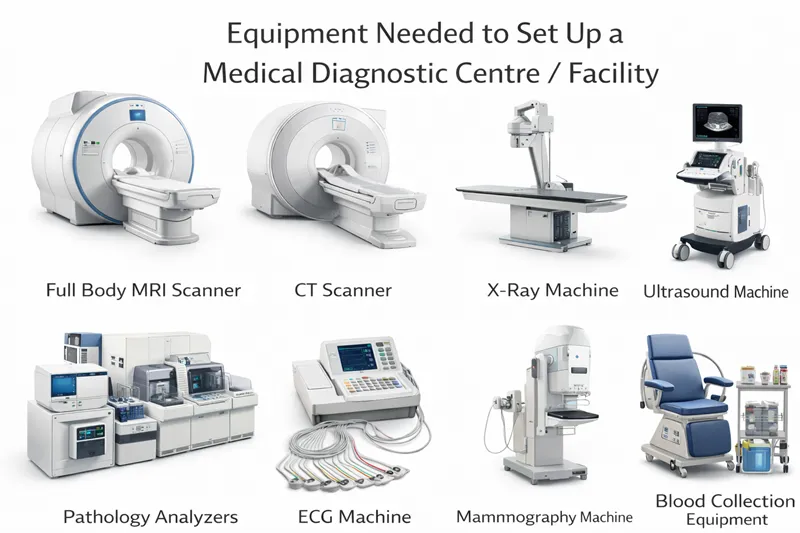
Diagnostics: Diagnostic Devices, Laboratory Equipment & Testing Solutions

Introduction: The Test Result Is Only as Good as the System Behind It
steptodown.com148887 1024x683

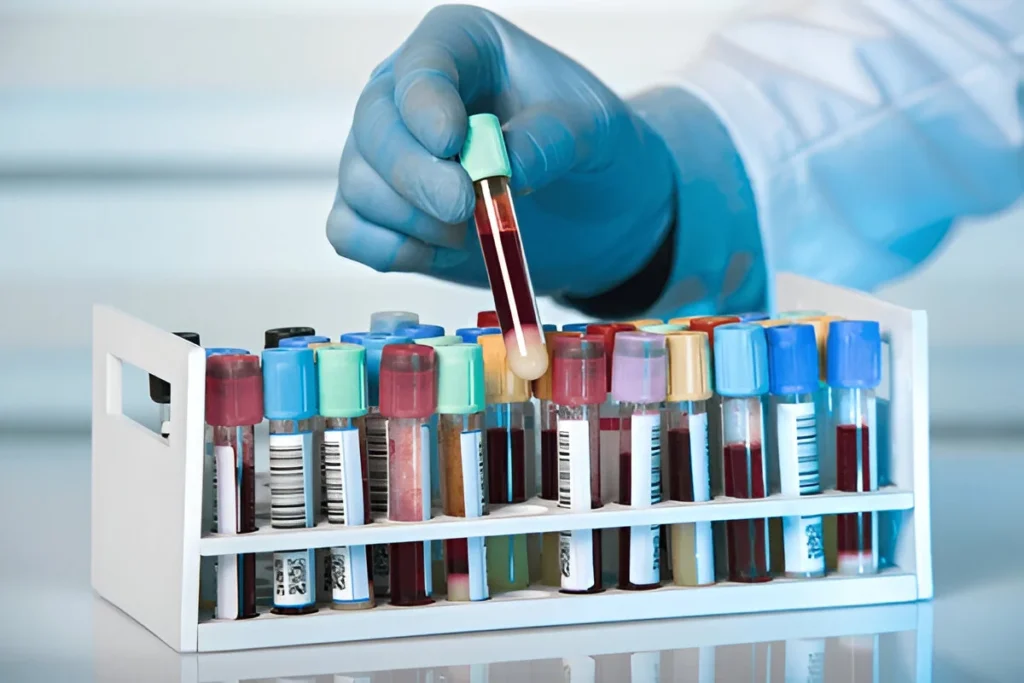
A blood sample can fit into a tiny tube, but the system required to turn that sample into a trustworthy result can be remarkably sophisticated.

Behind a routine CBC, blood glucose test, urine analysis, culture report or molecular test is an entire chain of diagnostic devices, trained professionals, consumables, quality controls, software and laboratory equipment. When even one part of that chain fails, the final result can be delayed, inaccurate or difficult to interpret.

The World Health Organization (WHO) describes diagnostics as fundamental to prevention, screening, diagnosis, treatment monitoring and disease surveillance. It also emphasizes that access to diagnostics must include quality across the entire testing value chain—not simply access to a machine or test kit.

That leads to an important question for hospitals, diagnostic centres, clinics and laboratories:

What makes diagnostic equipment genuinely useful—not merely technologically impressive?

The answer lies in matching the right technology to the clinical workload, test requirements, staff capabilities and quality-management system.


What Are Diagnostic Devices and Testing Solutions?

Diagnostic devices are tools used to detect, measure or monitor physiological conditions and diseases.

They range from simple point-of-care devices to highly automated laboratory systems.

The U.S. FDA defines in-vitro diagnostics (IVDs) as tests performed on samples such as blood or tissue collected from the body. These tests can support disease diagnosis, treatment decisions and health monitoring.

Broadly, diagnostic solutions can be divided into:

  • Laboratory diagnostic equipment
  • Point-of-care testing devices
  • Imaging and physiological diagnostic devices
  • Molecular and genetic testing systems
  • Microbiology equipment
  • Clinical chemistry analyzers
  • Hematology analyzers
  • Immunoassay systems
  • Urine and electrolyte analyzers
  • Sample preparation equipment
  • Laboratory information and data-management systems

The key insight is that these categories are interconnected. A modern analyzer cannot compensate for poor sample collection, incorrect storage or inadequate quality control.


Laboratory Equipment: The Foundation of Diagnostic Testing

A laboratory may have advanced analyzers, but its day-to-day performance depends heavily on supporting laboratory equipment.

This includes everything from centrifuges and microscopes to refrigerators, incubators, pipettes and biosafety equipment.

Essential Laboratory Equipment Categories

EquipmentPrimary ApplicationCommon Laboratory Use
CentrifugeSeparating sample componentsBlood, urine and biochemical testing
MicroscopeVisual examinationHematology, microbiology, pathology
Hematology AnalyzerBlood-cell analysisCBC and differential counts
Biochemistry AnalyzerChemical analysisGlucose, liver and kidney parameters
Immunoassay AnalyzerAntigen/antibody detectionHormones, infections, biomarkers
PCR SystemMolecular detectionInfectious diseases and genetic testing
IncubatorControlled temperature growthMicrobiology and cell-related applications
AutoclaveSterilizationLaboratory instruments and materials
Laboratory RefrigeratorSample/reagent storageTemperature-sensitive materials
Water BathControlled heatingSample preparation and laboratory procedures
PipettesAccurate liquid handlingAlmost every laboratory workflow
Urine AnalyzerUrinalysisRoutine diagnostic testing

Choosing equipment based purely on brand, price or specifications can be misleading. A better approach is to consider the complete workflow.


Diagnostic Devices vs Laboratory Equipment: What’s the Difference?

The terms are often used interchangeably, but they are not identical.

Diagnostic devices are the broader category. They can include equipment used directly on patients, at the point of care or inside laboratories.

Laboratory equipment generally refers to instruments and systems used to process, prepare, analyze or store specimens within laboratory environments.

For example, a glucometer can be considered a diagnostic device used near the patient, while a fully automated chemistry analyzer is laboratory equipment.

WHO’s Essential Diagnostics List recognizes the importance of having appropriate diagnostic technologies available at different levels of healthcare, including primary-care and laboratory settings.

A Simple Comparison

FactorPoint-of-Care DiagnosticsLaboratory Testing
LocationNear patientCentral laboratory
Turnaround timeUsually rapidCan range from minutes to days
Equipment complexityOften lowerModerate to highly sophisticated
Testing volumeUsually low/moderateModerate to very high
Skilled staffMay require limited trainingUsually trained laboratory personnel
ExamplesGlucose meters, rapid testsCBC, chemistry, PCR, immunoassay

Neither approach is universally better.

The right choice depends on the clinical question, urgency, patient population and available infrastructure.


The Most Important Laboratory Equipment Categories

1. Hematology Equipment

Hematology analyzers automate the measurement of blood-cell parameters.

A modern analyzer can provide information such as:

  • Hemoglobin
  • Red blood cell count
  • White blood cell count
  • Platelet count
  • Hematocrit
  • Red-cell indices
  • Differential leukocyte counts

For busy diagnostic centres, automation can improve throughput and reduce repetitive manual work.

However, automation should not eliminate professional oversight. Unexpected results, flags or abnormal patterns may require additional review.


2. Clinical Chemistry Analyzers

Clinical chemistry systems measure substances in biological specimens.

Common parameters include:

  • Glucose
  • Urea
  • Creatinine
  • Bilirubin
  • Liver enzymes
  • Lipids
  • Electrolytes
  • Proteins

For many laboratories, chemistry analyzers are among the highest-utilization instruments, making factors such as reagent availability, throughput, calibration requirements, maintenance and service support particularly important.


3. Microbiology Equipment

Microbiology laboratories need equipment designed around contamination control, culture and organism identification.

Typical equipment includes:

  • Incubators
  • Biological safety cabinets
  • Autoclaves
  • Microscopes
  • Culture systems
  • Colony counters
  • Refrigerators
  • Identification systems

Here, equipment selection is closely linked with biosafety and workflow design. WHO highlights biosafety and biosecurity as integral parts of laboratory quality management.


4. Molecular Diagnostic Equipment

Molecular diagnostics have transformed the detection of infectious diseases and genetic conditions.

PCR-based systems, for example, can detect specific nucleic-acid sequences and are used across infectious disease and molecular testing applications.

More advanced laboratories may also use:

  • Real-time PCR systems
  • Automated nucleic-acid extraction systems
  • Sequencing platforms
  • Molecular amplification systems

The important consideration is not simply buying the newest molecular platform. Laboratories should evaluate test menu, sample volume, reagent availability, turnaround-time requirements and staff competency.


5. Microscopes and Imaging-Based Laboratory Tools

Microscopy remains important despite the rise of automation.

Depending on the specialty, microscopes can support examination of:

  • Blood smears
  • Microorganisms
  • Urine sediments
  • Tissue sections
  • Cellular abnormalities

In many situations, the microscope remains an excellent example of a technology whose value depends heavily on the operator’s expertise.


The Hidden Half of Diagnostics: Sample Management

One of the most overlooked parts of diagnostic testing happens before the sample reaches the analyzer.

Consider a blood sample. Incorrect patient identification, inappropriate collection, inadequate mixing, delayed transportation or unsuitable storage can compromise the test before analysis even begins.

WHO describes laboratory testing as a process involving pre-examination, examination and post-examination stages, all of which require quality management.

This means laboratories should pay attention to:

  • Sample collection
  • Patient identification
  • Labelling
  • Transportation
  • Temperature control
  • Sample acceptance/rejection
  • Centrifugation
  • Storage
  • Result validation
  • Critical-result reporting

WHO’s laboratory quality manual resources specifically include procedures for equipment installation, repair, decontamination, sample labelling, sample acceptance/rejection and result validation.

The lesson: buying an advanced analyzer without fixing sample workflow is like installing a powerful engine in a car with poor brakes.


How to Choose Laboratory Equipment

When evaluating laboratory equipment, use a workflow-first approach.

1. Start With Test Volume

Estimate:

  • Tests per day
  • Peak-hour workload
  • Expected future growth
  • Number of samples per batch
  • Required turnaround time

A small clinic may not need the same automation as a high-volume diagnostic centre.

2. Evaluate Total Cost of Ownership

Purchase price is only the beginning.

Consider:

  • Reagents
  • Consumables
  • Calibration materials
  • Maintenance
  • Service contracts
  • Spare parts
  • Electricity requirements
  • Staff training
  • Downtime costs

A cheaper analyzer can become expensive if reagents are costly or technical support is unreliable.

3. Check Service and Support

A diagnostic instrument that sits unused because a replacement part is unavailable is not a productive asset.

Before purchasing, ask:

  • Is local technical support available?
  • What is the expected response time?
  • Are spare parts readily available?
  • Is installation included?
  • Is operator training provided?
  • What preventive-maintenance schedule is required?

WHO’s maintenance guidance emphasizes proper installation, use and maintenance of equipment as important components of laboratory operations.


Quality Control: Where Reliable Diagnostics Really Begin

A laboratory result should not be considered trustworthy simply because an analyzer generated a number.

Quality systems help determine whether that number can be relied upon.

WHO identifies documentation, standard operating procedures, quality-control samples and external quality assessment as important components of diagnostic quality assurance.

A strong laboratory quality program may include:

  • Internal quality control
  • Calibration
  • Preventive maintenance
  • Standard operating procedures
  • Staff competency assessment
  • Proficiency testing
  • External quality assessment
  • Equipment records
  • Reagent inventory management
  • Corrective and preventive actions

This is one reason accreditation and quality-management systems matter. WHO’s Laboratory Quality Stepwise Implementation tool is designed to help medical laboratories work toward quality systems aligned with ISO 15189 requirements.


Automation Is Valuable—but It Isn’t the Whole Answer

Automation can improve consistency, throughput and efficiency.

But automation introduces its own requirements.

Laboratories need:

  • Compatible consumables
  • Reliable connectivity
  • Software support
  • Data security
  • Trained operators
  • Maintenance plans
  • Backup procedures

The best automation strategy is usually not “automate everything.”

Instead, ask:

Which repetitive steps create the greatest bottleneck or risk?

That question can produce a much better return on investment.


Key Insights for Hospitals, Clinics and Diagnostic Centres

If you are building or upgrading a diagnostic facility, keep these principles in mind:

Buy for the Workflow, Not the Brochure

A long specification sheet does not automatically translate into better clinical performance.

Think Beyond the Machine

Reagents, consumables, service, quality control and staff training can determine whether equipment performs well over several years.

Plan for Growth

An instrument that perfectly matches today’s workload may become a bottleneck as patient volume increases.

Prioritize Interoperability

Where appropriate, consider whether analyzers can integrate with laboratory information systems and other digital infrastructure.

Don’t Ignore Basic Equipment

Reliable centrifuges, refrigerators, pipettes, UPS systems, microscopes and temperature-monitoring devices can be just as important as expensive analyzers.


A Practical Laboratory Equipment Buying Checklist

Before purchasing, ask:

Clinical requirements

  • What tests are required?
  • How frequently are they performed?
  • What turnaround time is expected?

Technical requirements

  • What sample types are supported?
  • What is the throughput?
  • What accuracy and precision specifications apply?
  • What infrastructure is required?

Operational requirements

  • Who will operate the equipment?
  • How much training is needed?
  • How often is maintenance required?

Financial requirements

  • What is the total cost of ownership?
  • What are the reagent and consumable costs?
  • What happens if the equipment is unavailable?

Quality requirements

  • How will calibration and QC be performed?
  • Are appropriate controls available?
  • Can the equipment support the laboratory’s quality system?

The Future of Diagnostics: Smaller, Faster and More Connected

Diagnostic technology is moving in several directions simultaneously.

Testing is becoming increasingly:

  • Automated
  • Decentralized
  • Digitally connected
  • Multiplexed
  • Data-driven
  • Molecular
  • Patient-centric

At the same time, the demand for accessible and reliable testing remains enormous.

WHO’s Essential Diagnostics List is intended to help countries prioritize important in-vitro diagnostics and guide procurement and health-system planning.

The future, therefore, is unlikely to be about one “ultimate” diagnostic machine.

It will be about connected diagnostic ecosystems in which point-of-care devices, laboratory equipment, trained professionals, quality systems and digital information work together.


Conclusion: Invest in the Complete Diagnostic Ecosystem

The smartest diagnostic investment is rarely the instrument with the longest feature list.

It is the solution that fits the laboratory’s workload, staff, infrastructure, quality requirements and long-term goals.

From a basic centrifuge to an automated chemistry analyzer or molecular testing platform, every piece of laboratory equipment contributes to a larger diagnostic pathway.

And that pathway matters because behind every test result is a clinical decision.

For hospitals, clinics, laboratories and diagnostic centres, the goal should therefore be simple:

Choose technology that produces reliable results, supports efficient workflows and remains sustainable long after installation.

If you are planning to establish, expand or upgrade a laboratory, start by mapping your testing workflow before comparing equipment. Explore your requirements, compare specifications and total ownership costs, and consult qualified laboratory professionals before making a purchase.

Have experience choosing diagnostic devices or laboratory equipment for a healthcare facility? Share the challenges you faced and the features that made the biggest difference.

Suggested Related Content

  • Complete Guide to Medical Diagnostic Equipment
  • How to Choose Laboratory Equipment for a New Diagnostic Centre
  • Laboratory Consumables: A Complete Buying Guide
  • Medical Equipment Maintenance Checklist
  • Point-of-Care Testing vs Central Laboratory Testing

Authoritative Resources

For further reading, consult the [WHO laboratory quality-management resources] and the [FDA’s guidance on in-vitro diagnostics].

Leave a Reply

Your email address will not be published. Required fields are marked *

Related Post

image 94162a7b

Buying Guide: How to Choose the Right Medical or Dental Product

Introduction: The Cheapest Product Can Become the Most Expensive Buying a medical or dental product is rarely just a shopping decision. A seemingly small difference in quality can affect clinical performance, infection control, workflow, patient safety, and long-term operating costs. That is why choosing between different medical products and dental products should involve more than comparing prices. A product that costs less initially may require frequent replacement, have poor compatibility, lack technical support, or create additional maintenance expenses. The better question is not, “Which product is cheapest?” It is: “Which product gives me the right combination of safety, performance, reliability, compatibility, and total value for my specific clinical need?” The World Health Organization (WHO) emphasizes the importance of technical specifications and structured procurement when selecting medical devices because proper specifications help healthcare organizations obtain safe, effective and appropriate equipment. Whether you are opening a clinic, upgrading an existing facility, replacing an instrument, or purchasing consumables in bulk, this guide will help you make a more informed decision. Medical Products vs. Dental Products: What Should You Consider? Medical and dental products overlap in some purchasing principles, but their practical requirements can be very different. A blood pressure monitor, for example, may be evaluated primarily for accuracy, ease of use, durability, and calibration. A dental handpiece requires additional attention to speed, torque, ergonomics, compatibility, maintenance, and sterilization. Buying Factor Medical Products Dental Products Primary concern Patient care and clinical performance Clinical performance and dental workflow Key specifications Accuracy, capacity, intended use Size, material, compatibility, precision Infection control Important depending on device Often critical for reusable instruments Compatibility Equipment, accessories, software Dental unit, handpiece, bur, implant or material systems Consumables Gloves, syringes, dressings, etc. Burs, impression materials, composites, files, gloves Maintenance Depends on equipment Particularly important for handpieces and equipment Training May be required for complex devices Important for specialized instruments and systems Documentation IFU, warranty, regulatory information IFU, sterilization instructions, material information The important takeaway is simple: there is no universal “best” healthcare product. There is only the product that is most appropriate for the intended use. 1. Start With the Clinical Need—Not the Brand One of the most common purchasing mistakes is beginning with a brand or product name. Instead, start by defining the problem. Before searching for products, ask: For example, a small dental clinic performing routine restorative procedures may have very different requirements from a multi-specialty dental hospital performing implantology, oral surgery, and endodontics. A useful rule Define the job first. Select the product second. This simple change can prevent unnecessary spending and reduce the risk of buying equipment that looks impressive but does not solve the actual clinical requirement. 2. Check Technical Specifications Carefully A product photograph can tell you what something looks like. It cannot tell you whether it will work properly in your clinic. Technical specifications deserve much more attention. For medical equipment, examine specifications such as: For dental products, consider: WHO specifically recommends considering technical specifications before purchasing medical devices because specifications support better planning for implementation, operation, maintenance, and eventual decommissioning. Don’t buy based on the product title alone. Read the specification sheet and Instructions for Use (IFU). 3. Safety and Regulatory Compliance Come First Healthcare products are not ordinary consumer goods. Depending on their intended use and classification, they may be subject to specific regulatory requirements. For buyers in India, the Central Drugs Standard Control Organisation (CDSCO) regulates medical devices under the Drugs and Cosmetics Act and Medical Devices Rules, 2017. CDSCO also provides information on device classification, licensing and regulatory requirements. India uses a risk-based classification system ranging from: The applicable regulatory requirements depend on the product and its classification. What should buyers verify? Depending on the product, look for: Do not assume that a product is safe simply because it is available for sale online. 4. For Dental Products, Think About Sterilization Before Buying This is one of the most overlooked considerations when purchasing dental instruments. A reusable dental instrument must fit into the clinic’s infection-control workflow—not the other way around. The CDC classifies dental patient-care items according to their infection risk. Critical instruments that penetrate soft tissue or bone should be heat sterilized after each use or discarded. Most heat-tolerant semicritical items should also be heat sterilized. That means sterilization compatibility should be considered before purchase. Ask: Can this product safely undergo the sterilization process required in my clinic? Also check: This is particularly important for dental handpieces. CDC guidance recommends cleaning and heat sterilizing removable dental handpieces between patients and following validated manufacturer instructions. A product that cannot fit safely into your reprocessing workflow may be a poor purchase—even if its initial price looks attractive. 5. Compare Total Cost, Not Just Purchase Price Imagine two dental instruments: Product A: ₹1,000Product B: ₹1,500 At first glance, Product A appears cheaper. But suppose Product A requires replacement every six months while Product B lasts two years and has better after-sales support. The real cost could look very different. Consider the Total Cost of Ownership Cost Factor Questions to Ask Purchase price What is the initial cost? Consumables Does it require proprietary consumables? Maintenance How often does it need servicing? Replacement parts Are parts readily available? Downtime What happens if the device stops working? Training Is special training required? Energy What are the electricity/battery requirements? Warranty What does the warranty actually cover? Lifespan How long is the expected service life? This is particularly important for equipment such as dental chairs, autoclaves, compressors, suction systems, patient monitors, ultrasound equipment, and diagnostic devices. The cheapest product is not necessarily the lowest-cost product. 6. Don’t Ignore Compatibility Compatibility problems can turn a good product into an expensive mistake. Before ordering, verify whether the product works with your existing: For example, buying a device that requires proprietary accessories can create an ongoing dependency that wasn’t obvious at checkout. A simple compatibility checklist can prevent this: Product → Connection → Accessory → Consumable → Software → Workflow If any link fails, stop and verify before purchasing.

6 e1760693811715

Common Mistakes to Avoid When Buying Healthcare Products: A Smart Buyer’s Guide

Buying healthcare products should never feel like a gamble. Yet every day, clinics overspend on low-quality supplies, patients purchase ineffective devices online, and businesses lose money because they focused on price instead of value. Whether you’re stocking a dental clinic, opening a medical practice, or simply buying a blood pressure monitor for your family, one poor purchasing decision can affect safety, treatment outcomes, and long-term costs. This guide breaks down the most common mistakes buyers make—and more importantly, how to avoid them. Instead of generic advice, you’ll learn practical strategies used by experienced healthcare professionals and procurement teams to make confident purchasing decisions. Why buying healthcare products is different from ordinary shopping A stethoscope isn’t just another gadget. A surgical glove isn’t just another disposable item. Healthcare products directly influence patient safety, infection control, diagnostic accuracy, and clinical efficiency. 6 Unlike consumer goods, medical products must meet regulatory standards, maintain consistent quality, and often require compatibility with other equipment. That means the cheapest option is rarely the smartest one. The 10 biggest mistakes buyers make 1. Choosing price over quality Everyone loves saving money—but healthcare is one area where the lowest price often becomes the highest long-term expense. Consider two dental curing lights: Feature Budget model Quality-certified model Initial cost Low Higher Lifespan 1–2 years 5+ years Accuracy Inconsistent Reliable Warranty Limited Comprehensive Maintenance cost High Lower The lesson: Evaluate the total cost of ownership, not just the purchase price. 2. Ignoring certifications and regulatory approvals One of the easiest ways to identify trustworthy healthcare products is by checking certifications. Look for products that comply with relevant standards such as: 6 These certifications don’t guarantee perfection—but they significantly reduce the risk of purchasing poorly manufactured products. Pro tip: Always verify certification claims on the manufacturer’s official website rather than relying solely on marketplace listings. 3. Buying from unverified sellers Online marketplaces have made medical supplies incredibly accessible. Unfortunately, they’ve also made counterfeit products easier to distribute. Warning signs include: A reliable supplier should always provide documentation, invoices, and traceability. 4. Overlooking product compatibility Many buyers purchase devices without checking whether they’ll work with existing equipment. Examples include: Before ordering, create a compatibility checklist with: Checkpoint Why it matters Brand compatibility Prevents fitting issues Model number Ensures correct replacement Connector type Avoids operational failure Software version Important for digital devices 5. Ignoring expiry dates and shelf life This mistake is surprisingly common among clinics buying in bulk. Products with limited shelf life include: Buying excessive quantities may reduce unit costs—but expired inventory becomes pure waste. A smarter inventory approach 6. Skipping user reviews—but trusting them blindly Reviews are valuable, but they require interpretation. Look for patterns instead of individual opinions. Helpful reviews mention: Avoid reviews that only say “Good product” or “Nice quality.” 7. Forgetting after-sales support Medical equipment eventually needs servicing. Before purchasing, ask: A slightly more expensive supplier with excellent support often saves thousands later. 8. Buying in bulk without analyzing usage Bulk discounts are attractive—but unused inventory ties up capital. A simple purchasing formula works well: Optimal Order≈Monthly Usage×(Lead Time+Safety Stock)Optimal\ Order \approx Monthly\ Usage \times (Lead\ Time + Safety\ Stock)Optimal Order≈Monthly Usage×(Lead Time+Safety Stock) For example: Product Monthly usage Suggested stock Examination gloves 2,000 pairs 4,500 pairs Surgical masks 1,500 units 3,200 units Dental composite 60 syringes 140 syringes This approach balances availability with cash flow. 9. Ignoring infection control requirements Not all healthcare products meet the same hygiene standards. 6 Pay close attention to: Infection prevention begins long before patient treatment—it starts with purchasing. 10. Not asking the right questions before buying Experienced buyers ask questions that beginners rarely consider. Ask suppliers these 8 questions Question Why it matters Is this product certified? Ensures compliance What’s the warranty? Protects investment Are consumables easily available? Prevents downtime What’s the manufacturing date? Maximizes shelf life Can I see clinical documentation? Validates performance Is training included? Improves adoption What’s the replacement policy? Reduces purchasing risk Do you offer technical support? Ensures long-term reliability Comparing smart buyers vs impulsive buyers Smart buyer Impulsive buyer Researches certifications Buys based on discounts Compares total ownership cost Focuses only on price Checks compatibility Assumes everything fits Reviews supplier credibility Chooses unknown sellers Plans inventory Overstock purchases Prioritizes patient safety Prioritizes immediate savings The difference isn’t experience—it’s process. A practical buying checklist Before placing your next order, use this checklist: Verify certifications and regulatory approvals. Compare quality, warranty, and long-term costs. Confirm compatibility with existing equipment. Review expiry dates for consumables. Buy only from authorized or reputable suppliers. Evaluate after-sales support and spare parts. Analyze inventory usage before bulk purchasing. Keep documentation for traceability and audits. Print it, laminate it, and keep it near your procurement desk. The hidden cost of a “cheap” healthcare product A procurement manager once shared an insightful lesson after purchasing inexpensive examination gloves from an unfamiliar supplier. The gloves saved nearly 18% initially. Within weeks: The final cost exceeded what they would have paid originally. The takeaway? Quality compounds just like savings do. Conclusion: Buy with confidence, not just convenience The healthcare industry rewards thoughtful purchasing. Whether you’re sourcing medical equipment for a hospital, consumables for a dental clinic, or home monitoring devices for your family, every buying decision should balance quality, safety, compliance, and long-term value. Avoiding these common mistakes won’t just save money—it will improve patient outcomes, reduce operational headaches, and build trust in every healthcare setting. Frequently Asked Questions How can I verify whether healthcare products are genuine? Check the manufacturer’s website, verify batch numbers, confirm regulatory approvals, and purchase from authorized distributors whenever possible. Is buying healthcare products online safe? Yes—provided you buy from reputable platforms or authorized sellers that provide certification, invoices, and warranty support. Why are certified medical products more expensive? Certification involves rigorous quality management, testing, documentation, and compliance, which increases manufacturing costs but improves reliability and safety. Should clinics always buy in bulk? Not necessarily. Purchase quantities should reflect monthly consumption, lead time, and product shelf life rather than discounts alone. Related content (Internal links) Trusted resources For

pZCowIMaqVrDPEb0fu6g2uEjM0QLjITEQXyfnlud

How to Choose the Right Diagnostic Equipment: A Complete Guide for Healthcare Professionals

Introduction: The Best Diagnostic Equipment Is Not Always the Most Advanced A new diagnostic device can look impressive on a product brochure: sharper images, faster processing, more features, and a long list of technical specifications. But healthcare professionals know that a machine can be technologically impressive and still be the wrong choice for a particular clinic, laboratory, or hospital. The real question is not, “Which Diagnostic Equipment has the most features?” It is “Which equipment will reliably help us make better clinical decisions in our actual working environment?” That distinction matters. A small outpatient clinic may benefit more from a dependable, easy-to-maintain point-of-care analyser than a sophisticated system that requires specialist training. A busy hospital laboratory may prioritize throughput and automation. A rural facility may place greater value on portability, battery backup, and service availability. The World Health Organization (WHO) recommends considering medical equipment across its entire lifecycle—from needs assessment and procurement to installation, training, maintenance, and eventual decommissioning. In other words, buying Diagnostic Equipment is not simply a purchasing decision. It is a clinical, operational, financial, and patient-safety decision. What Counts as Diagnostic Equipment? Diagnostic Equipment includes devices and systems used to detect, measure, monitor, or help identify disease and health conditions. Depending on the healthcare setting, this can include: IVDs are particularly important because they include reagents, instruments, and systems used to examine specimens taken from the human body for diagnostic purposes. The right choice depends heavily on what you need to diagnose, where testing occurs, who operates the equipment, and how the results will influence patient care. Step 1: Start With the Clinical Need, Not the Brand One of the most common purchasing mistakes is beginning with a product catalogue. Instead, begin with a clinical question: What diagnostic problem are we trying to solve? For example, if a primary-care clinic wants to improve cardiovascular assessment, the requirement might include ECG capability, blood pressure measurement, pulse oximetry, and reliable patient monitoring. A laboratory may instead need an analyser capable of handling a particular sample type, test menu, daily workload, and turnaround time. Ask these questions first: This needs-based approach aligns with WHO procurement guidance, which emphasizes selecting equipment appropriate for the intended setting, users, and testing requirements rather than simply choosing products based on price. Step 2: Compare Accuracy, Precision, and Clinical Performance A device may produce results quickly, but speed means little if those results are unreliable. When comparing Diagnostic Equipment, look beyond marketing claims and investigate: Accuracy How close are measurements or test results to the accepted reference value? Precision Does the equipment provide consistent results when the same sample or measurement is repeated? Sensitivity and specificity For diagnostic tests, these characteristics can be critical because they influence the likelihood of detecting a condition correctly. Reproducibility Can comparable results be achieved across operators, locations, and repeated tests? Validation evidence Look for credible clinical or performance evidence rather than relying exclusively on manufacturer claims. For laboratory and IVD equipment, performance evaluation, quality control, and regulatory requirements deserve particular attention. In India, IVDs are regulated under the Medical Devices Rules, 2017 and classified according to risk. Step 3: Check Regulatory Compliance A diagnostic device should not enter a healthcare environment simply because it is available commercially. Regulatory status matters because medical devices are subject to requirements concerning safety, performance, quality, labelling, manufacturing, and post-market monitoring. For healthcare organizations in India, the Central Drugs Standard Control Organisation (CDSCO) provides regulatory information concerning medical devices and diagnostics. India regulates medical devices under the Drugs and Cosmetics Act and the Medical Devices Rules, 2017. Check CDSCO medical-device and diagnostic guidance Healthcare buyers should verify, where applicable: For international procurement, the applicable regulatory authority will depend on the market in which the equipment is being purchased and used. The FDA, for example, regulates medical devices marketed in the United States. FDA medical-device regulatory overview Step 4: Evaluate Total Cost of Ownership The purchase price is only the beginning. Consider the total cost of ownership (TCO) over the expected working life of the device. Cost Factor What to Consider Initial purchase Device, accessories, installation Consumables Reagents, electrodes, probes, cartridges Maintenance Preventive and corrective servicing Calibration Frequency and certification costs Training Initial and refresher training Software Licences, updates, subscriptions Infrastructure Power, networking, space, ventilation Downtime Lost testing capacity and clinical delays Replacement Parts, batteries, sensors and accessories Disposal Decommissioning and end-of-life requirements This is where an apparently inexpensive device can become expensive. For example, an analyser with a low purchase price but proprietary consumables and frequent service requirements may cost considerably more over five years than a higher-priced system with predictable operating costs. WHO’s recent health technology assessment guidance emphasizes evaluating the clinical, economic, organizational, and broader implications of health technologies before adoption. Step 5: Match the Equipment to Your Workflow A technically excellent device can still fail operationally if it slows down the people using it. Consider the entire patient journey: Patient registration → sample collection → testing → result generation → interpretation → reporting → clinical action Ask where the proposed equipment fits into this workflow. For high-volume facilities, prioritize: For smaller clinics, prioritize: The best Diagnostic Equipment is often the device that creates the least friction between testing and clinical decision-making. Step 6: Don’t Underestimate Connectivity Modern diagnostic equipment increasingly produces digital data, making connectivity an important purchasing criterion. Before buying, determine whether the device can integrate with: Also ask about data export formats, user permissions, audit trails, software updates, and cybersecurity. This is especially important as diagnostic equipment becomes increasingly software-driven. The FDA’s current medical-device guidance includes specific attention to cybersecurity and software assurance as part of modern device quality and regulatory considerations. A machine that generates excellent results but creates manual data-entry work may introduce a new source of error. Step 7: Assess Training and Usability A diagnostic device is only as effective as the people operating it. During evaluation, involve actual users—not only procurement teams. Ask nurses, laboratory technicians, radiographers, physicians, biomedical engineers, and other relevant staff