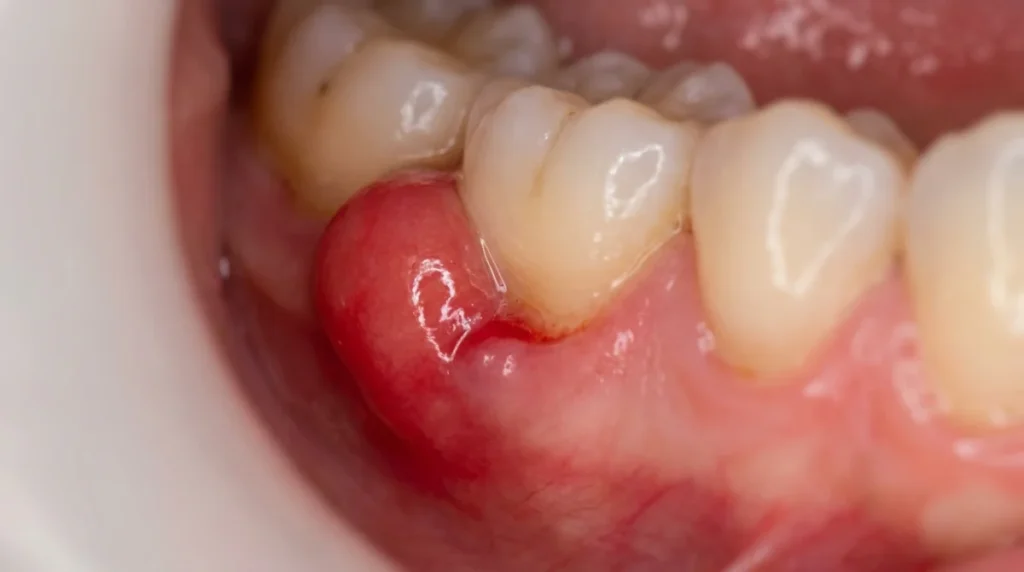
Category: Dental — Endodontics | Medical Specialist: Dentist; endodontist | References: American Association of Endodontists (AAE); ADA; NIDCR A tooth can look quiet on an X-ray and still be sitting on top of a long-standing infection. Then, almost seemingly overnight, the same tooth can become intensely painful, swollen, and extremely sensitive to biting. This sudden change is one reason dentists use the term Phoenix Abscess. A Phoenix Abscess refers to an acute exacerbation of a pre-existing chronic apical/periapical lesion. In other words, an infection that has been relatively silent becomes acutely inflamed and symptomatic. The clinical picture can resemble an acute apical abscess, but the important clue is often the evidence of an older periapical lesion on imaging. This distinction is more than terminology. It helps explain why a patient may say, “This tooth didn’t hurt yesterday,” even though disease around its root may have been developing for months or longer. Important: A Phoenix Abscess requires professional dental evaluation. Facial swelling, fever, difficulty swallowing, difficulty breathing, or rapidly spreading swelling can indicate a serious dental infection requiring urgent care. What Is a Phoenix Abscess? A Phoenix Abscess is generally described as the acute flare-up of an existing chronic apical inflammatory lesion associated with a non-vital or infected tooth. The process usually begins inside the tooth. Deep decay, trauma, cracks, or previous dental treatment can damage or kill the pulp. Once the pulp becomes necrotic, bacteria can colonize the root canal system. Bacterial products and inflammatory mediators can then move through the root tip into the surrounding tissues. The body’s immune system attempts to contain this infection around the root. Over time, a chronic periapical lesion may develop, sometimes with few or no noticeable symptoms. Then the balance can change. An increase in bacterial activity, changes in drainage, or other local factors can trigger an acute inflammatory response. Pain and swelling may suddenly appear. This acute flare-up is what is commonly called a Phoenix Abscess. Why the name “Phoenix”? The name is a memorable metaphor: a previously quiet lesion appears to “rise again” with acute symptoms. However, Phoenix Abscess is a descriptive clinical term rather than a universally used formal diagnostic category. Modern endodontic diagnosis generally focuses on specific pulpal and apical diagnoses such as pulp necrosis, symptomatic apical periodontitis, and acute apical abscess. The patient’s history and radiographic findings help clinicians understand whether an acute presentation represents an exacerbation of an older lesion. Phoenix Abscess vs Acute Apical Abscess These conditions can look remarkably similar clinically, which is why diagnosis should not rely on symptoms alone. Feature Phoenix Abscess Acute Apical Abscess Underlying disease Pre-existing chronic apical lesion May develop as a new acute infection Onset Sudden flare-up of an existing lesion Usually rapid Pain Often severe and spontaneous Often severe and spontaneous Swelling Common Common Tooth vitality Usually non-vital Usually non-vital Percussion sensitivity Common Common Periapical radiolucency Often already visible May be absent in very early disease Key diagnostic clue Evidence/history of previous chronic apical disease Acute clinical presentation without established chronic lesion A particularly useful insight is that an early acute apical infection may not immediately produce obvious bone destruction on an X-ray. Conversely, a visible periapical radiolucency suggests that the inflammatory process has existed long enough to produce detectable changes in the surrounding bone. So the radiograph is not simply a picture of “where the abscess is.” It can provide clues about how long the disease has been developing. What Causes a Phoenix Abscess? The underlying problem is usually an infected or necrotic pulp and an established periapical lesion. Common contributing causes include: 1. Untreated Dental Caries Deep tooth decay can penetrate through enamel and dentin and eventually reach the pulp. Initially, this may cause sensitivity or toothache. If the pulp becomes irreversibly inflamed and eventually dies, bacteria can establish themselves inside the root canal system. 2. Previous Dental Trauma A tooth can lose pulp vitality after an injury even when the crown looks relatively normal. This is particularly important with teeth that have experienced a previous blow, sports injury, fall, or accident. 3. Incomplete or Failed Root Canal Treatment A previously treated tooth can occasionally develop persistent or recurrent infection because of missed anatomy, inadequate disinfection, leakage, or reinfection. This does not mean every painful tooth after root canal treatment has a Phoenix Abscess. A dentist or endodontist needs to evaluate the tooth, treatment history, clinical findings, and imaging together. 4. Bacterial Re-activation of a Chronic Lesion A chronic apical lesion can remain relatively quiet before becoming acutely inflamed. Research on acute apical abscesses recognizes that acute symptoms can arise from an exacerbation of a previously chronic, often asymptomatic, periapical condition. Phoenix Abscess Symptoms The symptoms can appear suddenly and may be surprisingly intense. Typical signs and symptoms include: Acute apical infections commonly cause pain, swelling, and percussion sensitivity. More serious infections can produce fever, fatigue, lymph node enlargement, or spread into deeper facial and neck spaces. Can a Phoenix Abscess hurt after being painless? Yes. That is actually one of the most confusing features for patients. A chronic periapical lesion may produce little or no discomfort. When the inflammatory process becomes acute, the patient’s experience can change dramatically. A useful way to think about it is: Silent lesion → inflammatory flare-up → pressure and tissue inflammation → sudden pain and swelling. The absence of earlier pain therefore does not necessarily mean the tooth was healthy. How Is a Phoenix Abscess Diagnosed? Diagnosis usually combines several pieces of information rather than relying on one test. Dental history Your dentist may ask: This history can be particularly valuable when distinguishing a newly developed acute infection from an exacerbation of a pre-existing lesion. Clinical examination The dentist may examine: Pulp sensibility testing Because the affected tooth is generally associated with pulp necrosis, the dentist may perform cold or electrical pulp testing and compare the response with neighboring teeth. Dental X-rays Periapical radiographs are important because they can reveal a radiolucency around the root apex, widening of the
Month: August 2026
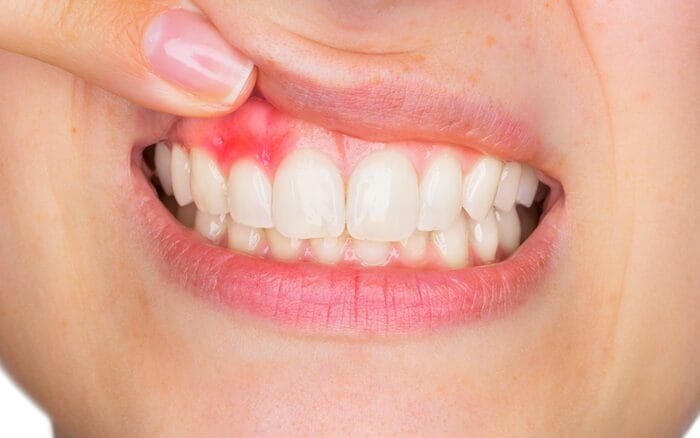
Category: Dental — Periodontal | Medical Specialist: Dentist; periodontist | References: American Dental Association (ADA); American Academy of Periodontology (AAP); NIDCR Introduction: When Bleeding Gums Are Trying to Tell You Something You brush your teeth, spit into the sink—and notice a little pink in the foam. It is easy to think, “I probably brushed too hard.” But if bleeding happens repeatedly, your gums may be sending you an important warning. Gingivitis is the earliest and generally reversible form of gum disease. It occurs when plaque—a sticky film containing bacteria—builds up around the teeth and irritates the gum tissue. Common signs include redness, swelling, tenderness and bleeding during brushing or cleaning between the teeth. The encouraging part is that gingivitis does not have to become a long-term dental problem. With appropriate oral hygiene and professional care when necessary, inflamed gums can often return to a healthier state. The mistake is not noticing gingivitis. The bigger mistake is noticing it and assuming it will simply disappear. Quick takeaway: Healthy gums generally should not bleed regularly during routine brushing or interdental cleaning. Persistent bleeding deserves attention. What Is Gingivitis? Gingivitis is inflammation of the gingiva—the soft tissue surrounding and supporting the teeth. The most common trigger is dental plaque. When plaque is not removed effectively, it accumulates along the gumline. Bacteria and their by-products can trigger an inflammatory response, causing the gums to become red, swollen and prone to bleeding. Importantly, gingivitis is different from advanced periodontal disease. In uncomplicated gingivitis, inflammation occurs without the attachment and bone destruction characteristic of periodontitis. That distinction matters because early action can prevent a relatively manageable problem from progressing. Gingivitis vs Periodontitis: What Is the Difference? People often use “gum disease” as if it describes one condition. In reality, gum problems exist on a spectrum. Feature Gingivitis Periodontitis Main problem Gum inflammation Inflammation with destruction of supporting tissues Typical signs Red, swollen or bleeding gums Bleeding, gum recession, pockets, possible loose teeth Bone loss Generally absent May occur Reversible? Usually reversible with appropriate care Damage may require more complex treatment Typical management Improved plaque control and professional cleaning when needed Periodontal treatment, deeper cleaning and sometimes surgery Importance of early care Very high Critical to control disease progression The American Dental Association explains that when disease progresses beyond gingivitis, plaque can become trapped in periodontal pockets that are difficult to clean with ordinary brushing. Advanced gum disease can ultimately contribute to bone and tooth loss. The practical lesson: bleeding gums are not something to panic about—but they are something to investigate. What Causes Gingivitis? 1. Plaque buildup The primary cause is inadequate removal of plaque around the teeth and gumline. Plaque continuously forms, so oral hygiene is not a “clean once and you’re done” process. If plaque remains in place, it can irritate gingival tissue. Over time, plaque can also harden into tartar (calculus), which cannot be removed effectively with ordinary brushing and requires professional cleaning. 2. Inconsistent interdental cleaning A toothbrush cannot adequately clean every surface between tightly positioned teeth. Floss, interdental brushes and other interdental cleaners can help reach these areas. The ADA recommends cleaning between teeth daily, with the specific method selected according to individual needs. 3. Smoking and tobacco use Smoking is an important risk factor for gum disease. Tobacco can affect oral tissues and make maintaining healthy gums more difficult. Stopping tobacco use is therefore not simply a general health recommendation—it is also part of protecting periodontal health. 4. Hormonal changes Hormonal changes can make gum tissues more susceptible to inflammation. Pregnancy, for example, can be associated with increased gum sensitivity and inflammation. This is one reason pregnancy should not mean skipping dental appointments. Instead, oral hygiene may need extra attention during hormonal changes. 5. Diabetes and other health factors Diabetes is associated with an increased risk of gum disease. Genetics, certain medications, stress, nutrition and other medical factors may also influence periodontal health. This highlights an important point: gingivitis is not always simply a matter of brushing “better.” Your overall health and circumstances can influence your gums too. Symptoms of Gingivitis Gingivitis can be surprisingly subtle. Pain is not always present, which is why some people ignore it. Common symptoms include: The NHS lists bleeding, redness, swelling and soreness among common symptoms of gum disease and advises dental assessment when these problems persist. Is bleeding while brushing normal? Occasional irritation can happen, especially if you have recently changed your cleaning routine. But repeated gum bleeding should not simply be accepted as normal. A useful mindset is to treat bleeding as information. Instead of thinking, “My gums always bleed,” ask: “Why are my gums bleeding, and what can I change?” That small change in thinking can encourage earlier dental care. What Increases Your Risk? Several factors can increase susceptibility to gum inflammation. Risk factor Why it matters Poor plaque control Allows bacterial plaque to remain around the gums Tobacco use Increases risk of gum disease Diabetes Can increase susceptibility to periodontal problems Hormonal changes May increase gum sensitivity and inflammation Certain medications Some can produce oral side effects Crooked or crowded teeth Can make plaque removal more difficult Poor nutrition May affect overall oral and systemic health Stress Can indirectly affect oral hygiene and health behaviours Not everyone with a risk factor develops gingivitis, and someone without obvious risk factors can still develop it. How Is Gingivitis Diagnosed? A dentist or dental hygienist usually begins with a clinical examination. They may look for: If deeper periodontal disease is suspected, additional assessment—including dental X-rays—may be appropriate. The goal is not merely to label the condition. The goal is to determine how far the problem has progressed and what treatment is appropriate. Gingivitis Treatment: What Actually Helps? 1. Improve daily plaque removal For uncomplicated gingivitis, improving oral hygiene is usually central to treatment. The basic routine should include: The ADA notes that both manual and powered toothbrushes can be effective for plaque removal and reducing gingivitis when appropriately used. 2. Professional dental
Category: Pediatrics | Medical Specialist: Pediatrician; pediatric subspecialist as indicated | References: American Academy of Pediatrics (AAP); WHO; CDC Introduction: When a Swollen Cheek Is More Than a Simple Infection A child develops a fever, feels unusually tired, and wakes up with one side of the face looking swollen. At first, it may seem like a dental problem, swollen lymph node, or ordinary viral infection. But when the swelling appears around the jaw and ears, mumps disease should be considered. Mumps is a contagious viral infection best known for causing painful swelling of the salivary glands, particularly the parotid glands located below and in front of the ears. Although most people recover completely, mumps should not be dismissed as merely a childhood illness. It can occasionally cause complications involving the brain, hearing, pancreas, ovaries, or testes. The encouraging news is that mumps is largely preventable through vaccination. Understanding how it spreads, recognizing its characteristic symptoms, and knowing when medical assessment is necessary can help protect both individuals and communities. What Is Mumps Disease? Mumps is an acute viral infection caused by the mumps virus, a paramyxovirus. Humans are the only known natural host for the virus. It primarily affects the salivary glands, producing the classic swollen-cheek appearance known as parotitis. The infection spreads through respiratory droplets and close contact with an infected person. Coughing, sneezing, talking, or sharing items contaminated with respiratory secretions can facilitate transmission. The incubation period is usually around 16–18 days, although symptoms can develop anywhere from approximately 12 to 25 days after exposure. One reason mumps can be difficult to recognize is that not everyone develops the textbook swollen jaw. Some infections produce mild, nonspecific symptoms—or no noticeable symptoms at all. WHO notes that roughly one-third of infected people may have no symptoms or signs. How Does Mumps Spread? Mumps is particularly effective at spreading when people spend considerable time in close contact. Transmission can occur through: A person with mumps can be infectious around the time salivary-gland swelling begins. CDC guidance recommends isolation for 5 days after the onset of parotitis to reduce transmission. This is one reason simply “waiting to see whether the swelling gets better” while continuing normal school or work activities can be a poor strategy. Mumps Symptoms: What Should You Look For? Mumps symptoms don’t necessarily appear all at once. In many cases, general viral symptoms appear first, followed by the characteristic facial swelling. Early Symptoms Several days before salivary-gland swelling, a person may experience: These symptoms can easily resemble influenza or another viral infection. The Classic Symptom: Swollen Salivary Glands The most recognizable feature of mumps is painful swelling around the cheeks, jaw, and area below the ears. The swelling may: Importantly, approximately one-quarter of patients may have swelling on only one side, so bilateral facial swelling is not required for mumps. Some people may also have swelling of the submandibular or sublingual salivary glands. Mumps vs Other Causes of Facial Swelling A swollen cheek doesn’t automatically mean mumps. Dental infections, lymph-node enlargement, salivary-gland disorders, and other viral infections can produce similar symptoms. Feature Mumps Dental Abscess Enlarged Lymph Node Main cause Virus Usually bacterial infection Often infection/inflammation Typical location Around cheek, jaw and ear Near affected tooth/gum Neck or under jaw Fever Common May occur Possible Salivary-gland swelling Characteristic Usually absent Not typical Toothache Usually absent Common Usually absent Contagious Yes Generally not person-to-person Depends on underlying cause Antibiotics Do not treat the virus Often required Depends on cause This comparison is useful, but it is not a substitute for clinical diagnosis. Mumps can sometimes occur without classic parotid swelling, and other illnesses can mimic it. CDC recommends laboratory evaluation when mumps is suspected. How Is Mumps Diagnosed? Diagnosis starts with the person’s symptoms, vaccination history, exposure history, and physical examination. Because several conditions can cause parotitis, healthcare professionals may use laboratory testing to confirm suspected cases. CDC recommends collecting a buccal specimen for RT-PCR testing. Depending on when the patient presents and the clinical situation, blood testing for IgM may also be used. Importantly, a negative test does not always completely exclude mumps, particularly in vaccinated people. If you suspect mumps, call the healthcare facility before arriving rather than sitting in a crowded waiting room. This allows staff to take appropriate infection-control precautions. Mumps Disease Treatment: What Actually Helps? There is no specific antiviral treatment routinely used to eliminate mumps. Because mumps is caused by a virus, antibiotics do not treat the infection. Treatment generally focuses on relieving symptoms while the immune system clears the virus. Supportive Care May Include Hydration is particularly important when chewing and swallowing are uncomfortable. A practical tip is to choose foods that require minimal chewing—such as soups, yogurt, soft rice, mashed vegetables, or other suitable soft foods—while avoiding acidic foods if they increase salivary-gland pain. How Long Does Mumps Last? Mumps is generally self-limiting. Most people recover completely within about two weeks, although the duration and intensity of symptoms vary. Parotid swelling commonly lasts several days. The fact that mumps usually resolves on its own does not mean that every case should be ignored. The more important questions are: Is the diagnosis correct? Are complications developing? And is the infected person still capable of spreading the virus to others? Those questions matter particularly for teenagers and adults, who can experience certain complications more frequently than younger children. Complications of Mumps Most people recover without lasting problems, but complications can occur. 1. Orchitis In adolescent and adult males, mumps can cause orchitis, an inflammation of the testicles. It can result in significant pain and swelling. Although concerns about infertility are common, severe long-term fertility problems are not inevitable. Nevertheless, testicular pain or swelling during suspected mumps warrants medical assessment. 2. Meningitis and Encephalitis Mumps can occasionally affect the nervous system. Possible complications include: These complications are uncommon but potentially serious. 3. Hearing Loss Rarely, mumps can cause sensorineural hearing loss. Because hearing problems may not always be obvious immediately, new hearing changes
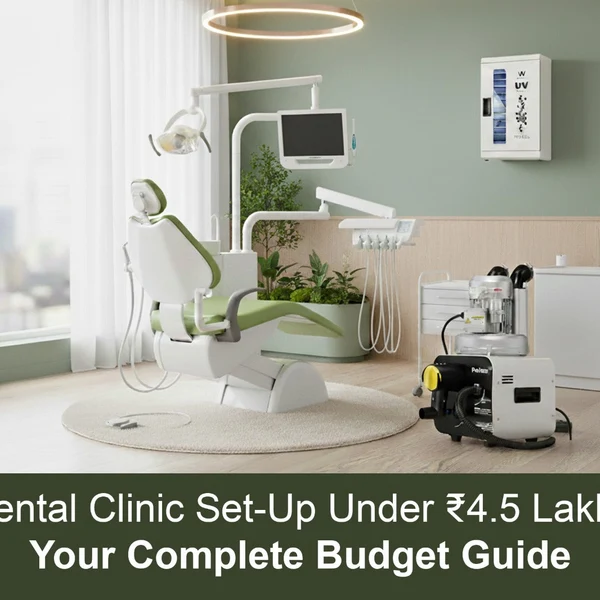
Introduction: The Cheapest Product Can Become the Most Expensive Buying a medical or dental product is rarely just a shopping decision. A seemingly small difference in quality can affect clinical performance, infection control, workflow, patient safety, and long-term operating costs. That is why choosing between different medical products and dental products should involve more than comparing prices. A product that costs less initially may require frequent replacement, have poor compatibility, lack technical support, or create additional maintenance expenses. The better question is not, “Which product is cheapest?” It is: “Which product gives me the right combination of safety, performance, reliability, compatibility, and total value for my specific clinical need?” The World Health Organization (WHO) emphasizes the importance of technical specifications and structured procurement when selecting medical devices because proper specifications help healthcare organizations obtain safe, effective and appropriate equipment. Whether you are opening a clinic, upgrading an existing facility, replacing an instrument, or purchasing consumables in bulk, this guide will help you make a more informed decision. Medical Products vs. Dental Products: What Should You Consider? Medical and dental products overlap in some purchasing principles, but their practical requirements can be very different. A blood pressure monitor, for example, may be evaluated primarily for accuracy, ease of use, durability, and calibration. A dental handpiece requires additional attention to speed, torque, ergonomics, compatibility, maintenance, and sterilization. Buying Factor Medical Products Dental Products Primary concern Patient care and clinical performance Clinical performance and dental workflow Key specifications Accuracy, capacity, intended use Size, material, compatibility, precision Infection control Important depending on device Often critical for reusable instruments Compatibility Equipment, accessories, software Dental unit, handpiece, bur, implant or material systems Consumables Gloves, syringes, dressings, etc. Burs, impression materials, composites, files, gloves Maintenance Depends on equipment Particularly important for handpieces and equipment Training May be required for complex devices Important for specialized instruments and systems Documentation IFU, warranty, regulatory information IFU, sterilization instructions, material information The important takeaway is simple: there is no universal “best” healthcare product. There is only the product that is most appropriate for the intended use. 1. Start With the Clinical Need—Not the Brand One of the most common purchasing mistakes is beginning with a brand or product name. Instead, start by defining the problem. Before searching for products, ask: For example, a small dental clinic performing routine restorative procedures may have very different requirements from a multi-specialty dental hospital performing implantology, oral surgery, and endodontics. A useful rule Define the job first. Select the product second. This simple change can prevent unnecessary spending and reduce the risk of buying equipment that looks impressive but does not solve the actual clinical requirement. 2. Check Technical Specifications Carefully A product photograph can tell you what something looks like. It cannot tell you whether it will work properly in your clinic. Technical specifications deserve much more attention. For medical equipment, examine specifications such as: For dental products, consider: WHO specifically recommends considering technical specifications before purchasing medical devices because specifications support better planning for implementation, operation, maintenance, and eventual decommissioning. Don’t buy based on the product title alone. Read the specification sheet and Instructions for Use (IFU). 3. Safety and Regulatory Compliance Come First Healthcare products are not ordinary consumer goods. Depending on their intended use and classification, they may be subject to specific regulatory requirements. For buyers in India, the Central Drugs Standard Control Organisation (CDSCO) regulates medical devices under the Drugs and Cosmetics Act and Medical Devices Rules, 2017. CDSCO also provides information on device classification, licensing and regulatory requirements. India uses a risk-based classification system ranging from: The applicable regulatory requirements depend on the product and its classification. What should buyers verify? Depending on the product, look for: Do not assume that a product is safe simply because it is available for sale online. 4. For Dental Products, Think About Sterilization Before Buying This is one of the most overlooked considerations when purchasing dental instruments. A reusable dental instrument must fit into the clinic’s infection-control workflow—not the other way around. The CDC classifies dental patient-care items according to their infection risk. Critical instruments that penetrate soft tissue or bone should be heat sterilized after each use or discarded. Most heat-tolerant semicritical items should also be heat sterilized. That means sterilization compatibility should be considered before purchase. Ask: Can this product safely undergo the sterilization process required in my clinic? Also check: This is particularly important for dental handpieces. CDC guidance recommends cleaning and heat sterilizing removable dental handpieces between patients and following validated manufacturer instructions. A product that cannot fit safely into your reprocessing workflow may be a poor purchase—even if its initial price looks attractive. 5. Compare Total Cost, Not Just Purchase Price Imagine two dental instruments: Product A: ₹1,000Product B: ₹1,500 At first glance, Product A appears cheaper. But suppose Product A requires replacement every six months while Product B lasts two years and has better after-sales support. The real cost could look very different. Consider the Total Cost of Ownership Cost Factor Questions to Ask Purchase price What is the initial cost? Consumables Does it require proprietary consumables? Maintenance How often does it need servicing? Replacement parts Are parts readily available? Downtime What happens if the device stops working? Training Is special training required? Energy What are the electricity/battery requirements? Warranty What does the warranty actually cover? Lifespan How long is the expected service life? This is particularly important for equipment such as dental chairs, autoclaves, compressors, suction systems, patient monitors, ultrasound equipment, and diagnostic devices. The cheapest product is not necessarily the lowest-cost product. 6. Don’t Ignore Compatibility Compatibility problems can turn a good product into an expensive mistake. Before ordering, verify whether the product works with your existing: For example, buying a device that requires proprietary accessories can create an ongoing dependency that wasn’t obvious at checkout. A simple compatibility checklist can prevent this: Product → Connection → Accessory → Consumable → Software → Workflow If any link fails, stop and verify before purchasing.
Introduction: Healthcare Is Becoming Smarter, Not Just More Digital Imagine a doctor reviewing a patient’s medical history while an AI system highlights potential warning signs, a wearable continuously monitors vital signs from home, and a virtual consultation connects the patient to a specialist hundreds of kilometres away. This is no longer science fiction. Artificial intelligence in healthcare is becoming part of everyday clinical workflows, while telemedicine, connected medical devices, robotics, cloud computing, predictive analytics and digital health platforms are changing how healthcare is delivered. The shift is significant. An American Medical Association survey published in 2026 found that 81% of physicians surveyed reported using AI professionally, with applications ranging from summarizing medical research to documentation and patient communication. But the most important healthcare technology trend isn’t simply “more technology.” It is the movement from reactive healthcare toward predictive, personalized and continuously connected care. The question for hospitals, clinics, healthcare professionals and patients is therefore changing from “Will technology transform healthcare?” to “How can we adopt it responsibly and make it genuinely useful?” The Biggest Healthcare Technology Trends Shaping Modern Medicine Healthcare innovation is happening across several connected areas. Some technologies support clinicians directly, while others improve how patients monitor and manage their health. Technology Main Application Potential Impact Artificial intelligence Diagnosis, documentation, prediction and decision support Faster and more data-driven care Generative AI Clinical documentation, research and patient communication Reduces administrative workload Telemedicine Remote consultation and follow-up Expands access to specialists Wearable devices Continuous health monitoring Earlier detection and prevention Robotics Surgery, rehabilitation and hospital automation Greater precision and efficiency IoT medical devices Connected monitoring and equipment Real-time healthcare data Big data analytics Population and clinical analysis Better planning and decision-making 3D printing Prosthetics, implants and surgical planning Personalized medical solutions Cloud healthcare platforms Data storage and interoperability Connected healthcare ecosystems The real opportunity comes when these technologies work together rather than operating as isolated tools. 1. Artificial Intelligence in Healthcare: From Experiment to Everyday Tool Artificial intelligence is arguably the most influential healthcare technology trend today. AI systems can analyze large volumes of medical information much faster than humans. Depending on the application, they can assist with medical imaging, identify patterns in patient records, support clinical decision-making, summarize research and automate repetitive administrative tasks. The FDA maintains an evolving list of AI-enabled medical devices authorized for marketing in the United States, demonstrating how AI is moving from experimental projects into regulated medical products. Where is AI already making a difference? AI can assist with: One particularly practical application is reducing paperwork. Doctors don’t necessarily need AI to “replace” their clinical judgment. They often need technology to eliminate tasks that consume time without requiring their highest-level expertise. That distinction matters. The AMA reported that addressing administrative burden through automation was the leading opportunity identified by physicians, while privacy assurances and integration with electronic health records were among the important requirements for adoption. The next step: Generative and multimodal AI Generative AI goes beyond analyzing existing information. It can produce text, summarize documents, interpret multiple forms of information and assist with complex workflows. The World Health Organization’s guidance on large multimodal models notes that these systems can work across inputs such as text, images and video, creating potential applications across healthcare, research and drug development. However, healthcare cannot treat AI like an ordinary productivity app. A confident but incorrect AI output can have serious consequences. Human oversight, clinical validation, privacy protection and clear accountability remain essential. 2. Telemedicine and Virtual Care Telemedicine has changed the traditional assumption that healthcare requires patients and clinicians to be in the same physical location. A patient can now consult a physician remotely, receive follow-up care, share digital reports and, in some cases, transmit health information through connected devices. Telemedicine can be particularly valuable for: But telemedicine shouldn’t be viewed as a universal replacement for physical care. Some conditions still require physical examination, diagnostic testing or emergency intervention. The better model is often hybrid healthcare: combining digital convenience with face-to-face clinical care when necessary. 3. Wearables and Remote Patient Monitoring Smartwatches and connected health devices have evolved beyond counting steps. Modern wearable technologies can collect information such as heart rate, activity patterns, sleep data and, depending on the device, other health measurements. The important innovation isn’t the device itself. It is the continuous stream of information. Traditional healthcare often provides a snapshot: Patient visits doctor → measurements are taken → treatment is recommended. Connected healthcare can create a longer picture: Data is collected continuously → changes are detected → healthcare professional reviews relevant information → intervention occurs when appropriate. This could support earlier identification of concerning trends, particularly in chronic disease management. However, more data doesn’t automatically mean better healthcare. Poor-quality measurements, unnecessary alerts and patient anxiety can create new problems. The future therefore isn’t about collecting everything. It is about collecting the right information and turning it into useful clinical insight. 4. Robotics and Automation Robotics is another major healthcare innovation, particularly in surgery, rehabilitation and hospital logistics. Robotic-assisted surgical systems can help clinicians perform complex procedures with enhanced precision and control. Meanwhile, rehabilitation robots can support patients recovering from injury or neurological conditions. Automation is also appearing behind the scenes. Hospitals can use automated systems for: This creates an important but often overlooked trend: healthcare technology isn’t only about treating patients; it’s also about making healthcare organizations operationally smarter. For clinics and hospitals, better inventory systems, connected equipment and automated workflows can reduce delays and improve resource utilization. 5. Internet of Medical Things (IoMT) The Internet of Medical Things, or IoMT, connects medical devices to digital networks so that information can be collected, transmitted and analyzed. Examples include connected: Imagine a hospital where equipment status, patient measurements and maintenance information can be monitored through connected systems. That creates opportunities for predictive maintenance, faster response times and more efficient resource management. But connectivity introduces another responsibility: cybersecurity. Healthcare organizations must protect sensitive patient information and connected devices from unauthorized access. Technology that improves healthcare
Buying healthcare products should never feel like a gamble. Yet every day, clinics overspend on low-quality supplies, patients purchase ineffective devices online, and businesses lose money because they focused on price instead of value. Whether you’re stocking a dental clinic, opening a medical practice, or simply buying a blood pressure monitor for your family, one poor purchasing decision can affect safety, treatment outcomes, and long-term costs. This guide breaks down the most common mistakes buyers make—and more importantly, how to avoid them. Instead of generic advice, you’ll learn practical strategies used by experienced healthcare professionals and procurement teams to make confident purchasing decisions. Why buying healthcare products is different from ordinary shopping A stethoscope isn’t just another gadget. A surgical glove isn’t just another disposable item. Healthcare products directly influence patient safety, infection control, diagnostic accuracy, and clinical efficiency. 6 Unlike consumer goods, medical products must meet regulatory standards, maintain consistent quality, and often require compatibility with other equipment. That means the cheapest option is rarely the smartest one. The 10 biggest mistakes buyers make 1. Choosing price over quality Everyone loves saving money—but healthcare is one area where the lowest price often becomes the highest long-term expense. Consider two dental curing lights: Feature Budget model Quality-certified model Initial cost Low Higher Lifespan 1–2 years 5+ years Accuracy Inconsistent Reliable Warranty Limited Comprehensive Maintenance cost High Lower The lesson: Evaluate the total cost of ownership, not just the purchase price. 2. Ignoring certifications and regulatory approvals One of the easiest ways to identify trustworthy healthcare products is by checking certifications. Look for products that comply with relevant standards such as: 6 These certifications don’t guarantee perfection—but they significantly reduce the risk of purchasing poorly manufactured products. Pro tip: Always verify certification claims on the manufacturer’s official website rather than relying solely on marketplace listings. 3. Buying from unverified sellers Online marketplaces have made medical supplies incredibly accessible. Unfortunately, they’ve also made counterfeit products easier to distribute. Warning signs include: A reliable supplier should always provide documentation, invoices, and traceability. 4. Overlooking product compatibility Many buyers purchase devices without checking whether they’ll work with existing equipment. Examples include: Before ordering, create a compatibility checklist with: Checkpoint Why it matters Brand compatibility Prevents fitting issues Model number Ensures correct replacement Connector type Avoids operational failure Software version Important for digital devices 5. Ignoring expiry dates and shelf life This mistake is surprisingly common among clinics buying in bulk. Products with limited shelf life include: Buying excessive quantities may reduce unit costs—but expired inventory becomes pure waste. A smarter inventory approach 6. Skipping user reviews—but trusting them blindly Reviews are valuable, but they require interpretation. Look for patterns instead of individual opinions. Helpful reviews mention: Avoid reviews that only say “Good product” or “Nice quality.” 7. Forgetting after-sales support Medical equipment eventually needs servicing. Before purchasing, ask: A slightly more expensive supplier with excellent support often saves thousands later. 8. Buying in bulk without analyzing usage Bulk discounts are attractive—but unused inventory ties up capital. A simple purchasing formula works well: Optimal Order≈Monthly Usage×(Lead Time+Safety Stock)Optimal\ Order \approx Monthly\ Usage \times (Lead\ Time + Safety\ Stock)Optimal Order≈Monthly Usage×(Lead Time+Safety Stock) For example: Product Monthly usage Suggested stock Examination gloves 2,000 pairs 4,500 pairs Surgical masks 1,500 units 3,200 units Dental composite 60 syringes 140 syringes This approach balances availability with cash flow. 9. Ignoring infection control requirements Not all healthcare products meet the same hygiene standards. 6 Pay close attention to: Infection prevention begins long before patient treatment—it starts with purchasing. 10. Not asking the right questions before buying Experienced buyers ask questions that beginners rarely consider. Ask suppliers these 8 questions Question Why it matters Is this product certified? Ensures compliance What’s the warranty? Protects investment Are consumables easily available? Prevents downtime What’s the manufacturing date? Maximizes shelf life Can I see clinical documentation? Validates performance Is training included? Improves adoption What’s the replacement policy? Reduces purchasing risk Do you offer technical support? Ensures long-term reliability Comparing smart buyers vs impulsive buyers Smart buyer Impulsive buyer Researches certifications Buys based on discounts Compares total ownership cost Focuses only on price Checks compatibility Assumes everything fits Reviews supplier credibility Chooses unknown sellers Plans inventory Overstock purchases Prioritizes patient safety Prioritizes immediate savings The difference isn’t experience—it’s process. A practical buying checklist Before placing your next order, use this checklist: Verify certifications and regulatory approvals. Compare quality, warranty, and long-term costs. Confirm compatibility with existing equipment. Review expiry dates for consumables. Buy only from authorized or reputable suppliers. Evaluate after-sales support and spare parts. Analyze inventory usage before bulk purchasing. Keep documentation for traceability and audits. Print it, laminate it, and keep it near your procurement desk. The hidden cost of a “cheap” healthcare product A procurement manager once shared an insightful lesson after purchasing inexpensive examination gloves from an unfamiliar supplier. The gloves saved nearly 18% initially. Within weeks: The final cost exceeded what they would have paid originally. The takeaway? Quality compounds just like savings do. Conclusion: Buy with confidence, not just convenience The healthcare industry rewards thoughtful purchasing. Whether you’re sourcing medical equipment for a hospital, consumables for a dental clinic, or home monitoring devices for your family, every buying decision should balance quality, safety, compliance, and long-term value. Avoiding these common mistakes won’t just save money—it will improve patient outcomes, reduce operational headaches, and build trust in every healthcare setting. Frequently Asked Questions How can I verify whether healthcare products are genuine? Check the manufacturer’s website, verify batch numbers, confirm regulatory approvals, and purchase from authorized distributors whenever possible. Is buying healthcare products online safe? Yes—provided you buy from reputable platforms or authorized sellers that provide certification, invoices, and warranty support. Why are certified medical products more expensive? Certification involves rigorous quality management, testing, documentation, and compliance, which increases manufacturing costs but improves reliability and safety. Should clinics always buy in bulk? Not necessarily. Purchase quantities should reflect monthly consumption, lead time, and product shelf life rather than discounts alone. Related content (Internal links) Trusted resources For
A dental clinic can lose money in surprisingly small ways: an expired composite sitting in a drawer, five nearly identical burs nobody remembers ordering, or a sudden shortage of gloves just before a busy surgical day. That is why an Efficient Dental Clinic Inventory is about much more than counting boxes. It is about ensuring the right product, in the right quantity, at the right time—without tying up unnecessary cash or compromising patient care. The American Dental Association (ADA) recommends keeping dental supply costs under control and notes a general rule of thumb that inventory costs should be around 5–6% of collections. It also recommends assigning responsibility for inventory management and training a backup person. A well-designed inventory system therefore sits at the intersection of clinical safety, purchasing, finance, infection control, and workflow efficiency. What Does an Efficient Dental Clinic Inventory Look Like? An efficient inventory system should answer five questions immediately: If staff have to open three cabinets, check WhatsApp messages, and call a supplier to answer those questions, the system is not really an inventory system—it is institutional memory. A better approach is to create a centralized inventory master containing information such as: This structure can work in a spreadsheet, inventory application, ERP, or dental practice-management system. Step 1: Divide Your Dental Inventory into Logical Categories One of the easiest mistakes is treating every product as an individual item without understanding its clinical role. Start by grouping products according to how they are used. Inventory Category Examples Priority Infection Control Gloves, masks, sterilization pouches, disinfectants Critical Restorative Materials Composite, GIC, bonding agents, matrices High Endodontics Files, gutta-percha, sealers, irrigants High Prosthodontics Impression materials, trays, retraction cord Medium–High Oral Surgery Sutures, blades, gauze, forceps High Preventive Dentistry Fluoride products, sealants, prophylaxis materials Medium Consumables Cotton rolls, suction tips, bibs, cups High Instruments Scalers, mirrors, probes, forceps Medium Equipment Autoclaves, curing lights, compressors Critical Emergency Supplies Oxygen, emergency medications, basic emergency equipment Critical The advantage of categorization is simple: not every product deserves the same inventory strategy. A box of cotton rolls and a specialized implant component should never be managed using identical reorder rules. Step 2: Identify Your “Never Run Out” Items Some products are inexpensive but operationally critical. For example, running out of a particular composite shade may be inconvenient. Running out of gloves, sterilization pouches, suction tips, or essential emergency supplies can interrupt the entire day’s workflow. Create a Critical Stock List containing products that could stop treatment if unavailable. These typically include: For these items, maintain a larger safety buffer than you would for slow-moving specialty products. Step 3: Use Minimum, Maximum and Reorder Levels Instead of ordering whenever a drawer “looks empty,” establish inventory thresholds. A simple reorder-point formula is: Reorder Point = Average Daily Usage × Supplier Lead Time + Safety Stock For example, suppose your clinic uses approximately 20 pairs of a particular type of gloves per day. If the supplier usually takes five days to deliver: 20 × 5 = 100 pairs If you want another 50 pairs as safety stock: Reorder Point = 150 pairs Once available inventory reaches 150 pairs, the system should trigger a reorder. This approach transforms purchasing from guesswork into a predictable process. A useful rule Don’t ask: “How many should we buy?” Ask: “How long must this stock last, and how reliable is the supplier?” That small change in thinking can significantly reduce both shortages and overstocking. Step 4: Apply ABC Inventory Analysis Not all products have equal financial importance. ABC analysis divides inventory according to consumption value: For a dental clinic, an expensive implant component might be an A item, while cotton rolls may be a C item. However, there is an important clinical twist. Add a “Criticality” layer A cheap product can still be clinically critical. Therefore, consider combining ABC value analysis with clinical criticality. For example: Product Financial Value Clinical Criticality Monitoring Implant component High High Very close Composite syringe Medium Medium Regular Cotton rolls Low High Frequent Specialty bur Medium Medium Regular Paper cups Low Low Simple This is one of the most useful improvements a dental clinic can make to traditional inventory management. Step 5: Make Expiry Management a Daily Habit Expired dental materials are more than wasted money. Depending on the product, improper storage or use beyond the manufacturer’s specified shelf life can affect performance and patient safety. Use the FEFO method: First Expire, First Out. FEFO is different from FIFO. For dental clinics, FEFO is usually the better approach for products with expiry dates. When new stock arrives, don’t simply place it in front of existing stock. Check the expiry date and position inventory so that products expiring sooner are used first. A useful monthly report can flag: This simple report can prevent thousands of rupees of avoidable wastage in a busy clinic. Step 6: Treat Infection-Control Supplies as a Separate Inventory Priority Inventory management and infection prevention are closely connected. The CDC’s dental infection-prevention guidance covers standard precautions, instrument processing, environmental infection control, personal protective equipment and other measures necessary for safe dental care. The ADA also emphasizes sterilization monitoring and following manufacturer instructions for processing dental instruments and materials. That means inventory records should not merely show “sterilization supplies.” They should identify specific items such as: The WHO similarly identifies infection prevention and control as fundamental to safe healthcare delivery, including in primary-care settings. Inventory failure can become infection-control failure. That is why these supplies deserve their own monitoring rules. Step 7: Standardize Your Product Master Data Imagine two staff members entering the same product as: Your inventory software may interpret these as three separate products. This creates false stock counts and unnecessary purchasing. Create standardized product records containing: Brand → Category → Product Family → Product Type → Variant → Size → Pack Size → SKU For example: Brand: 3MCategory: RestorativeProduct Family: CompositeProduct Type: Universal CompositeShade: A2Pack Size: 4 gSKU: Standardized internal code The goal is not simply to make the database look professional. Clean
Category: Dental — Preventive & Restorative | Medical Specialist: Dentist; restorative dentist; preventive dentist | References: American Dental Association (ADA); National Institute of Dental and Craniofacial Research (NIDCR) Introduction: When “Just Baby Teeth” Become a Big Problem A child may have only one tiny white spot on a baby tooth—and yet that spot can be the beginning of a much bigger problem. Early childhood caries (ECC) is one of the most common chronic diseases affecting young children. It can progress quickly, causing tooth sensitivity, pain, difficulty eating, disturbed sleep, infection, and missed activities. The World Health Organization notes that more than 530 million children worldwide have dental caries affecting their primary teeth, highlighting the scale of the problem. The encouraging part? ECC is largely preventable, and modern early childhood caries treatment is no longer simply about “drilling and filling.” Depending on the child’s age, risk level, and severity of decay, treatment may include fluoride, dietary changes, minimally invasive techniques, restorations, or more advanced care. The key is recognizing the problem before a small lesion becomes a painful emergency. What Is Early Childhood Caries? Early childhood caries is tooth decay occurring in young children, particularly during the first years of life. It can affect newly erupted primary teeth and may progress rapidly because young teeth can be more vulnerable to acid attacks. The disease is multifactorial. It is not caused simply by “eating sweets” or by poor brushing. The American Academy of Pediatric Dentistry (AAPD) describes ECC as a chronic disease resulting from an imbalance between multiple risk factors and protective factors over time. That distinction matters. A child may brush regularly but still have a high risk because of frequent sugary drinks. Another child may occasionally eat sweets but have excellent fluoride exposure, good oral hygiene, and a low overall caries risk. How Does Tooth Decay Start? The process is surprisingly simple: The National Institute of Dental and Craniofacial Research explains that an early white spot can represent mineral loss and, at this stage, decay may potentially be stopped or reversed. This is why early detection is so valuable. What Causes Early Childhood Caries? ECC usually develops through an interaction between bacteria, diet, teeth, saliva, fluoride exposure, oral hygiene, and everyday habits. 1. Frequent Sugar Exposure The issue isn’t only how much sugar a child consumes—it is how often the teeth are exposed to it. Frequent sipping of: can repeatedly expose teeth to acid-producing bacteria. WHO identifies high consumption of free sugars, inadequate fluoride exposure, and inadequate plaque removal as important contributors to dental caries. 2. Bottle and Night-Time Feeding Habits One classic pattern of ECC involves prolonged or frequent exposure to milk, formula, juice, or other carbohydrate-containing liquids—particularly when a child falls asleep while feeding. The important point is not to blame parents. Feeding routines can be complicated, especially during infancy. Instead, think of it as a risk-management issue: once teeth erupt, prolonged and frequent exposure to fermentable carbohydrates deserves attention. 3. Inadequate Fluoride Exposure Fluoride strengthens enamel and helps reverse early mineral loss. Children should use age-appropriate amounts of fluoride toothpaste under caregiver supervision. Current AAPD recommendations support twice-daily brushing with a rice-sized smear for children younger than 3 years and a pea-sized amount for children aged 3–6 years. 4. Plaque Accumulation Young children rarely have the dexterity to brush perfectly on their own. That is why parental involvement matters. A useful rule is: Let children practice brushing, but let adults finish the job. 5. Enamel Defects and Other Risk Factors Some children have developmental enamel abnormalities that can increase susceptibility to caries. ECC risk can also be influenced by: WHO emphasizes that social and environmental determinants can significantly influence childhood oral health. Symptoms and Signs of Early Childhood Caries One of the tricky things about ECC is that early decay may not hurt at all. That means waiting for a child to complain about toothache is not a good screening strategy. Early Signs Parents may notice: More Advanced Symptoms As decay progresses, children may develop: Untreated decay can eventually reach the pulp, resulting in infection or an abscess. NIDCR notes that advanced tooth decay may cause pain, infection, facial swelling, and fever. Red Flags Requiring Prompt Dental Attention Seek dental care promptly if your child develops: These symptoms should not be managed simply with home remedies. Early Childhood Caries vs. Ordinary Tooth Decay ECC is still dental caries, but its presentation and management can differ from decay in older patients. Feature Early Childhood Caries Typical Caries in Older Children/Adults Age Infants and young children Older children and adults Progression Can be rapid Often varies Common risk Frequent sugar exposure and feeding patterns Diet, plaque, fluoride, lifestyle and other factors Commonly affected teeth Often upper front teeth early in disease Depends on risk and tooth anatomy Symptoms initially May be absent May also be absent Management Strong emphasis on prevention and behavior change Prevention plus restorative care Caregiver role Very important Increasingly self-managed WHO describes the earliest ECC pattern as often involving the upper front teeth, with disease patterns changing as children age and additional teeth erupt. Early Childhood Caries Treatment: What Are the Options? There is no single treatment that works for every child. The dentist first considers the severity of disease, child’s age, cooperation, caries risk, affected teeth, symptoms, and overall health. 1. Fluoride and Remineralization If decay is detected early, treatment may focus on stopping progression. This can involve: The AAPD recognizes fluoride as an effective tool for preventing and controlling dental caries in children. 2. Silver Diamine Fluoride For certain cavitated lesions, silver diamine fluoride (SDF) may be used to arrest caries. Its major advantage is that it can sometimes control active decay without immediately requiring conventional drilling. However, there is an important trade-off: treated carious areas generally become dark or black. The AAPD includes SDF among options for arresting cavitated caries lesions in primary teeth, while emphasizing that treatment should form part of comprehensive caries management. WHO’s 2026 guideline also highlights minimally
Understanding Dental Caries (Tooth Decay): Causes, Symptoms & Treatment Category: Dental — Preventive & Restorative | Medical Specialist: Dentist; restorative dentist; preventive dentist | References: American Dental Association (ADA); National Institute of Dental and Craniofacial Research (NIDCR) Introduction A tiny dark spot on a tooth may look harmless, but it can be the beginning of a much bigger problem. Tooth decay, also known as dental caries or cavities, is one of the most common oral health conditions worldwide. In fact, the World Health Organization identifies untreated decay in permanent teeth as the most common health condition globally. The good news is that tooth decay is largely preventable—and when detected early, the damage may sometimes be stopped or reversed. Understanding how decay starts, recognizing its warning signs, and knowing when professional treatment is necessary can help you protect your natural teeth for much longer. What Is Tooth Decay? Tooth decay is a progressive process in which acids produced by bacteria in dental plaque gradually remove minerals from the tooth. After you eat or drink foods containing sugars and starches, certain bacteria in plaque metabolize these carbohydrates and produce acids. Repeated acid attacks can cause minerals to leave the enamel. Over time, the enamel weakens and a cavity may develop. The process generally looks like this: Plaque → Sugar exposure → Acid production → Mineral loss → Enamel damage → Cavity → Possible infection Importantly, a cavity does not appear overnight. Decay develops through repeated cycles of mineral loss and repair. What Causes Tooth Decay? Tooth decay usually develops from a combination of factors rather than one single cause. 1. Dental Plaque Plaque is a sticky bacterial film that continuously forms on teeth. When it is not removed effectively, bacteria can produce acids that attack enamel. Brushing twice daily with fluoride toothpaste and cleaning between the teeth are essential ways to control plaque. 2. Frequent Sugar Consumption Sugar is one of the most important dietary risk factors for dental caries. The issue isn’t simply how much sugar you consume—it is also how frequently your teeth are exposed to it. Frequent sipping of sweetened beverages, repeated snacking, sweets, desserts, and sugary foods can give bacteria repeated opportunities to produce acid. WHO recommends limiting free sugars to less than 10% of total energy intake, with additional benefits when intake is below 5%. 3. Inadequate Fluoride Exposure Fluoride helps strengthen enamel and supports remineralization of early tooth decay. Regular exposure to fluoride through appropriate toothpaste and other sources is therefore an important part of caries prevention. 4. Poor Oral Hygiene Inadequate brushing and interdental cleaning allow plaque to accumulate, particularly around the gumline, between teeth, and in deep grooves. 5. Dry Mouth Saliva naturally helps wash away food particles, buffer acids, and provide minerals for tooth repair. Reduced saliva flow can therefore increase the risk of decay. Dry mouth may occur because of certain medications, medical conditions, dehydration, or other factors. 6. Deep Pits and Fissures The chewing surfaces of molars contain grooves that can trap plaque and food particles. These areas can be particularly vulnerable to decay. Dental sealants can create a protective barrier over susceptible pits and fissures and are an established preventive approach, especially for children and adolescents at risk. 7. Exposed Root Surfaces As people age, gum recession can expose tooth roots. Unlike enamel, root surfaces have less mineralized tissue and can become susceptible to decay. Stages of Tooth Decay Tooth decay can progress through several stages. Stage 1: Demineralization The earliest visible sign may be a white or chalky spot on the enamel. At this stage, there may be no pain. Early lesions can sometimes be stopped or reversed through remineralization, particularly with fluoride and improved oral care. Stage 2: Enamel Breakdown If mineral loss continues, the enamel can break down and a small cavity may form. Once a physical cavity has developed, professional dental treatment is generally required to restore the damaged tooth. Stage 3: Dentin Involvement Decay can move through enamel into dentin, the softer layer underneath. This may produce sensitivity to cold, hot, sweet, or acidic foods and drinks. Stage 4: Pulp Involvement Advanced decay can reach the dental pulp, which contains nerves and blood vessels. At this point, pain may become more severe or persistent. Stage 5: Infection and Abscess If bacteria reach the pulp and infection develops, an abscess may form. Facial swelling, significant pain, and fever can occur and require prompt dental attention. Symptoms of Tooth Decay Early tooth decay often has no noticeable symptoms, which is one reason routine dental examinations matter. As decay progresses, symptoms may include: A lack of pain does not necessarily mean that a tooth is healthy. Early cavities can develop silently. How Is Tooth Decay Diagnosed? A dentist typically evaluates teeth visually and physically during an oral examination. Depending on the suspected location and severity of decay, diagnostic methods may include: Clinical Examination The dentist looks for discoloration, cavitation, changes in tooth structure, and areas that may be weakened. Dental X-rays X-rays can help identify decay that is hidden between teeth or beneath the visible surface. Caries Risk Assessment A dentist may also consider dietary habits, oral hygiene, fluoride exposure, previous cavities, saliva-related factors, age, and other risk factors when determining an individual’s risk. The goal isn’t simply to find cavities—it is to understand why the decay is occurring and how future lesions can be prevented. Tooth Decay Treatment Options Treatment depends on how advanced the decay is. 1. Fluoride Treatment for Early Decay When mineral loss has occurred but a cavity has not yet formed, fluoride may help strengthen enamel and support remineralization. 2. Dental Fillings For an established cavity, the dentist generally removes the decayed tooth tissue and restores the resulting space with a suitable filling material. Common materials include tooth-colored composite resin and other restorative materials. 3. Dental Crowns If extensive decay has weakened a tooth significantly, a crown may be recommended to restore its shape, strength, and function. 4. Root Canal Treatment When
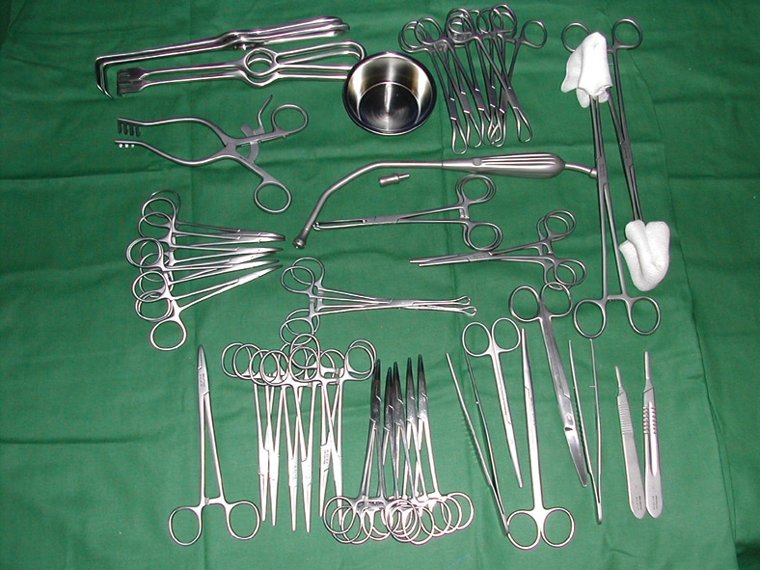
Introduction: In the OT, the Smallest Detail Can Matter Most A successful operation depends on much more than the surgeon’s skill. The right surgical instruments, sterile supplies, consumables, equipment and a well-prepared operating theatre all have to work together at exactly the right moment. Imagine a routine procedure is underway and a required clamp is missing, a sterile pack has compromised packaging, or a commonly used consumable has unexpectedly gone out of stock. None of these problems sounds dramatic when viewed individually. Inside an operating theatre, however, even a small supply-chain or preparation failure can create delays, increase stress and affect efficiency. That is why surgical procurement should not be treated simply as “buying medical products.” It is about creating a dependable clinical system. From forceps and scissors to drapes, gowns, sutures, surgical blades and sterilization supplies, every item has a role. The best OT inventory is not necessarily the largest one—it is the one that is appropriate, traceable, sterile when required, readily available and easy for the clinical team to use correctly. This guide explains the essentials of surgical instruments, OT supplies and consumables and offers practical insights for hospitals, clinics, ambulatory surgery centres and healthcare procurement teams. What Comes Under Surgical & OT Essentials? An operating theatre requires several interconnected product categories. Thinking about them as a system makes purchasing and inventory management much easier. 1. Surgical Instruments Surgical instruments are reusable or, depending on the product, single-use devices designed for specific clinical tasks. Common categories include: The important point is that instruments should be selected according to the procedure, not merely by brand name or appearance. A high-quality instrument that does not match the surgeon’s technique or procedure requirements may be less useful than a correctly specified instrument from another manufacturer. 2. OT Supplies and Equipment Surgical instruments are only one part of an operating theatre. OT supplies can include: These products form the infrastructure around the procedure. For example, a surgical light may not physically enter the sterile field, but inadequate lighting can affect visibility and workflow. Similarly, an instrument trolley may appear like a simple piece of furniture, yet its positioning and design influence how efficiently the surgical team works. 3. Surgical Consumables Consumables are products that are normally used once or replaced frequently. Typical examples include: Consumables deserve particularly careful inventory management because demand can fluctuate significantly with surgical volume. Running out of a reusable instrument is inconvenient. Running out of a critical disposable during a procedure can be considerably more disruptive. Surgical Instruments vs OT Supplies vs Consumables Understanding the difference helps procurement teams build better purchasing strategies. Category Examples Typical Use Main Purchasing Consideration Surgical instruments Forceps, scissors, clamps Procedure-specific Quality, function, durability OT equipment Surgical lights, tables, suction Theatre infrastructure Reliability, safety, service Consumables Gloves, sutures, blades Usually single-use Sterility, expiry, availability Sterile processing supplies Pouches, indicators, wraps Reprocessing Compatibility and traceability Specialty products Laparoscopic, orthopaedic instruments Specialized procedures Clinical compatibility The biggest mistake is treating every category as if it follows the same purchasing logic. A reusable instrument should be evaluated partly on life-cycle value, while a consumable may be evaluated more heavily on cost per procedure, clinical performance, packaging and supply continuity. How to Choose the Right Surgical Instruments 1. Start With Procedures, Not Catalogues Before purchasing, create a procedure-wise instrument requirement list. For example, a general surgery setup may require a different combination of: than an orthopaedic, ENT or ophthalmic setup. A practical approach is to create an instrument matrix: Procedure → Instrument → Quantity → Size → Material → Reprocessing Method → Replacement Cycle This prevents the common problem of buying large quantities of instruments that are rarely used while understocking frequently required items. 2. Evaluate Instrument Quality Beyond Appearance Two stainless-steel instruments may look almost identical but perform very differently. When evaluating surgical instruments, consider: The FDA classifies surgical forceps and similar devices that contact blood or normally sterile tissue as critical devices, meaning appropriate reprocessing is essential between uses. Sterilization: The Hidden Backbone of Surgical Safety A beautifully organized instrument tray is not enough. The instruments must also undergo appropriate cleaning, disinfection or sterilization according to their intended use and the manufacturer’s instructions. The CDC emphasizes that effective sterilization depends on proper cleaning first because organic and inorganic material can interfere with subsequent processing. The FDA similarly describes reusable-device reprocessing as a multistep process that begins with point-of-use treatment and cleaning before the device is disinfected or sterilized and returned to service. A practical processing pathway Point-of-use care → Cleaning → Inspection → Packaging → Sterilization → Monitoring → Storage → Distribution Each step matters. A damaged instrument may need repair or removal from service. A compromised sterile package should not simply be placed back into the inventory because “the instrument inside looks clean.” AORN’s current perioperative guidance also emphasizes instrument cleaning, packaging, sterilization and verification as essential elements of reliable sterile processing. Why Sterile Technique Matters in the OT Sterile technique is not just about wearing gloves. It involves controlling the entire environment around the sterile field. Key considerations include: AORN’s 2025 guidance highlights the importance of protecting the sterile field and minimizing contamination risks, including unnecessary movement and improper handling of sterile supplies. The WHO’s surgical-site-infection guidance similarly places infection prevention across the preoperative, intraoperative and postoperative stages rather than treating it as a single isolated activity. The Most Important Consumables to Keep Under Control Not every product deserves the same inventory strategy. A useful method is to divide consumables into three groups: Critical Items whose absence could interrupt or seriously affect a procedure. Examples may include: High-Use Items consumed frequently across many procedures. Examples include: Specialty / Low-Use Products required for particular procedures but used less frequently. These need careful forecasting rather than excessive stock. This approach can reduce both stockouts and dead inventory. Surgical Inventory: Think Beyond “How Many Are Left?” A modern OT inventory system should ideally track more than quantity. Useful fields include: Inventory Field Why It Matters